Category: Entertainment

  • Filmsaaz and Neozoon: Meet Filmmakers With Pseudonyms – and Political Movies – at Locarno

    Filmsaaz and Neozoon: Meet Filmmakers With Pseudonyms – and Political Movies – at Locarno

    James Gray and Darren Aronofsky are among the big-name filmmakers getting honored at the 79th edition of the Locarno Film Festival this August. But the 2026 lineup of the Swiss festival also showcases all sorts of newer and emerging filmmakers from around the globe.

    Their names may not be widely known yet, but buzz at a festival, such as Locarno, could, of course, open doors and bring support for more projects ahead. Some of these up-and-coming filmmakers, however, create cinematic experiences not under their legal names, but pseudonyms. Cases in point: Filmsaaz and Neozoon, whose works are featured in this year’s Pardi di Domani, or “Leopards of Tomorrow, program.”

    The name of the program is a reference to Locarno’s Leopard awards and is designed to provide “a vital space for expressive experimentation and innovative forms of cinematic poetry,” the festival says. In fact, it calls the section “a cornerstone” of its mission “to foster dialogue between generations and traditions and to support the filmmakers who will define the future of cinematic expression.”

    Whether or not you are already aware of Neozoon and Filmsaaz and their work, THR has compiled some key info about these filmmakers and asked them about their work as a small tease of what awaits you.

    Filmsaaz world-premiered Wolfgang, the minimal-budget feature directorial debut of the Tehran-born audiovisual artist that is a gender-queered acid trip opera, earlier this year at the International Film Festival Rotterdam. In Locarno’s Pardi di Domani – Concorso Corti d’Autore lineup, they will debut a new 21-minute short film called Ãsheghetam.

    ‘Ãsheghetam’

    Courtesy of Locarno Film Festival

    The title is “a very intense way to say ‘I love you’,” Filmsaaz explains. “It literally means ‘I am your lover’.” Written, directed and edited by Filmsaaz, whose real name is Saleh Kashefi, the short feels particularly timely. “During a chaotic night at an underground Tehran rave disrupted by the morality police and the sudden outbreak of war, a queer youth chooses to retreat into a bubble of romantic illusion with their partner just to survive the brutal reality outside,” its synopsis reads.

    “I started developing the film about a year ago, after the 12-day war between Iran and Israel happened,” Filmsaaz tells THR. “Even though very complex to make, the important thing for me was to finish and release it fast, as it is important for this film to be seen as soon as possible. So we were lucky that Locarno was kind enough to accept the film with a rough cut; the film just [got] finished about two weeks ago.”

    Filmsaaz shares this thought on a possible regime change in Iran. “Of course, nothing is permanent, and even the most powerful governments and monarchies have collapsed in history – it’s only a matter of time.” And they add: “These days I feel quite hopeless and cynical in general about the world we live in. The film, in fact, is about giving up hope and dissociating from reality, which is the defense mechanism all of the Iranian youth have learned.”

    So, where does the moniker Filmsaaz come from? Well, it mixes the Farsi words for “filmmaker” and “music.” And this new name was a conscious decision. “I wanted to let go of the conventional birth name, which represents a culture, a gender, a religion, a history, and represents a family,” the creative told THR earlier this year. “I wanted to give myself a name that was as simple as possible. I wanted to free myself from all those contexts and layers, and also to somehow redefine how filmmakers are represented.”

    Filmsaaz, courtesy of Seraphine Sallin-Mason

    After all, the likes of Bono and Prince prove you can make a name for yourself with just one name. “Why are we always known by our first name and last name?” explained Filmsaaz. “Musicians and other kinds of artists can have artistic names. They can have a persona.”

    Filmsaaz has made all sorts of shorts in the past, and they have such colorful titles as The Three Letter Word (2017), Kim Kardashian in a Cat’s Eyes (2019), I Was Gonna Kill Myself but Instead I Made This Film (2020), Leaving Here and Her (2021), And How Miserable Is the Home of Evil (2023), A Man Passes by the Soaked Trees (2024) and Overture (2025).

    Meanwhile, Locarno 2026‘s Pardi di Domani – Concorso Internazionale lineup includes Together, a 14-minute short that the festival website teases this way: “An exploration of human desires for land ownership and property through archival footage and social media. It contrasts togetherness with rising individualism, questioning whether possession stems from need or a Eurocentric, patriarchal narrative.”

    The short comes from the “eco feminist art collective” Neozoon. The two main creatives behind it are Friederike Kersten and Michaela Metzger, who have also worked with other collaborators in the past. The Locarno website notes that Neozoon was founded in 2009 in Berlin and Paris. And it highlights: “Their work is based on the principle of collage and investigates sociological questions of the Anthropocene,” or our epoch in which human activity shapes the planet’s climate and ecosystems. The collective’s website is even more specific, saying the team “examines sociological questions dealing with speciesism in the capitalocene.” 

    Neozoon, aka Michaela Metzger (left) and Friederike Kersten (right), courtesy of Locarno Film Festival

    You may know that “neozoon” is the word for a non-native or invasive species. And the collective’s street art, films and installations have used the concept of non-native species to explore how modern human society interacts with nature and animals. “In their video films, the de-and recontextualization of found footage and social media material is a recurring element,” especially the use of YouTube and TikTok footage, the Locarno website also explains.

    And the Locarno site highlights some of their past works. Again, they have titles that will turn heads. Among them are Good Boy – Bad Boy (2011), Unboxing Eden (2013), Shake Shake Shake (2016), Little Lower Than the Angels (2019), Biting the Dust (2021) and Lake of Fire (2022).

    If you get a sense that there is an activist vibe and a desire to challenge our thinking behind Neozoon’s work, that is surely by design. For example, Lake of Fire is described as “a film collage that addresses the fear of death and hell and how a dualistic way of seeing and living fuels the climate change-related ‘hell on earth’.”

    The inspiration for Together came in the form of a 2021 book by an anthropologist and an archaeologist. “After reading [David] Graeber and [David] Wengrow’s The Dawn of Everything a few years ago, we started looking specifically for film and audio material about ‘the history of mankind,’ the Neozoon duo tells THR. “The same story came up again and again: people settling down, claiming ownership, fencing themselves off, becoming more and more individual, more and more alone – as if that were the great goal of humankind and as if there had never been another option. So we started asking what kind of story that actually is.”

    ‘Together’

    Courtesy of Locarno Film Festival

    Neozoon also has a clear take on how Eurocentric, patriarchal narratives play into this urge to own land and fulfill individuals’ desires. “All the material we found comes from the global North, produced by a small number of institutions,” the Neozoon members explain. “What those films narrate as human development is a story of acquisition: settling down, putting up fences, owning. They weren’t inventing it. They were illustrating the science of their time, and that science was done by the same people. European men excavated and European men interpreted, and the past they found looked like the world they already lived in: the hunter at the center, the woman at the fire.”

    Things are starting to change, though. “Much of that is being rewritten now – the abilities of early humans, who actually hunted, the role of women completely – not because new evidence appeared, but because other people are doing the interpreting now,” highlights the Neozoon team.

    So, does the collective consider itself political and/or activist? “Political, yes. Activist would be claiming more than a short film can do,” the duo tells THR. “What runs through all our films is the question of the exploitative treatment of non-human animals and of nature by (male) human beings. New research suggests that this world was once a different one, in which ecofeminist perspectives, for instance, were the standard rather than the exception. Part of that is observing and acknowledging other species on this planet.”

    Such as ants, for example, which play a key role in Together. They are “masters of bridge-building in order to survive as a group,” Neozoon explains. “That seems to us more admirable than the story we have been telling ourselves about our own species.”
  • LISTEN: Music Fans Shrug Off Ticket Price Hikes to Keep Summer Concert Business Humming

    LISTEN: Music Fans Shrug Off Ticket Price Hikes to Keep Summer Concert Business Humming

    The global live music business is chugging along through its busy summer season as strong as ever, defying even what has long been its biggest challenge: ticket-price sensitivity.

    Consumers consistently cite cost as the biggest barrier to attending concerts. But the percentage of respondents on Luminate‘s U.S. Music 360 survey who cite ticket prices as a deterrent has trended downward from 59% in the first quarter of 2024 to 53% in the same period two years later. The survey and Luminate’s latest special report, “Live Music 2026,” is the focus of this week’s episode of Variety podcast “Strictly Business.”

    “The concert industry really hasn’t seen too much of, if any, decline in demand,” says Luminate analyst Rob Steiner, author of the report. “That is not as much of a concern in the live music business, despite ticket prices going up overall on average.”

    Listen to the full podcast:

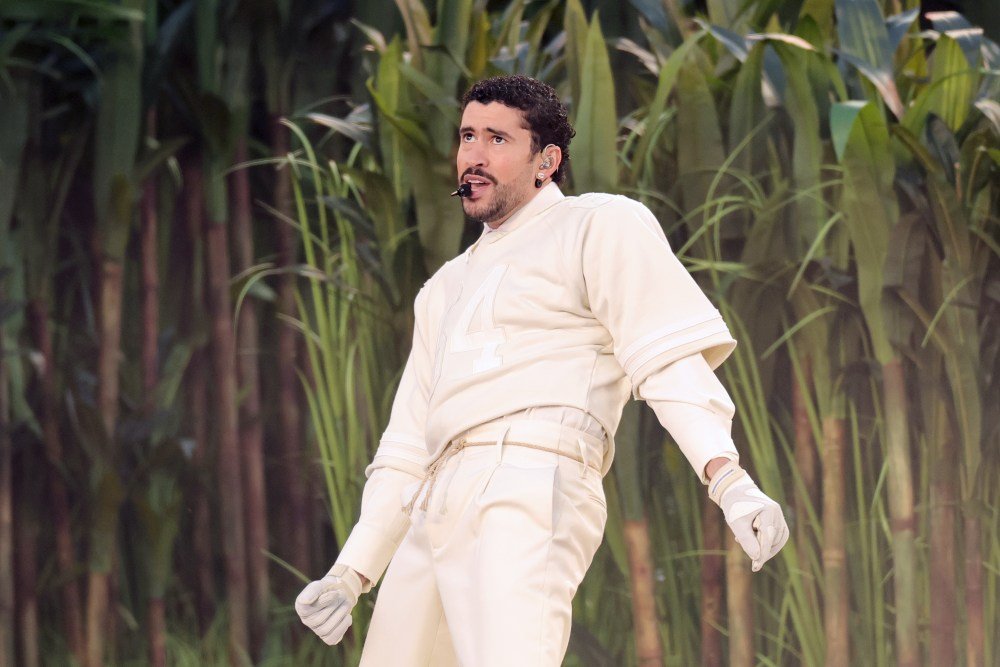
    But the success of the concert business doesn’t come without some areas of struggle, as evidenced by the outbreak of so-called “blue dot fever” earlier this summer. Some well-known artists like Meghan Trainor and Zayn Malik were forced to cancel portions of their tours due to apparent underwhelming audience demand. On the other hand, superstar Bad Bunny is raking it in on the world tour that he launched on the heels of his electrifying Super Bowl Halftime Show appearance in February.

    As Steiner sees it, while consumers are proving they are willing to pony up top dollar for live shows, they are also forced to make tough choices about who they can’t afford to see, which impacts performers who aren’t necessarily top-shelf draws.

    “Unless you are like a Taylor Swift or a Coldplay or Beyonce, you’re gonna have a lot harder of a time, I think, to get people to your shows because they aren’t able to afford going to every single show they want to go to,” he said. “Unfortunately, that greatly impacts the middle tier of artists that are too big for clubs, but too small for stadiums.”

    Steiner touches on a broad variety of issues impacting the concert business, including what separate Gen Z consumers from their older counterparts and the struggle of independent venues to keep up with attendance trends at bigger arenas and stadiums.

    “Strictly Business” is Variety’s weekly podcast featuring conversations with industry leaders about the business of media and entertainment. (Please click here to subscribe to our free newsletter.) New episodes debut every Wednesday and can be downloaded at Apple Podcasts, Amazon Music, Spotify, Google Play, SoundCloud and more.

    (Pictured: Bad Bunny)

  • Irish Indie Film ‘Lemonade,’ Starring Barry Keoghan, Reveals First Images and Plot Details (EXCLUSIVE)

    Irish Indie Film ‘Lemonade,’ Starring Barry Keoghan, Reveals First Images and Plot Details (EXCLUSIVE)

    Full details of an under-the-radar and low-budget Irish feature starring Barry Keoghan have been revealed alongside a couple of first look images from the film.

    “Lemonade,” written and directed by documentary filmmaker Kim Bartley in her narrative feature debut, was shot earlier this year in Dublin. Set amid Ireland’s care system, the film is described as a story about “first loves, second chances and the power of human connection.”

    The film follows teenager Danny, who after making a mistake that could derail his future, unexpectedly reconnects with Josh, a social worker who once tried to help him but whose own mistakes drove them apart. When their paths cross again, Josh becomes both mentor and mirror, guiding Danny on his journey to manhood- through first love and loves lost. Along the way Danny discovers that family is not always the one you are born into, but the one that believes in you when no one else will.

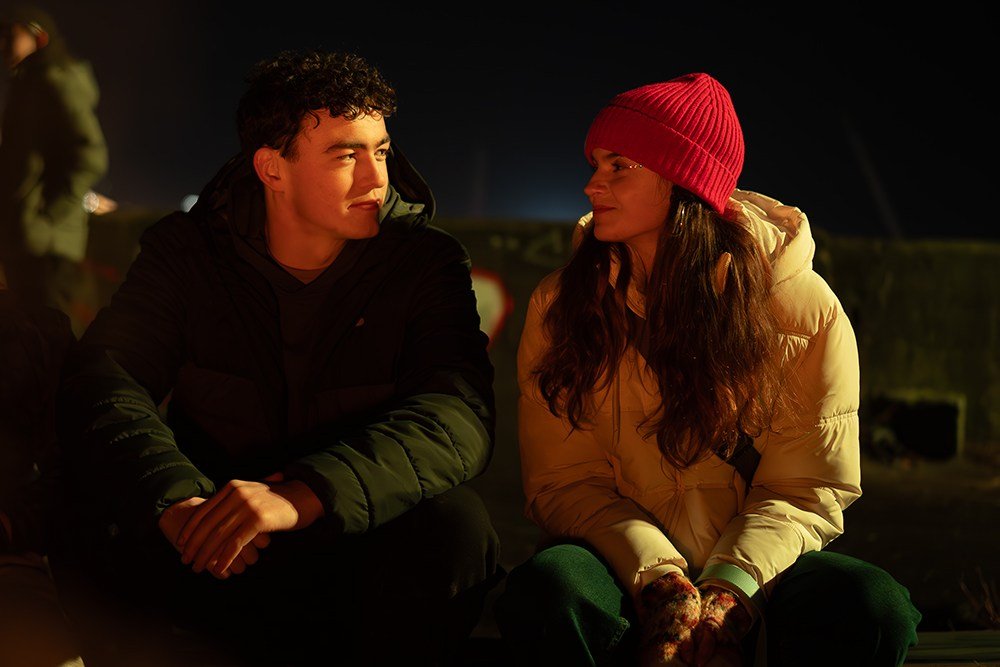
    Playing the lead role of Danny is rising Irish star Lewis Brophy, recently seen in acclaimed local feature and Berlinale prizewinner “Christy.” Keoghan, meanwhile, stars as Josh. The principal cast also includes Carla Tous, Eileen Walsh and Imelda May.

    Barry Keoghan as Josh in “Lemonade”

    Colm Hogan

    Producers on “Lemonade” are Rachel Lysaght and Farah Abushwesha, while exec producers include Bartley, Geraldine East, Niamh Fagan, Desmond Byrne, Lorcan Kavanagh, Peg Cafferty, Deepak Sikka, Mark Foligno and Sire Ramos. Keoghan also exec produces for his new producton company Wolfcub, which at this year’s Cannes saw its debut feature “Butterfly Jam” (starring Keoghan) open the Directors’ Fortnight competition.

    Speaking to Variety ahead of Cannes, Keoghan discussed “Lemonade,” describing it as having considerable parallels with his own upbringing as a foster child in Dublin. “There are moments in ‘Lemonade’ when I was like, this is too to-the-bone,” he said. “Honestly, it makes me emotional just chatting about it, but it’s beautiful.”

    Behind the camera on the feature, Colm Hogan served as cinematographer, Paul Mullen as editor, Tamara Conboy as production designer and Louise Stanton as costume designer. John Brennan, Daniel Bodsworth, Rob Hughes and Mark Langlay-Smith oversaw sound, while the original score was written by Siôn Trefor, Ioana Șelaru and Galia Arad.

    “Lemonade” is an Underground Films and Rocliffe Productions co-production, in association with Play House Studios and with the participation of Coimisiún na Meán. It was supported by Screen Ireland.

  • British YouTuber and Rapper Yung Filly Found Not Guilty of Raping Woman in Australia

    British YouTuber and Rapper Yung Filly Found Not Guilty of Raping Woman in Australia

    British YouTube star and rapper Yung Filly has been found not guilty of rape in an Australian court.

    The verdict was reached by a Perth jury after an 11-day trial. The 30-year-old, whose real name is Andres Felipe Valencia Barrientos, was found not guilty on three counts of sexual penetration without consent, but he was found guilty on two counts of assault occasioning bodily harm.

    The jury could not come to a decision on three other counts of rape, according to the BBC. Barrientos will remain on bail until August, when the court will decide his sentencing date. Prosecutors will also decide on the next steps for the three hung jury verdicts, including whether to press ahead on the rape charges.

    The internet personality and rapper had been accused of sexually assaulting a woman, then 20 years old, after performing at a Perth nightclub in 2024. He had pleaded not guilty to all six counts of sexual penetration without consent, three counts of assault occasioning bodily harm, and one count of strangulation.

    Barrientos told the court that he “fancied” the woman when they met at his concert. He was in the VIP area while she leaned over the barrier. “I recall putting my hand on her waist,” he told the court, adding that he had not put his hands down her pants or touched her breast.

    The “vibes were good” when they arrived at his hotel later in the evening, he added, explaining that his security guard took her phone away as a “standard practice” to protect their privacy.

    The woman claimed they had consensual sex before the encounter turned violent and she told him to stop. The West Australian reported that Barrientos allegedly bit her neck, cheek and breast, causing bruising and swelling.

    Barrientos is known for his work with the Beta Squad, a group of young YouTubers who make comedic videos. Individually, each of them has gained their own following. Barrientos has accrued over 1.7 million subscribers on the site and 2.4 million on Instagram. He has also presented multiple BBC Three programs.

  • ITV Bullish in First Results Since Confirming Sky Deal, Orders Share Buyback of $135M

    ITV Bullish in First Results Since Confirming Sky Deal, Orders Share Buyback of $135M

    ITV has reported revenue growth of 2 percent in the first half of the year and revealed a £100 million ($135m) sharehold buyback in what CEO Carolyn McCall has described as a show of “commitment to attractive shareholder returns” in the wake of Sky‘s £1.6 billion ($2.13b) acquisition of the broadcaster’s network and streaming businesses.

    In the first results since the industry-rattling mega-deal was announced, ITV said the buyback and interim dividend of 1.7p totaling around £60 million ($80m) represents an “early return of part of the previously announced £950 million net cash return expected on completion of the sale.” McCall said on a call with reporters early Friday: “The announcement of the sale […] was a defining moment to ITV.”

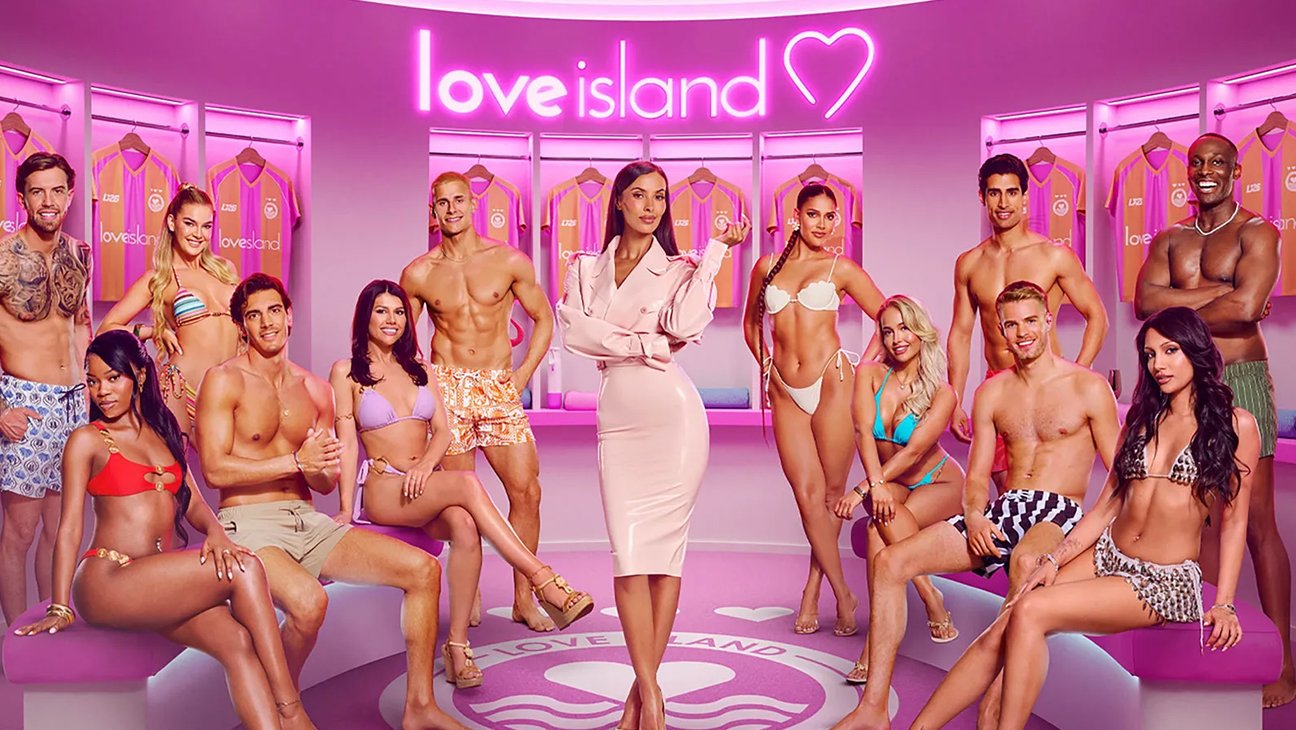
    “And crucially,” she added, “it will also unlock the value of ITV Studios.” (The company’s production arm is not part of the deal, though the report shows Sky will commit to buying £2.1 billion in ITV Studios content between 2028 and 2032.) After news of the deal, the focus for ITV will likely be on its content and big-hitters at ITV Studios (Love Island, Rivals at Disney+), making it a potential takeover target.

    McCall mentioned the Sky-ITV transaction is subject to regulatory approval, with the U.K.’s Competition and Markets Authority having launched its review. Given this is a media merger, ITV is expecting Culture Secretary Lisa Nandy to issue a Public Interest Intervention notice “in due course,” but they still estimate the merger will complete around a year from now. They have not interacted with Nandy since announcing the deal, McCall also said.

    A combined Comcast-owned Sky and ITV would create a formidable British media group. Under the proposed structure, Sky would acquire ITV’s networks and streaming businesses (Media & Entertainment) — including the ITV channel portfolio and ITVX — while ITV Studios, the production outfit behind franchises such as Love Island, Britain’s Got Talent and Netflix hit Fool Me Once, is to be spun off as a standalone listed company, reconfirmed by McCall on Friday.

    The merged operation will sit alongside Comcast’s NBCUniversal assets, bringing together ITV’s mass-reach advertising business, public-service broadcasting obligations and sports rights with Sky’s subscription TV, streaming, broadband and mobile operations.

    Media & Entertainment (M&E) delivered a run-of-the-mill first-half performance, with total revenue up 2 percent. Total advertising revenue increased by 3 percent, with Q2 up 8 percent year-on-year. This was driven by the men’s World Cup, which attracted strong advertising and sponsorship demand from both U.K. and global brands across advertising categories, and “supercharged engagement on [streaming platform] ITVX,” according to the report, which delivered record H1 viewing, up 27 percent, with digital advertising revenue up 13 percent year-on-year.

    Notably, ITV Studios’ revenue in the U.K. was up 17 percent this half-year, but down in the U.S. by 17 percent and internationally by 24 percent, suggesting the company could be hitting a wall when it comes to that much-needed U.S. expansion. 

    Looking ahead, the company has “good visibility” over the full-year outlook and revenue, margin and profit will be weighted to H2 and particularly Q4, when a “really strong delivery schedule” comes into play. This includes The Gentlemen, The Woods and SuburraMaxima for Netflix, Line of Duty season seven and Vigil season three for the BBC.

  • World Cup Boycott Backed by All 55 UEFA Countries as Asian, North and Central American, Caribbean Members Oppose FIFA Stake Sale

    World Cup Boycott Backed by All 55 UEFA Countries as Asian, North and Central American, Caribbean Members Oppose FIFA Stake Sale

    The Asian Football Confederation has joined the North, Central America and Caribbean football association and UEFA in opposition to FIFA president Gianni Infantino’s proposal to sell stakes in its competitions to private investors. On Thursday, all 55 UEFA member associations pledged to boycott FIFA soccer competitions if president Gianni Infantino’s proposal is approved.

    “The FIFA World Cup is the pinnacle of global football and derives its strength from the participation of all Confederations and the world’s leading football nations,” the AFC said in a statement on Friday, according to BBC Sport. “Any proposal that risks undermining the unity and universal character of the competition must be reconsidered.”

    Both the AFC and Concacaf stopped short of a boycott but made clear their disapproval of Infantino’s plan. The UEFA decision to boycott came out of an emergency meeting Thursday, days after FIFA announced the plans Tuesday. The first test of the stance arrives in October, when the Women’s World Cup play-offs are scheduled.

    UEFA said a statement after the meeting: “UEFA and its 55 member associations stand as one. We unanimously and unequivocally reject FIFA’s proposal to transfer ownership interests in the World Cup and other FIFA competitions to private investors.

    The World Cup cannot be treated as an investment product. It is one of football’s greatest sporting legacies. It has been built over generations by players, national teams and supporters across every continent. No part of it should ever be surrendered to private investors. The World Cup is not for sale.”

    The new company, FIFA Forward Enterprise, has been valued at about $20 billion. FIFA would seek to sell a roughly 20% stake in the entity. Among the potential investors is Thrive Eternal, led by Joshua Kushner, brother of Donald Trump’s son-in-law Jared, according to the Financial Times.

    Among the opponents of the plan are the sport’s governing bodies in North America and Europe.

    Concacaf, which runs soccer in North America, Central America and the Caribbean, said it was “deeply concerned by the lack of due process” when the plan was conceived. The federation said it was disappointed that the plan has been revealed “before any discussion with the relevant governance bodies and stakeholders has taken place.”

    UEFA, which runs the sport in Europe, said FIFA’s plan “crosses a line that [soccer’s] governing institutions should never cross.” It added, “The soul and governance of [soccer] are not assets to trade – especially with zero transparency as to who gains financially. None of us are the owners of [soccer]. It is not FIFA’s to sell.”

    UEFA is fast-tracking efforts to hold an emergency meeting of its member associations this week, sources told ESPN, to discuss plans, including a potential World Cup boycott.

    The FIFA plan is subject to ratification by its 211 national member associations. Concacaf represents 41 members, while UEFA has 55.

    Under the plan, funds raised from the sale of a stake in FIFA Forward Enterprise would be used in part to increase annual payments to members from $2 million a year to $5 million. Each would also receive a one-off payment of $20 million.

    FIFA president Gianni Infantino said in a statement, “Every FIFA member association should have an opportunity to seek a fair share of the available funding to shape its own future, deciding for itself rather than relying on others. This is about the democratization of [soccer] worldwide.”

    Among other opponents of the plan are U.K. prime minister Andy Burnham, who said, “The World Cup is not a product. It is the greatest competition in world sport, and it was never anyone’s to sell. Dress the deal up however you like. Once you have sold a piece of it, you have sold out.”

    Much of the opposition to FIFA’s plan is focusing on the role of Infantino, and his relationship with President Trump.

    Football Supporters Europe, which represents fans, said, “The World Cup is not for sale. Enough of this charade. [FIFA] member associations — and everyone who cares about the future of the game — must stand up to the man who wants to sell world [soccer].”

  • HBO Max Picks Up ‘Friday the 13th’ Prequel Series ‘Crystal Lake’ Across Europe

    HBO Max Picks Up ‘Friday the 13th’ Prequel Series ‘Crystal Lake’ Across Europe

    Warner Bros. Discovery has acquired A24’s Friday the 13th prequel series Crystal Lake for HBO Max across Europe, the Middle East and Africa, excluding the U.K. and Ireland.

    The series is set to debut on HBO Max across the region later this year. Peacock has Crystal Lake for the U.S. and will be premiering the show stateside in October.

    Peacock originally ordered the series back 2022, with Bryan Fuller initially attached as writer and showrunner. But creative differences led Fuller to leave the project in May 2024, saying that A24 “decided to go a different way with the material.”

    Related Stories

    Brad Caleb Kane (Max’s It: Welcome to Derry) is now credited as creator, writer and showrunner on the series.

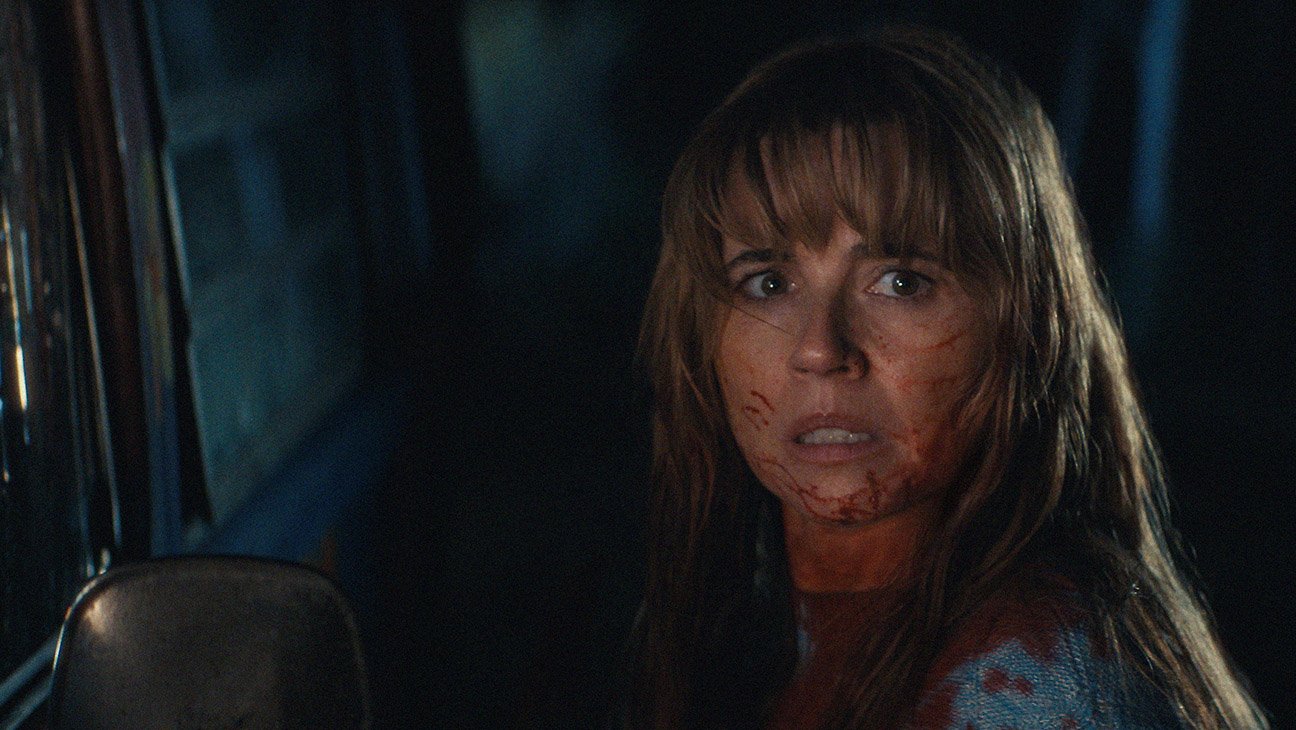
    Crystal Lake stars Emmy Award nominee Linda Cardellini (Dead to Me, Mad Man) as Pamela Voorhees, the mother of the notorious Friday the 13th killer Jason. The series picks up a year after Jason’s drowning death in the town lake. But the arrival of two strangers investigating her past sets off a series of events that prompts the residents of Crystal Lake to question who Pam Voorhees really is.

    William Catlett co-stars as local police chief Levon Brooks. Devin Kessler, Cameron Scoggins and Gwendolyn Sundstrom co-star. Callum Vinson plays a young Jason Voorhees.

    Kane is executive producing Crystal Lake together with A24 and an executive producing team that includes Marc Toberoff, Victor Miller, Robert M. Barsamian, Robert P. Barsamian, Stuart Manashil, Tyson Bidner, Michael Lennox and Roy Lee.

  • ‘Los Vampires’ Review: Dueling Draculas Spar in an Alluring if Unevenly Executed Flashback to Early-Talkie Hollywood

    The talkies’ arrival was a major hardship in many respects for the movie industry, as theater owners had to install expensive new equipment, and studios could no longer easily export fresh product to lucrative foreign markets. One solution weighed to the latter dilemma was making alternative versions of features in different languages. Universal took that idea farther than most in late 1930 by shooting “Dracula” twice on the same sets, with entirely different casts and directors. One was, of course, the legendary Tod Browning film with Bela Lugosi. The other, directed by George Melford (who’d guided Rudolph Valentino in his most famous role as “The Sheik”), had Spanish emigre Carlos Villarias as the caped bloodsucker. It was forgotten for decades until a 1990s restoration and revival led some latter-day viewers to pronounce it the better of the two.

    That curious footnote to cinematic history has now inspired “Los Vampires,” the first directorial feature in decades from scenarist Craig Mitchell. Like the 2000 Willem Dafoe vehicle “Shadow of the Vampire,” this is a fiction spun from the reality of a fabled production shoot. Henry Ian Cusick and Thomas Kretschmann play fictionalized stand-ins for Villarias and Lugosi, as immigrant actors touchy about “sharing” a starring role that could be a huge break for both.

    In the somewhat convoluted progress of Mitchell’s script, their ego war is eventually eclipsed by fears there’s a genuine murderer on the loose — perhaps even an actual vampire. Not always very precisely balanced between horror, homage and mystery, this intriguing if unevenly realized construct will nonetheless lure genre fans and nostalgists alike with its imagined back chapter of golden-age Hollywood. 

    It starts with nervous Luis de Ossario (Cusik) arriving on the Universal soundstage, where he’s dismayed by a front-office representative’s command that he watch the dailies of English-language scenes shot during the day, then precisely mimic them in Spanish each night. Pride insists he ignore that directive — after all, he too has been a star, called the “Spanish Sheik” by fan mags. But it’s additionally irritating when he’s approached by Romanian thespian Kurt Orlov (Kretschmann), who’s essayed the Count to great success onstage, and likewise advised to imitate his every gesture and intonation. Refusing to do so, Luis stirs a rivalry and potentially endangers his own employment. 

    Still, the dual production goes on as planned. Anxiety heightened by the exhausting nocturnal schedule, Ossario is further rattled by glimpsing sexually explicit footage presumably shot as blackmail fodder. It involves Vianca Sugura (Daniela Couso), the beauteous albeit wholly inexperienced young woman hired as ingenue. Other unsettling revelations include word that the actress originally hired for that part was killed — a fate that later befalls others, including convent-raised Vianca’s protectress Sister Aubrey (Carol Abney). 

    There are additional, underdeveloped subplots. The intended enigmatic blurring between illusion, reality, the supernatural and sordid here too often just feels unfocused, with occasional detours into humor contributing to a wobbly tone. The best sequences seize upon the atmospheric potential of recreated studio-Gothic sets, though there’s surprisingly scant use of B&W film-within-the-film bits. Itself shot entirely on a soundstage, “Los Vampires” occasionally betrays budgetary limits in unconvincing period flavor, despite good work from production designer Ricardo Jattan and costumer Petra Larsen. 

    The lead actors do well enough on this slippery slope. Cusick and Kretschmann offer complementary chords of variable petulance and insecurity, as newcomer Cuoso ably negotiates her character’s shifting ambiguities. The supporting cast turns are competent if sometimes broad. If Mitchell’s resolution to his script’s dangling questions feels somewhat rote, a graceful epilogue leaps several decades forward to end matters on an interesting, unexpected note. 

    While the Lugosi “Dracula” was a huge hit, the Spanish version’s disappointing box office helped curtail future such endeavors in Hollywood, particularly since fast-evolving dubbing technology soon provided a cheaper alternative. Far from a mere copy of its English-language equivalent, however, Melford’s movie is considerably longer, with marked differences of dialogue, narrative sequence and costuming. Those who found Browning’s take too stagey have judged its doppelgänger more fluidly cinematic. Still, only one person became a celluloid legend from Universal’s gambit — and that person wasn’t Carlos Villarias, who outlived Lugosi by two decades yet never achieved anything like the same renown. 

  • ‘Black Zombie’ Review: An Engaging Doc on How the Flesh-Eating Hordes of Screen Fame Obscured Painful Real-Life History

    ‘Black Zombie’ Review: An Engaging Doc on How the Flesh-Eating Hordes of Screen Fame Obscured Painful Real-Life History

    In Hollywood’s original horror heyday of the 1930s and ’40s, it would have been hard to imagine another figure challenging the classic terror quartet of Dracula, Frankenstein monster, werewolf and mummy — let alone that the lowly zombie would ever become serious competition. Yet while those aforementioned creatures still get rehabilitated on a regular basis, they’re now greatly surpassed in popular visibility by a cannibal undead that didn’t even exist in the genre until more recent decades. 

    Maya Annik Bedward’s Canadian documentary “Black Zombie” explores that surprise evolution. But hers isn’t a genre fan’s focus so much as a cultural anthropologist’s eye, honing in on how the screen zombie has exploited and distorted the Haitian religious beliefs that provided its initial inspiration. Kino Lorber is opening the Canadian documentary in the U.S. on Sept. 11th; Raven Banner will release it on home turf the same date.

    Today zombie entertainment is so ubiquitous, it encompasses enormously expensive blockbusters (“World War Z”), big-screen franchises (like the “28 Days” films), an entire “Walking Dead” multimedia empire, comedies (“Shaun of the Dead” being the most famous) and myriad other expressions. Often involving animated corpses who are “fast-moving” — making their hunger for living flesh an even greater peril — these images break from the standard late-20th century convention of slow, shuffling if still bloodthirsty dullards, a template established by George A. Romero’s 1968 sleeper smash “Night of the Living Dead.”

    At neither speed, however, do they have much to do with the zombie’s prior, much-less-frequent pulp appearances. Those had roots in 1929’s bestselling “The Magic Island,” one of several questionable works of journalism by the writer, adventure and occult sensation-seeker William Seabrook. (His most credible tome was probably the subsequent “Asylum,” which detailed his institutional recovery from alcoholism.) He claimed to have seen laborers in the cane fields of Haiti who were seemingly in a trance, incapable of speaking. 

    The notion of zombies went back to that Caribbean nation’s days as a European colony, when huge numbers of largely African slaves were brutally disciplined and frequently worked to death by a white-settler minority. It was rumored that some got drugged or otherwise rendered “soul lost,” so they would toil without rest or protest. Thus within Haitian culture, zombies were victims, robbed of independent will by cruel masters.

    Seabrook’s primary focus was on Vodou aka voodoo rituals, which had long constituted an underground religious practice amongst populations outwardly accepting of Catholicism. But his mention of “zondis,” the dead supposedly revived via magic for cane harvesting, ignited the popular imagination. It soon got fictionalized as the post-“Dracula” Bela Lugosi vehicle “White Zombie” (1932), then in other films, notably the Val Lewton-produced “I Walked With a Zombie” a decade later. Their suspense arose not from anything that happened to or at the hands of zombie-fied “natives,” but the terror that such hypnosis might be used on Caucasian protagonists — especially pretty young ingenues. 

    Bedward elicits commentary from latter-day scholars, historians, and Vodou priests. They dissect how these representations reinforced superstitious racial stereotypes in a vintage “exotica” mode, one reprised at least as recently as Wes Craven’s 1988 “The Serpent and the Rainbow.” Those movies are seen as part of an ongoing disempowering of the Haitian peoples, who have been continually hobbled by occupiers, imposed foreign debts and political instability. The myth of witless, “savage” zombies only helped perpetuate the idea that Haitians cannot be trusted to control their own destiny.

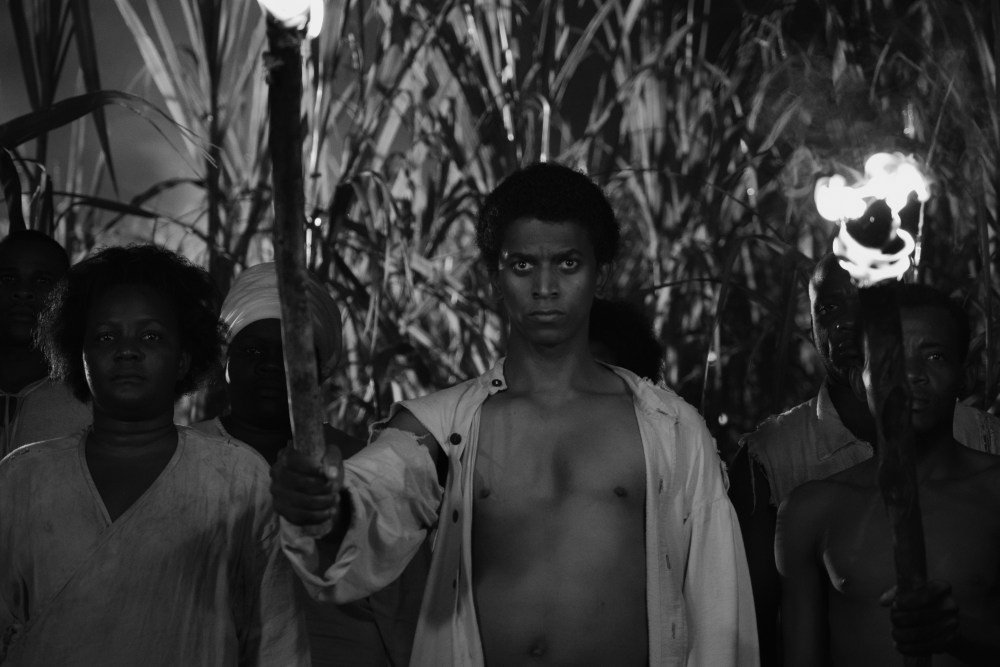
    “Black Zombie” illustrates that point with an engaging mix of clips, interviews, old newsreel footage, brief animations and B&W staged sequences with Anderson Mojica as an 18th-century slave who’s first subsumed by, then overcomes his “zombie” state of passive toil. (It is suggested that depriving laborers of salt intake might have had such stupefying effects.) 

    Horror fans may be disappointed that the later waves of zombie cinema get rather fleeting address here, though we do hear from legendary gore FX maestro Tom Savini and the late Romero’s “Night of the Living Dead” co-writer John Russo. (The latter says their ultra-low-budget breakout settled for its hungry-ghoul gist only because they couldn’t afford the trappings of a science-fiction tale.) The whole cannibalism conceit has scant connection to Vodou lore, so it’s of little relevance to the director’s main thesis here. However, some of her experts do opine that the manic, devouring hordes of modern depiction discreetly amplify new paranoias: not just the “fear of Blacks” implicit in earlier zombie thrillers, but wealthy nations’ current panic over “invading” Third World immigrants, climate-change refugees, and so forth. Now, zombies simply “represent otherness,” as one observer puts it. 

    The authorities Bedward solicits intel from often speak reluctantly, having been burned before: They’re all too familiar with filmmakers feigning sincere interest, only to deliver yet another bloody screen cartoon of Haitian history and beliefs. While “Black Zombie” isn’t quite the genre “greatest hits” parade many viewers may be hoping for, it does provide a thought-provoking perspective — one that might add some depth to your next experience of undead cinema, however purely escapist.

  • Boy George Drops Out of London ‘Jesus Christ Superstar’ Production After Stirring Controversy With AI-Generated Pro-Israel Song

    Boy George Drops Out of London ‘Jesus Christ Superstar’ Production After Stirring Controversy With AI-Generated Pro-Israel Song

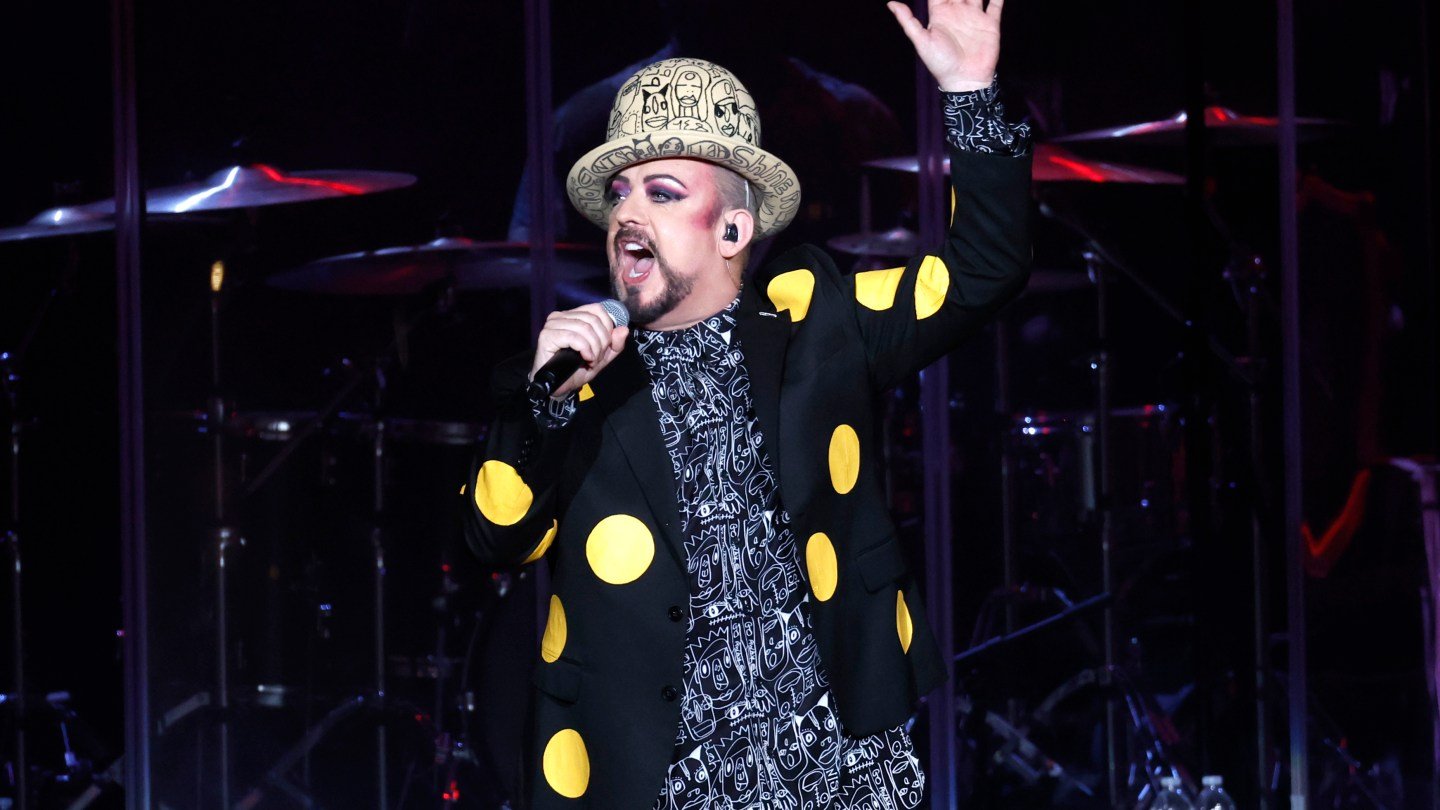
    Boy George is dropping out of a London production of Jesus Christ Superstar, the “Karma Chameleon” singer’s manager said on Instagram on Thursday, days after he stirred controversy after releasing his AI-generated, pro-Israel song “We Will Dance Again.”

    “The decision has been made with the utmost respect for the producers, the creative team and the entire company,” manager Paul Kemsley wrote on Thursday. Boy George was set to play King Herod starting in August. Kemsley didn’t specify why George was leaving but wrote that the singer “has never been afraid to stand by his personal convictions, and I have always respected him for that.”

    “Equally, I believe it is my responsibility to make decisions that are in the best interests of my artist while also showing respect to others,” Kemsley said. “In this instance, I felt it was right to step aside, allowing the production to remain the focus, while ensuring everyone involved can move forward with mutual respect and goodwill.”

    Kemsley made the announcement just days after George shared “We Will Dance Again” on social media. Boy George confirmed the song was made with AI on Threads earlier this week, writing that “I call it ‘AI for good’. Truthfully, I would struggle to write this with a human!” At press time, it’s unclear what of the song is AI-generated and what was human made. Making an AI song of any sort isn’t exactly surprising at this point for Boy George, who spoke with The Hollywood Reporter last month about using AI to gain ownership of his hits by re-recording them.

    “We Will Dance Again,” is set over a reggae beat and production and has George rebuking calling the war in Gaza a genocide. He questions musicians who voiced support for Palestine, saying they are “mouthing like sheep propaganda fueled by the internet.”

    “You say genocide, I say war, when you’re attacked, it’s what the army’s for,” are the track’s opening lyrics. “Does it get ugly? You bet it does, when I know you want to kill every last one of us.”

    The song continues with lyrics about a lack of conversation about October 7 and about “young girls raped against trees, murdered brutally for the crime of dancing, you condemn the Jews with selective memory.”

    Broadway actor Patrick Clanton, who performed alongside Boy George in Moulin Rouge, was among those who criticized the song since its release this week, saying George “was a terrible performer and I was embarassed [sic] to be in the show with him.”

    Boy George clapped back Thursday, writing on Threads that “I barely remember you, kudos for getting some media attention off my back because any other time you would barely have garnered a sentence.”

    Boy George seemed to address some of the broader criticism around the song on Thursday on X as well, writing that “It doesn’t matter what I think or what you think.”

    “When will you realise you’re doing NOTHING! It’s a fucking joke,” he wrote. “I am even falling out with Jewish friends. The madness knows no bounds.”