If you purchase an independently reviewed product or service through a link on our website, The Hollywood Reporter may receive an affiliate commission.
Anthropologie Home is a certified design goldmine 365 days a year, but nothing tops the store’s seasonal assortments — most notably, its dedicated Halloween Shop. And while the retailer’s Icon Juice Glasses are similarly a year-round sensation, handblown glassware collectors really don’t mess around when it comes to their limited-run holiday launches. Enter: the 2026 Mystic Halloween Icon Juice Glass collection, available online and in select stores, while supplies last.
Fresh out the hot shop for Halloween 2026, Anthropologie’s 10-piece collection puts a playful twist on the spooky season’s traditional themes. This year’s designs include the Witch Ghost, Monster Mash, Fangs, Moth, Alien, Gummy Worm, Scaredy Cat, Glow In The Dark Ghost, Brooms and Deviled Egg, each sold individually to easily mix and match with collectors’ new and existing Icon Juice Glasses.
boo!
Anthropologie Mystic Halloween Icon Juice Glass
This one glows in the dark.
Each of the 10 handblown Juice Glasses is crafted in a distinct colorway, with hand-applied icons making every piece unique. The retailer also released four coordinating lidded Juice Glass Tumblers (Fangs, Witch Ghost, Scaredy Cat and Brooms) for easy sipping on the go.
no spill zone
Anthropologie Mystic Halloween Icon Juice Glass Tumbler With Lid
Emmy voting is now closed, and not a moment too soon.
Every year, more than 27,000 members of the Television Academy — actors and editors, showrunners and composers, the people who actually make television — sit down with their ballots and decide who walks away with an Emmy. And every year, almost none of them will tell us, on the record, what they really think.
So, like we do with Oscar voters, we reached out to a few of them ourselves.
In the final days of voting for the 78th Emmy Awards, Variety spoke with dozens of Academy members across the organization’s 31 professional peer groups — the specialty divisions that sort the membership by craft, from performers to picture editors — and promised each of them anonymity in exchange for total candor. What we saw was a very small snapshot of where the race could go when awards are handed out across the first two weekends in September.
Every voter was also asked the same four questions off the ballot — their biggest snub, the most overspent FYC campaign, the network or streamer having the best season and the one win that would actually move the business. Their answers close each entry.
In the categories deemed “area awards” — hosted nonfiction and variety series — voters have the opportunity to select multiple nominees by answering a simple question: Does this show deserve an Emmy? Yes or No. Interestingly, not one voter Variety spoke with checked “Yes” for every nominee, and only four of those surveyed selected more than one. That strongly suggests voters aren’t viewing these categories as an opportunity to spread the wealth, but rather as a traditional “may the best show win” competition.
Ballots have been edited for length and, where necessary, to protect identities.
The opinions are their own. They’re contradictory, occasionally indefensible and, at least for the purposes of this article, the only ones that matter.
Notably, and vitally important to point out, 10 ballots are not an official presidential poll. They are barely even a focus group. But what you get is a window into a small, unscientific and anecdotal sample of a voting body of more than 20,000 industry professionals. Nobody should mistake this for a forecast, and the voters themselves would be the first to tell you as well (except for one, anyway).
What these conversations reveal, year after year, is how little of the field any one voter has actually seen. Most watch a fraction of what they’re voting on, then default to what they feel they’re supposed to pick — the title everyone’s talking about. It’s a very human way to fill out a ballot, and it makes Emmy voters a notably more out-of-the-loop bunch than the Oscar crowd I sample every season, who at least tend to show they’ve done their homework.
If you fold in what these 10 told us — and what they suspect their colleagues are quietly doing — the picture that emerges looks an awful lot like the one the pundits have been sketching all along.
“The Pitt” looks poised to take drama in a runaway. Comedy is most definitely “Widow’s Bay” against “Hacks,” though the freshman holds a considerable edge over the departing champ. And in limited series, the expected “Beef” vs. “DTF St. Louis” duel is real — but I was struck by how much affection kept surfacing for “The Beast in Me.” Call it, at the very least, a spoiler worth watching.
The first two nights celebrating the artisans and the Governors Gala will take place on Sept. 5-6. The 78th Primetime Emmy Awards air Sept. 14 on NBC.
Final Emmy predictions will be revealed before the first ceremony date.
Noah Wyle in “The Pitt”
HBO Max
VOTER 1 — The Suit Who Didn’t Watch but Voted Anyway
Peer group: Television Executives
“Who has time to watch all this crap?”
Official votes submitted:
Drama Series: “The Pitt”
Comedy Series: “Widow’s Bay”
Limited or Anthology Series: “All Her Fault”
Movie: “Tom Clancy’s Jack Ryan: Ghost War”
Game Show: “Jeopardy!”
Hosted or Nonfiction Series: “The Daily Show Presents: Jordan Klepper Fingers the Pulse: Give the Man a Prize” (Y); “Finding Your Roots with Henry Louis Gates Jr.” (No); “My Next Guest Needs No Introduction with David Letterman” (No); “The Reluctant Traveler with Eugene Levy” (No); “Tucci in Italy” (No)
Reality Competition Program: “Survivor”
Short Form Comedy, Drama or Variety Series: “Colbert Before Air”
Short Form Nonfiction or Reality Series: “Inside the Pitt”
Variety Series: “The Daily Show” (Y); “Jimmy Kimmel Live!” (No); “Last Week Tonight with John Oliver” (No); “The Late Show with Stephen Colbert” (Y); “Saturday Night Live” (No)
Variety Special (Live): “68th Annual Grammy Awards”
Variety Special (Pre-Recorded): “Dave Chappelle: The Unstoppable …”
Biggest snub: “The Testaments” Most overspent FYC campaign: “The Pitt” Network/streamer having the best season: HBO A win that would actually move the business: “Widow’s Bay”
VOTER 2 — The Actor Who’s Voted “Hacks” Every Year Since the Start
Peer group: Performers
“I don’t know a single person who watches all the nominees. Who has time? … I’ve loved ‘Hacks’ since the beginning and have voted for it every year it’s on the air.”
Official votes submitted:
Drama Series: “Paradise”
Comedy Series: “Hacks”
Limited or Anthology Series: “Love Story: John F. Kennedy Jr. and Carolyn Bessette”
Movie: “Remarkably Bright Creatures”
Game Show: “Celebrity Family Feud”
Hosted or Nonfiction Series: “Finding Your Roots With Henry Louis Gates Jr.” (Y); rest (No)
Reality Competition Program: “The Traitors”
Short Form Comedy, Drama or Variety Series: “SubwayTakes with Kareem Rahma”
Short Form Nonfiction or Reality Series: “This Is a Gardening Show”
Variety Special (Live): “The Apple Music Super Bowl LX Halftime Show Starring Bad Bunny”
Variety Special (Pre-Recorded): “Nikki Glaser: Good Girl”
Peer group ballot — Performers:
Lead Actor in a Drama Series: Sterling K. Brown, “Paradise”
Lead Actress in a Drama Series: Zendaya, “Euphoria”
Supporting Actor in a Drama Series: Billy Crudup, “The Morning Show”
Supporting Actress in a Drama Series: Julianne Nicholson, “Paradise”
Lead Actor in a Comedy Series: Yahya Abdul-Mateen II, “Wonder Man”
Lead Actress in a Comedy Series: Jean Smart, “Hacks”
Supporting Actor in a Comedy Series: Colman Domingo, “The Four Seasons”
Supporting Actress in a Comedy Series: Hannah Einbinder, “Hacks”
Lead Actor in a Limited or Anthology Series or Movie: Charlie Hunnam, “Monster: The Ed Gein Story”
Lead Actress in a Limited or Anthology Series or Movie: Sarah Pidgeon, “Love Story: John F. Kennedy Jr. and Carolyn Bessette”
Supporting Actor in a Limited or Anthology Series or Movie: Richard Gadd, “Half Man”
Supporting Actress in a Limited or Anthology Series or Movie: Constance Zimmer, “Love Story: John F. Kennedy Jr. and Carolyn Bessette”
Guest Actor in a Drama Series: Colman Domingo, “Euphoria”
Guest Actress in a Drama Series: Shailene Woodley, “Paradise”
Guest Actor in a Comedy Series: Christopher McDonald, “Hacks”
Guest Actress in a Comedy Series: Leslie Bibb, “Hacks”
Biggest snub: Jamie Bell, “Half Man” Most overspent FYC campaign: Anything Apple Network/streamer having the best season: Apple A win that would actually move the business: Yahya Abdul-Mateen II
Robert Clark
VOTER 3 — All In on ‘Widow’s Bay’ and Claire Danes
Peer group: Casting Directors
“The same stuff is nominated every year and it’s hard for new things to break in. I’m all in on ‘Widow’s Bay’ … I did not see ‘Beef’ or ‘DTF St. Louis’ — I’m rooting for Claire Danes!”
Official votes submitted:
Drama Series: “Paradise”
Comedy Series: “Widow’s Bay”
Limited or Anthology Series: “The Beast in Me”
Movie: “Remarkably Bright Creatures”
Game Show: “Celebrity Family Feud”
Hosted or Nonfiction Series: “Tucci in Italy”
Reality Competition Program: “The Traitors”
Short Form Comedy, Drama or Variety Series: “SubwayTakes With Kareem Rahma”
Short Form Nonfiction or Reality Series: “Inside the Pitt”
Structured Reality: “Shark Tank”
Unstructured Reality: “Love on the Spectrum”
Variety Series: “The Late Show with Stephen Colbert”
Variety Special (Live): “The Apple Music Super Bowl LX Halftime Show Starring Bad Bunny”
Variety Special (Pre-Recorded): “Wicked: One Wonderful Night”
Peer group ballot — Casting Directors:
Casting for a Comedy Series: “Widow’s Bay”
Casting for a Drama Series: “Paradise”
Casting for a Limited or Anthology Series or Movie: “The Beast in Me”
Casting for a Reality Program: “Love on the Spectrum”
Biggest snub: “Game Changer” (Outstanding Game Show) and “Age of Attraction” (casting) Most overspent FYC campaign: “Widow’s Bay” Network/streamer having the best season: Hulu A win that would actually move the business: “SubwayTakes With Kareem Rahma”
Netflix
VOTER 4 — ‘The Whole Industry Is Now Completely F—ed’
Peer group: Cinematographers
“This year shows how this whole industry is now completely fucked!”
Official votes submitted:
Drama Series: “The Pitt”
Comedy Series: “Widow’s Bay”
Limited or Anthology Series: “Beef”
Movie: “Remarkably Bright Creatures”
Game Show: Abstain
Hosted or Nonfiction Series: Abstain
Reality Competition Program: Abstain
Short Form Comedy, Drama or Variety Series: “Bad Thoughts”
Short Form Nonfiction or Reality Series: “This Is a Gardening Show”
Structured Reality: “Shark Tank”
Unstructured Reality: “Welcome to Wrexham”
Variety Series: “Jimmy Kimmel Live!”
Variety Special (Live): “The Oscars”
Variety Special (Pre-Recorded): “Wicked: One Wonderful Night”
Peer group ballot — Cinematographers:
Cinematography for a Series (Half-Hour): “Widow’s Bay” — “Our History”
Cinematography for a Series (One Hour): “Alien: Earth” — “Neverland”
Cinematography for a Limited or Anthology Series or Movie: “Beef” — “It Will Stay This Way and You Will Obey”
Cinematography for a Nonfiction Program: “The Tale of Silyan”
Cinematography for a Reality Program: “Welcome to Wrexham”
Biggest snub: “Task” Most overspent FYC campaign: “Widow’s Bay” and “Hacks” Network/streamer having the best season: The streamers A win that would actually move the business: Any broadcast show
Jason Bateman and Linda Cardellini in “DTF St. Louis”
HBO Max
VOTER 5 — The Voter Who Thinks We Should Predict Based on Their Ballot
Peer group: Daytime Programming
“I loved so much of this year’s television. … Everyone I spoke to about their ballots, many of them look just like mine. I’m not a predicting guru like you, but I think mine is the right ballot to predict.”
Official votes submitted:
Drama Series: “The Pitt”
Comedy Series: “Widow’s Bay”
Limited or Anthology Series: “DTF St. Louis”
Movie: “Remarkably Bright Creatures”
Game Show: “Jeopardy”
Hosted or Nonfiction Series: “My Next Guest Needs No Introduction With David Letterman” (Y); rest (No)
Reality Competition Program: “The Traitors”
Short Form Comedy, Drama or Variety Series: “Bad Thoughts”
Short Form Nonfiction or Reality Series: “Inside the Pitt”
Structured Reality: “Love Is Blind”
Unstructured Reality: “Summer House”
Variety Series: “The Late Show with Stephen Colbert” (Y); rest (No)
Variety Special (Live): “The Oscars”
Variety Special (Pre-Recorded): “The Muppet Show”
Biggest snub: K Callan, “Widow’s Bay” Most overspent FYC campaign: All of them. Network/streamer having the best season: HBO and Netflix A win that would actually move the business: Everyone from “Widow’s Bay”
Courtesy of Apple
VOTER 6 — The Cynic Who Says It’s All About Who You Know
Peer group: Music
“I wish there was a better way to do all these award nominations. If you have friends in this industry, you get your name on the list — even if you’ve made a piece of shit.”
Official votes submitted:
Drama Series: “Pluribus”
Comedy Series: “Widow’s Bay”
Limited or Anthology Series: “Beef”
Movie: “Miss You, Love You”
Game Show: Does not recall
Hosted or Nonfiction Series: Abstain
Reality Competition Program: “Top Chef”
Short Form Comedy, Drama or Variety Series: Abstain
Short Form Nonfiction or Reality Series: Abstain
Structured Reality: “Queer Eye”
Unstructured Reality: “Love on the Spectrum”
Variety Series: “The Late Show with Stephen Colbert”
Variety Special (Live): “The Oscars”
Variety Special (Pre-Recorded): “The Muppet Show”
Peer group ballot — Music:
Original Main Title Theme Music: “Pluribus”
Music Composition for a Series (Original Dramatic Score): “Widow’s Bay” — “Our History”
Music Composition for a Limited or Anthology Series, Movie or Special (Original Dramatic Score): “The Beast in Me” — “The Beast and Me”
Music Composition for a Documentary Series or Special (Original Dramatic Score): “John Candy: I Like Me” — Tyler Strickland
Original Music and Lyrics: “Spider-Noir” — “The Devil You Know”
Music Direction: “The Late Show with Stephen Colbert” — “The Late Show with Stephen Colbert Series Finale”
Music Supervision: “Widow’s Bay” — “Beach Reads”
Biggest snub: “High Potential” Most overspent FYC campaign: Disney Network/streamer having the best season: Peacock A win that would actually move the business: The actors who self-submitted from “The Pitt”
VOTER 7 — An Actor’s Director, Smitten With Bateman and Offerman
Peer group: Directors
“I love Jason Bateman in ‘Black Rabbit’ and Nick Offerman in both of his TV shows.”
Official votes submitted:
Drama Series: “The Diplomat”
Comedy Series: “Shrinking”
Limited or Anthology Series: “DTF St. Louis”
Movie: “Miss You, Love You”
Game Show: “Jeopardy”
Hosted or Nonfiction Series: “Tucci in Italy”
Reality Competition Program: “The Traitors”
Short Form Comedy, Drama or Variety Series: “Bad Thoughts”
Short Form Nonfiction or Reality Series: “Inside the Pitt”
Structured Reality: “Shark Tank”
Unstructured Reality: “Love on the Spectrum”
Variety Series: “Last Week Tonight with John Oliver”
Variety Special (Live): “The Oscars”
Variety Special (Pre-Recorded): “Taylor Swift | the Eras Tour | the Final Show”
Peer group ballot — Directors:
Directing for a Comedy Series: “Widow’s Bay” — “Welcome to Widow’s Bay”
Directing for a Drama Series: “Task” — “Out Beyond Ideas of Wrongdoing and Rightdoing, There Is a River”
Directing for a Limited or Anthology Series or Movie: “Black Rabbit”
Directing for a Variety Series: “The Late Show With Stephen Colbert” — “The Late Show With Stephen Colbert Series Finale”
Directing for a Variety Special: “The Apple Music Super Bowl LX Halftime Show Starring Bad Bunny”
Directing for a Reality Program: “The Traitors” — “Let the Cards Fall as They Will”
Directing for a Nonfiction Program: “Mel Brooks: The 99-Year Old Man!”
Biggest snub: Michael Shannon, “Death by Lightning” Most overspent FYC campaign: The talk show hosts Network/streamer having the best season: Netflix A win that would actually move the business: Salli Richardson-Whitfield
VOTER 8 — The Writer Who Already Knows How This Ends
Peer group: Writers
“It’s a weird year. I liked a lot of the shows and performances nominated, but I feel like we know what’s going to win, and it can make you feel like, ‘What’s the point?’”
Official votes submitted:
Drama Series: “Pluribus”
Comedy Series: “Widow’s Bay”
Limited or Anthology Series: “DTF St. Louis”
Movie: “Remarkably Bright Creatures”
Game Show: “Jeopardy!”
Hosted or Nonfiction Series: “Finding Your Roots with Henry Louis Gates Jr.”
Reality Competition Program: “RuPaul’s Drag Race”
Short Form Comedy, Drama or Variety Series: “The Daily Show: Desi Lydic Foxsplains”
Short Form Nonfiction or Reality Series: “Hacks: Bit by Bit”
Variety Series: “The Late Show with Stephen Colbert”
Variety Special (Live): “78th Annual Tony Awards”
Variety Special (Pre-Recorded): “The Muppet Show”
Peer group ballot — Writers:
Writing for a Comedy Series: “Widow’s Bay” — “Welcome to Widow’s Bay!”
Writing for a Drama Series: “Slow Horses” — “Scars”
Writing for a Limited or Anthology Series or Movie: “The Beast in Me” — “Sick Puppy”
Writing for a Variety Series: “Last Week Tonight With John Oliver”
Writing for a Variety Special: “The Muppet Show”
Writing for a Nonfiction Program: “The American Revolution”
Courtesy of Netflix
VOTER 9 — The Editor Missing Dolly Parton
Peer group: Picture Editors
“How can we vote when Dolly Parton is gone?”
Official votes submitted:
Drama Series: “Pluribus”
Comedy Series: “Hacks”
Limited or Anthology Series: “The Beast in Me”
Movie: “Heads of State”
Game Show: “Who Wants to Be a Millionaire”
Hosted or Nonfiction Series: “Tucci in Italy”
Reality Competition Program: “Dancing With the Stars”
Short Form Comedy, Drama or Variety Series: “Bad Thoughts”
Short Form Nonfiction or Reality Series: “Hacks: Bit by Bit”
Structured Reality: “Queer Eye”
Unstructured Reality: “Love on the Spectrum”
Variety Series: “The Late Show with Stephen Colbert”
Variety Special (Live): “The Apple Music Super Bowl LX Halftime Show Starring Bad Bunny”
Variety Special (Pre-Recorded): “Wicked: One Wonderful Night”
Peer group ballot — Picture Editors:
Single-Camera Picture Editing for a Comedy Series: “Hacks” — “The Cube”
Multi-Camera Picture Editing for a Comedy Series: “The Upshaws” — “Election Day”
Single-Camera Picture Editing for a Drama Series: “Pluribus” — “We Is Us”
Picture Editing for a Limited or Anthology Series or Movie: “Black Rabbit” — “Isle of Joy”
Picture Editing for Variety Programming: “Wanda Sykes: Legacy”
Picture Editing for Variety Programming (Segment): “The Daily Show” — “RFK Hospital: An Original Series Inspired by the Medical Advice of RFK Jr.”
Picture Editing for a Nonfiction Program: “Sean Combs: The Reckoning” — “Blink Again”
Picture Editing for a Structured or Competition Reality Program: “The Traitors” — “The Death Conga”
Picture Editing for an Unstructured Reality Program: “Deadliest Catch” — “Kings of the Frozen North”
Biggest snub: “Jury Duty Presents: Company Retreat” Most overspent FYC campaign: Apple and Amazon Network/streamer having the best season: HBO and Netflix A win that would actually move the business: “Hacks”
“Survivor”
Robert Voets/CBS
VOTER 10 — The Academy Turns Up Its Nose at the Shows People Watch
Peer group: Reality programming
“’Real Housewives’ and ‘The Valley’ are way overdue for love. They’re the most-watched shows anywhere, and the Academy turns up its nose at them.”
Official votes submitted:
Drama Series: “The Pitt”
Comedy Series: “Widow’s Bay”
Limited or Anthology Series: “Beef”
Movie: “Remarkably Bright Creatures”
Game Show: “Wheel of Fortune”
Hosted or Nonfiction Series: “The Reluctant Traveler With Eugene Levy”
Reality Competition Program: “Survivor”
Short Form Comedy, Drama or Variety Series: “SubwayTakes with Kareem Rahma”
Short Form Nonfiction or Reality Series: “Inside the Pitt”
Structured Reality: “Shark Tank”
Unstructured Reality: “Love on the Spectrum”
Variety Series: “The Late Show with Stephen Colbert”
Variety Special (Live): “The Apple Music Super Bowl LX Halftime Show Starring Bad Bunny”
Variety Special (Pre-Recorded): “Dave Chappelle: The Unstoppable …”
Peer group ballot — Reality Programming:
Host for a Reality or Competition Program: Jeff Probst, “Survivor”
Host for a Game Show: Martin Short, “Match Game”
Biggest snub: “The Real Housewives of Rhode Island” Most overspent FYC campaign: All of them Network/streamer having the best season: HBO and Apple A win that would actually move the business: “Survivor”
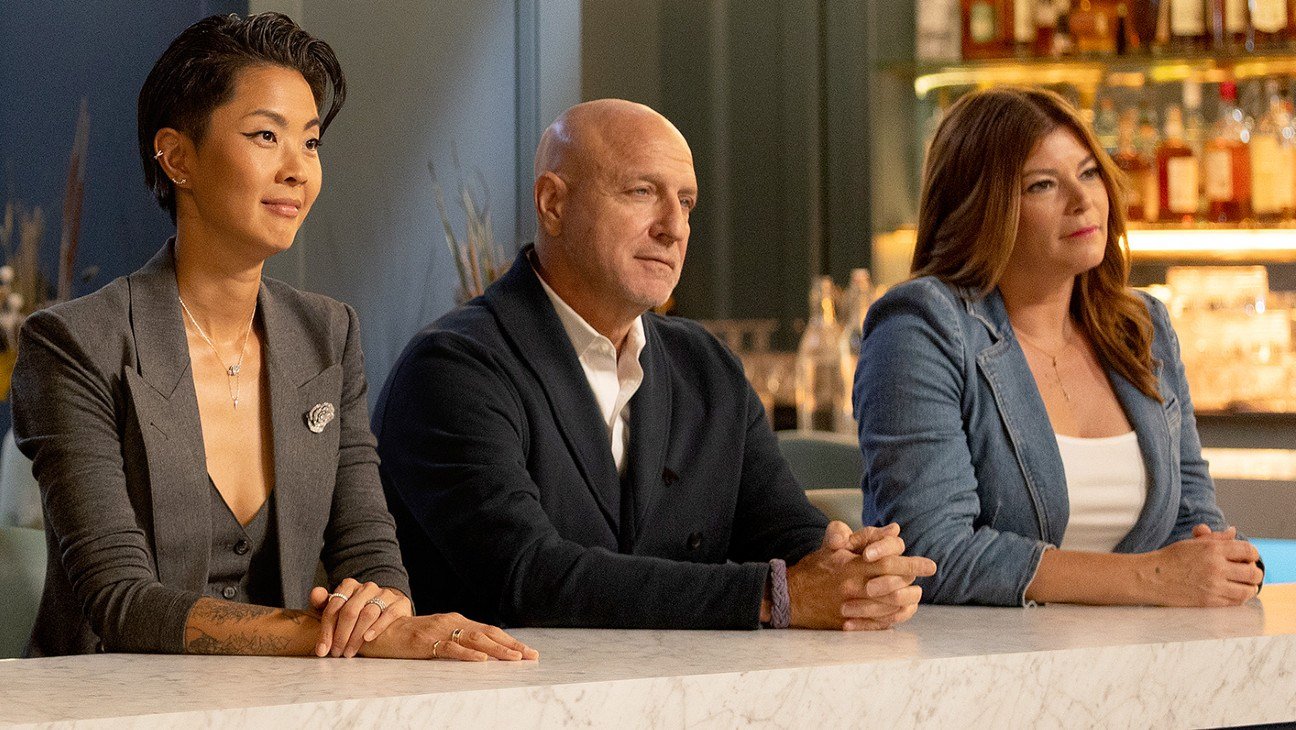
Top Chef, which has been nominated for 57 Emmys over its 23 seasons, last won in 2010, taking home the top prize of best reality competition program.
The long-running Bravo cooking-competition series is nominated in that category again this year as well as being up for best reality host (past Top Chef winner Kristen Kish in her third season as host), best casting and directing for a reality series.
But longtime judges Tom Colicchio and Gail Simmons think Top Chef deserves to win in part because it’s far “more complicated” than some of the other reality competition nominees.
“Our show is not done in a studio. It’s much easier to shoot a show in the studio. We shoot maybe one or two episodes when we stay in the studio. But we’re out on location. We’ve got to pick up and build a kitchen, move 150 people on a crew, trucks, and it’s hard to do,” Colicchio recently told The Hollywood Reporter. “Some of the other shows, you’re in a castle. You’re on a set. It’s good show, but still, it’s a set.”
Simmons echoes this as she talks about the challenges of making the “on location” series, which for its Emmy-nominated season 23, filmed in North Carolina and Greenville, South Carolina.
“It’s a more complicated show to shoot than a lot of other shows in the category, if I may say, and we’re on location in a different place every season,” she told THR ahead of season 23 winner Rhoda Magbitang’s dinner at the James Beard House in New York earlier this month, part of this season’s prize package. “This is not a studio show, and we’re dealing with perishables and knives and fire at all times. And I think sometimes that gets forgotten.”
Beyond that, Simmons recalls how this season in particular, which saw one contestant leave midway through for medical reasons after aggravating an injury, was particularly difficult.
“It wasn’t an easy season to shoot, not just for us but for our cast. There were casualties along the way, not just eliminations,” she said. “It was hard. It was hard for for a lot of reasons, but I think our producers do a really incredible job piecing the jigsaw puzzle together.”
Beyond that, though Colicchio and Simmons highlight the “human story” and “humanity” that came through this season, which also featured a memorable moment early on when the empathetic Kish comforted contestant Nana Araba who was visibly frustrated and emotional after not plating all of the elements of her dish.
The moment reflects part of what Kish brings to the show as she feels more comfortable showing more of herself. “I liken it to a muscle being exercised,” she said of her comfort level as host. “It’s not that I get stronger in one particular place. The thing that I get stronger in is feeling confident of being fully myself in all the different ways, because every season is different, every challenge is different, every batch of chefs brings a new kind of energy that I have to react to. It is reality television at its finest. It’s happening in real time. I don’t go and spit out a line and then I do the same thing over and over and over again. I react and I feel whatever is happening in the room at the time.”
Unlike some other reality competition shows, even ones that involve cooking, Top Chef often features strong levels of camaraderie among the competing chefs, who are facing off with different dishes but help each other with emotional support and feedback.
“I think [the culinary] industry’s changed a little bit. It’s a lot less cutthroat than it used to be,” Colicchio said of seeing this change. “But also I think that a lot of these chefs have watched Top Chef now or they grew up watching, and they think, ‘I’m not going to be that person. They don’t want to be that person, and I think they realize that you don’t have to be backstabbing to win this. It’s not like a lot of other reality shows. This is about food that you put on a plate. Backstabbing someone is not going to help you make your dish better. That’s what you have to focus on. Make your dish better. Forget what everybody else is doing. And it’s been the last five or six seasons where you get a real sense that they’re treating it like more like a kitchen because in a kitchen everybody works together. If you don’t work together, you’re going to have terrible service. And I think they all are realizing that it’s going to be a much better experience if they support each other than if they’re fighting each other. Ultimately, they want to win. I think they want to win on their own terms, making the best food.”
Indeed, Colicchio says that’s all it took for Magbitang to win the most recent season.
“We don’t judge on personality; we don’t judge on looks. We judge on food. Her food was consistently the best food,” he says of Magbitang. “At the end she came on really strong, put up some great dishes and her finale meal was the best meal.”
Simmons elaborated more on what made Magbitang stand out.
“She was always incredibly articulate about her food and how she came to be cooking the way she is, her story, her childhood, her family, and she always just had a great sort of confidence about her cooking style and her abilities, and I really appreciated that,” she said. “Her food? I think she has a knack for putting together beautiful flavors. They’re spicy and complex and interesting, and they rely on a lot of deep techniques, some of which I’m not even familiar with. I think the most successful chefs on our show, the winners certainly, really internalize the food that they grew up on, make it personal and then differentiate the way they cook it from anyone else who’s also trying to cook the same food.”
Both Simmons and Colicchio have been judging Top Chef for its entire 23-season run, and looking ahead they just want to keep going. For Colicchio, he sees the series as a valuable institution up there with prestigious culinary awards.
“[Top Chef has] become culturally really important to the culinary industry,” Colicchio told THR. “And so we want to keep it going because it’s that important. It’s as important as a [James] Beard Award or a Food & Wine best new chef award. You win Top Chef; that’s a big feather you’re putting in your cap. And you know what it does for the chefs; it gives them a real showcase. And what happens afterwards is makes it easier to raise money, especially the demographics that have always had a hard time raising money in the industry, and open your own restaurant, and that’s usually the goal: They want to open their own restaurant and do their thing. My goal is to just keep doing this for our industry. I think if we ever go away, that’s one less thing. It’s like the Beard Award. If all of a sudden they stop doing it, what am I shooting for now?”
Simmons had a broader approach to her goals with future seasons of the series. “I think what I want to keep doing, what Top Chef does so well, and I give that credit to our producers and to Bravo, is to evolve people’s perceptions of what good food is, and to evolve people’s perceptions of diversity and expand people’s ideas of travel and compassion, and also just highlight an industry where there’s a lot of people working really hard behind the scenes that most of us take for granted when we eat every day. There’s endless locations. There’s endless great young chefs in this world, and I want to see them all succeed.”
While Kish, Colicchio and Simmons are all returning for season 24, which Bravo announced at NBCUniversal’s May upfront, the location and production schedule for the upcoming season have yet to be announced.
The upcoming season will be filming later than usual, Simmons said. “Usually, we start shooting right around now, and this year we’re pushing it back a couple months, which is great,” she said. “It has nothing to do with us. It’s programming scheduling at the higher level, which means I get a full summer to myself, which is really nice for the first time. I will be at the first day of school for my kids for the first time in many years. But that’s about all I know. We know there will be a season 24 in 2027, and I can’t wait to make it.”
Kish seemed to know more but was sworn to secrecy but teased she was “so excited.” “All I can say is that it’s just it’s going to be incredible not only for us to to live through, but also I can’t wait for people to watch,” she said, adding that she thinks the delay will make sense when people find out the location.
And if producers need suggestions for where to go for future seasons, Simmons has a list.
“If I really have my druthers, I want to go to Tokyo. We’re not going to Tokyo. We’re going to stay domestic, I believe, but there’s a lot of great cities that we’ve never been to yet: Atlanta, Philadelphia. I think it’s high time we went back to Chicago. We were there season four, and that was like 18, 17 years ago. I’d love to go to Nashville. There’s so many places in the Midwest I’ve never been to that I know know how to create food. We’ve never really done the Southwest. We did Tucson. We’ve never done New Mexico. There’s just so many unique cultural locations across the U.S. that I think lend themselves to great storytelling and great food that we all could benefit from knowing more about.”
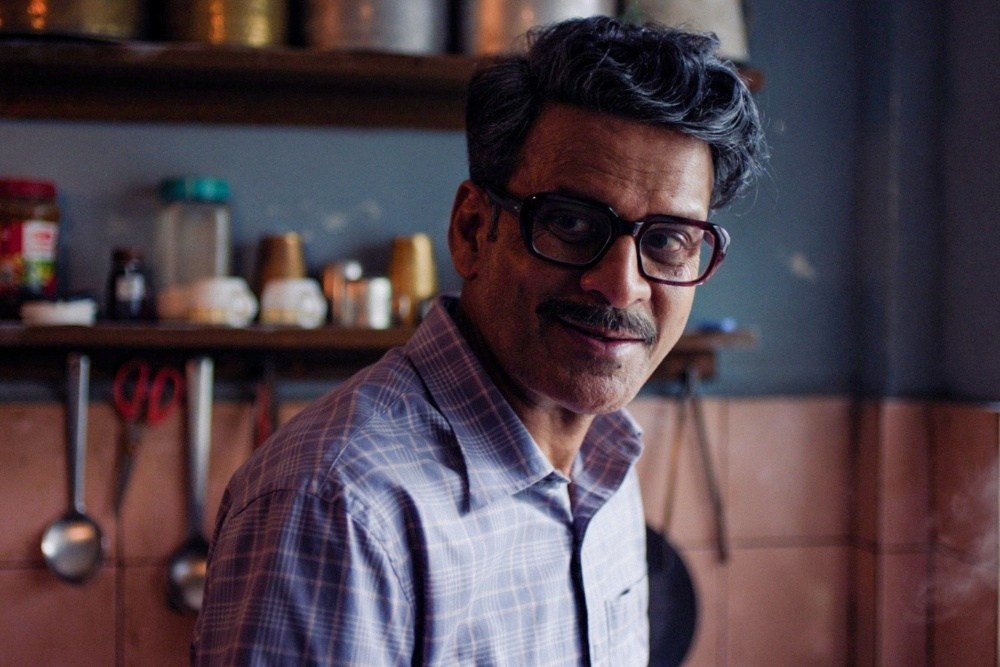
“Last Man in Tower,” the Aravind Adiga adaptation starring Manoj Bajpayee, is headed to Indian theaters this September and has unveiled its first teaser.
The film, directed by Ben Rekhi and produced by Rana Daggubati‘s Spirit Media, will mark the first time Bajpayee and co-star Boman Irani have shared the screen.
Adapted from Adiga’s novel of the same name – the author also wrote Booker-winning “The White Tiger” – the screenplay was written by Sooni Taraporevala, with Hindi-language dialogue by Juhi Chaturvedi. Divya Dutta completes the principal trio, with Sukant Goel also in the cast.
The story follows Masterji, a retired schoolteacher whose refusal to go along with those around him places him in direct conflict with his own community. His act of quiet resistance ripples outward, throwing into relief the choices and compromises of neighbors – including Mrs. Puri – as an offer of change tests what each of them is willing to hold on to.
Rekhi said: “It’s been a deeply fulfilling experience bringing ‘Last Man in Tower’ to life with an incredible team top to bottom, from Rana Daggubati producing, to Sooni Taraporevala scripting, all based on Aravind Adiga’s incredible book. The most rewarding part has been witnessing the power of Manoj and Boman – two giants of cinema – working together for the first time in this film. Divya brings an incredible depth and emotional strength to the ensemble, and the combination of these three actors makes the world of the film particularly special. ‘Last Man in Tower’ is an urgent story about holding onto community and family through turbulent times… a story that has only become more relevant with time.”
The release will also be a milestone for Spirit Media, the Hyderabad-based company “Baahubali” star Daggubati founded in 2005: it is the outfit’s first Hindi feature production.
Daggubati said: “‘Last Man in Tower’ is a deeply human story. What drew us to it was how naturally it finds something universal in the lives of a very specific group of people. There is something very compelling about the way it explores the choices we make and the things we hold on to. The entire ensemble of cast led by Manoj, Divya, and Boman bring an incredible depth to their characters. ‘Last Man in Tower’ also marks an important milestone for Spirit Media as our first Hindi feature production, and our continued effort towards creating space for fresh new stories and voices for the big-screen audience.”
Rekhi is a Los Angeles-based director whose credits include the SXSW Audience Award-winning “Waterborne” and “Watch List,” which earned 11 nominations at the Filipino Oscars and won two. His documentary short “The Breakthrough Group” was qualified for the 2026 Academy Awards in the best documentary short subject category. “Last Man in Tower” is his sixth feature.
Music is by Govind Vasantha; cinematography by Rangarajan Ramabadran. Additional producers are Guneet Dogra and Pratiksha Rao.
“Last Man in Tower” opens in Indian theaters on Sept. 11.
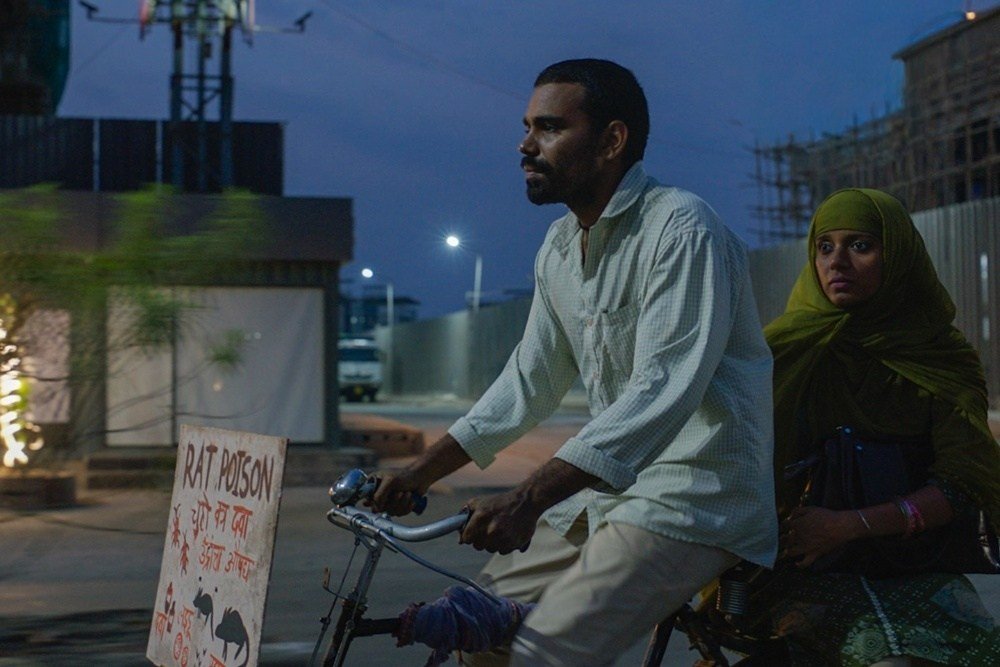
The film brings Roy back to the Lido one year after she became the first Indian filmmaker to win the Horizons best director prize, an honor she took for her debut feature, “Songs of Forgotten Trees.”
Set amid Mumbai’s restless nightlife, “Lovers in the Blue Night” centers on four migrants whose lives intertwine: a husband hiding his sexuality, his lonely wife who works in a bar, a petty criminal and a man who trades in sex work. Their paths converge through unlikely romance, hidden longing and a shared fight to survive and belong.
“We were deeply impressed by the film’s delicate and nuanced portrayal of human emotions,” said Parallax’s Liuying Cao. “Rather than relying on dramatic gestures, it finds remarkable strength in subtle moments, which stayed with us long after the screening. We are also very excited by Anuparna Roy’s distinct directorial voice. We sincerely hope to accompany her and her future works on their international journey, beginning with ‘Lovers in the Blue Night.’”
The production is backed by Vikas Kumar of Khan & Kumar Media, Sharib Khan of Ammi Media, Bibhanshu Rai and Romil Modi, who previously worked together on Roy’s “Songs of Forgotten Trees.” The team has since grown with the addition of U.S.-based Rhet Topham as producer, U.S.-based Beesham Sreecharan as executive producer and London-based Amar Singh as associate producer, joining executive producer Neeraj Churi.
The cast includes Neelima Sharma, Pritam Pilania, Bhushan Shimpi, Jatin Sarin, Kajal Keshav, Swetha Mishra and Vinod Suryavanshi. Roy also wrote the story. Debjit Samanta served as cinematographer, Ketul Thakkar edited the film and Nishant Ramtake composed the original score.
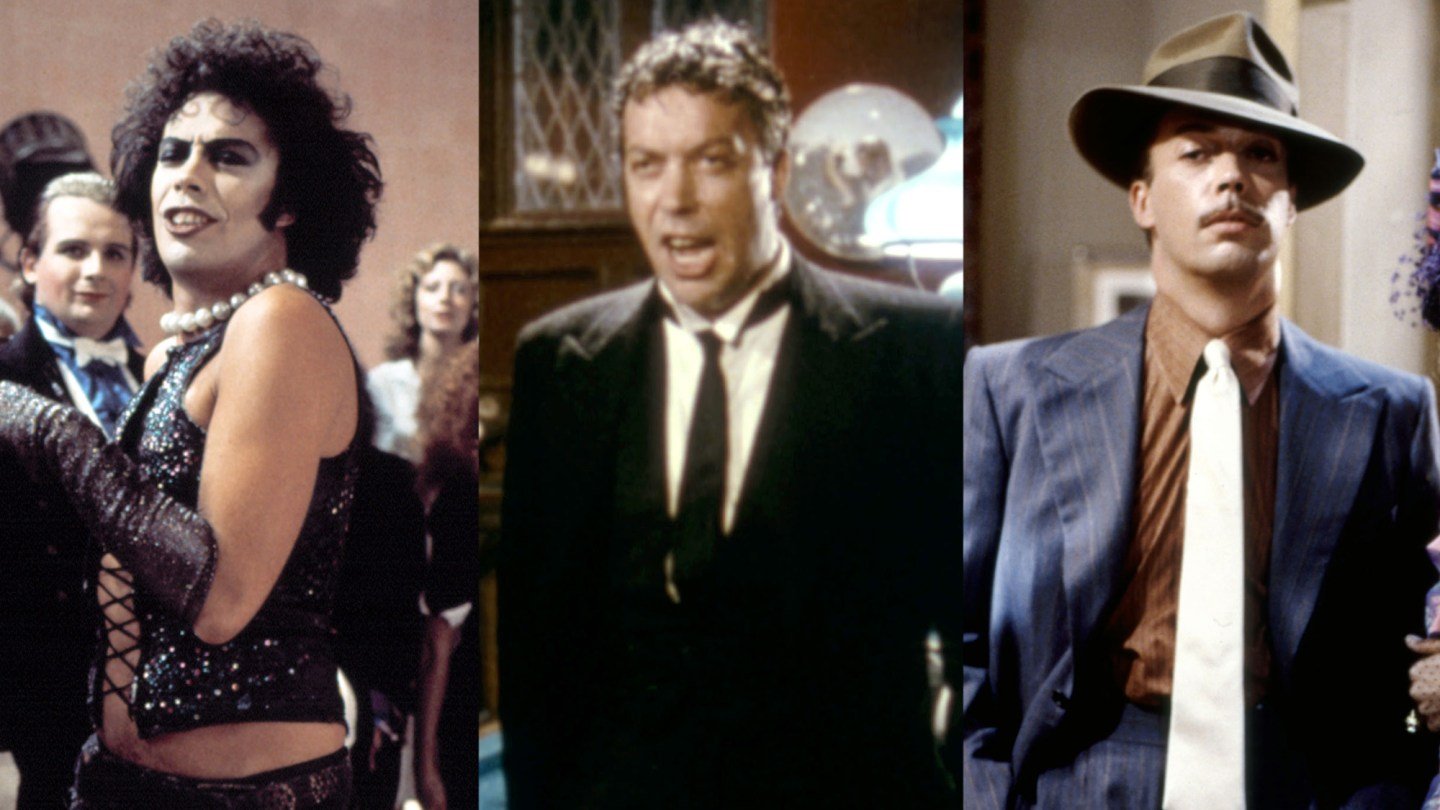
From ‘The Rocky Horror Picture Show’ to ‘Clue’ to ‘Annie,’ a list of great performances by the actor, who died Wednesday at age 80.
Tim Curry in (from left) ‘The Rocky Horror Picture Show,’ ‘Clue’ and ‘Annie.’
20th Century Fox Film Corp./Courtesy Everett Collection; Paramount/Courtesy Everett Collection; Columbia Pictures/Courtesy Everett Collection
The world is mourning Tim Curry.
The actor, who died Wednesday at age 80, was known for playing everything from eccentrics to villains in such films as It, The Rocky Horror Picture Show, Clue and Annie.
The Hollywood Reporter takes a look at some of his most memorable roles, below.
The Rocky Horror Picture Show (1975)
Image Credit: Movie Poster Image Art/Getty Images
Curry is probably most closely identified with the role of Dr. Frank-N-Furter, a transvestite from the planet Transsexual in the galaxy of Transylvania, in this musical-comedy-horror film. The movie was a flop when it was first released, with film critic Roger Ebert writing that the film was “ignored by pretty much everyone, including the future fanatics who would eventually count the hundreds of times they’d seen it.” Indeed, the film has become a cult classic, with showings every year, particularly around Halloween, where audience members sing along and bring items to throw around the theater at relevant moments in the story line. “It’s a chance for people to try on a few roles for size, maybe help them figure out their own sexuality,” Curry said of the film in a 2005 interview with NPR. “I’ve certainly had some very interesting and moving mail from people who’ve said, ‘Thanks for helping me figure out who I was,’ and that’s very nice.”
Amadeus (1981), My Favorite Year (1993), Monty Python’s Spamalot (2004)
Image Credit: Evan Agostini/Getty Images
Curry earned three Tony nominations throughout his career: for the role of Wolfgang Amadeus Mozart, a role he originated, in 1981’s Amadeus; for his portrayal of alcoholic actor Alan Swann in the musical My Favorite Year; and for playing King Arthur in the musical Monty Python’s Spamalot. He played the latter role for three years, including during its Chicago debut, New York and London.
Annie (1982)
Image Credit: Columbia Pictures/Courtesy Everett Collection
Curry played Rooster, the villainous brother to Miss Hannigan (Carol Burnett), in this musical film adaptation about an orphan looking for her parents. Curry, along with Burnett and Bernadette Peters, performs “Easy Street” in the film, before his character later chases Annie (Aileen Quinn) through the streets of New York amid his scheme to bilk Daddy Warbucks (Albert Finney) out of $50,000.
Based on the board game, this film found Curry in a physically comedic performance playing the butler, Wadworth, who investigates the murder of Mr. Boddy (Lee Ving). Eileen Brennan, Madeline Kahn, Christopher Lloyd, Michael McKean, Martin Mull and Lesley Ann Warren also starred.
It (1990)
Image Credit: Warner Bros./Courtesy Everett Collection
Curry took the role of Pennywise, an evil creature who takes the form of a clown, in this ABC adaptation of Stephen King’s horror novel. In his 2025 memoir, Vagabond, he revealed that he actually “loathes” clowns. He didn’t publicly speak about the project for years, which led to some misinterpretations, he wrote. “I haven’t had much to say about it publicly for many years, which many people misread as my carrying some sort of deep conflict about the role. That’s really not the case, but I didn’t revel in the role, either,” he clarified. “I have great respect for Stephen King and think it’s a strong adaptation, but it wasn’t exactly a Stoppard experience. Nor did I expect it to be.” Director Tommy Lee Wallace toldTHR in 2017 that Curry improvised quite a bit. “My job was to give Tim the stage and not get in his way too much,” Wallace said. “He was like Robin Williams in the way he brought a spontaneous improvisation to the part.” More than 37 million households tuned in to the two-part adaptation.
Home Alone 2: Lost in New York (1992)
Image Credit: 20th Century Fox Film Corp./Courtesy Everett Collection
In this hit sequel to the blockbuster original, Curry plays a nosy concierge who works at the Plaza Hotel, where young Kevin McCallister (Macaulay Culkin) is staying after he ends up alone in New York. Curry brought comedy to his role, particularly in a scene where Kevin uses an audio recording to scare off the hotel staff. Curry and his co-workers are forced to get on their knees and enthusiastically declare their love before Kevin plays a clip with gunfire, forcing the staff to duck for cover. The movie set a November opening weekend record at the time of $31.1 million, going on to earn more than $359 million globally.
Tales From the Crypt (1994)
Curry played all three members of a murderous family — Ma, Pa, and Winona Brackett — in a episode of this anthology series titled “Death of Some Salesman,” which also featured Ed Begley Jr. He earned a Primetime Emmy nom for guest actor in a drama series for his performance(s).
Legend (1985)
Image Credit: Courtesy Everett Collection
Curry played the Lord of Darkness in this fantasy-adventure directed by Ridley Scott and starring Tom Cruise. Darkness is on a mission to bring on an eternal night, and it’s up to Jack (Cruise) to stop him. Curry reportedly had to sit in the makeup chair for five-and-a-half hours as his entire body had to be covered. While the film failed to light up — pun intended — the box office, it did earn technical awards and noms from various groups, including an Oscar nom for best makeup, and has become something of a cult classic.
Muppet Treasure Island (1996)
Image Credit: Buena Vista Pictures/Courtesy Everett Collection
Curry played Long John Silver in this movie, which saw his character embark on an (ill-fated) romance with Benjamina “Mina” Gunn (played by Miss Piggy, who was played by Frank Oz). Curry has said this film marked one of his favorite acting experiences. “I would love to work with the Muppets again,” he toldThe Guardian last year. “The great thing is that the Muppeteers themselves, if they have their puppet on their hand, they only talk to you as the character. I love that.” He also revealed that he improvised a line that got cut, presumably because it was too racy for the target moviegoing demo. “I ad-libbed a line, because me and Piggy were supposed to have had some kind of affair long ago,” he said. The line? “Well, I’ll tell you, Jim, once you’ve had pork, you never go back!”
A Series of Unfortunate Events: The Bad Beginning (2005)
Curry earned a Grammy Award nomination for best spoken word album for children for his performance on the audiobook of Lemony Snicket’s A Series of Unfortunate Events: The Bad Beginning.
Star Wars: The Clone Wars (2012-14)
Curry also had a successful career as a voice-over artist. Among the projects he voiced roles in were Ribbit, Randy Cunningham: 9th Grade Ninja, Ben 10: Omniverse, Transformers: Rescue Bots Over the Garden Wall, Wonder Pets! and so many more. However, to fans of Star Wars, he’ll be remembered as the voice of Chancellor Palpatine/Darth Sidious in Seasons 5 and 6 of the animated series. He took over the role following the death of original voice actor Ian Abercrombie. The role earned him one of his four noms for Behind the Voice Actors Awards (he won for Randy Cunningham).
THR Newsletters
Sign up for THR news straight to your inbox every day
Hansen has purchased preshow advertising on every screen showing the upcoming A24 release, The Hollywood Reporter has learned. In the spot, he directs audiences to TruBlu, his streaming network devoted to the same kind of predator investigations that made him famous.
The film, a dark exploration of Hansen’s specialty of luring suspected sex predators into nondescript suburban kitchens before confronting them on camera, opens Sept. 25 following its world premiere Sept. 5 at the Venice International Film Festival.
Hansen has said on podcasts and on Jesse Watters’ Fox News program that he declined an invitation to see the film because he was required to sign an agreement barring him from taking legal action against A24.
Sources close to Hansen tell THR that he is now consulting attorneys about his options following the film’s release.
In the meantime, Hansen is capitalizing on the renewed attention by placing the ad before every theatrical showing of Primetime. In the spot, shared exclusively with THR, Hansen enters his familiar hunting ground, a kitchen, and delivers a variation on his dread-inducing catchphrase.
“I’m going to need everyone in the theater to take a seat right over there,” he says.
“Now there are more platforms than ever before where this disturbing crime is being committed,” Hansen continues. “Join us undercover every day on my streaming network, TruBlu.”
A QR code directs moviegoers to a landing page for the network, which offers a steady stream of predator investigations and other true-crime programming.
Hansen wanted to end the commercial by reminding audiences that what they were about to see in Primetime was “a Hollywood fantasy version” of what actually happened, according to sources. But there were concerns about possible blowback from A24, and the line was removed.
Directed by Lance Oppenheim, Primetime is based on Luke Dittrich’s 2007 Esquire article “Tonight on Dateline, This Man Will Die.” The article examines the suicide of Bill Conradt, a Texas district attorney who became a target of one of Hansen’s televised sting operations after allegedly attempting to solicit sex from a minor.
Pedro Pina, YouTube’s vice president for Europe, Middle East and Africa, used this year’s James MacTaggart Memorial Lecture at the Edinburgh TV Festival to challenge the narrative that the platform is a villain in British television’s decline. Instead, he argued that it is increasingly feeding the sector with talent, audiences and revenue — and backed that pitch with a fresh £3 million ($4 million) commitment to the U.K. industry.
The speech comes at a crucial moment for YouTube in Europe, as the European Commission reviews the rules governing the audiovisual sector and considers how to create a more level playing field between traditional media groups and newer digital serices. The process has put renewed focus on whether platforms such as YouTube should face more of the obligations imposed on broadcasters and streaming services, including requirements around investment in European content.
Netflix has been among those pressing the case that YouTube should no longer be treated as a different business. Co-CEO Ted Sarandos argued in Brussels earlier this year that YouTube had become a “straightforward competitor” to streaming services.
Against that backdrop, Pina’s speech asserted the platform should be regarded as a partner to television, rather than a tech giant extracting audiences and value from it.
Pina described the prevailing account of the industry’s predicament as a “well-scripted tragedy,” with British television as the fallen hero and online platforms as the obvious antagonist. “It’s a powerful story. An emotive story,” Pina said. “The trouble is that it is not true.”
The $4 million will be invested over the next three years in supporting new entrants and re-skilling mid-career professionals. YouTube will also expand its partnership with the National Film and Television School, with capacity on its sponsored Creator Incubator set to increase tenfold.
The executive, who was born in Portugal but said he was raised on British television, drew a parallel with the invention of photography and how it disrupted the world of painting, ultimately benefiting it. “Far from destroying visual art, photography helped it mature as a medium,” he said.
He suggested that YouTube and traditional television are now experiencing something similar, and urged producers and broadcasters to just “focus on the things TV does best.”
Pina also said Britain may be on the cusp of a third golden age of television, and argued YouTube is one of the key driving forces behind this upward trend, pointing to a wealth of creative talent and rising audience demand.
Pina framed both previous television “golden ages” as products of disruption rather than stability. The emergence of television forced Hollywood to adapt in the 1950s, while the proliferation of cable and satellite channels in the ’80s and ’90s prompted fears that fragmentation would undermine quality.
“In reality, more competition meant more appetite for risk, and more space for new voices,” he said, citing “The Sopranos,” “The Wire” and “Breaking Bad.”
YouTube talent have also been poached by TV producers who see that the platform is “effectively a database of up-and-coming talent.” He cited Nella Rose and Amelia Dimoldenberg becoming primetime TV fixtures, George Clarke appearing on “Strictly Come Dancing“ and Angry Ginge winning “I’m a Celebrity,“ alongside filmmakers who began their careers on YouTube.
He said 75% of U.K. creators who say they have a career in media and entertainment began that career on YouTube.
Pina also said YouTube supports more than 45,000 full-time-equivalent jobs in the U.K., and contributes more than £2.2 billion ($2.9 billion) to the U.K. GDP.
While the platform has been called out for not commissioning content, Pina pointed the benefits of its revenue-sharing model. “YouTube shares, video-by-video, more than half of advertising revenue with creators,” he said.
He also cited collaborations with broadcasters, such as the BBC, whose “Gavin & Stacey” clip has accumulated millions of views across BBC Studios, BBC and BritBox YouTube channels.
As YouTube faces heightened scrutiny in Brussels, the lecture also had some lobbying purposes. Pina attacked proposals for “forced prominence” for public-service media on platforms such as YouTube, warning that such measures could disadvantage independent creators and production companies. He said audiences already move between broadcast, streaming and online video organically.
For Pina, the greater danger is an industry becoming too defensive to adapt. “A story is unfolding before our eyes. It is not a tragedy,” he said. “YouTube is not the villain… This next chapter of British television will not be a tragedy. It will be an epic.”
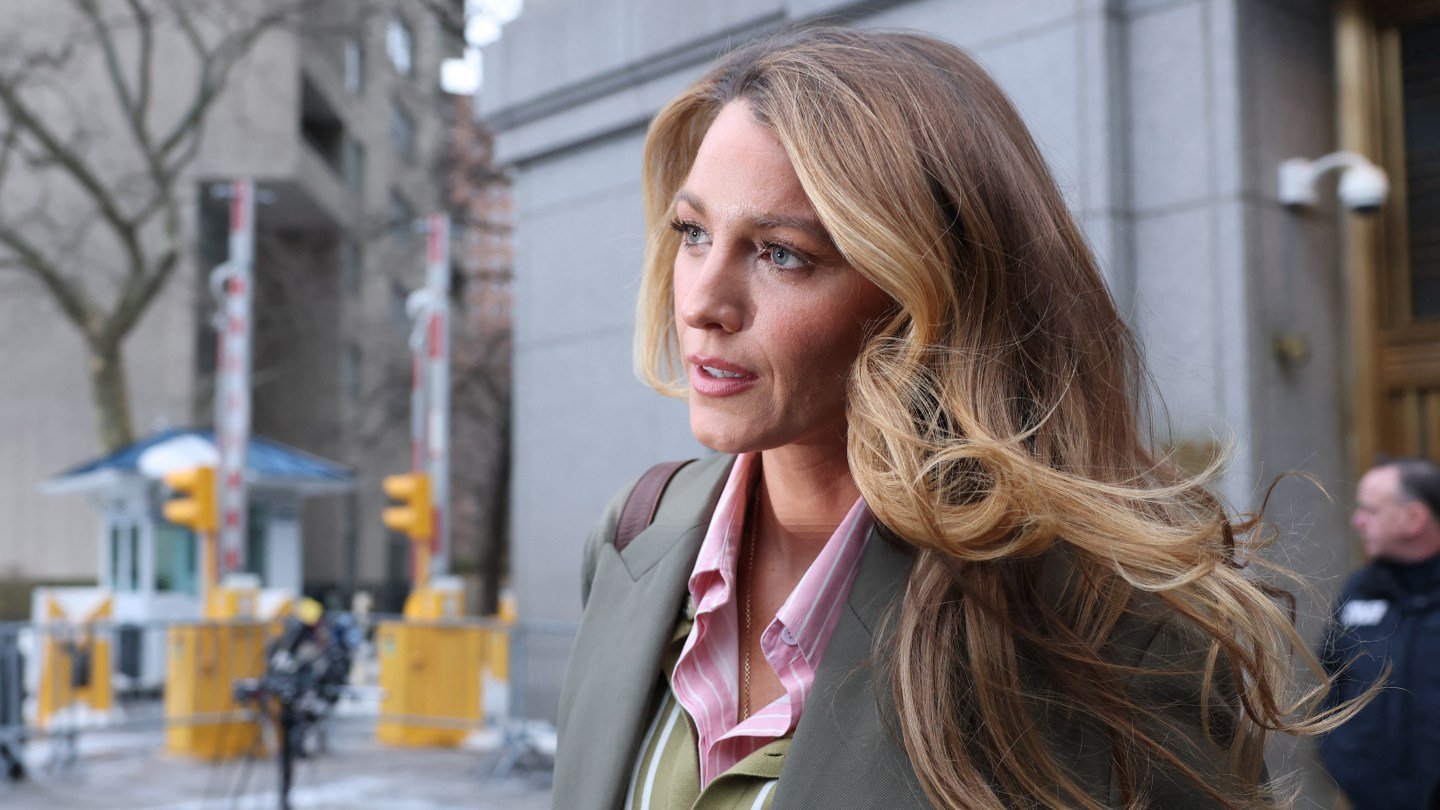
Blake Lively will receive about $400,000 in legal fees after the settlement of her legal battles with her This Is Us co-star Justin Baldoni.
This is well below the $8 million Lively sought to make up for her attorneys fees as she fought against the defamation lawsuit filed by Baldoni as part of their larger legal tussle. However, in the ruling Wednesday, U.S. District Judge Lewis J. Liman, wrote that he agreed with Baldoni and Wayfarer Studios, who said that Lively was “entitled only to the reasonable fees and costs necessary to defend against the defamation claim,” rather than her larger claim amount. This amounted to $363,000 in attorneys’ fees and $44,000 in court costs.
Lively had been seeking just over $8 million, which included $7.5 million in attorneys’ fees and another $540,000 in court costs. She sought compensation under a California law designed to protect survivors of sexual harassment and discrimination from retaliatory lawsuits.
While Liman found that the counsel’s rates were not unreasonable, in what he called a case with “complex legal issues,” he found that “the number of hours for which Lively seeks reimbursement is unreasonable.”
Additionally, he denied other requests for reimbursement, including on media relations.
“Media relations were not integral to defending the defamation claim brought against Lively,” the ruling states. “Accordingly, time spent on media relations and press coverage is not compensable.”
This was Lively’s last chance at monetary compensation (unless she decides to file another suit) after she and Baldoni settled their 18-month legal war in May, just ahead of a federal trial that was scheduled for later that month.
The legal battle began after Lively filed a legal complaint in December 2024, alleging that Baldoni and Wayfarer Studios had launched an online smear campaign against her after she spoke up about sexual harassment on the set of It Ends With Us.
In turn, Baldoni and Wayfarer Studios filed a defamation suit, which claimed Lively and her husband, Ryan Reynolds, had planted false claims in order to take over creative control the film. He also sued The New York Times for writing a story after Lively’s complaint. Both those suits were dismissed, as were several of the claims in Lively’s suit, ahead of the ultimate settlement.
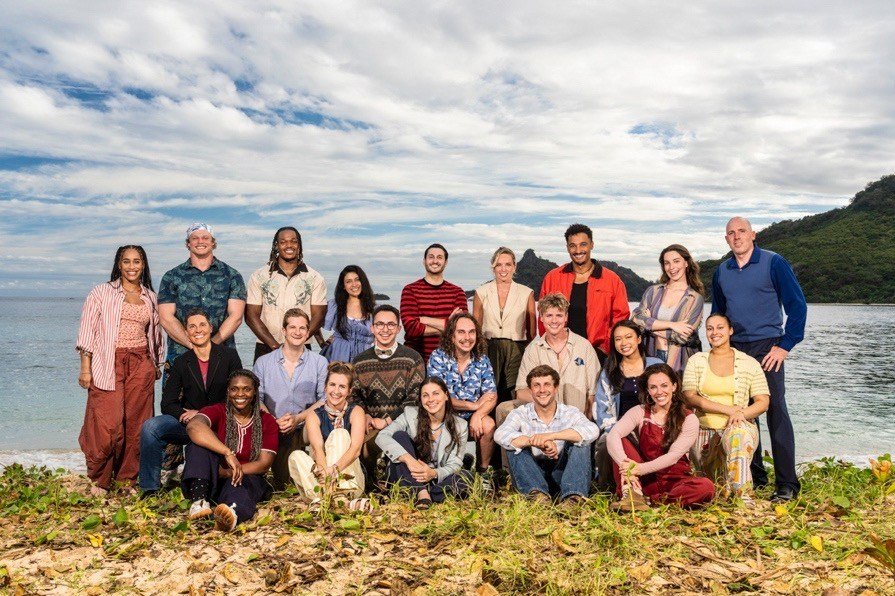
After its landmark 50th season, explored at length in a Variety cover story, “Survivor” is back for another round.
CBS kicked off a new phase of the popular competition series, titled “The Open Era,” with a livestream on Wednesday announcing 21 all-new castaways. They range in age from 24 to 49 and come from all over the U.S., plus Canada and even Ireland.
Among them are Devin Way, an actor whose credits include “Grey’s Anatomy” and “Queer as Folk”; Ana Sani, a voice actress who plays Strawberry Shortcake and also had an on-screen role in “The Boys”; former WWE star Brady Booker; and Yankees executive Mike Pinsky. The cast also includes a chef, a farmer, a medical student and more.