Category: Entertainment

  • Dolly Parton Estate Sets Two-Day DollyFests for Nashville and London in 2027, Says These ‘Parties of a Lifetime’ Will Take the Place of a Public Memorial

    Dolly Parton Estate Sets Two-Day DollyFests for Nashville and London in 2027, Says These ‘Parties of a Lifetime’ Will Take the Place of a Public Memorial

    The Dolly Parton estate has announced the first large public programs honoring the life and music of the late superstar, with events titled “DollyFest: The Celebration of a Lifetime” set to take place in Nashville and London on successive weekends in 2027.

    Dates have not yet been announced for the two-day festivals. The estate said that a DollyFest had already been planned for Nashville in January 2027, with the artist’s participation, and now will go on in her memory, with the addition of a separate London event.

    This may be the closest that Parton fans get to a public memorial, as Danny Nozell, her longtime business partner and founder/CEO of CTK Enterprises, noted in a statement that “as far as a traditional memorial goes, that is not something Dolly wanted.”

    An announcement for the festivals says that “what was originally planned as a multi-artist event for January 2026 in Nashville and intended to feature Parton as performer and host will now morph into a global double-day, double-weekend, double-continent party of a lifetime.”

    Nozell said that the original plan had been to hold an event on her birthday this past Jan. 19. “What Dolly started, we will ensure is brought to life. Many people behind the scenes know that DollyFest is a dream of Dolly’s that was intended to take place on her 80th birthday in Nashville. We had the venue booked and we had the announcement ready to go. And then, in August 2025, Dolly had to take a step back after her initial health challenges. A lot of people always say, WWDD (What Would Dolly Do?), and, well, at this moment, DollyFest is WDWD (What Dolly Would Do!).” 

    Nozell suggested that the estate will not stand in the way of the many Parton tributes and memorials that are inevitable for this fall, but that this represents the estate’s official commemoration of her life, believing that she would want to be remembered via a festival more than any more solemn public occasion.

    “We are not discouraging people from celebrating Dolly in the ways they choose,” he said. “However, as far as a traditional memorial goes, that is not something Dolly wanted. So, instead, it feels more appropriate for us to take a beat, let all the tributes that immediately make sense occur naturally, and then, see through this festival-style concept that was truly dreamed up by Dolly. This is something that is authentic to her, something that feels right to me, and something that artists and fans around the world can participate in, while also giving everyone time to grieve, and giving everyone time to plan.” 

    Details about the two festivals will be forthcoming soon, the estate said.

  • John Galliano Bows Out of Met Gala Amid Backlash

    John Galliano Bows Out of Met Gala Amid Backlash

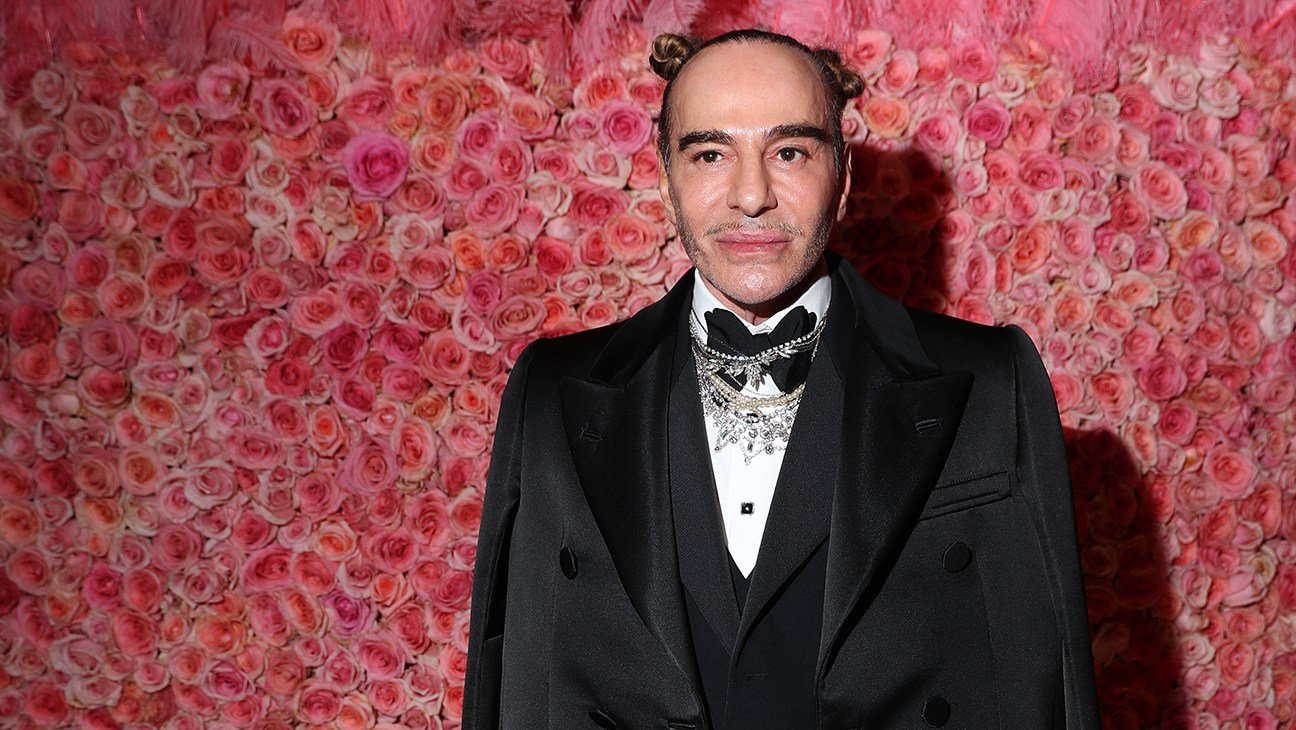
    John Galliano has bowed out of the Met Gala where he was set to be honored, after a backlash over past remarks by the veteran designer, including an antisemitic rant.  

    “After much reflection and discussion with all those involved, I have decided, with great sadness, that it is best for the exhibition not to take place at this time,” Galliano said Monday in an Instagram post. The exhibit that has been set to kick off May 3 with the Met Gala was to be overseen by Anna Wintour, Vogue’s global editorial director who also serves as a Met trustee. But a backlash over plans to honor Galliano, who is credited with growing luxury-fashion brand Dior into a global giant, left Met Gala organizers in damage control.

    “I do not want the debate surrounding me to place the Met in a difficult position or to distract from the remarkable work of the Costume Institute. I also recognize and respect that the exhibition honoring my work would be painful for some,” Galliano added in his statement.

    Galliano was fired by Christian Dior in 2011 after video footage surfaced showing the designer, who was inebriated, making antisemitic remarks in a Paris bar, La Perle. French laws at the time made it a crime to incite racial hatred. The chief Dior designer was arrested for allegedly assaulting two people with antisemitic and racist outbursts that included comments like “I love Hitler,” “people like you would be dead” and “your mothers, your forefather” would all be “gassed.” His racist remarks were also said to include “fucking ugly Jewish bitch” and “fucking Asian bastard”.

    After the incident, Galliano retreated from public life for two years and was found guilty by a Paris court of a hate crime for public insults based on religion, race and ethnicity for two incidents in Feb. 2011 and another in Oct. 2010 when a woman claimed he made similar racist outbursts in the same bar near to where he lived. Galliano received a suspended fine of $8400 and was forced to pay damages and court fees. Galliano met with Jewish leaders and rabbis following the scandal and received blessings from groups like the Anti-Defamation League.

    In July, the Metropolitan Museum of Art first announced that Galliano’s work would be spotlighted in the Met’s Costume Institute. This exhibition serves as the centerpiece for the annual Met Gala, an event attended by the most elite of the A-list, with one of the most coveted invites.

    Galliano’s withdrawal from the planned Met Gala spotlight was preceded on Sunday by a New York Times story that pointed to critics, including donors, politicians and Jewish leaders having taken aim at the Metropolitan Museum for championing a fashion industry giant after he had been convicted for a hate crime in 2011.

    The tribute to Galliano would have made him the third living designer to receive a solo exhibition at the Met, following Yves Saint Laurent in 1983 and Rei Kawakubo in 2017.

    The statement from John Galliano follows in full:

    I am profoundly grateful to The Metropolitan Museum of Art, and particularly to Max Hollein, Andrew Bolton and Anna Wintour, for the extraordinary honor of proposing an exhibition devoted to my work. To have my creative journey considered by an institution that I have admired throughout my life moved me more deeply that I can express. I will remain forever grateful for the confidence, care and scholarship that Max, Andrew, Anna and the entire Met team brought to this project.

    After much reflection and discussion with all those involved, I have decided, with great sadness, that it is best for the exhibition not to take place at this time. I remain fully accountable for the pain caused by my words in the past, particularly the hurt I caused to the Jewish and Asian communities, and I remain deeply sorry. I understand that meaningful atonement is not achieved through an exhibition, institutional recognition or a single public gesture. It is a continuing responsibility, demonstrated through listening, learning and one’s conduct over time.

    I do not want the debate surrounding me to place the Met in a difficult position or to distract from the remarkable work of the Costume Institute. I also recognize and respect that the exhibition honoring my work would be painful for some. I would also like to express my deepest gratitude to all those who have guided, supported and accompanied me throughout those fifteen years of sobriety and recovery from alcoholism and addiction. Your wisdom, patience and humanity have helped me more than I can ever adequately express. I remain profoundly indebted to you for giving me, as you promised, a life better than I could ever have dreamt of.

    My gratitude to the Met, Max, Andrew and Anna remains profound and enduring. Their generosity, humanity and belief in the importance of fashion as art, culture and history – as well as their understanding of human fragility and the possibility of growth – will remain with me always.

    John Galliano

  • Zack Snyder’s ‘The Last Photograph’ to World Premiere at Toronto Film Festival

    Zack Snyder’s ‘The Last Photograph’ to World Premiere at Toronto Film Festival

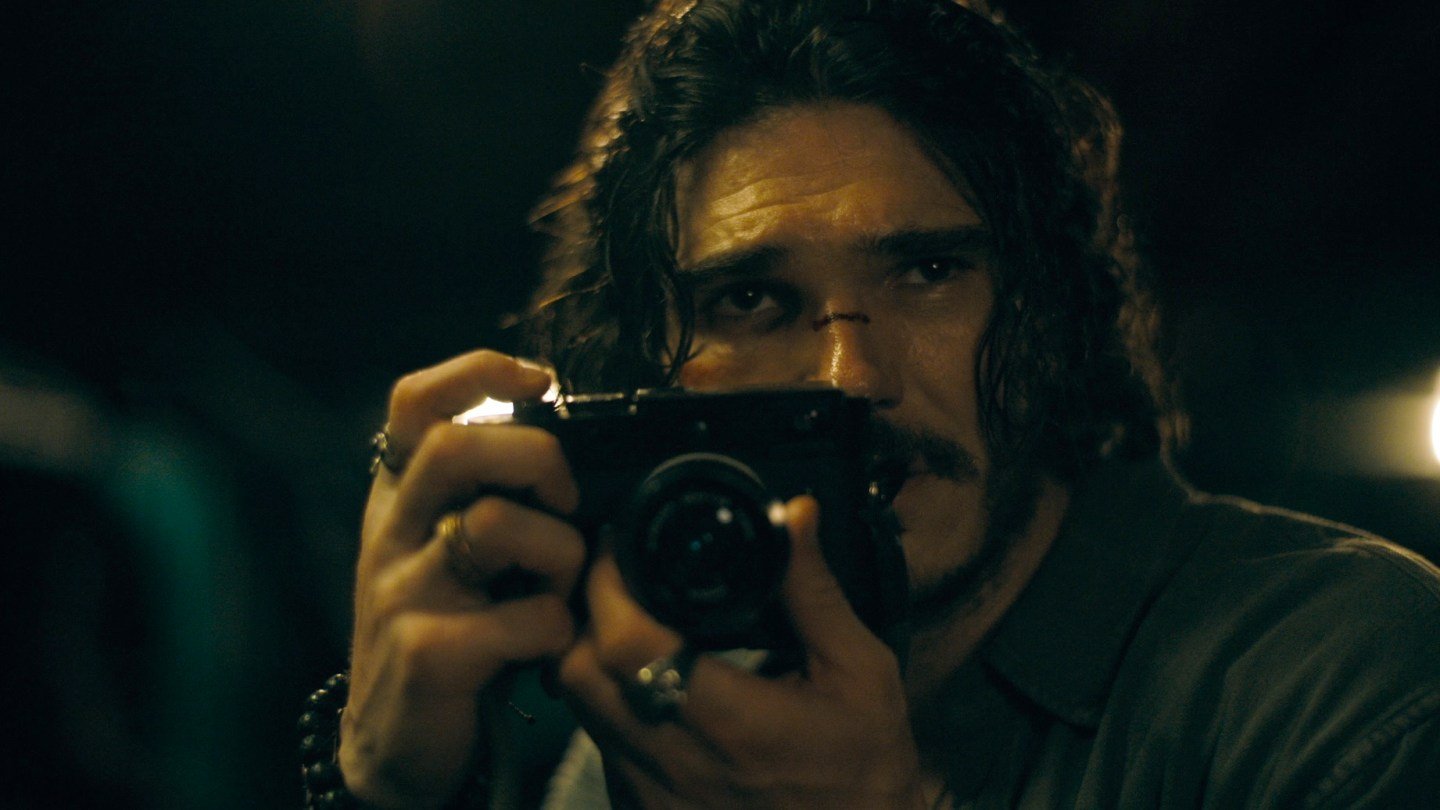
    Zack Snyder s going from the epic world of DC superheroes to the Toronto Film Festival with a special event screening for his passion project The Last Photograph.

    His jungle-set indie will have a first look at TIFF as an acquisition title as no studio and streamer has yet nabbed the rights to the title. The Last Photograph will debut before fest-goers and possibly buyers on Sunday, Sept. 12, in the John Bassett Theater, a theater in the Metro Toronto Convention Centre, the Front Street venue for the festival’s inaugural official content market.

    The long-in-the-works picture from Snyder sidesteps the zombies, superheroes and starships that made him one of Hollywood’s biggest filmmakers. Starring Stuart Martin and Fra Free, The Last Photograph follows an ex-DEA agent seeking revenge in a South American jungle where dangerous terrain and inner demons combine for drama.

    A 2025 synopsis from the producers issued as production got underway described Snyder’s film as: “An ex-DEA operative must return to the mountains of South America in an effort to find his missing niece and nephew, following the brutal murders of their diplomat parents. Enlisting the help of a washed-up junkie war photographer, the only person to have seen the face of the killers, he sets out, determined to find the children and the truth, but soon learns he must also face the ghosts of his past. Their journey into the unknown takes them further and further away from civilization, bringing into question everything they believe, while slowly eroding the distinction between real and surreal.”

    Both Martin and Free starred in Snyder’s Rebel Moon movies. Snyder originated The Last Photograph based on his own story and had been developing the war drama since the mid-2000s, after the success of 300.

    In the early 2010s, Christian Bale and Sean Penn were attached to star in the long-in-development project, before Snyder took a detour into his DC movies. Longtime colleague Kurt Johnstad and Snyder wrote the script for The Last Photograph after their work together on 300 and Rebel Moon.

  • Randy Quaid Slams Tom Cruise Over Anne Hathaway ‘Days of Thunder 2’ Role: “Anne Isn’t Sexy”

    Randy Quaid Slams Tom Cruise Over Anne Hathaway ‘Days of Thunder 2’ Role: “Anne Isn’t Sexy”

    There are hot takes, bad takes… and then there is this.

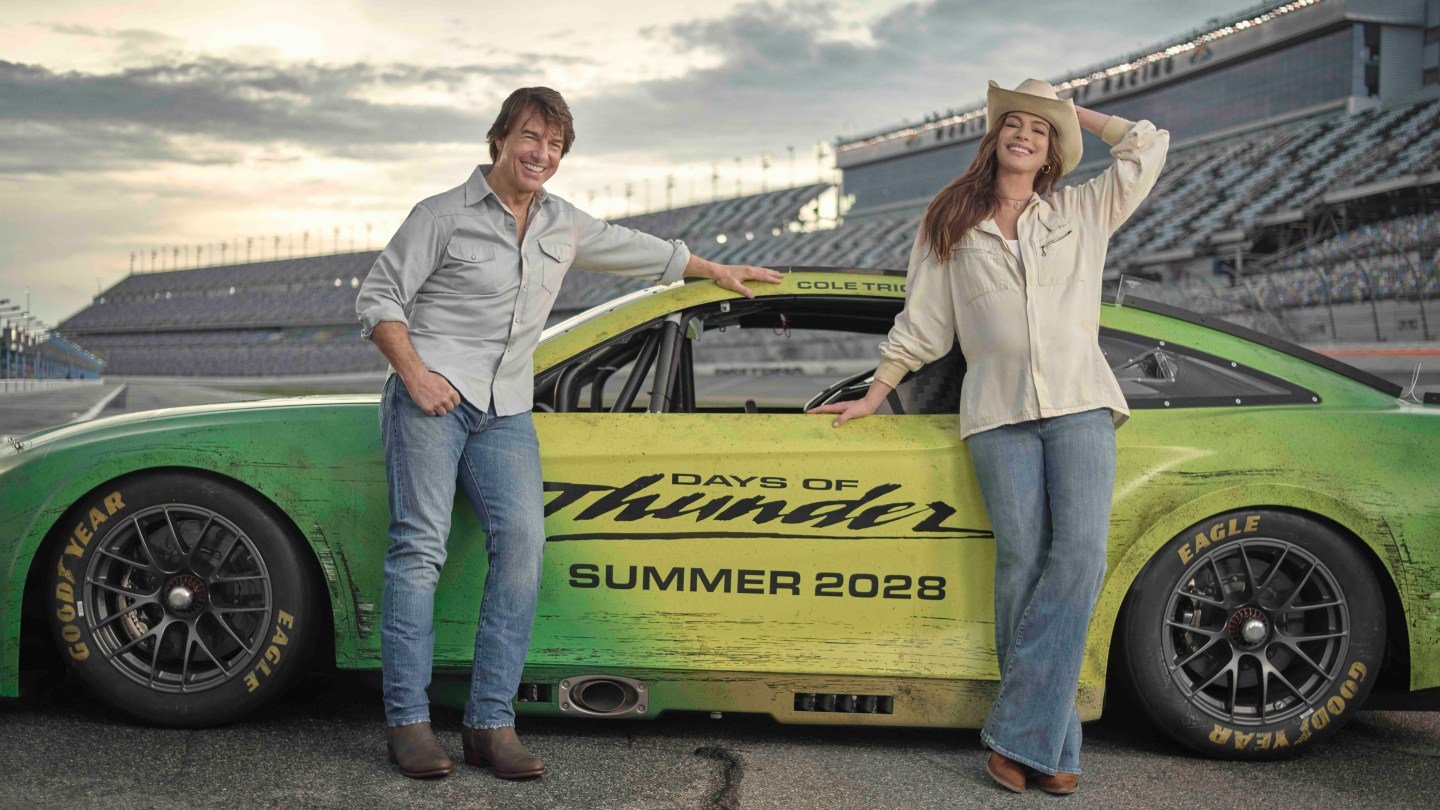
    On the heels of Tom Cruise announcing a Days of Thunder sequel — which will return Cruise as NASCAR driver Cole Trickle — Cruise’s former co-star Randy Quaid crudely blasted the action movie icon for picking Oscar winner Anne Hathaway as his co-lead.

    In the 1990 original, Quaid played a race team owner who recruits Cole into NASCAR, while Nicole Kidman played a neurosurgeon who becomes Cole’s love interest. In the upcoming Paramount movie, Hathaway will play a team owner and engineer.

    “We need Nicole back,” wrote Quaid on X. “Don’t be a pussy, @TomCruise. You need the original girl. It’s not personal; it’s filmmaking. Anne isn’t sexy, because and if you haven’t noticed, she’s pregnant.”

    The actor — who has 1.2 million followers and whose feed is full of MAGA-related content — continued: “If I were in control of production, a real sequel worth watching for DAYS OF THUNDER would be seeing Tom and Nicole together on screen again. We don’t need a new girl; we need a new race car! … Anne Hathaway is a leftist, woke, horrible choice for DAYS OF THUNDER NASCAR audience who are MAGA. The sexy older chick for Tom in this film needs to be Nicole. That’s the casting that would sell the idea. It’s interesting because when we made the first one there was also a rush to get it out; editors slept in the cutting room on shifts. This is a weird thing, like they want it to come out and tank.”

    Several of Quaid’s followers defended Hathaway, while another noted, “I find it more than a bit performative that you simultaneously argue conservatives in Hollywood should not lose out on work because of their politics but those on the Left should.”

    Hathaway is fresh off two blockbusters with The Devil Wears Prada 2 and The Odyssey. She next stars in the title role in Verity, based on Colleen Hoover’s bestselling novel.

    Quaid’s comments came after the actor posting a video suggesting that he would be a part of the sequel. In the video, he’s driving a car and declared, “Tom Cruise just called me! We’re making Days of Thunder 2!”

    Paramount had no immediate comment.

    Jonathan Levine will direct the new Thunder, with Will Staples writing the screenplay. Cruise, Jerry Bruckheimer and Tommy Harper are producing. The sequel will be filmed for Imax and released June 2, 2028.

    Below are Cruise and Hathaway announcing the film and Quaid’s video.

  • In ‘Love Is the Monster,’ Paulina García Is a Granny Facing Impossible Choices (Exclusive TIFF Trailer)

    In ‘Love Is the Monster,’ Paulina García Is a Granny Facing Impossible Choices (Exclusive TIFF Trailer)

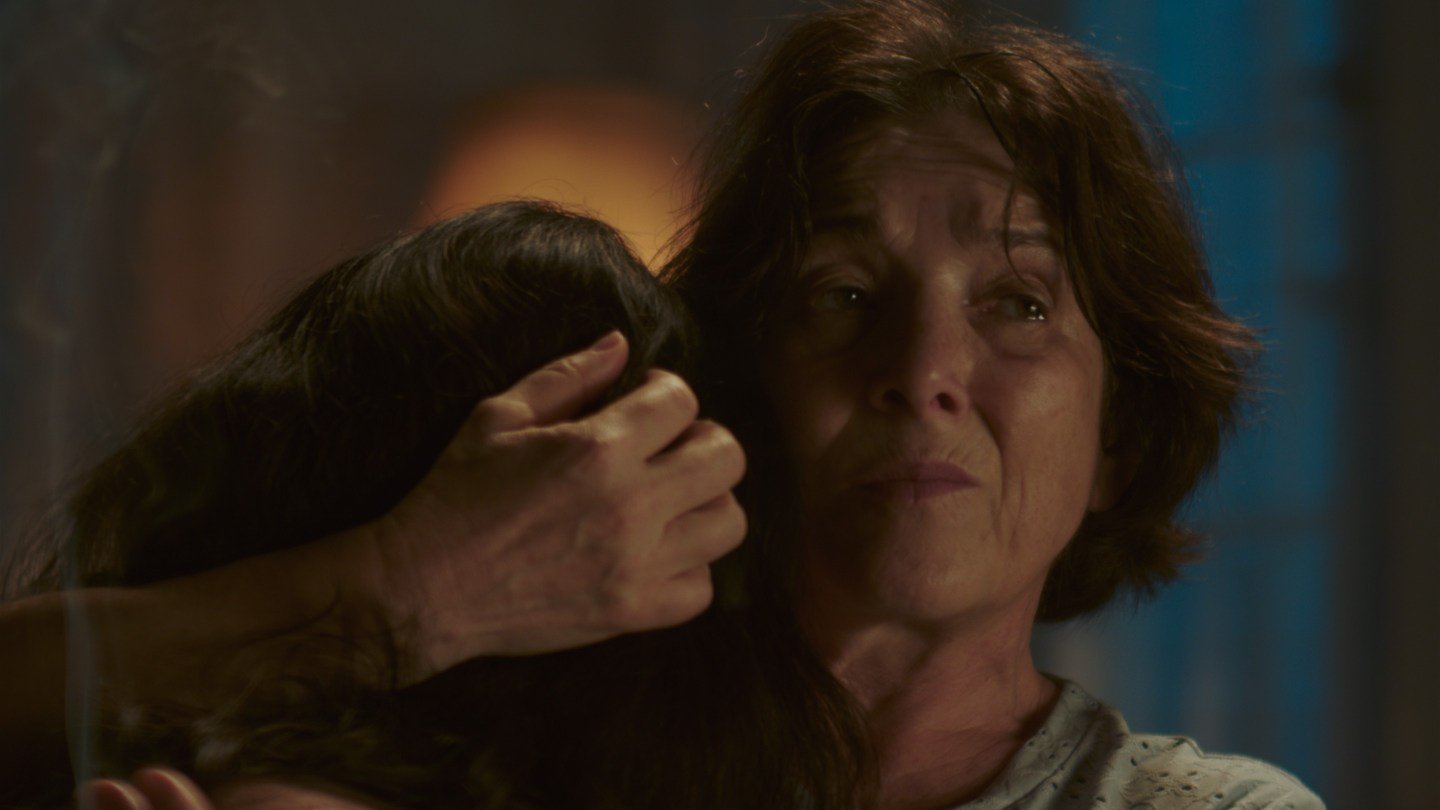
    Love Is the Monster (Amor es el Monstruo). Costa Rican writer-director Neto Villalobos Brenes (All About the Feathers, Helmet Heads) has picked a title for his latest film that will make you sit up straight, deal with questions swirling through your head, or both. The chilling dystopian thriller, starring Paulina García (Gloria) and teeming with fear and inequality, will world premiere in the Toronto International Film Festival’s (TIFF) Centerpiece strand on Sept. 15. 

    Filmed in Costa Rica’s South Pacific region, Love Is a Monster features Chilean star García as a grandmother determined to make the most of the time she has left with her six-year-old granddaughter. After her daughter cuts off all contact, she has to earn her trust back, only for tragedy to strike: the girl gets kidnapped for ransom. What is the grandmother willing to do to protect the ones she loves?

    “She is forced to make choices she never imagined, pushing love, loyalty and survival into increasingly tense territory,” notes a synopsis of the movie that explores family, love, age and class inequality.

    Love Is the Monster sees Villalobos Brenes return to Toronto, where his two previous features also debuted.

    “A few years ago, I lost the person I loved most, my mother,” says Villalobos Brenes in explaining his sharp turn from two comedies to a dark, genre-infused cinematic ride. “As everyday life became more difficult for her, she found in her granddaughter the strength to keep fighting. That experience sparked the question at the heart of this film: how far would you go to protect the person you love most?”

    ‘Love Is the Monster,’ courtesy of Bendita Film Sales

    Love Is the Monster also stars Natalia Regidor, Gloriana Vargas and Ericka Reikendorf. Written by Villalobos Brenes and Diego van der Laat, the film features cinematography by Nicolás Wong Díaz and editing by Yibrán Asuad and Villalobos Brenes. Bendita Film Sales is handling world sales.

    García, who won the Silver Bear for best actress at the Berlin International Film Festival for her performance in Gloria, shares: “I don’t think love really has limits. You only discover that when you’re put to the test and find yourself doing things you never imagined you were capable of. When a child is involved, that feeling becomes even stronger. You’re willing to do absolutely anything to protect them.”

    THR can now exclusively premiere the poster for the film right here.

    Now, if you finally want to see a video teaser, we got you covered, too. Here is the exclusive premiere of the trailer for Love Is the Monster. Whenever you are ready, buckle up and take a deep breath!

  • Lone Democrat on the FCC Wants to Keep Fighting

    Lone Democrat on the FCC Wants to Keep Fighting

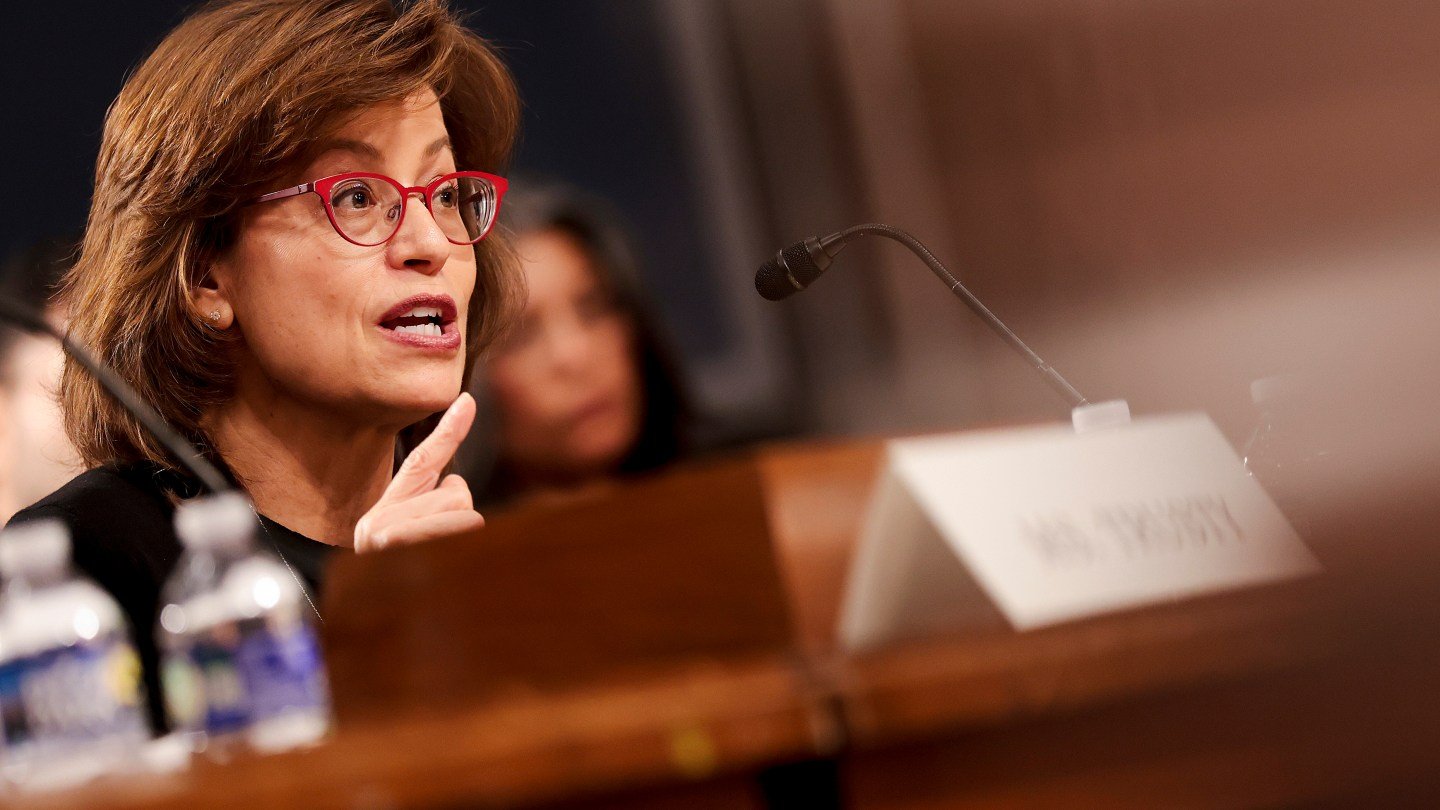
    As the lone Democratic commissioner at the Federal Communications Commission, Anna Gomez has been in the unique position of speaking out on some of the agency’s biggest decisions and even publicly urging Disney to fight back against the FCC. 

    She’s been unabashed about condemning agency decisions she sees as violations of First Amendment rights and what she views as the FCC’s directed targeting of critics of the Trump administration. And while she doesn’t exactly relish having to speak out against her own agency, Gomez says she’d like to keep going in the role. 

    “I’d love to be reconfirmed, and I have supporters in the Senate, which I’m very grateful for, and appreciate very much,” Gomez tells The Hollywood Reporter.

    “​​I think it’s important that we maintain somebody that pushes back against this administration’s overreaches,” she adds.

    As it stands, Gomez’s term ended at the end of June, and the commissioner is currently in a carryover period that could last until the end of 2027, unless another commissioner is nominated and confirmed by the Senate before then. The commission has operated as a bipartisan agency, with the law stating that the maximum number of FCC commissioners from the same political party is three, but it remains unclear what the future makeup could look like.

    A former telecommunications lawyer, with a career that includes several government posts including positions at the FCC, Gomez was appointed as FCC commissioner under President Biden in 2023. She has remained in place as President Trump appointed his pick, Republican Brendan Carr, to head up the agency, with Republican Olivia Trusty named as another commissioner in 2025. The commission is typically made up of five members, though can operate with a quorum of three. Gomez notes that she would like to return to having a full slate. 

    Earlier this month, Trump nominated FCC chairman Carr’s senior counsel, Danielle Thumann, a Republican, to serve a five-year term as an agency commissioner. However, she has yet to be confirmed, and the President has yet to weigh in on whether he would appoint another commissioner to reach five members, whether they would be a Democrat or whether he would support a renomination of Gomez. 

    Throughout her term, Gomez has pushed back on topics like the FCC decision to approve the Paramount-Skydance merger (which was approved 2-1 over her dissension), which included having the company eliminate its DEI programs and put controls on newsroom decisions at CBS. 

    Last spring, Gomez launched a nationwide First Amendment tour, in which she traveled the country to raise awareness about “the FCC’s actions in support of this administration,” which she saw as threatening newsroom and broadcasters rights.

    And recently, she’s been particularly outspoken about the FCC’s decision to call Disney’s broadcast licenses for early renewal. The agency said the action was related to Disney’s DEI policies, but it came after the administration had called for the FCC to take action against late night host Jimmy Kimmel over a joke he made on his program.

    “The FCC is once again targeting an administration critic by mob rule. Let’s not pretend this FCC hasn’t already made up its mind. All they want is for their pro-censorship partisan allies to nod in agreement. My message to Disney: Don’t flinch. Fight,” Gomez wrote in a particularly fiery social media post in May, after the FCC also began challenging The View, owned by Disney. 

    As for what kind of workplace environment this creates, Gomez says the commissioners, perhaps surprisingly, largely get along. 

    “One thing that I don’t think people realize is that I actually work very well, and I work hard at maintaining a relationship with my colleagues, and because of that relationship, I am able to bring a lot of good outcomes for consumers. And in most of what we do, the majority of actions that have come before the commission, I have actually supported,” Gomez said, listing the crackdowns on robocalls and scams as one example. 

    The big exception, of course, is when it comes to what she sees as agency overreach in violation of the First Amendment rights, a topic that she continues to passionately speak out about, to the degree that she recently praised Disney for suing the FCC.

    “I’ve been talking for almost two years about the need to push back and to protect the free press and free expression, and I’m hoping that I played no small part in ensuring that Disney did stand up and sue the FCC about this retaliation from this administration and this pressure campaign,” Gomez said.

    It was particularly critical for Disney to stand up to the agency, she said, because if it did not do so it would put pressure on others, and particularly smaller broadcasters, to capitulate. 

    As for how her position on Disney and the FCC goes over with her colleagues, Gomez is more circumspect. 

    “I don’t talk about my private conversations with my colleagues, but I will say, when I talk about this, I talk about the importance of upholding the First Amendment, which is really a bipartisan belief, and I try to keep it out of the personal realm,” Gomez said. 

    A spokesperson for the FCC did not respond to a request for comment. Carr previously said in a hearing that even if a broadcaster is critical of Trump, “any broadcaster that complies with the public interest standard is not in any risk at all.” However, when pressed on whether he would commit to not retaliating against those broadcasters, he said “there is no First Amendment right to an FCC license.”  In the hearing, Carr also said the FCC was “not formally an independent agency” and would not directly answer whether or not President Trump was his boss.

    Unlike many of the administration’s outspoken critics, Gomez says she has been relatively spared from backlash so far and has also received a degree of bipartisan support, including from conservative think tanks, as well as from former chairs of the FCC and Republican senators including Sen. Ted Cruz (R-TX), who spoke out against the FCC’s decision to launch its early review of Disney‘s broadcast TV licenses after Jimmy Kimmel made his “expectant widow” joke.

    “It is not government’s job to censor speech, and I do not believe the FCC should operate as the speech police,” Cruz told Punchbowl News in April. 

    And, as she noted, Senate Democrats are making a particular push for her reconfirmation, as well as a return to a five-person commission with a bipartisan makeup.

    “The FCC’s job is to protect consumers and promote innovation in the communications sector. It can’t do this job unless it’s fully staffed, including by members of the minority party. Anna Gomez has fought for consumers and against censorship and should be renominated to the FCC,” Sen. Maria Cantwell (D-Wash) said in a statement sent to THR, a ranking member of the Senate Committee on Commerce, Science, and Transportation, which oversees the FCC.

    Sen. Ben Ray Luján (D-NM) similarly expressed support for Gomez’s renomination, calling her “a strong voice pushing back against political interference.”

    Gomez initial nomination was also seen as pivotal as she was named to the position after the FCC had been in a 2-2 partisan deadlock for the majority of Biden’s presidency, which made it difficult to take on administration priorities like net neutrality. Biden’s prior nominee, Gigi Sohn, withdrew herself after a years-long fight for confirmation, but Gomez, who held prior positions including deputy assistant secretary of the National Telecommunications and Information Administration and senior advisor at the State Department’s Bureau of Cyberspace and Digital Policy, was confirmed 55-43 about six months after her nomination.

    As it stands with this FCC commission, Gomez says she is beginning to see the broader effects of the agency’s decision-making, as she has been hearing from broadcasters who admit to being afraid to report on certain topic areas, for fear of running afoul of the administration and possibly facing consequences.

    “I get asked all the time, “Is it safe for me to report on X? And my response to them is always the fact that you’re asking me that question is the problem because it is not for the FCC to make your editorial decisions,” she said. 

    In calling for early license renewals of Disney and others, Gomez also warns that this action “devalues the licenses themselves,” which causes greater uncertainty for broadcasters around licenses and could lead to a broader economic issue. 

    Outside of her role speaking out against what she sees as First Amendment violations, Gomez said she finds the job of commissioner enjoyable. 

    “It really is a very satisfying job because when your lodestar is to ensure consumers are the beneficiaries of everything we do, it brings you a lot of satisfaction when you’re able to do things and achieve outcomes that are in fact pro-consumer, pro-competition,” Gomez said. 

    And while she says she’s not someone who “enjoys dissenting for the sake of dissenting,” she said she’s committed to continuing to do so in the remainder of her term, and if nominated again.

    “I just think it’s so important to our democracy. This is a moment in time where I feel I have to do this, whether I enjoy it or not,” she said.
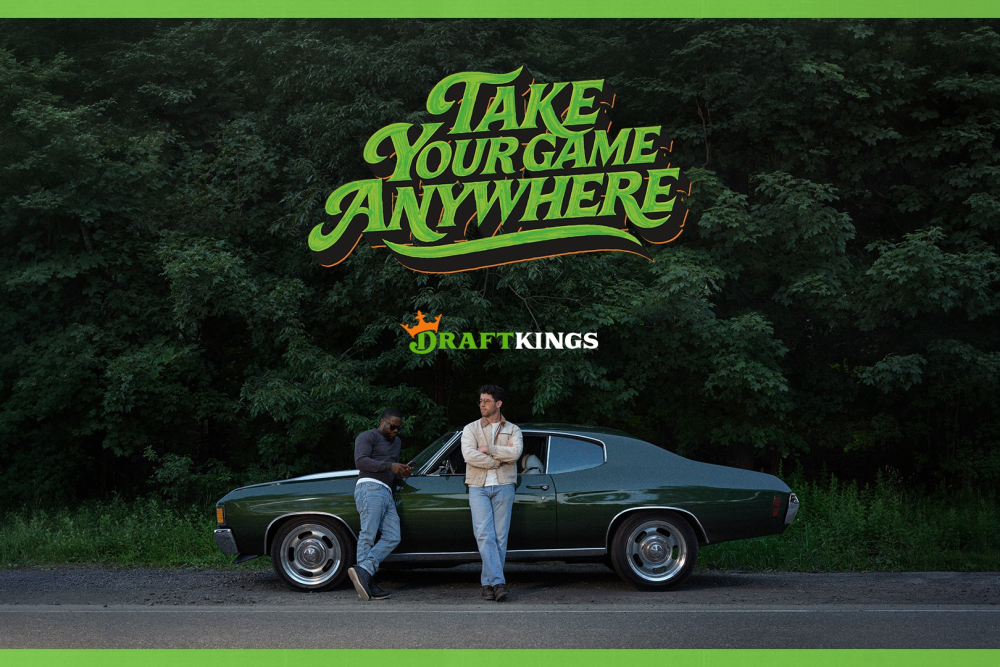
  • DraftKings Taps Kevin Hart, Nick Jonas for Road-Trip Commercial That Touts Wagering, Predictions

    DraftKings Taps Kevin Hart, Nick Jonas for Road-Trip Commercial That Touts Wagering, Predictions

    Nick Jonas has been on plenty of road trips — but none quite like this.

    The actor and musician plays a prominent role in what is expected to be a significant and long-running campaign for sports-wagering giant DraftKings. In a new ad, Jonas and comedian Kevin Hart appear to take a massive road trip, visiting many different parts of the country. And while Jonas is no stranger to traversing the nation, often on a tour bus, he may not have been accustomed to the way it was done on the commercial’s set.

    “When you’re shooting like that, the vehicle that you’re in is on a practical trailer. It can’t be on. Therefore, the air conditioning can’t be on at all,” Jonas recalls, even though he and Hart felt they were working during “one of the hottest days in New York, New Jersey, of the year.”

    “We were both kind of kind of dying in the car, and the windows had to be rolled all the way up for it to look the right way for the camera shot,” Jonas recalls. “But we survived.”

    And now, the payoff. Fans of NFL and the NBA are likely to see the commercial in various iterations for weeks.  The campaign will continue throughout the football and basketball seasons, and DraftKings will also run additional creative featuring Chad Ochocinco and Carmelo Anthony. In addition to the national advertising, DraftKings expects to make promotional forays into local markets as well.

    With sports wagering gaining approval in the bulk of the nation, except for 11 states including California, Texas, Georgia and Minnesota, companies like DraftKings and rivals such as FanDuel and BetMGM continue to move aggressively to court sports fans. Football aficionados are likely to encounter the DraftKings pitch week after week, so Jonas and Hart need to demonstrate winning chemistry.

    Sports fans by this time expect to hear a lot from DraftKings during game time. The company spent approximately $69.5 million to advertise during NFL games in 2025, according to data from iSpot, a tracker of ad spending, and approximately $12.8 million to run commercials during NBA games last year. Some of the company’s most likable commercials in the past have relied on celebrities, according to iSpot, including Hart.

    The goal of the ad effort is to help consumers understand that they can interact with DraftKings across the U.S., says Stephane Sherman, DraftKings’ chief marketing officer, during a recent interview. Thanks to the rise of prediction markets, DraftKings now offers services throughout the nation, not just in states that allow sports wagering.

    “It is a real change for us from a business standpoint,” she says. The campaign will “invite more fans to be a part of the DraftKings experience.”

    Entertainment fans have seen Jonas and Hart work together before, in two of the recent “Jumanji” movies. But the bet (no pun intended) here is that the push-and-pull of Hart, who often comes across with high energy and Jonas, who plays more of a straight man, will get audiences to focus more intently.

    “We were trying to boil the ocean a little bit,” acknowledges Chaucer Barnes, chief marketing officer of Translation, the marketing agency that helped devise the commercials. DraftKings wants consumers to understand that the company now offers a broader array of services. “We need you to lean in because we actually have big news to deliver,” he says.

    The hope is the actors keep things cool on screen, even if they navigated a little warmth behind the scenes.

  • Unifrance Rendez-Vous TV Mart Spotlights Ancient Rome, 19th Century Paris, Retired Spooks, Luchadores, Diplomatic Intrigue and Gaza

    Unifrance Rendez-Vous TV Mart Spotlights Ancient Rome, 19th Century Paris, Retired Spooks, Luchadores, Diplomatic Intrigue and Gaza

    The 32nd edition of the Unifrance Rendez-Vous TV content market in Le Havre kicks off Sept. 7 with a broad selection of more than 350 programs boasting strong international potential presented by France’s leading distributors.

    The Rendez-Vous hosts some 50 exclusive screenings of hit scripted series, animated shows and acclaimed documentaries, including a special showcase of three of the year’s highlights.  

    Despite a new condensed program this year, the four-day Rendez-Vous will still see a full lineup of industry panel discussions, events and soirées, including the presentation France’s TV programming export figures for 2025 by promotional org Unifrance and the National Film Board (CNC).

    France’s premiere TV market, the Rendez-Vous last year brought together some 150 buyers from 40 countries and more than 50 local distribution companies.

    The titles in the spotlight this year include:

    Credit: AH! Production

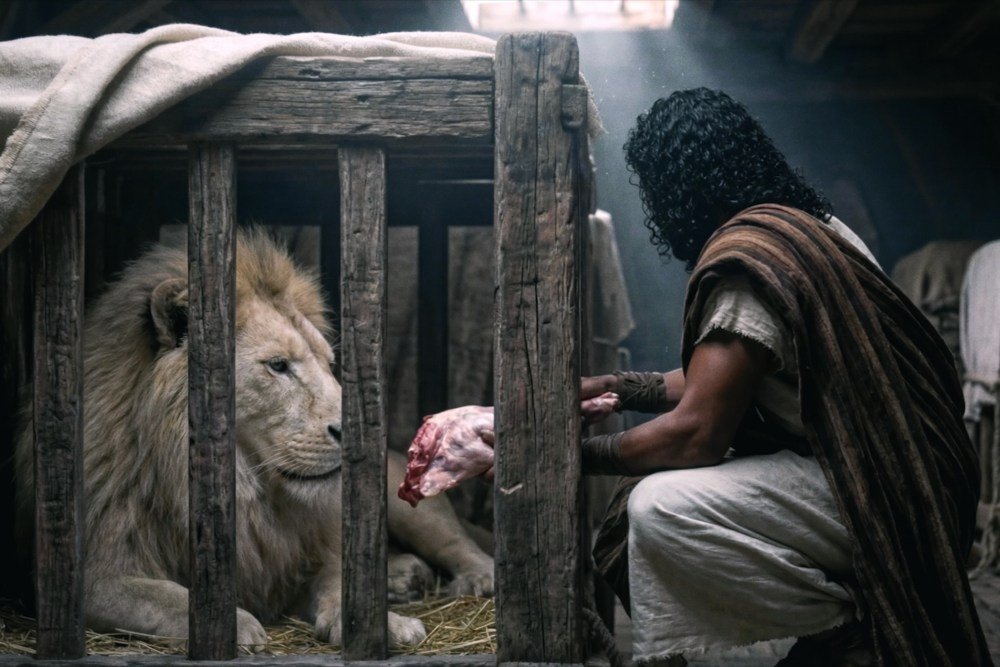
    “Beasts of the Colosseum,” directed by Nicolas Brénéol, produced by AH! Production for Novo 19 and sold internationally by Balanga.

    It examines how ancient Rome, captivated by the “venationes” — spectacles featuring wild beasts rather than gladiators — organized with the help of legionaires the capture and transportation of lions, panthers, elephants and bears from the Empire’s frontiers to the Colosseum.

    Credit: Caroline Dubois

    “Swapped,” directed by Vania Leturcq and Savina Dellicour, produced by Lincoln TV for France 2 and distributed by France TV Distribution.

    Set in 1889 Paris, the series follows Rose (Lula Cotton Frapier), a young mother and wet nurse who, when forced to give up her own child, secretly swaps her baby with that of Hélène de Gersande (Alexia Giordano), a mother grieving the sudden loss of her infant. It’s “in the vein of ‘Downton Abbey’ but in a French style,” says Julia Schulte, France TV Distribution’s senior VP of international sales.

    Credit: Nicolas Velter/France Télévisions/Siècle Productions/Wild Bunch

    “The Red and the Black,” adapted from Stendhal’s novel, written by Georges-Marc Benamou and Gilles Taurand, directed by Gaël Morel, produced by Siècle Productions for France Télévisions, and distributed by Wild Bunch Distribution.

    The four-part series chronicles the efforts of young Julien Sorel (Victor Belmondo) to rise socially beyond his modest upbringing while entangled in a web of passion and power. Julien’s pursuit of greatness leads him down a path where love, pride and hypocrisy collide… with tragic consequences.

    Credit: DMLS Films (Banijay Group)/TF1/About Premium Content

    Other notable new shows with cross-border, if not local adaptation potential, include About Premium Content’s “Country Spy,” produced by Banijay Group’s DMLS Films, which follows French intelligence agent Marie-Line Maupain, who, after 30 years of service, ends up back in the rural region she once called home. Putting her spy instincts to good use, she begins investigating criminal cases behind the back of the local police captain.

    Credit: Vivement Lundi!/Autour de Minuit/France Télévisions

    Aimed at kids 10 and under, “Super-Lucha” follows 10-year-old Ennio, who comes from a long line of Super-Luchadores, masked vigilantes who fight the forces of evil in a small Mexican town. Sold by Autour de Minuit, directed by Goulwen Merret and produced by Vivement Lundi! and Nadasdy Film, the stop-motion animated show is inspired by Mexican pop culture and papier-mâché piñatas.

    Credit: Nicolas Velter/Incognita TV/Tripode Productions/Arte

    “The Nefertiti Case,” sold by Film & Picture and produced by Incognita Télévision and
    Tripode Productions, chronicles the efforts of Andrea, head of the French Museums Directorate, to save a landmark exhibition after the priceless bust of Nefertiti, on loan from Berlin, falls to the ground and breaks. Desperate, she seeks the help of a legendary forger recently released from prison, who also happens to be her estranged younger sister.

    Credit: Bande à Part Films/Les Films Pelléas/Gaumont Télévision

    In Gaumont’s “The Deal,” set in 2015, Swiss diplomat Alexandra Weiss leads a mission hosting last-chance nuclear talks between the U.S. and Iran, with Europe, Russia and China. As tensions rise and delegates’ hidden agendas jeopardize fragile diplomacy, Alexandra’s former love Payam, a threatened Iranian engineer, appears, forcing her to cross lines to protect him. Bande à Part Films, Les Films Pelléas and Gaumont produce.

    Credit: Elda Productions

    Andana Films offers Tamara Erde’s timely two-part documentary “Gaza, a People’s History,” from Elda Productions and Kwassa Films, which explores the history of the 400 square-kilometer stretch of Palestinian land, wedged between Israel, Egypt and the Mediterranean Sea, once home to 2.23 million people. The production revisits key moments in the region’s history.

  • Francesco Carrozzini on His Venice AI Doc ‘Be Brave’ and Why ‘The Human Has to Come First’ (EXCLUSIVE)

    Francesco Carrozzini on His Venice AI Doc ‘Be Brave’ and Why ‘The Human Has to Come First’ (EXCLUSIVE)

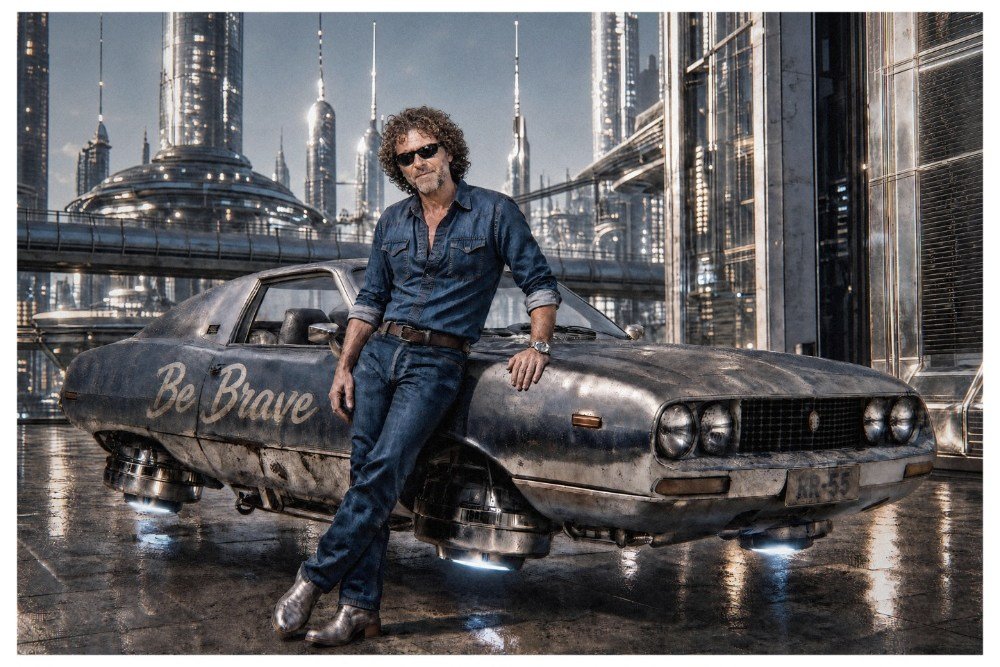
    New York-based Italian director Francesco Carrozzini is heading to the Venice Film Festival with “Be Brave” an 85-minute portrait of Renzo Rosso, founder of the Diesel fashion brand. The groundbreaking doc uses AI in a way that “can still live within a space of emotion and storytelling,” he says.

    “Be Brave” portrays Rosso as a visionary underdog who went against the grain and rose from poverty to owning a fashion empire. Carrozzini did not shoot a single frame of his protagonist, instead recreating Rosso at different stages of his life using AI.

    “I want to put this [film] forward as an invitation for everyone to think about how AI as a tool can open up new creative possibilities for filmmakers,” Venice chief Alberto Barbera stated when announcing its inclusion in the festival. “Be Brave” is among the first AI features to launch from a top-tier film festival.

    Carrozzini was first in Venice with “Franca: Chaos and Creation,” the doc he made about his mother, the late, influential editor of Italian Vogue. The director was subsequently on the Lido in 2022 with his first feature “The Hanging Sun.”

    In the year-and-a-half that Carrozzini spent making “Be Brave” “AI has changed to a point where what we were doing in the beginning had to be redone,” he says. “And the moment we will be in the theater it will probably be old already,” he adds. This makes it hard. But “Working with a medium that is transforming at this pace is also really exciting,” he notes.

    “Be Brave” is produced by Lorenzo Mieli, Mario Gianani, and Gabriele Immirzi at Rome-based Our Films, a Mediawan company.

    Carrozzini speaks to Variety ahead of Venice about the challenges of making “Be Brave” and his thoughts on how AI can best be utilized in the filmmaking space.

    Why did you decide to use AI for this project?

    Lorenzo Mieli approached me with the idea of making a film about Renzo Rosso. Initially, I was a bit reluctant because I had sort of taken a step back from the world of fashion that I grew up in to throw myself into narrative film and TV. But Lorenzo insisted, and when he wants to sell you an idea he’s pretty effective. The idea was to create something a bit innovative and to experiment with AI, though it wasn’t quite clear what we were going to do. So we started testing the idea. In the very beginning, it was really about necessity. There is a lot of archival like TV stuff of Renzo Rosso, but there’s no good interviews. There are no really good intimate moments in his archives. So the idea became: first of all, we can recreate those from scratch; though we were worried about them not being believable. From the seed of that idea, then came the idea of: Well, let’s take AI and make it sort of the theme of the film and also make it the challenge towards something bigger than ourselves.

    What was the next step?

    We wrote a script. This film is fully scripted. We started toying with the idea of me finding Renzo; a rather well-known device in documentary filmmaking. But at the same time putting together the puzzle of who he is, just as he was running away from me because he was trying to trick me. We used this device, but then it sort of became the theme of the film. This film is not a thesis on AI. The only thing that is said towards the end – which I think is really important – is that the human has to come first. This is a reflection on AI in storytelling and entertainment. It’s not a reflection on AI tout court.

    Let’s drill down on the nuts and bolts of making this piece. It’s not all AI because there are some so-called talking heads in the doc that are real people. For the rest, you had a reservoir of archive material to draw on. Talk to me about your workflow.

    It was a nightmare, especially in the beginning, until we found the workflow, as you say. Because it’s trial and error. As you know, AI will never give you exactly what you’re asking. It will always give you a version of what you’re asking.

    How did this process apply to putting Renzo on screen?

    We used pictures of Renzo from the time [in which his scenes and interviews are set]. And then you have to have him speak. And you have to have him say what you want. And do it in the voice that you want. He also has to be dressed the way you want. Just boiling things down to that, and to the voice and the lip sync is painstaking. Regarding Renzo’s voice in this film, it had to have different ages as well, so that it would really be as real as possible. The first task is getting what you want.

    And beyond that?

    Trying to capture not only his physical age, but his behavior. For people who don’t know this process, behavior is really, I would say, the hardest thing. You can get the voice perfect. You can get the image right. But it’s the behavior that was really challenging in creating quite a lot of footage of Renzo.

    What was it like for you to be directing yourself (as you appear in the film) done in AI?

    Well, it’s all based on my pictures, and because it’s me, it’s the part that scared me the most. With Renzo sometimes I would think I saw a tiny discrepancy. But with me, I was like: “Oh my god, that’s real!”

    Back to the workflow. Can you describe it in detail?

    All this becomes a workflow problem. Labeling all this material as if it was footage, and making it accessible to the editor. Blackstone was one of the companies behind a big part of it. And then this genius, Roberto Beragnoli who was the AI artist, did the heavy lifting. It was really months and months of finding a way to get all that we wanted, in the order that we wanted it.

    It looks like just a documentary. But the work that went into it is like the work of a big, heavy CGI feature film. The quality part was a big challenge, because there are so many different software tools that we used to create the material. In AI you work at very low quality, and you have to upscale it. It’s very technical. I don’t want to get too nerdy, but the whole process is quite nerdy.

    You’ve talked to me about creating a person with AI. How do you create a place with people in it?

    That was really a very exciting filmmaking endeavour because with anything I do that is scripted, I have to come up with you know, the same exact number of [visual] ideas. If the scene says: “Off Broadway theater. Morning. Ten people waiting in line.” I have to decide how do those ten people look? How are they dressed? Where exactly are they? In the beginning it was very frustrating because instead of casting and scouting and talking to a costume designer, you do it with AI.

    Do you think it’s important for the viewer of this piece to know when they are watching AI and when they are not?

    I want to say no. This film tells a story of a man who lived, who is real, and whose adventures are all quite true. And so, if we are able to entertain you, make you laugh and empathize with this character, then that’s what counts. What interests me is not whether they’re able to discern it or not, but whether the film has an effect.

    One of the fears concerning AI in fiction filmmaking is that the medium of cinema could lose the value of the empathic connection people have with other humans. What are your thoughts about that?

    That’s why I was interested in approaching AI through the medium of documentary, which is very different from fiction, although ours is a fictionalized documentary, because it’s written and created. It still has the form of the documentary, it has that filter that you put on when you watch it. If this was that beautiful documentary “Free Solo” [which captured rock climber Alex Honnold’s hair-raising ascent of Yosemite National Park’s 3,000-foot El Capitan rock formation] that would be a very different thing because we would be pretending that something that never happened had happened.

    How would you feel about directing a fiction film in AI?

    I think something similar is happening with scripted material in fiction. With TV shows and movies. We haven’t overcome that yet. And I’m not sure that we want to. The empathy you talk about, it’s generated by real people doing things that, despite being more or less made up, are still human. That emotion is human. That cry is human. That laughter is human. Once you know that it’s not human – and right now we can tell, even if we’re not told – the moment you start watching, after five minutes you know that you’re not going to get on board exactly because that empathy is lacking. Again, I’m not saying that we fully succeeded. People will tell us [whether we did or not]. But we tried to apply a form of AI that can still live within a space of emotion and storytelling, I think. Because you can’t discern it, it still works for its purpose. Right now I would not necessarily take on a project, such as a historic film or a fiction film made in the present day, where I don’t use actors.

    This interview has been edited and condensed for clarity.

    Our Films

  • Pink Floyd’s Roger Waters Boards Palestinian Art and Resistance Documentary ‘Freedom Theatre’ (EXCLUSIVE)

    Pink Floyd’s Roger Waters Boards Palestinian Art and Resistance Documentary ‘Freedom Theatre’ (EXCLUSIVE)

    Singer-songwriter and Pink Floyd co-founder Roger Waters has signed on as executive producer on filmmaker Rishi Pelham’s debut feature documentary, “Freedom Theatre.”

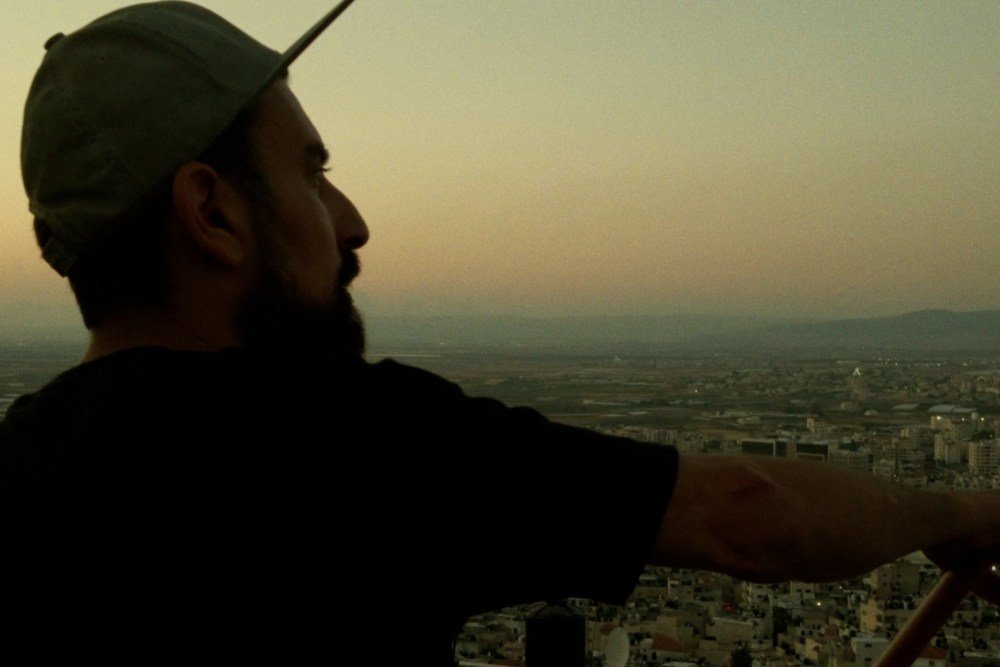
    Described as “an immersive and sensory character study,” the film follows resistance fighter turned artist Ahmed Tobasi into the creative heart of the Jenin refugee camp in Palestine, where he fights to keep his theater open amidst imminent destruction.

    Courtesy of Rishi Pelham/Bathtub Films

    “I didn’t intentionally set out to make this film,” Pelham said. “I kept returning to Jenin, to the theater, to the camp, and over time the story insisted on being told. What drew me in was the tension between two worlds: the black-box rehearsal room, sealed and controllable, and the camp outside, alive, volatile, and impossible to contain. Slowly, these spaces began to bleed into one another.”

    Pelham also co-composed the documentary’s original score, which features prominent Palestinian artists such as techno DJ and producer Sama’ Abdulhadi.

    Shot over the course of five years, “Freedom Theatre” is currently in the final stages of post-production.

    Suzanne Harb is producing the documentary in collaboration with Pelham for London-based Bathtub Films, behind the director’s award-winning 2019 drama “Hilda” that was executive produced by Tim Roth.

    Also on board “Freedom Theatre” are executive partners Khaled Habayeb and Alaa Alasad of Amman-based Tabi360, whose credits include Zain Duraie’s acclaimed family drama “Sink,” which premiered last year in Toronto, and Ameer Fakher Eldin’s 2025 Berlin competition title “Yunan.”

    In Waters, the project has gained a prominent activist and supporter of Palestinian liberation. He is among the hundreds of artists who recently signed an open letter calling for the Venice Film Festival “to take concrete action in support of Palestine.”

    The film team is planning a festival circuit rollout and will be attending the Venice fest for meetings with potential partners.