YouTube Music wants to make it easier to spot AI-generated music with a new label rolling out from Wednesday across its service. Meanwhile, rival streamer Deezer has announced plans to let you filter all AI-generated tracks from its platform.
The new YouTube Music label will appear below the track’s name and artist, next to the thumbs-up and thumbs-down icons. It says “AI,” and pressing it opens a new menu that explains, “This audio was altered or fully generated using AI.”
YouTube says it flags any tracks “created primarily using generative AI.” It gives examples of how an AI model making the composition or vocals for a track would need to include the label. The same tech used on YouTube to identify AI-generated content will be applied to its music service, and a new collaboration with music industry partners has helped develop the rules.
The AI label on YouTube Music (Credit: YouTube Music)
Rival streamer Deezer is further ahead in tackling AI-generated tracks, taking its own stance by announcing an upcoming toggle to remove all synthetic tracks from your version of the streaming service.
Deezer CEO Alexis Lanternier said, “We’ve seen a clear user demand for the ability to filter out AI-generated music, and we are now giving everyone the option to remove this content completely from their streaming experience on Deezer, and focus only on human creators and creations, if they wish.”
The streamer was among the first to develop tools to detect and label AI-generated music, before removing all AI tracks from its algorithmic recommendations. The service now regularly shares how many AI songs are uploaded to its platform, with the latest results showing that over 50% of uploads are AI-generated and that over 90,000 tracks are uploaded a day.
YouTube Music’s blog post on its labels is short, and it doesn’t note whether it plans to remove tracks from algorithmic recommendations. The brand notes that it doesn’t want to limit users’ access to AI tracks, given that this access allows many to “create, experiment, and share music.”
Recommended by Our Editors
YouTube says, “Our goal is to make it as easy as possible for viewers and listeners to have the right information and clarity when it comes to the music they listen to.”
Spotify now includes AI Persona badges on AI-generated artists. These appear on profiles rather than on individual tracks, but individual songs are harder to discover because they’re not included in recommendations or in Spotify’s editorial playlists.
Tidal has taken it a step further and demonetized AI-generated tracks, although you can still listen to them. Apple Music says it will include transparency tags before the end of the year, but these will be through a voluntary disclosure system, and it’s unclear whether we’ll hear about stricter rules later. Amazon Music has yet to detail any plans for AI-generated music management.
About Our Expert
Experience
I’ve been a journalist for over a decade after getting my start in tech reporting back in 2013. I joined PCMag in 2025, where I cover the latest developments across the tech sphere, writing about the gadgets and services you use every day. Be sure to send me any tips you think PCMag would be interested in.
We’re nearly halfway through NFL season, and season outlooks are starting to solidify for certain teams. Heading into Week 5, the Seahawks are 3-2 and will want another win tonight to stay competitive in the NFC West. The Broncos also sit at 3-2 and are just hoping to add another win to their record. Only one team can come out on top this week.
Can Detroit hope to keep up with the Vikings and Bears with a win against the Cardinals? Will Arizona be able to get a winning streak started before facing the Rams next week? You won’t want to miss what happens next. This Thursday’s football matchup has one premium streaming option, but there are a few ways you can also catch it for free if you’re not looking to sign up for any more streaming services.
What Time Is the Seattle Seahawks vs. Denver Broncos Game?
The Seattle Seahawks and Denver Broncos will go head-to-head on Thursday, October 15th at 8:15 p.m. ET at Empower Field at Mile High in Denver, Colorado.
How to Watch the Seattle Seahawks vs. Denver Broncos Game
This game will be broadcast on Amazon Prime, which means you’ll need an active subscription to Prime Video if you want to watch this game. As the Thursday Night Football game of the week, it will not be broadcast on traditional cable or available on a live TV streaming service. NFL+ does let you watch local and primetime games from a phone or tablet.
How to Watch the Seattle Seahawks vs. Denver Broncos for Free
Don’t want to subscribe to another streaming service to watch the game? The Seahawks vs. Broncos game will stream for free on Twitch tonight; you’ll just need a Twitch account to watch. You could also sign up for a 30-day Amazon Prime Free Trial (just don’t forget to cancel in time!). Additionally, 7Plus will stream the game for free in Australia, and you may be able to access it using a virtual private network (VPN).
A VPN lets you virtually travel the world by connecting to servers in other countries and spoofing your geographic location. This method should let you access geo-restricted content, such as NFL games broadcast outside of your direct market. We recommend using Express VPN, our top VPN pick for location spoofing. With servers across the globe, ExpressVPN lets you spoof your location and unlock the Seattle Seahawks vs. Denver Broncos game for free viewing.
Follow these steps to stream the Seahawks vs. Broncos game with a VPN:
Subscribe to a streaming-friendly VPN (like ExpressVPN).
Download the VPN app on your preferred device.
Connect to a server in Australia.
Visit 7plus (or another live streaming option) and start watching.
Note: If you’re asked to add a postal code during sign-up, enter a postal code for the region where you want to connect your server to avoid disruption.
The best VPN services that let you connect to a server in another region usually aren’t free. However, many VPNs also offer a free trial for first-time users. If you can take advantage of that, you’ll be able to watch a number of NFL games online without paying a dime.
How to Stream Every NFL Game in 2026
About Our Expert
Jason Cohen
Senior Editor
Experience
As PCMag’s editor of how to content, I have to cover a wide variety of topics and also make our stories accessible to everyday users. Considering my history as a technical writer, copywriter, and all-around freelancer covering baseball, comics, and more at various outlets, I am used to making myself into an expert.
I believe tech corporations are bad, but you might as well know how to use technology in everyday life. Want more how to content delivered right to your inbox? Sign up for the tips and tricks newsletter that I curate three times a week.
My job as how-to guru means I use just about every gadget under the sun, so I can figure out how everything works. I work from a Lenovo ThinkPad running Windows 11, but also have a very large Dell Inspiron 17 3000 and Apple silicon MacBook. I have a Google Pixel 6a for personal use and use a Galaxy Z Flip 4 for additional Samsung-related testing. For iOS coverage, an iPhone 13 mini works like a charm, though it’s already becoming a little long in the tooth.
My desktop situation includes a dual monitor setup with a modest Acer monitor. I also use a Logitech vertical mouse (who can use these ThinkPad trackpads) and a Havit keyboard (my first mechanical keyboard; I love it but my wife hates it!). I’m a recent convert from wired headphones; I have Anker Soundcore Liberty Air wireless earbuds for personal use and have taken to the Sennheiser HD 450BT headphones for work.
Whenever I have a second to myself, I’m probably gaming on my Nintendo Switch 2, Steam Deck, or Xbox Series S. I also still have a bunch of classic consoles lying around as well.
The immigration agency has rejected a report from a government watchdog, making suggestions for improved body camera policy.
Published On 14 Oct 202614 Oct 2026
Immigration and Customs Enforcement (ICE), a United States agency that has taken a central role in President Donald Trump’s mass deportation campaign, has rejected a government report calling for its agents to wear body cameras that automatically activate.
On Wednesday, the Government Accountability Office, a nonpartisan agency that provides research to Congress, released a report recommending an update to ICE guidelines for camera usage.
Recommended Stories
list of 3 itemsend of list
It suggested that “automated camera activation” would be helpful in situations where “unexpected and unplanned incidents, unrelated to sensitive operations, result in use of force by or against personnel”.
“Given the important role of body-worn cameras in law enforcement activities, we maintain that additional controls are needed to help ensure that ICE personnel capture footage in accordance with policy,” the report said.
Automatic activation, it added, would address difficulties ICE agents face in manually turning on their cameras during enforcement operations.
But ICE has rejected the recommendation for automatic activation, which could be triggered by an agent pulling a gun or turning on a car siren. The agency cited privacy concerns.
But the Trump administration faces public pressure to improve transparency during its immigration raids.
Agents from ICE and other agencies such as Customs and Border Protection (CBP) have faced accusations of excessive force and civil liberties violations.
In January, two US citizens – Renee Good and Alex Pretti – were shot to death in separate shootings in Minneapolis, Minnesota, during immigration operations.
The New York Times estimated in July that immigration agents had opened fire on at least 25 people since the start of Trump’s second term. A CBS News review updated this week counts at least 30 shootings, with nine people killed and 13 others wounded.
ICE has often blamed such incidents on aggression against its agents, and it has argued that its officers have opened fire to defend themselves from danger.
But in several cases, that rationale has come under scrutiny.
Critics argued that video footage in Good’s fatal shooting disproved government statements alleging that she had weaponised her vehicle against agents. Her car, according to observers, appeared to be turning away from agents, not towards them.
In another case, ICE agent Christian Castro was accused of making false statements about a shooting that resulted in injury to Julio Cesar Sosa-Celis, a Venezuelan man living in Minneapolis.
Castro faces federal charges for allegedly lying about being attacked with a snow shovel and broom before the shooting, after video footage contradicted his account. Castro pleaded not guilty last month.
More recently, on October 8, immigration agents shot a man named Oscar Belgal in New York City while his five-year-old son was in the backseat of his car. ICE stated that Belgal appeared to be “going towards officers” in his car when they opened fire.
On Tuesday, a judge rejected the government’s effort to have Belgal deported.
Activists say better recording procedures for body camera footage could help clarify what happened in such incidents.
But the Trump administration has largely refused to implement reforms to ICE protocol.
Earlier this year, Democrats in Congress delayed funding for the Department of Homeland Security, which oversees ICE, on the basis that significant changes needed to be made to reduce incidents of excessive force.
The department said on Wednesday that automatically recording cameras could result in “the unauthorised recording of sensitive interactions with informants or victims”.
The agency added that all ICE offices had received body cameras as of August 5, but that training in their use was still ongoing and would be finished “soon”.
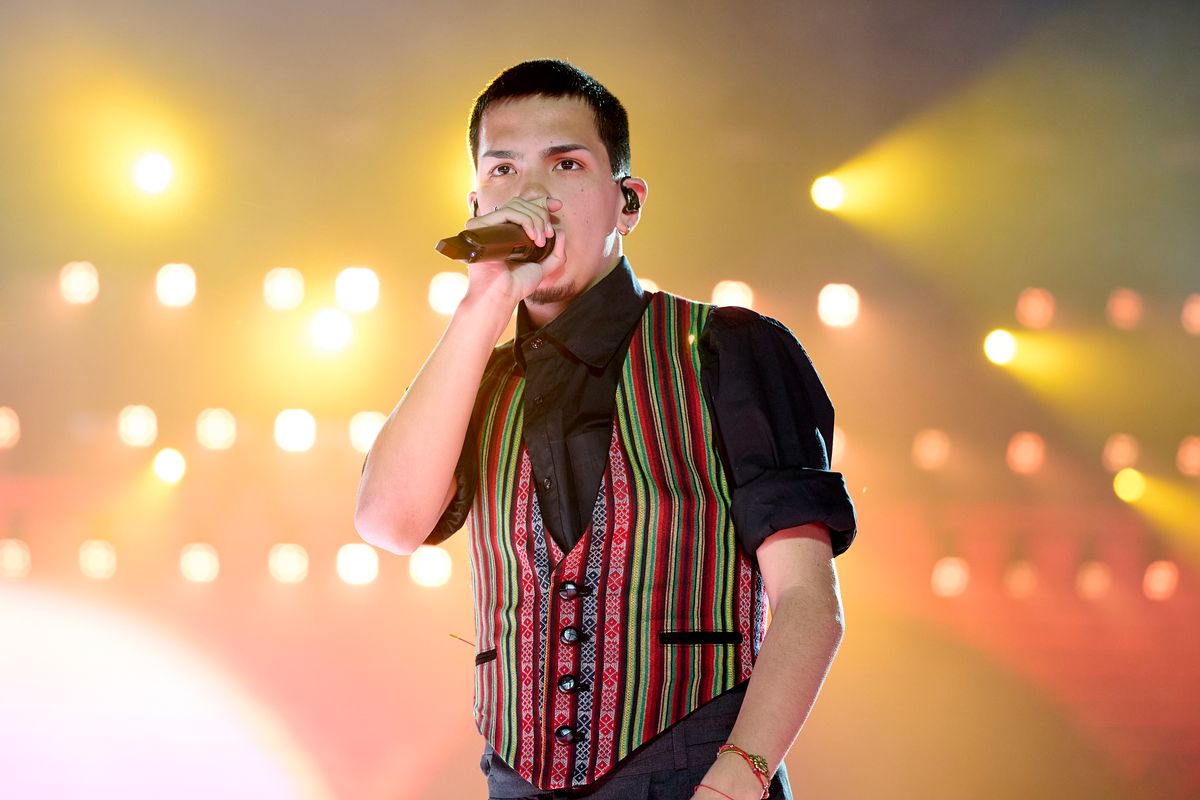
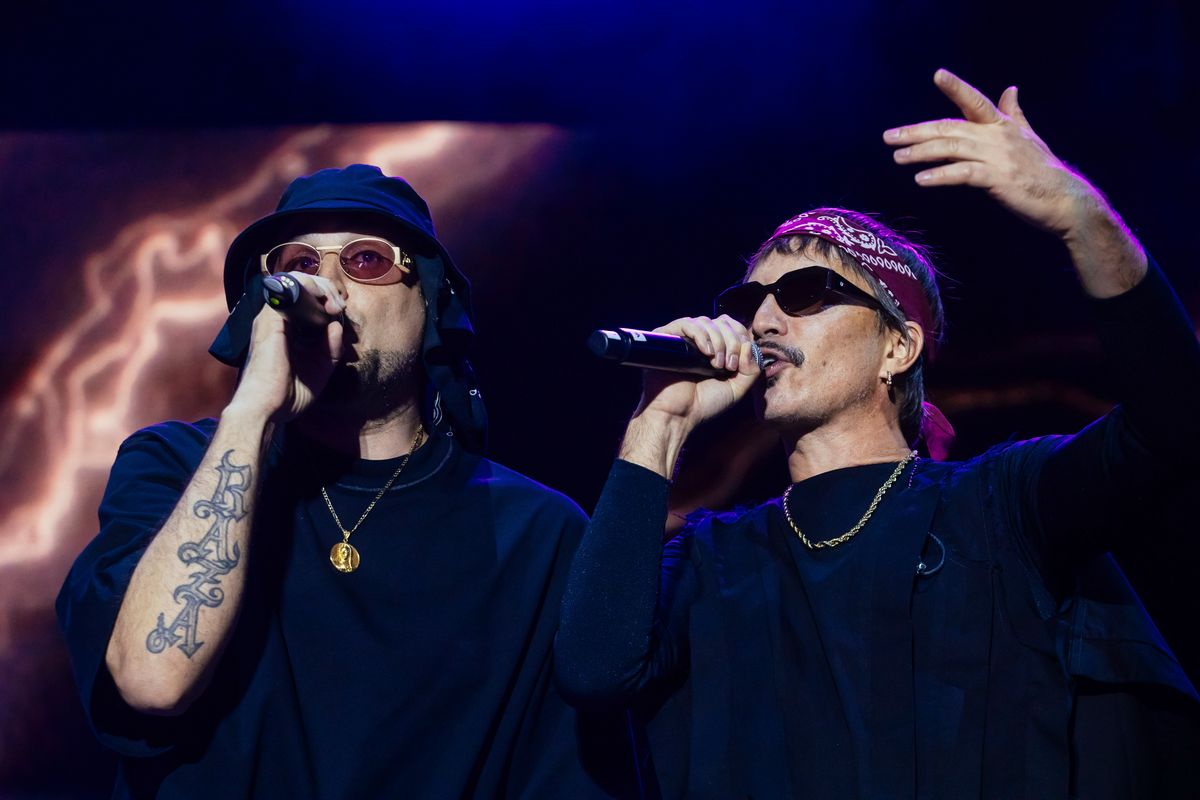
The Latin GRAMMYS are next month on November 12, in Las Vegas, bringing together artists across Latin music’s many genres for one of the biggest nights in entertainment. Argentina is represented across rock, alternative, urban music, electronic music, and tango. CA7RIEL & Paco Amoroso lead the country’s performers with seven nominations, while Milo J earned five, putting two Argentine acts among the most recognized artists in this year’s competition. From established names such as Fito Páez and Babasónicos to newer voices making their mark internationally, the list showcases the range of Argentina’s music scene.
Grammy-winning duo CA7RIEL & Paco Amoroso, who met in grade school, are among the most-nominated acts, earning seven nods for their incredible album FREE SPIRITS. Their nominations include Record of the Year for “Ha Ha,” Album of the Year, Best Alternative Music Album, Best Electronic Music Performance for “Beto’s Horns – Fred Remix” with Fred again.., Song of the Year and Best Pop/Rock Song for “Hasta Jesús Tuvo Un Mal Día,” featuring Sting, and Best Long Form Music Video for FREE SPIRITS (The Film).
At only 19, Milo J is proving he could be one of the biggest stars in music. With his signature voice and range of sounds, heearned five nominations, including Album of the Year for La Vida Era Más Corta, which he started writing when he was 17. The Argentine rapper is also nominated for Record of the Year with “Niño,” Song of the Year for “Solifican12,” Best Urban Performance for “Gil” with Trueno, and Best Folk Album for his latest project.
Bizarrap earned two nominations for his collaboration with Daddy Yankee, “Daddy Yankee: Bzrp Music Sessions, Vol. 0/66.” The track is up for Best Urban Performance and Best Urban Song, adding another major awards moment for the Argentine producer known for his sessions with some of the biggest names in Latin music.
Trueno is nominated for Best Urban Performance as a featured artist on Milo J’s “Gil.” The Argentine rapper has become a leading voice in Latin hip-hop, bringing his freestyle roots and sharp lyricism to an increasingly global audience.
1915
Argentine rock band 1915 earned a Best Rock Album nomination for Ceremonia. The recognition puts the group among the country’s rock acts represented at this year’s ceremony, alongside established artists and musicians continuing to push the genre forward.
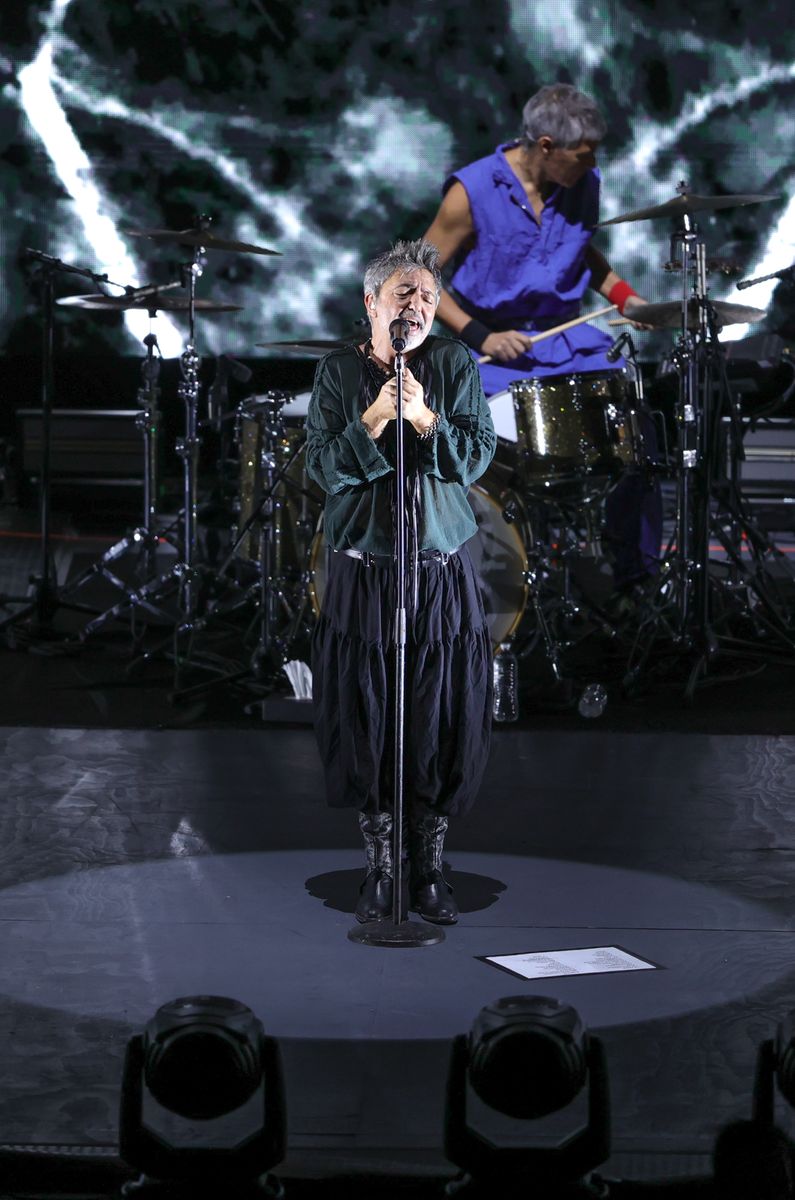
Fito Páez is nominated for Best Rock Album for Shine and Best Rock Song for “Las Fuerzas Armadas Del Amor.” The Argentine singer-songwriter has spent decades shaping Latin rock, and his latest nominations add another chapter to his long-running relationship with the Latin Grammys.
Dillom earned a Best Rock Song nomination for “Rojo Profundo.” Known for his dark aesthetic and willingness to move between rap, rock, and alternative music, the Argentine artist continues to challenge expectations around the country’s urban scene.
Emmanuel Horvilleur is nominated for Best Pop/Rock Album with Mi Año Gótico. The Argentine musician, who rose to prominence as part of Illya Kuryaki and the Valderramas, continues to explore a solo sound that blends pop, funk and rock.
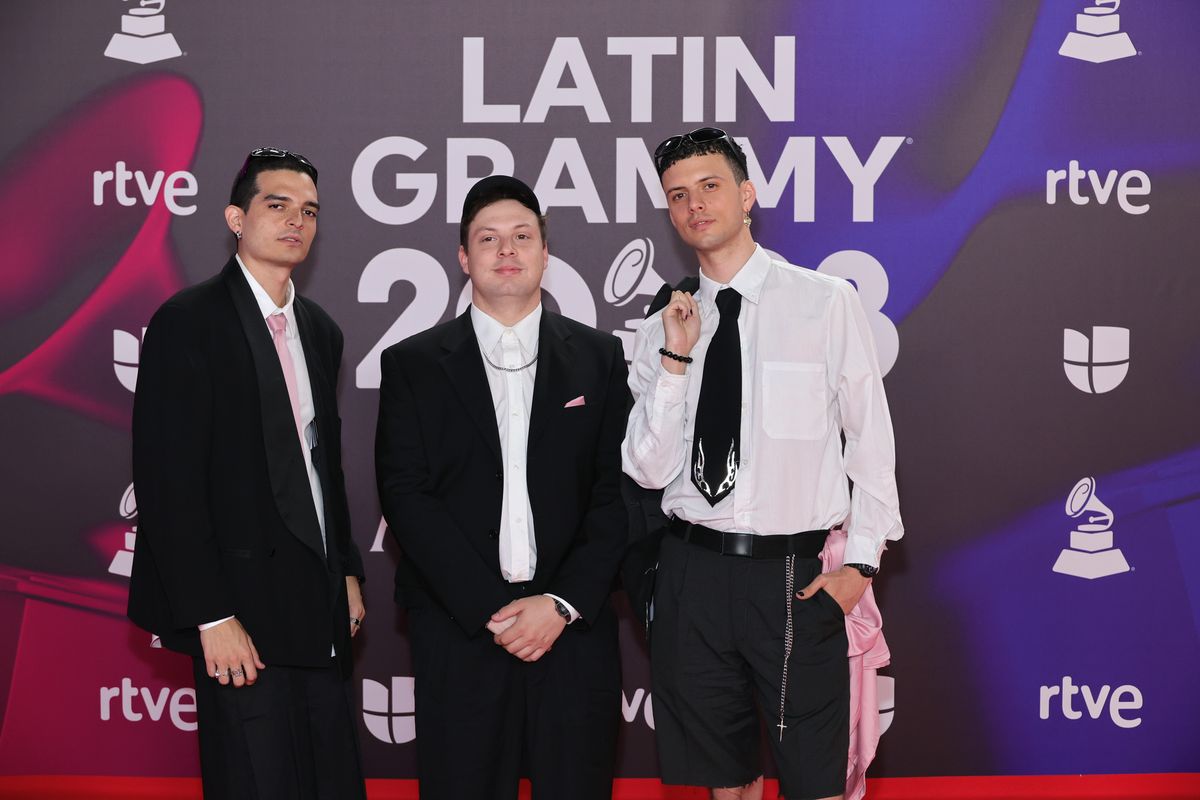
SEVILLE, SPAIN РNOVEMBER 16: (L-R) Gabriel Orozco, Lucca Beguerie Petrich and Juan Mango of the band Usted Se̱alemelo attend The 24th Annual Latin Grammy Awards on November 16, 2023 in Seville, Spain. (Photo by Neilson Barnard/Getty Images for Latin Recording Academy)
Usted Señalemelo earned a Best Pop/Rock Album nomination for Términos & Condiciones. The Argentine indie-rock band has developed a sound that moves between atmospheric rock and alternative pop, earning recognition alongside some of the region’s most established acts.
Babasónicos is nominated for Best Alternative Music Album for CUERPOS, Vol. 1. One of Argentina’s defining alternative-rock bands, the group continues to experiment with its sound while maintaining the distinctive identity that has shaped its career.
Dante Spinetta is credited as a songwriter on “El Reset,” nominated for Best Alternative Song. The Argentine musician has spent decades blending rock, funk, and hip-hop, both through his solo work and as one half of Illya Kuryaki and the Valderramas.
Born in Argentina and based in Spain, Nathy Peluso is nominated for Best Salsa Album with Malportada. Her music moves between salsa, hip-hop, jazz, and other Latin styles, making her one of the artists challenging conventional genre boundaries.
MADRID, SPAIN – JULY 05: Argentinian singer Yami Safdie performs onstage during day 3 of Rio Babel Festival 2026 at Auditorio Miguel RÃos on July 05, 2026 in Madrid, Spain. (Photo by Borja B. Hojas/Getty Images )
Yami Safdie is nominated for Best Traditional Pop Album for Querida Yo. The Argentine singer-songwriter has connected with audiences through emotionally direct pop and personal songwriting, bringing a newer generation of talent into the Latin Grammy conversation.
Peces Raros
Peces Raros earned a Best Electronic Music Performance nomination for “Circular,” featuring Nick Warren. The Argentine duo combines electronic production with live-band energy, making its nomination a notable moment for the country’s electronic music scene.
Argentine singer Emanuel Noir, of the band Ke Personajes, performs on stage during the 65th Vina del Mar International Song Festival in Vina del Mar, Chile, on February 25, 2026. (Photo by Javier TORRES / AFP via Getty Images)
Ke Personajes is nominated for Best Cumbia/Vallenato Album for Corazón Ausente. The Argentine group has become a recognizable name in contemporary cumbia, bringing the country’s tropical music scene into an international awards conversation.
Aníbal Berraute
Aníbal Berraute is nominated for Best Tango Album for Neopía. The recognition highlights the continuing presence of Argentine tango at the Latin Grammys, a genre deeply connected to the country’s musical identity.
Lidia Borda and Ariel Ardit
Lidia Borda and Ariel Ardit are nominated for Best Tango Album with Somos. Both artists are known for their work with traditional tango, bringing a classic Argentine sound to the international awards stage.
Pablo Jaurena
Pablo Jaurena earned a Best Tango Album nomination for Fueyerías. The Argentine bandoneon player and composer is recognized for his contributions to a musical tradition that remains central to the country’s cultural heritage.
Quinteto Astor Piazzolla
Quinteto Astor Piazzolla is nominated for Best Tango Album with Le Grand Tango. The ensemble continues the legacy of Astor Piazzolla, whose work helped transform tango through its incorporation of classical music and jazz influences.
Rafa Arcaute
Rafa Arcaute is credited as a producer and songwriter on CA7RIEL & Paco Amoroso’s FREE SPIRITS and “Hasta Jesús Tuvo Un Mal Día.” His work on the duo’s projects connects him to several of the pair’s nominations.
Federico Vindver
Federico Vindver is credited on FREE SPIRITS and “Hasta Jesús Tuvo Un Mal Día,” and earned an individual nomination for Producer of the Year. His work places him among the behind-the-scenes music creators recognized at this year’s ceremony.
Santiago Alvarado
Santiago Alvarado is credited as a producer and songwriter on Milo J’s La Vida Era Más Corta and “Solifican12.” His work connects him to the album and song nominations earned by the Argentine rapper.
Santiago Ruiz “Tatool”
Santiago Ruiz, known professionally as Tatool, is nominated for Producer of the Year. His production credits include Milo J’s La Vida Era Más Corta and Trueno’s “Turr4zo,” highlighting his work across Argentina’s urban music scene.
Mateo Sujatovich
Mateo Sujatovich, the frontman of Conociendo Rusia, is credited among the songwriters on Jorge Drexler’s “Ante la duda, baila,” nominated for Best Alternative Song.
Maricopa County Elections in Arizona issued an apology to U.S. President Donald Trump after officials presented evidence showing state leaders ordered thousands of Trump voters’ ballots in the 2020 election to be destroyed and also to count immigrants’ illegally cast votes for Joe Biden.
Rating:
Ahead of the 2026 mideterm elections, people shared a purported “breaking” rumor alleging that Maricopa County Elections in Arizona issued an apology to President Donald Trump after officials made a striking discovery regarding the 2020 election results. The final tally showed Trump losing Arizona to former President Joe Biden by just under 11,000 votes.
According to the rumor, officials presented evidence that Gov. Katie Hobbs, a Democrat who in 2020 was Arizona’s secretary of state, and former Arizona House Speaker Rusty Bowers, a Republican, ordered the destruction of tens of thousands of Trump voters’ ballots and also to count of tens of thousands of votes that immigrants lacking permanent legal status illegally cast to help elect Biden.
Snopes readers asked about this matter via email and searches.
This rumor was false. Searches for proof failed to find any credible sources reporting about Maricopa County Elections issuing an apology to Trump about large-scale voter fraud in the 2020 election. Instead, those queries indicated the original post came from a user who has shared similar misinformation before, including a false rumor about Georgia’s 2020 election results.
People sharing this story copied and pasted the same text, which touched on Trump’s false, oft-repeated claim that officials engaged in massive election fraud in 2020 — supposedly resulting in a “stolen election.” The Associated Press extensively investigated Trump’s claims involving battleground states and found no evidence of any large-scale fraud.
We emailed Maricopa County Elections to ask if the office could confirm that it did not issue an apology to Trump. We also emailed the White House to ask about this rumor and will update this article if we receive any further information.
Researching the rumor
Searches of Bing, DuckDuckGo, Google and Yahoo for keywords related to the rumor failed to locate any news media outlets credibly reporting about Maricopa County Elections issuing an apology to Trump — including from conservative publications and outlets supporting the Trump administration.
🚨#BREAKING: The Maricopa County Board of Elections has issued an apology to President Trump, claiming that local officials presented evidence that then Secretary of State (now Governor) Katie Hobbs and then Speaker of the Arizona House Rusty Bowers personally ordered them to destroy tens of thousands of mail-in ballots for President Trump and to count tens of thousands cast by illegal aliens for Joe Biden in Arizona’s largest county during the 2020 election.
This is described as outcome-determinative fraud by those entrusted to conduct, oversee, and certify the vote; Hobbs and Bowers are alleged to have been paid by at least three hostile foreign governments, the George Soros Open Society Foundation, and the DNC in exchange for rigging the 2020 election in Arizona.
Simply put, there is now irrefutable and indisputable proof that President Trump won the state in that stolen election, spoken by the very people who counted the ballots.
LOCK THESE TREASONOUS CROOKS UP NOW! 💪🏻🔥🇺🇸
The posts improperly labeled the county’s elections body, officially named Maricopa County Elections, as the “Maricopa County Board of Elections.” The body’s website displays a footer reading, “Elections in Maricopa County are overseen by both the County Board of Supervisors and the County Recorder.”
Apparent origins of rumor
Searches of X for the above posts’ copied-and-pasted text indicated a user named Joshua Hall (@JoshHall2024) first posted the rumor (archived) on March 19. Hall’s post also began with the word “breaking.” We found the claim was neither breaking nor true, whether in March or this month.
(@JoshHall2024 via X)
According to Hall’sownposts, he appeared to be the same Joshua Hall that a judge sentenced to 20 months in prison for, as the Justice Department announced, “making threats to kill a member of the United States Congress” — fomer Rep. Eric Swalwell, D-Calif. — and “impersonating family members of the then-President of the United States on social media to fraudulently raise funds for a fictitious political organization.”
In March, Hall posted a newer iteration of the Georgia rumor (archived) similar to the one about Arizona, falsely claiming the Fulton County Board of Elections said it owed Trump an apology.
In early March — just days before Hall’s X post about Maricopa County — the FBI reportedly subpoenaed 2020 elections records to continue investigating Trump’s unfounded claims of fraud.
Arizona Attorney General Kris Mayes, a Democrat, issued a statement in response, repeating details of elections officials’ exhaustive investigations and calling the claims “unsupported by factual evidence”:
The 2020 General Election in Arizona has been exhaustively reviewed. Multiple audits, court proceedings, and independent investigations — including those pursued by members of the same political party of the President — found no evidence of fraud sufficient to alter the outcome. These findings are not in dispute by any credible authority. The election results were certified, litigated, and affirmed.
In fact, under the direction of my predecessor, Attorney General Mark Brnovich, agents and support staff of the Arizona Attorney General’s Office spent over 10,000 hours investigating voting irregularities and alleged instances of illegal voting by high-profile election deniers. Complaints and allegations submitted to the Arizona Attorney General’s Office by members of the public were also unsupported by factual evidence.
On Oct. 5, Trump criticized Maricopa County elections officials for sending out more than 3,000 ballots six days early. The Maricopa County Recorder’s Office issued a statement saying that an election services company mistakenly mailed the ballots early, that the error “affected only the timing of the mailing” and that “the correct ballots were mailed to the correct voters.”
“Arizona: 11 Electoral Votes.” Washington Post, Election 2020, 2020, https://www.washingtonpost.com/elections/election-results/arizona-2020/.
Cassidy, Christina A. “Far Too Little Vote Fraud to Tip Election to Trump, AP Finds.” The Associated Press, 14 Dec. 2021, https://apnews.com/article/voter-fraud-election-2020-joe-biden-donald-trump-7fcb6f134e528fee8237c7601db3328f.
Goudsward, Andrew. “FBI Examines Arizona Election Records in Widening Probe of Trump Vote Fraud Claims.” Reuters, 9 Mar. 2026, https://www.reuters.com/legal/government/fbi-examines-arizona-election-records-widening-probe-trump-vote-fraud-claims-2026-03-09/.
Kelety, Josh. “Trump Criticizes Election Officials in Arizona’s Maricopa County over Error Affecting 3,000 Ballots.” The Associated Press, 5 Oct. 2026, https://apnews.com/article/trump-arizona-maricopa-county-mail-ballots-voting-fcbd40f8b0c0b778f50409bc994d4225.
Maricopa County Elections. https://elections.maricopa.gov/.
Mayes, Kris. “Attorney General Mayes Issues Statement on Federal Grand Jury Subpoena for 2020 Election Materials | Attorney General’s Office.” Arizona Attorney General’s Office, 9 Mar. 2026, https://www.azag.gov/press-release/attorney-general-mayes-issues-statement-federal-grand-jury-subpoena-2020-election.
“Meet Katie.” Katie Hobbs for Governor, https://katiehobbs.org/meet-katie/.
“Pennsylvania Man Sentenced To Prison For Threatening To Kill United States Congressman And Perpetrating Online Fraud Scheme.” U.S. Justice Department, 19 Dec. 2022, https://www.justice.gov/usao-sdny/pr/pennsylvania-man-sentenced-prison-threatening-kill-united-states-congressman-and.
Pikora, Jillian. “Convicted Trump Scammer Josh Hall Arrested In New Case.” The Daily Voice, 19 Jan. 2026, https://dailyvoice.com/article/convicted-trump-scammer-josh-hall-arrested-in-new-case/.
Barbie has released a signature doll in homage to her most memorable musical appearance of all time.
At the 1998 Academy Awards, Dion famously wore a navy long-sleeved Michael Kors dress to perform hit Titanic theme song ‘My Heart Will Go On’.
Not missing a beat, Dion’s doll can be seen in a replica dress, accessorised with the ‘heart of the ocean’ necklace inspired by the cult 1997 film.
Celine Dion performing at the 1998 Academy Awards (TIMOTHY A. CLARY/Getty Images)
Speaking about the launch, the songstress said, “It is a true honour to join the Barbie legacy with a doll inspired by one of the most meaningful moments of my career.
“I hope this doll inspires everyone to express themselves with confidence, follow their dreams and believe in the power of their own voice.”
The limited edition Celine Dion Barbie is now available on Smyths for £69.99 here.
The new limited edition Barbie doll pays homage to the singer (Mattel)
It’s not the first time Barbie has immortalised a legendary hitmaker either.
Over the last couple of years, Mattel has launched other dolls inspired by the likes of Whitney Houston, Kylie Minogue and Marilyn Monroe.
You can shop your favourite Barbie signature dolls below:
The pop icon is currently undertaking a huge Paris residency (Thomas Samson/AFP/Getty Images)
What can fans expect from the new Celine Dion Barbie doll?
The Barbie doll is inspired by Celine’s 1998 Oscars appearance, where she took to the stage in a navy Michael Kors dress.
A collector’s item, the box comes with a doll stand and certificate of authenticity.
You can find a full list of what to expect inside below:
One Celine Dion Barbie doll
One turtleneck gown
One necklace inspired by the ‘Heart of the Ocean’ seen in the Titanic film
One pair of heels
A doll stand
A certificate of authenticity
Can you still buy tickets for Celine Dion’s Paris residency?
The 58-year-old pop icon returned to the stage in September 2026 for a 26-show residency at Paris’ La Plenitude Arena.
Due to overwhelming success, Dion has announced extra tour dates, and the show will now run until spring 2027.
The concert showcases her most renowned hits in both English and French with creative direction from show designer Willo Perron.
You can purchase Celine Dion tickets on the following UK sites:
Warning: This article contains discussion of mental health which some readers may find distressing.
The family of a man who was mauled to death by a tiger at the Yorkshire Wildlife Park had expressed concerns about his contact with mental health services leading up to his death, an inquest has heard.
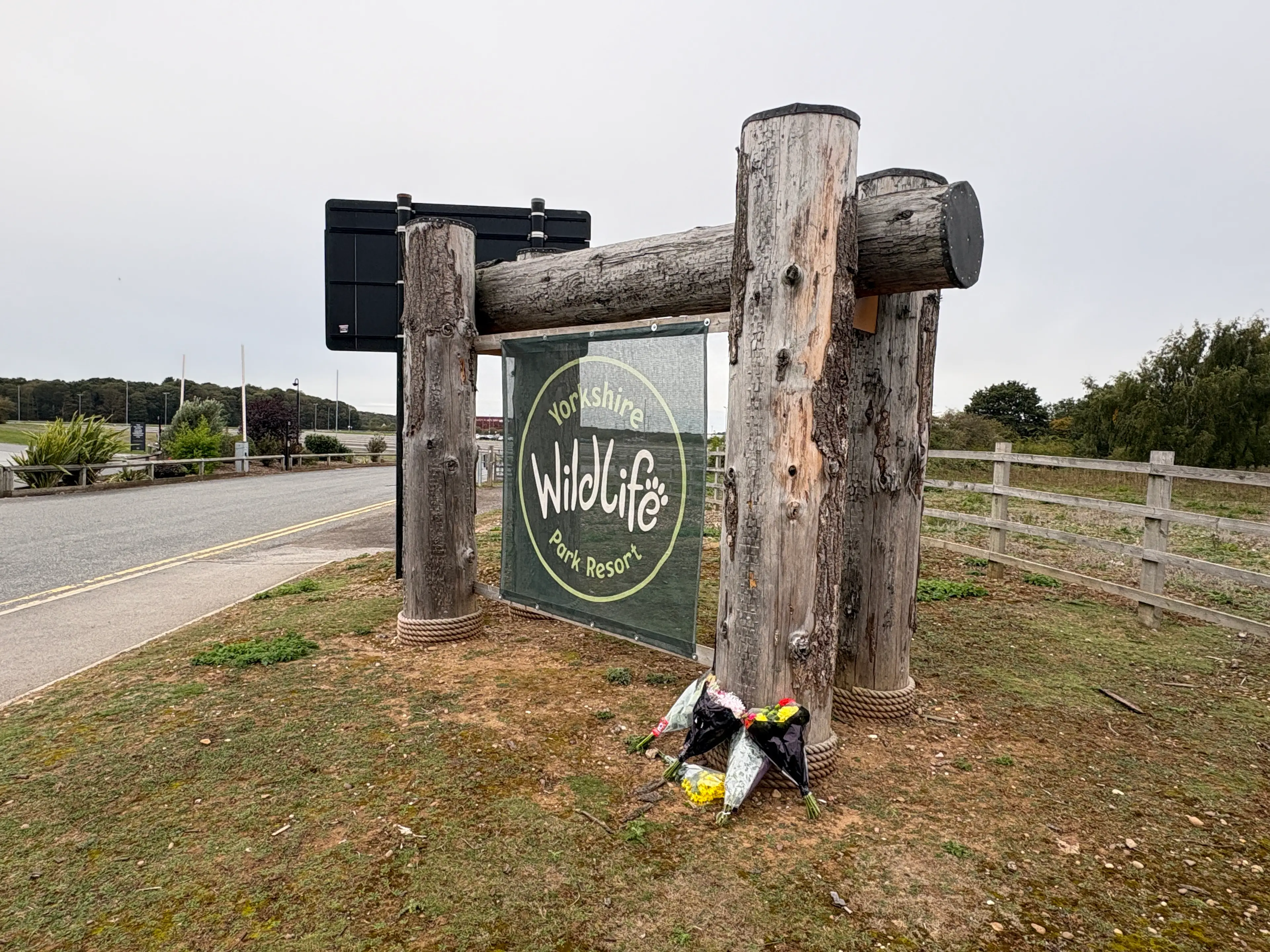
The victim, William Chapman, had been attacked by the animal at the wildlife park in Doncaster, on Saturday.
His family said he had suffered from ‘significant mental illness over a number of years’ and was ‘prescribed strong medication’.
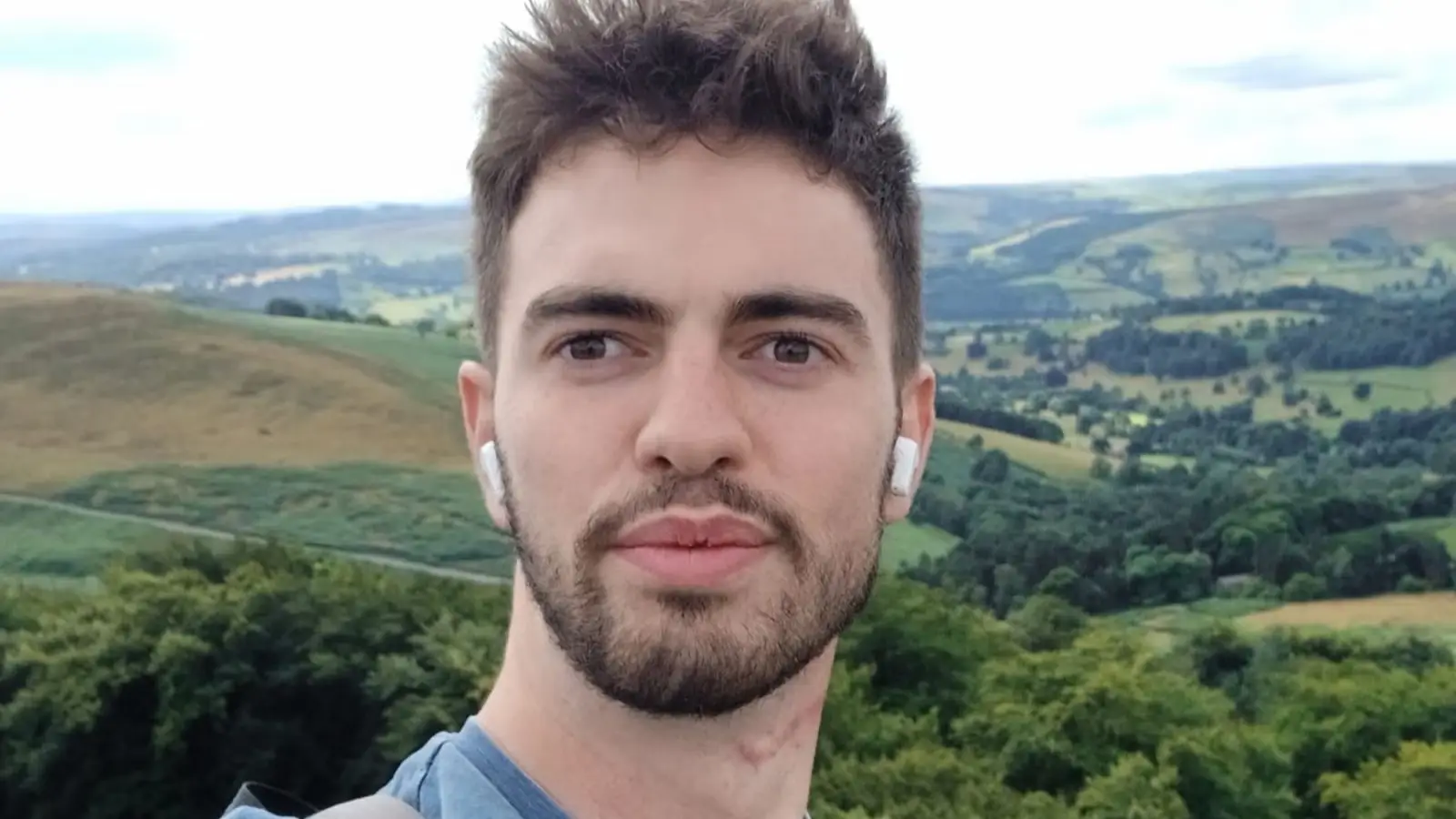
William Chapman died in the incident (Instagram)
The coroners hearing was told that William’s family had confirmed he had ‘a history of mental illness, a diagnosis of schizophrenia and had suffered previous bouts of psychosis’.
In a statement released on Tuesday evening, his family had said: “It will be for the coroner to decide what part this played in his death.”
The former child actor had recorded himself approaching the big cat before the incident occurred in front of park attendees.
A hearing held at Doncaster Coroner’s Court on Thursday morning heard how William climbed two fences before entering the enclosure.
A post mortem gave his provisional cause of death as multiple traumatic injuries from animal interaction.
Floral tributes were left at the park (Dave Higgens/PA Wire)
He was under adult mental health services in Doncaster but was ‘highly functioning and independent with no care requirements,’ the inquest heard.
Coroners officer Caitlin Brookes said the Rotherham, Doncaster and South Humber NHS Foundation trust had launched an investigation following his death.
His family previously issued a tribute in which they described the 24-year-old, who was a self-employed online trader, as ‘a bright, warm and engaging young man whom his family dearly loved – and William loved them back.’
Emergency services were contacted shortly after 1.30pm on 10 October when Mr Chapman, who police said was visiting the park alone, entered the enclosure.
He was pronounced dead at the scene.
City of Doncaster Council, which is responsible for licensing the park, has since confirmed it has started a health and safety investigation.
William Chapman had concerns raised about his mental health (Family Handout)
In a previous statement on social media, the wildlife park said ‘many, many people’ had contacted them about Altai, the Amur tiger involved in the incident, and it confirmed he is ‘safe and well’ and will not be euthanised.
A full inquest into the death of Mr Chapman will be held on 18 March.
If you’re experiencing distressing thoughts and feelings, the Campaign Against Living Miserably (CALM) is there to support you. They’re open from 5pm–midnight, 365 days a year. Their national number is 0800 58 58 58 and they also have a webchat service if you’re not comfortable talking on the phone.
The NHS has issued guidance on how people can protect themselves from American Covid as cases of the virus are on the rise.
Figures from the UK Health Security Agency have shown that there were 4,589 reported cases in September, a significant increase of 230 percent from the 1,374 reported cases in August.
This big increase was also reflected in a rise in the number of hospital admissions for Covid, which rose by 420 percent over the same period, from 950 to 4,939, with over half of the positive cases being linked to the XFG variant.
In a blog post the UKHSA has also issued a warning about the condition, advising people who show symptoms of it to stay away from people who are immunocompromised and to self-isolate.
“If you have symptoms of a respiratory infection, such as Covid-19, and you have a high temperature or do not feel well enough to go to work or carry out normal activities, you should avoid contact with vulnerable people and stay at home if possible,” said the UKHSA.
Cases are on the rise as the days are getting colder (Getty Stock)
The name ‘American Covid’ refers to the XFG Covid variants, with the UKHSA explaining that the condition was named for the place where it was first detected and then sequenced, not necessarily where it originated.
There are also concerns that the actual figures of infections are higher as these do not account for people experiencing milder symptoms, who can also spread the virus to people who may be vulnerable to having more serious symptoms.
Nonetheless, while there is a spike in cases as we move into the colder months of the year, the UKHSA said that cases are still far below their highest point back in January 2021.
At this time there were over 20,000 people in hospital, according to the UKHSA.
The NHS has advised that people who believe that they have covid should self-isolate for three to five days, avoiding contact with other people, while for people under 18 this is three days.
If someone has a positive covid test then they should avoid contact with people who are immunocompromised for a period of at least 10 days.
People have been advised to avoid contact with immunocompromised people if they test positive (Getty Stock)
The current rise in cases has come as health bosses in the UK have advised people to start getting both flu and Covid as we start to move into winter, when we typically start to see a rise in cases each year.
Symptoms of the condition have also been shared in an effort to help people spot if they may have picked it up.
If you have the XFG strain of covid then you may find that you feel excessively tired or exhausted, because the condition impacts your upper airway.
Other symptoms can include hoarseness, a fever, a cough, and a sore throat, which are also symptoms which match the Omicron variant of Covid.
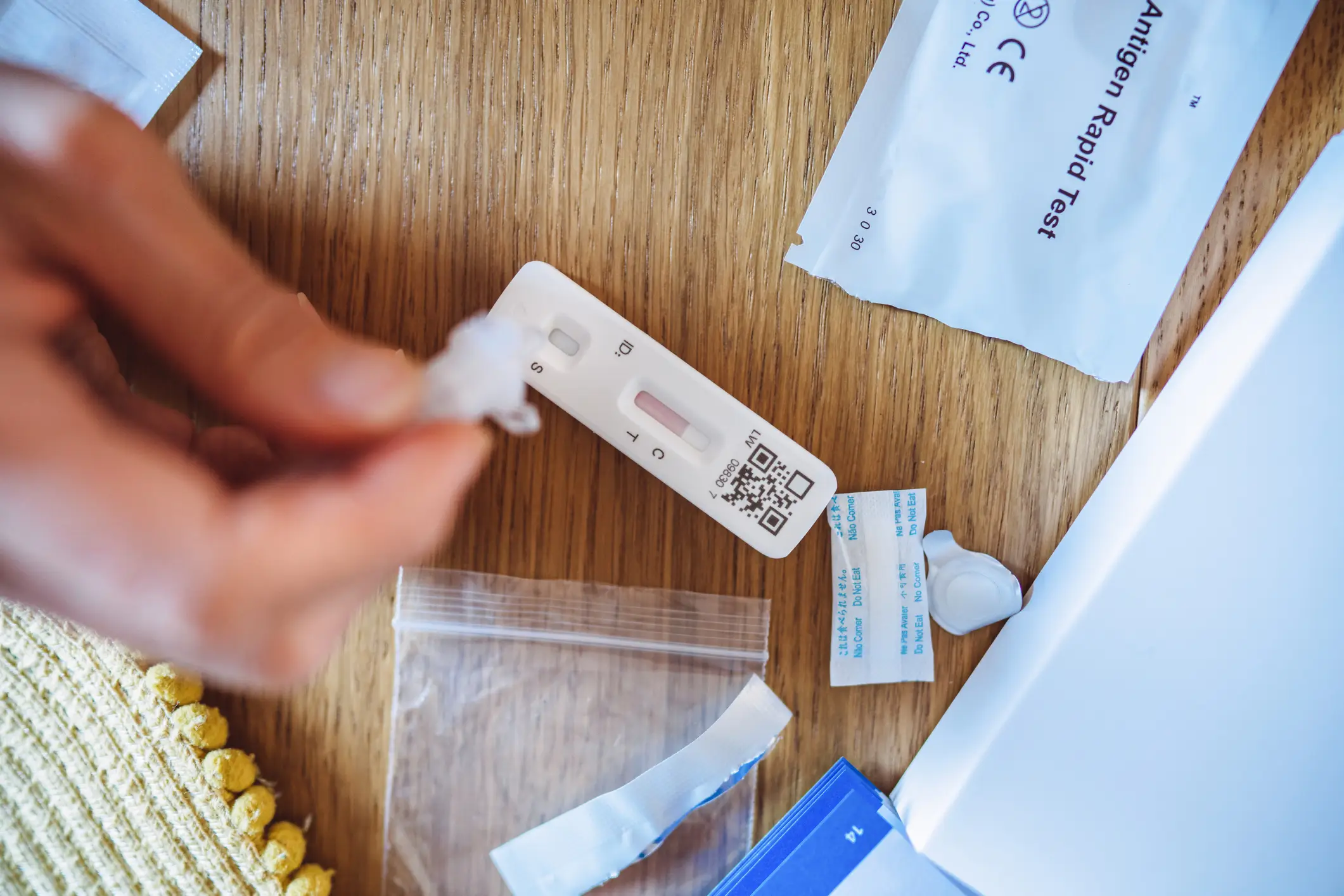
Most of the time if you show symptoms you do not need to take a lateral flow test, the NHS has said, though it has warned about avoiding contact with people who are immunocompromised, such as the elderly, small children, and people with a disability or medical condition which makes them vulnerable to respiratory conditions.
Saudi Arabia’s Supreme Court has decided to overturn the death sentence given to a migrant worker over a now-deleted comment on Facebook.
Anojan Sivarasa, from Sri Lanka, was convicted of blasphemy against Islam over his response to a video of a young Muslim man kicking a dog following Hindu pilgrims.
On 28 June, the 24-year-old replied with a comment in Tamil to another user who wrote a derogatory comment about a Hindu deity by insulting Prophet Muhammad.
“The comment quickly gained attention, and a screenshot was apparently sent to Saudi authorities and Sivarasa’s employer,” the Human Rights Watch (HRW) reported.
“Sivarasa deleted the comment and uploaded an apology video to his Facebook account. Sivarasa’s employer held him in its office for at least 24 hours and then took him to the Dammam police station, where he was arrested on 1 July, a family member said.”
The Al-Ahsa Public Prosecution charged Sivarasa with ‘verbally insulting and offending our Prophet Muhammad’ and ‘producing and disseminating, through the information network, material prejudicial to religious values and public morals, by publishing a comment on a social media program containing words contrary to religious values and public morals,’ according to court documents seen by HRW.
Last month, the sole breadwinner told his loved ones that he had been sentenced to death, with one family member saying: “We never expected this situation.
“The family is shocked and they still are recovering from that state of shock.”
Death sentence overturned
Saudi Arabia’s Supreme Court has overturned Anojan Sivarasa’s death sentence (Human Rights Watch)
Faizer Mustafa, who is involved in legal negotiations with Saudi Arabia regarding Sivarasa’s case, told BBC Sinhala that Saudi Arabia had overturned the death sentence and were reviewing the Supreme Court’s latest ruling.
“Saudi authorities should end their use of abusive laws to hand out extraordinary sentences for speech-related offenses, especially against migrant workers who are already in a vulnerable position with limited protections,” HRW senior Saudi Arabia researcher Joey Shea said.
“Sentencing a migrant worker to death over a Facebook comment that he has publicly apologized for is an outrageous overreaction from Saudi authorities amid a surge in executions.
“No one should face execution for a comment on religion.”
How many people have been executed in Saudi Arabia this year?
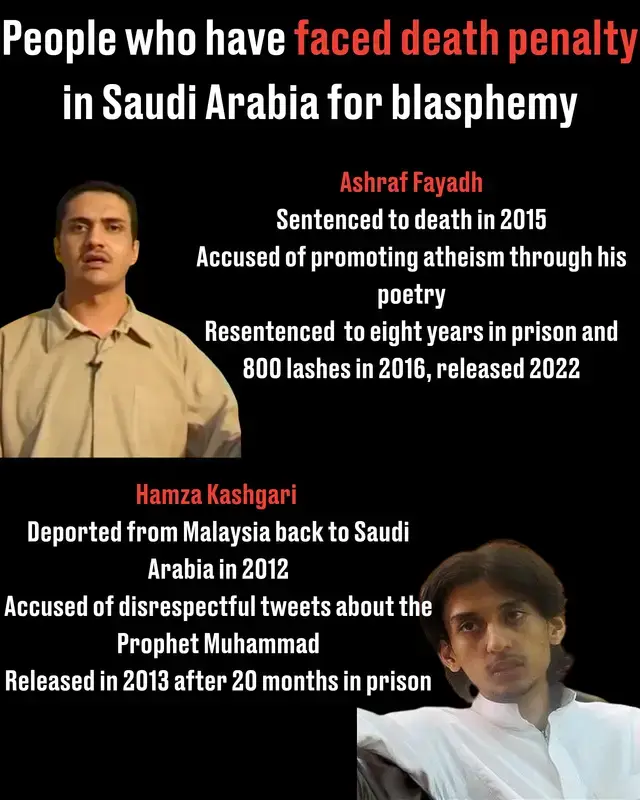
People accused of blasphemy in Saudi Arabia who faced the death penalty (LADbible/ITV/Supplied)
According to Amnesty International, nearly 100 people have been executed in Saudi Arabia this year, as of 18 June 2026.
“Foreign nationals have borne the brunt of Saudi Arabia’s ruthless use of the death penalty for drug-related offences, frequently after grossly unfair trials. It is profoundly alarming that at least 63 Ethiopian nationals, held in a single ward of Khamis Mushait detention facility in south-west Saudi Arabia, may be at imminent risk of execution solely for drug-related offences,” said Dana Ahmed, Middle East Researcher at Amnesty International.
“Concerns for their safety have heightened after seven Ethiopians were executed earlier this year – all for ‘smuggling hashish’.
“Saudi Arabia’s execution spree reflects a dangerous global trend in which punitive drug policies are increasingly driving the use of the death penalty. The international community must speak out unequivocally against these unlawful executions, and Saudi Arabia must immediately establish a moratorium on the use of this cruel and irreversible punishment as a first critical step towards abolition.”
Amnesty International recorded at least 356 executions in 2025 alone.
Coinbase, which says it custodies roughly 5% of all Bitcoin, urged developers to start preparing for the quantum threat now, warning that consensus changes and migration “can take years.”
It laid out technical requirements—backing a flexible “container” design like BIP-360, a staged “1-of-2” classical-plus-quantum spending path, and compatibility with the MPC key-splitting custodians rely on.
The exchange said dormant, lost, and Satoshi-era coins are a separate governance problem.
Coinbase is pressing Bitcoin’s developers to begin preparing for the quantum-computing threat before it’s too late, laying out a detailed technical wish list for how the network should harden itself and arguing the work can’t wait for certainty that a threat has arrived.
In a blog post published Tuesday, the exchange, which says it custodies roughly 5% of all Bitcoin in existence, framed the shift to quantum-resistant cryptography as a complex, multi-year undertaking that needs to start now.
“Bitcoin consensus changes and ecosystem migrations can take years,” the company wrote, warning that waiting for the announcement of a cryptographically relevant quantum computer, the kind capable of breaking Bitcoin’s signatures, would leave too little time to respond.
The concern centers on how Bitcoin secures wallets. A sufficiently powerful quantum machine could, in theory, derive a private key from an exposed public key and drain the funds, a hypothetical milestone the industry calls “Q-Day.”
Coinbase stressed that a fix involves far more than picking a new signature scheme: any transition would need to protect both existing and newly created coins, fit Bitcoin’s limited block space, keep working for ordinary wallets and institutional custody alike, and offer a migration path for coins that never move.
BitcoinBTC · USD
$81,273−1.77%
Oct 8Oct 10Oct 11Oct 13Oct 15
$84.2k$83.0k$81.8k$80.6k
24h HighHigh$83,791
24h LowLow$80,444
VolVol$1.9B
Market projectionsOdds by Myriad
→
The post reads less like a mandate than a set of requirements from one of the network’s largest stakeholders. Coinbase backed a flexible “container” design, pointing to proposals such as BIP-360, that would let new post-quantum signature systems be swapped in over time without a full redesign.
It also floated a staged “1-of-2” construction, letting the same funds be spent with either a classical key or a quantum-safe one during the transition. The company emphasized that whatever scheme Bitcoin adopts should be compatible with multi-party computation, the key-splitting technique custodians like Coinbase rely on to guard against theft.
Thornier still is the question of dormant, lost, or exposed coins, including Satoshi-era holdings, which Coinbase said should be treated as a separate governance problem. It cautioned that any rescue mechanism must itself be quantum-safe, so an attacker who only knows an exposed public key couldn’t exploit it.
The exchange convened a quantum advisory board in January o study the risks and develop precisely the sort of guidance it offered this week. The company also joined a Bitcoin Security Consortium in July alongside BlackRock and Strategy, pledging a combined $15 million toward quantum-proofing Bitcoin.
Daily Debrief Newsletter
Start every day with the top news stories right now, plus original features, a podcast, videos and more.