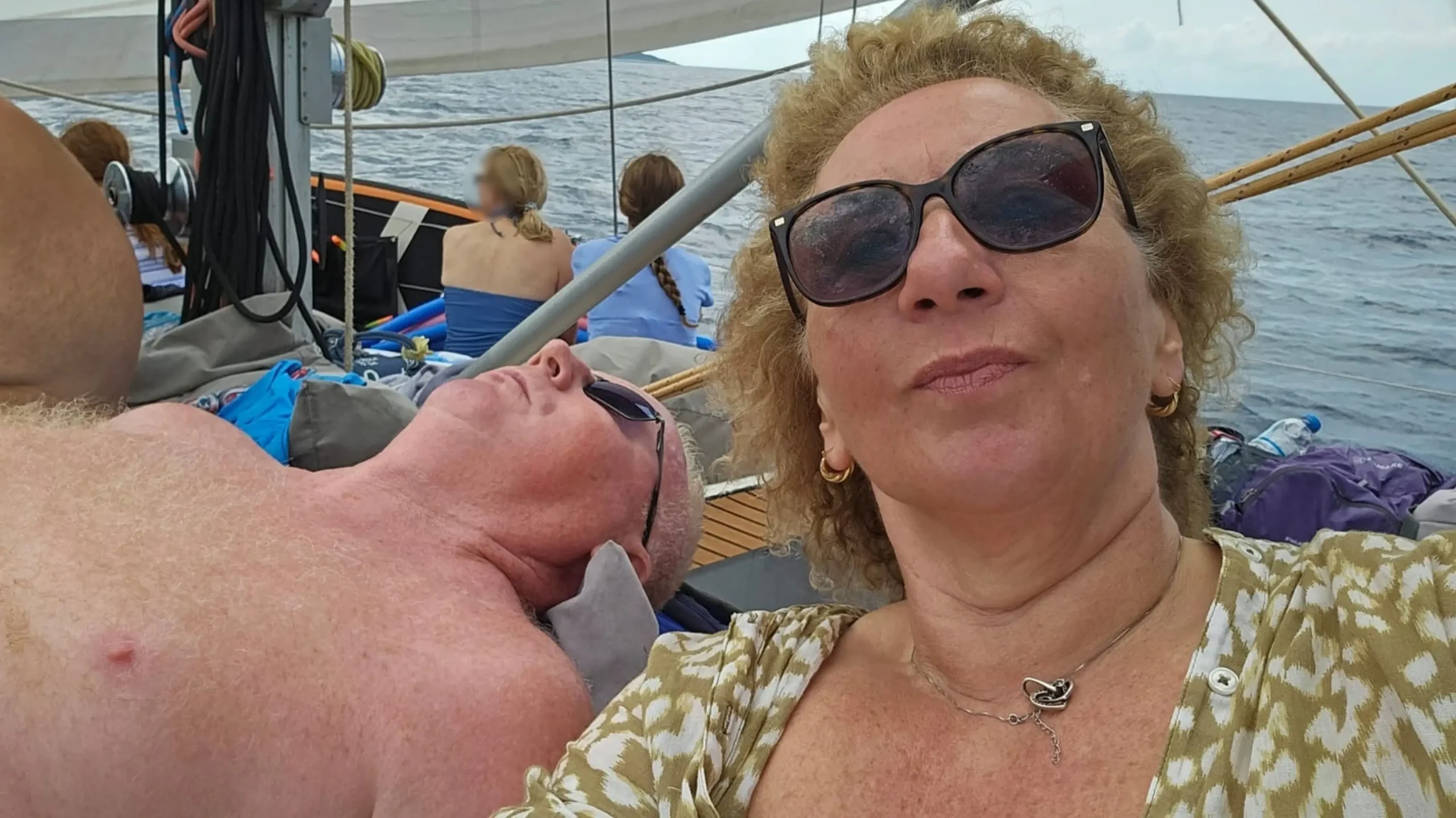
A mum of two has vowed never to travel abroad again after a quad bike accident left her with a broken back and a £28,000 bill.
Last month, Diane Steadman and her partner, Mick Raftery, travelled to the Greek island of Skiathos for a two-week vacation, quad biking across various idyllic beaches.
However, tragedy would strike on the last day of their holiday when the couple were allegedly struck by a car while heading back to the rental store to return their vehicle.
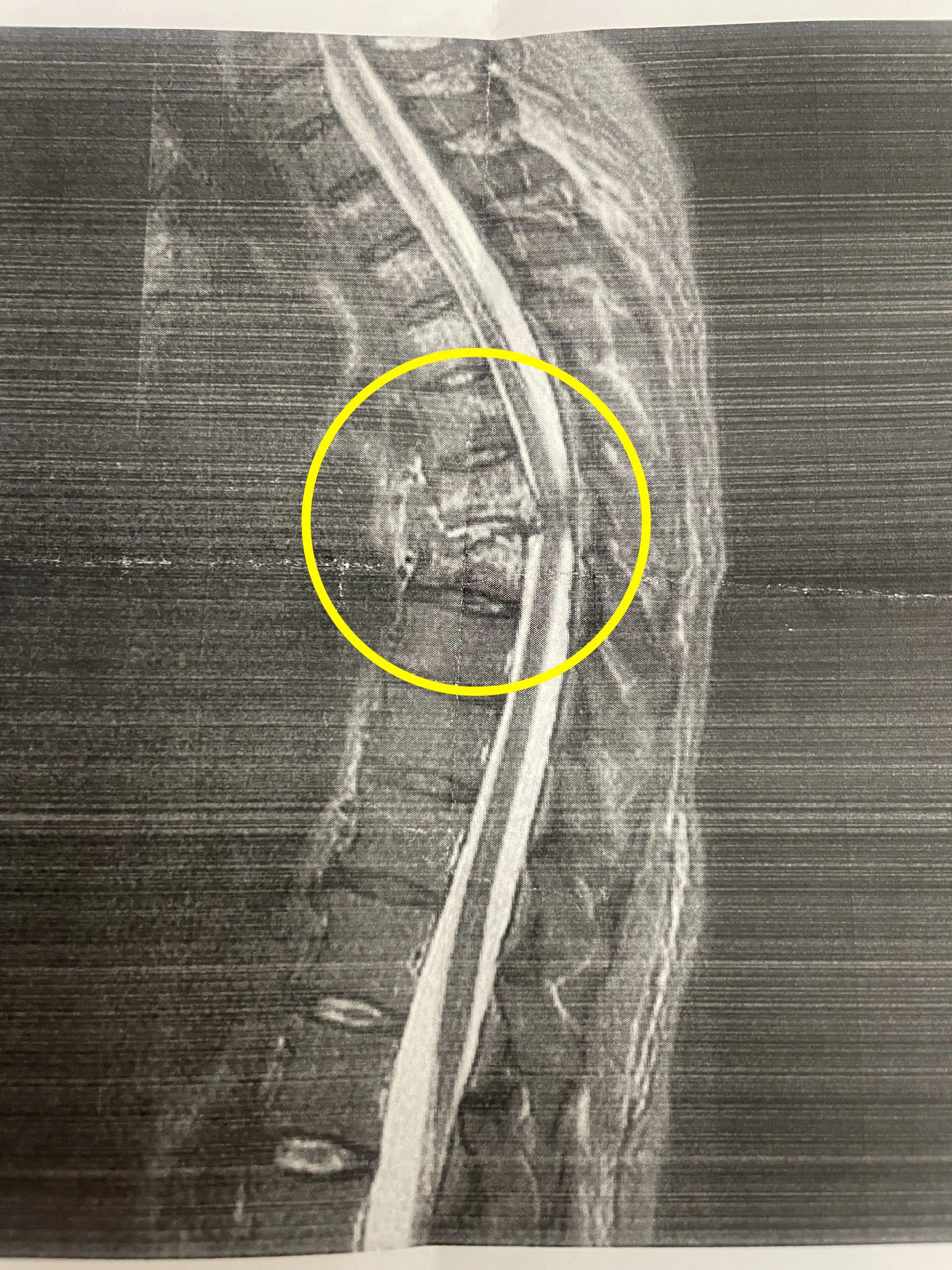
The impact of the car crashing into the back of the bike sent both Mick and Diane flying, and while Mick was fortunate enough to walk away from the accident with cuts and bruises, Diane suffered fractures to two of her vertebrae.
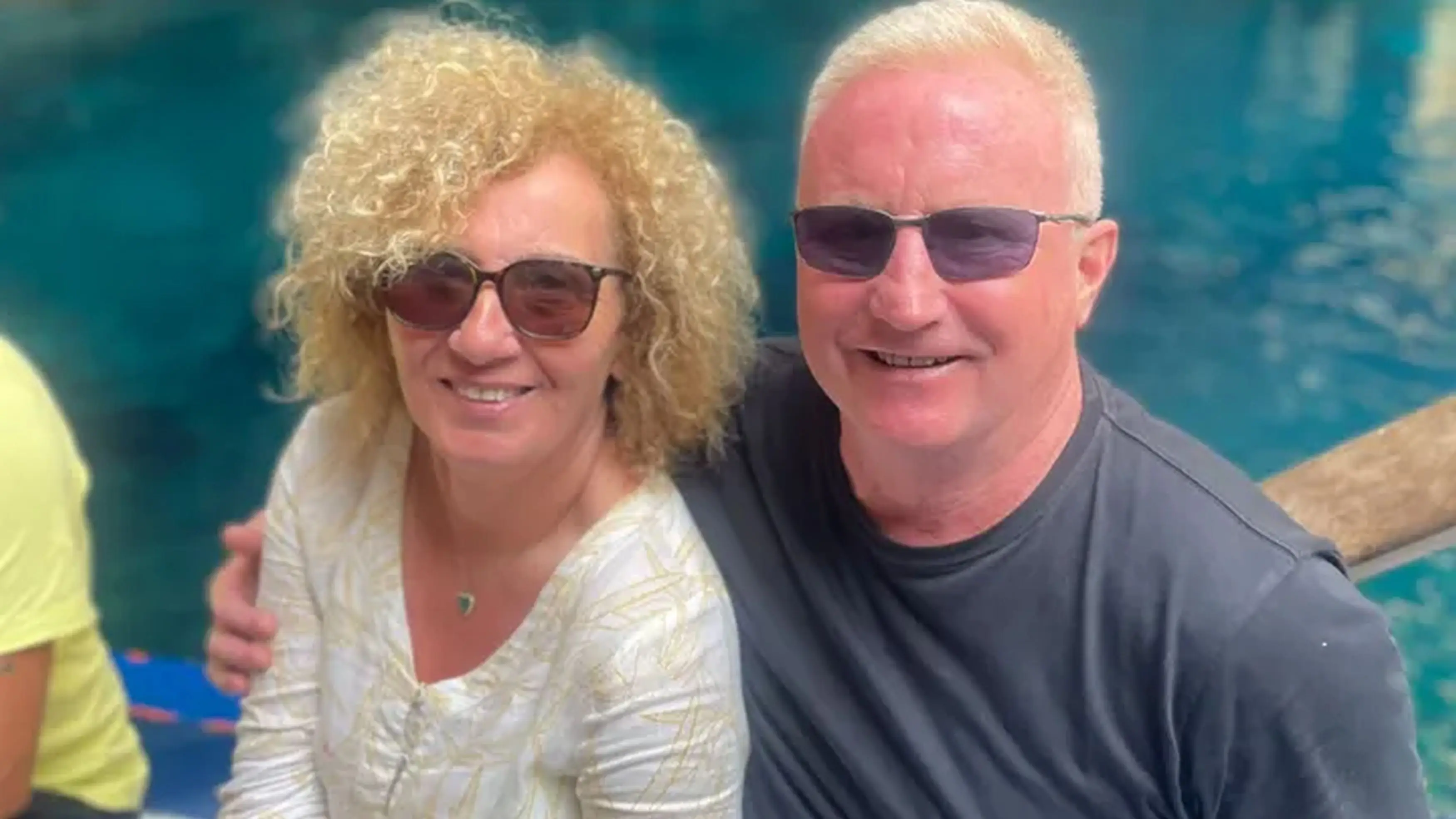
Diane and Mick had enjoyed a two-week trip to Greece when tragedy struck on their last day (Kennedy News and Media)
“I felt a jump in my back and I don’t remember anything else,” Diane recalled. “All I remember is waking up on the road.
“I was in and out of consciousness, I didn’t have the energy to speak to anybody when I woke up,” she continued.
“I tried to be strong but I’m so frightened, I feel like I’m going to die.”
The 61-year-old was rushed by ambulance to an emergency medical centre before being transferred to the Greek mainland for further treatment. After purchasing travel insurance before the trip, Diane had believed she would be covered for the accident.
However, when the carer went to file a claim, it emerged that her provider didn’t cover accidents from quadbikes, meaning she would now be forced to pay out of pocket for any healthcare she received in Greece.
The couple were hit from behind while driving back to the quadbike rental store, leaving Diane with a broken spine (Kennedy News and Media)
Not covered by their travel insurance, the couple have been forced to pay £28,000 for a medical ambulance home (Kennedy News and Media)
Unable to afford the £40,000 operating fees, Diane was left with no choice but to borrow £28,000 in order to cover her flight home in an air ambulance.
The couple are now fundraising to help cover the cost of the medical transport, which brought them back to the UK on 30 September.
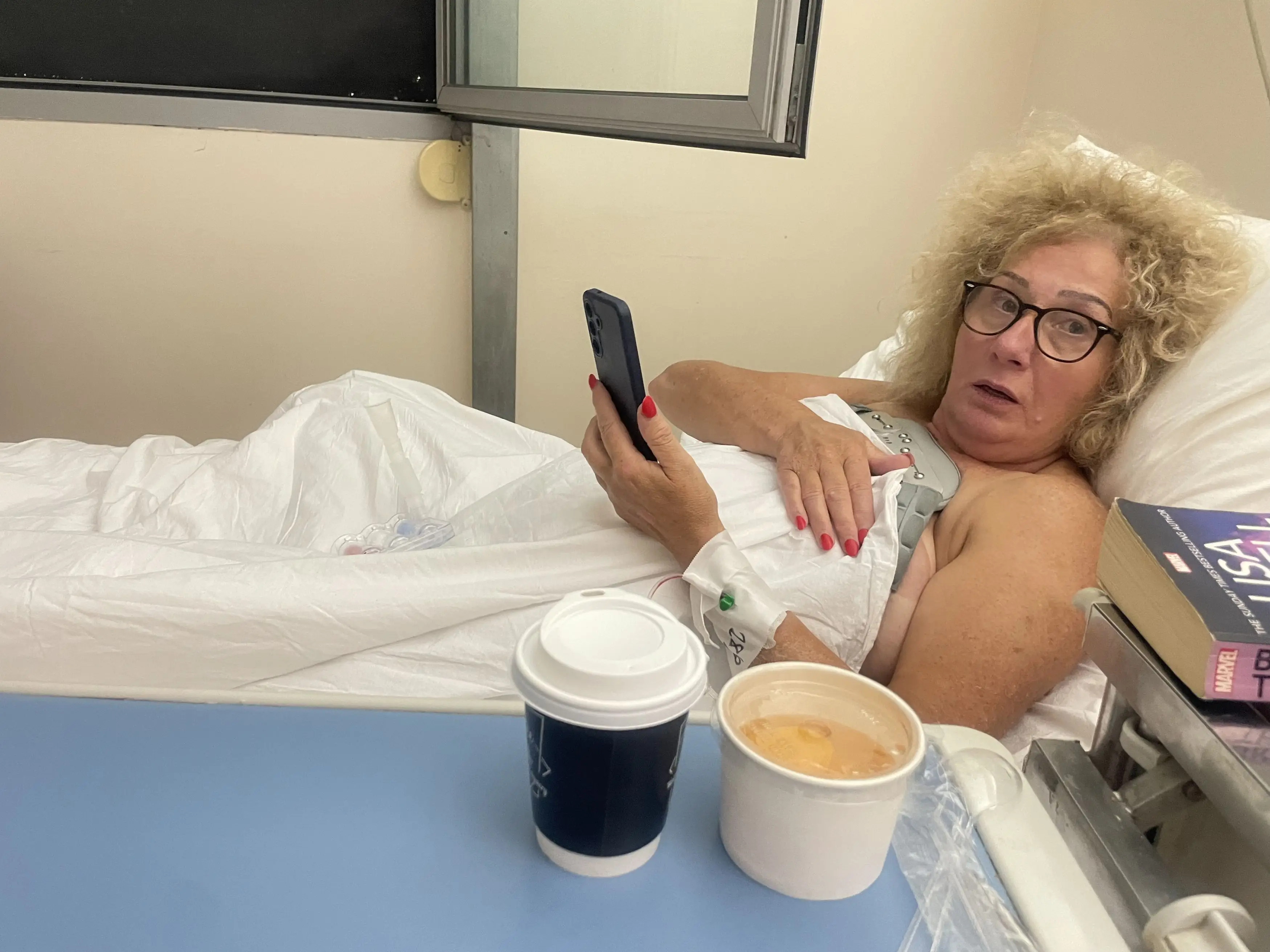
Now back home in Warwickshire and waiting for an operation, Diane has been left ‘terrified’ by the experience and has vowed never to travel abroad again.
Diane is now awating surgery (Kennedy News and Media)
“It’s just been one thing after another, I will not be going abroad again, no way,” she said.
“Mick has been brave and tried to put a smile on my face. I’m scared of the operation, everyone is telling me it’s going to be okay.”
Meanwhile, Mick has urged people to make sure they read the fine print on travel insurance policies before jetting out so they don’t find themselves in a similar situation.
“Check your insurance before you rent a quad bike,” he added. “We were mistaken in thinking insurance covered quad bikes too.”
Warning: This article contains discussion of suicide which some readers may find distressing.
The three sisters from west London, whose bodies were recovered from the sea off Brighton, cleared some of their bank accounts in the days leading up to their deaths.
The bodies of Jane Adetoro, 36, Christina Walters, 32, and Rebecca Walters, 31, were pulled from the water on 13 May.
Senior coroner Penelope Schofield ruled their deaths as a suicide, but admitted that it ‘sadly may never be known’ why they took their lives.
“Many of the ladies’ accounts had been cleared of funds and in some cases debts had been settled,” Schofield said.
“Jane and her sister Rebecca shared the lease on their two bedroom flat.
“It showed very few belongings and looked like it had been cleaned.”
On 11 May, the sisters, who had lived ‘very secluded lives’, travelled to Birmingham and were dropped off close to their mother’s former home, near to where she had drowned more than 16 years earlier.
Emergency services attended the scene at around 5.45am on 13 May (Getty Stock Images)
After spending 90 minutes in Birmingham, they then took a taxi back to London in the early hours of 12 May and headed to Brighton that evening, arriving at around 10.21pm.
They are thought to have last been seen alive on CCTV at 2.42am on 13 May. A cyclist reported seeing a body on the beach and emergency services attended the scene at around 5.45am.
Paying tribute to his daughters, Joseph Jacobson, who attended the Brighton inquest by videolink, said in a written statement: “There are no words that can adequately express the pain of losing a child.
“To lose all three of my precious daughters, Jane, Christina and Rebecca, is a heartbreak beyond anything I could ever have imagined.”
He said he ‘cannot understand why their lives ended so suddenly’, but added: “You were my daughters, you will always be my daughters and I will love you for the rest of my life.
“May your beautiful souls rest in perfect peace.”
Jacobson later asked the coroner: “Have police got any proof that it was a suicide attempt, because based on the laptop, she could have been researching that, but that doesn’t give police the final answer that it was a suicide attempt?”
Schofield replied: “All the police can do is provide the court with the evidence that they’ve found.”
Detective Chief Inspector Mark Cullimore said he had ‘remained open minded throughout and always considered whether there was third party involvement’ but he was now satisfied there had not been.
If you’ve been affected by any of these issues and want to speak to someone in confidence, please don’t suffer alone. Call Samaritans for free on their anonymous 24-hour phone line on 116 123or contact Harmless by visiting their websitehttps://harmless.org.uk.
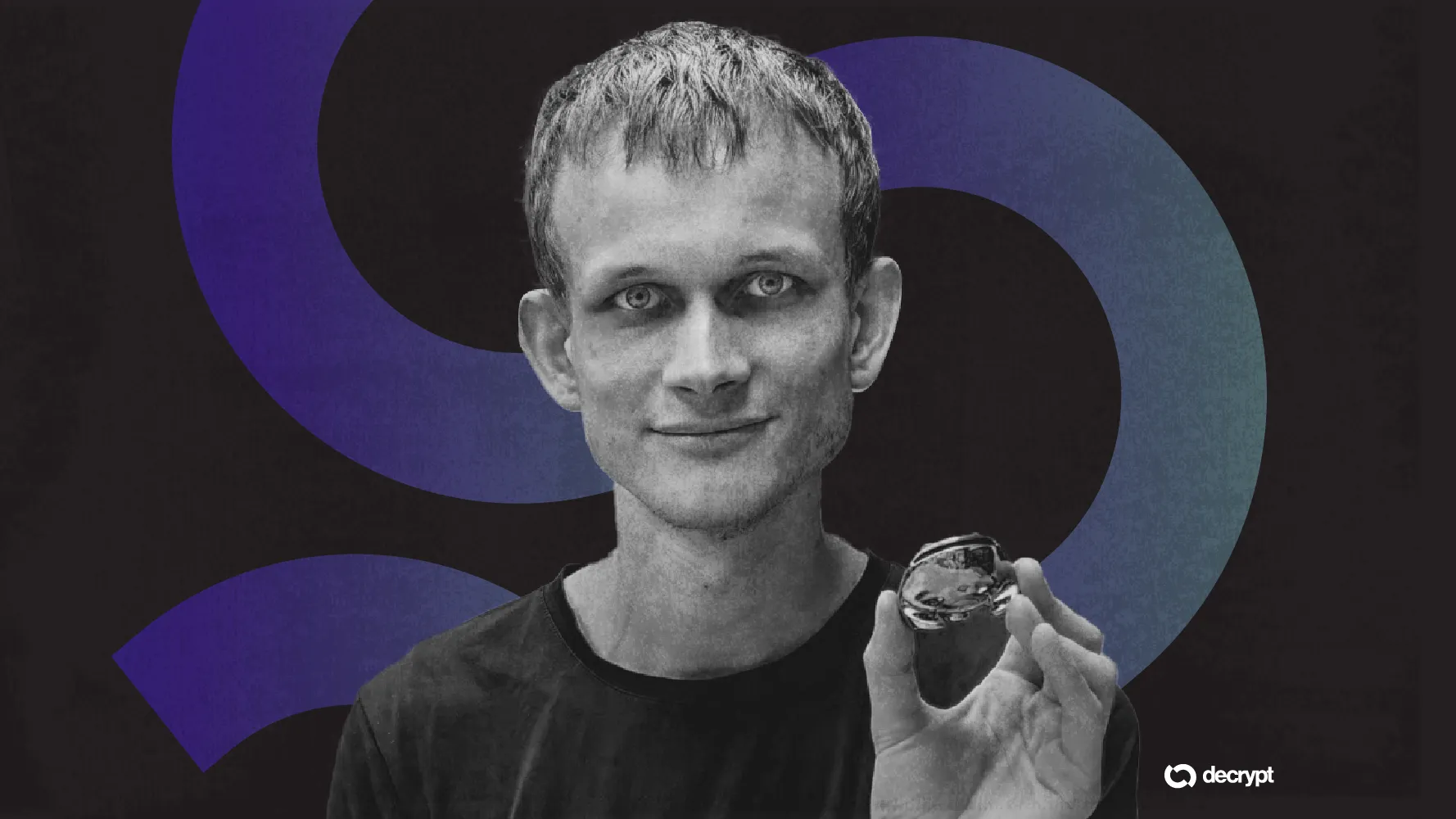
Vitalik Buterin, Ethereum’s co-founder, thinks it is “plausible” that AI-driven advancements in math might break encryption, specifically lattice-based cryptography, within the next two years.
Lattice-based cryptography is one of several options to quantum-proof a blockchain, but Buterin is warning that it might expose the network to a closer AI risk.
It comes a day after Ethereum Foundation researcher Justin Drake also said that AI-accelerated math may break encryption before quantum computing can.
Ethereum co-founder Vitalik Buterin says it is “plausible” for artificial intelligence to break encryption within the next two years. As a result, he believes the industry needs to protect itself from AI-vulnerable cryptography, as well as quantum-vulnerable cryptography.
It comes just a day after Ethereum Foundation researcher Justin Drake called on the industry to plan for “bunker mode” by moving funds to addresses whose public keys haven’t been exposed. Drake said that it’s now reasonable to believe AI advances in math could result in encryption breaking before quantum computers become powerful enough to break encryption, commonly referred to as Q-Day.
“There is a good chance that the concrete security of lattices will take serious hits from the next two years of AI math,” Buterin said on X. “If AI will bring us 50 years of math in two years, then that 50 years of math may very plausibly include a […] level of improvement to our ability to break lattices.”
Lattice-based cryptography is an option that some crypto projects, such as Cardano, have considered in an attempt to quantum-proof themselves. That means that users could be moving funds to addresses vulnerable to AI-attacks in the short term, out of fear of avoiding a long-term quantum threat.
I don’t recommend anyone scramble to move their funds to new wallets today. But we should take the risks to cryptography from AI-accelerated math seriously, and minimize our exposure to not just quantum-vulnerable cryptography, but also potentially AI-vulnerable cryptography.…
“Potential breaks in cryptography by quantum computers were generally thought to be contained to Elliptic curve cryptography and RSA,” Isabel Foxen Duke, head of Mara Foundation and co-author of BIP-360, told Decrypt. “Breaks in cryptography by classical methods (e.g. those potentially created by AI) could affect types of cryptography that are broadly considered quantum secure (e.g. lattice-based cryptography). If we include concerns about classical breaks in the mix, we have to be even more conservative.”
As a result, Buterin believes that any lattices should significantly increase in size to improve safety. Now, the Ethereum founder thinks that hash-based cryptography is a better route for quantum-proofing, but added that, theoretically, AI-driven math could break hashes too.
“I wouldn’t treat Vitalik’s two-year scenario as a deadline. The post doesn’t demonstrate that these systems have been broken,” Ananda Banerjee, founder of analytics firm Charlie Quant Lab, told Decrypt. “I would prepare carefully rather than rush to move funds.”
Buterin isn’t proposing any drastic measures to prepare for a “plausible” doomsday scenario. He suggests keeping your funds in addresses that haven’t made transactions, as the public key will not have been exposed, which significantly decreases the chances of an attack.
The AI fears come just a month after Buterin said that AI wouldn’t doom crypto security, arguing that security defenses will keep pace. His latest comments may suggest that the industry might’ve been running in slightly the wrong direction.
Daily Debrief Newsletter
Start every day with the top news stories right now, plus original features, a podcast, videos and more.
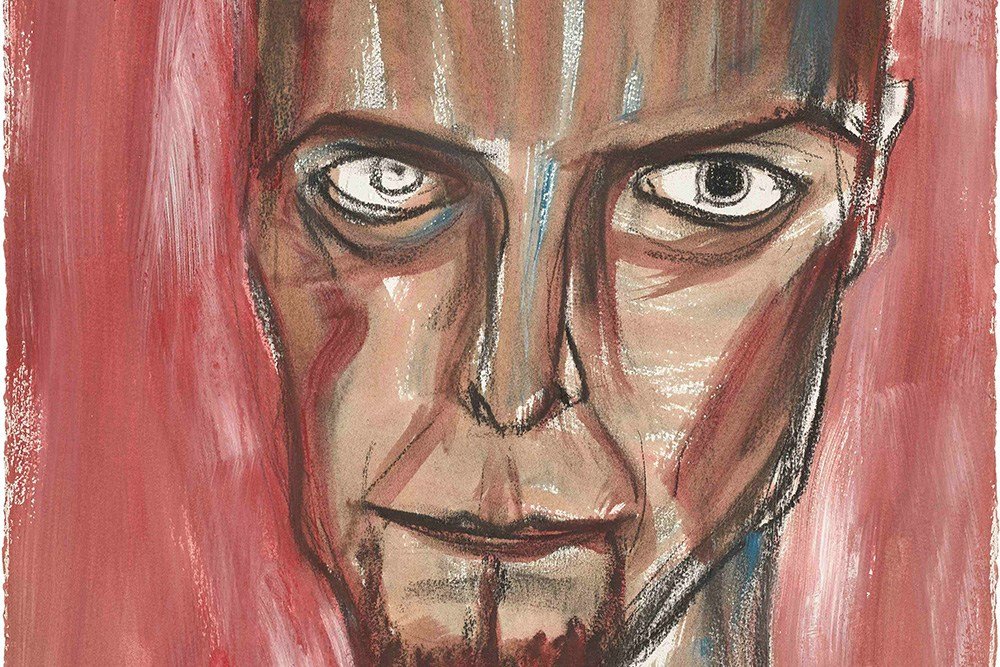
A rare David Bowie self-portrait is going on auction at Sotheby’s, featuring the musician and artist’s own handprints.
The 1996 work is part of eight self-portraits Bowie created during a prolific period of painting, all of which were snapped up immediately. Done on paper, the painting emphasizes Bowie’s signature anisocoria and includes two of his actual handprints pressed directly onto the bottom of the composition — making it arguably the closest to a physical trace of the artist a collector could have.
This particular portrait was gifted by Bowie to his St. Ives gallerist and is now coming to the market for the first time as part of Sotheby’s Modern British and Irish Art Day Auction on Oct. 15. Its price is estimated between £35,000-55,000 ($46,000-72,500). The work is now on public view.
“There’s something incredibly direct and personal about this self-portrait,” Jen Hardie, Sotheby’s director and senior specialist of modern British and Irish art, tells Variety. “Bowie looks straight out at you, and his own handprints appear on the work itself. It’s bold, colorful and unmistakably Bowie, capturing the same restless creativity that ran through everything he did. It also feels particularly special to see a work like this return to Sotheby’s, a decade after our landmark ‘Bowie/Collector’ sale celebrated the extraordinary breadth of his own collection.”
Indeed, “Bowie/Collector” in 2016 sold more than 350 works from Bowie’s private collection, bringing in £32.9 million ($43.4 million) and setting 59 artist records. Bowie was an admirer or German Expressionism, dating back to his years in Berlin in the ’70s, and also of School of London artists Leon Kossoff and Frank Auerbach — the influences of which can all be seen in his own work.
October is rolling round again, bringing with it promises of lots of soft, warm colours, hot drinks, and cosy nights in.
But for many October may bring not warmth and coziness, not to mention Halloween, but a sense of dread at the approach of this particular month, and it’s all because of the ‘October Theory’.
The October Theory is that October acts a bit like a ‘second new year’.
It’s supposedly a time of year where you can pursue more new ideas or new projects, as well as being a time where important things can happen in your life, or so the theory goes anyway.
The theory has spread widely on social media, including on TikTok, where people share how they’ve come to believe that it is indeed true.
While the theory itself is just that, it could make sense for October to feel like a time of change.
This is the first full month of Autumn, where we have definitively left summer behind and the days are starting to get colder and shorter, and the leaves start to fall from the trees.
With that, it’s maybe not surprising that people might feel some sense of change or movement at this time of year.
A beautiful autumn, or the start of a horror movie? (Getty Stock)
Add to that the fact that new school and university years are underway in October and there could even an element of how our years were structured in childhood and early adulthood creating a sense that October is a time of new beginnings.
People took to the comments to share their own thoughts about the ‘October Theory’.
One wrote: “birthdays, breakups and parental deaths lmfao hard to argue w ya”.
Another replied: “October completed destroyed me one year and now it triggers something in me every year now”.
Therapists also have some theories about why October has captured some people’s attention in such a way.
Amanda Carnesecchi is an Associate Therapist at Gateway to Solutions, and told Vice: “We may feel more motivated during this time because we have been primed from a young age that fall is back-to-school season, which is associated with goals, learning, and growth.
It is the spooky season as well (Getty Stock)
“New beginnings, behavior shifts, and fresh mindsets are all elements we have been exposed to during this time of year.”
Meanwhile licensed therapist Bisi Gbadamosi said: “Fall is often a natural reset because it can be a final push right before the holiday season kicks in.
“It can remind us that the end of the year is quickly approaching and encourage us to work towards any final goals or projects we had for the year.”
Not only that, but Carnesecchi added that when we get to actual new year on 1 January there’s a lot more pressure for us to start thinking about the future and to try and set goals for ourselves.
“Come January 1st, there is immense pressure to start fresh or set new year goals,” said Carnesecchi. “These are great intentions, but having so much change at once can be overwhelming and can lead to goals not being met.”
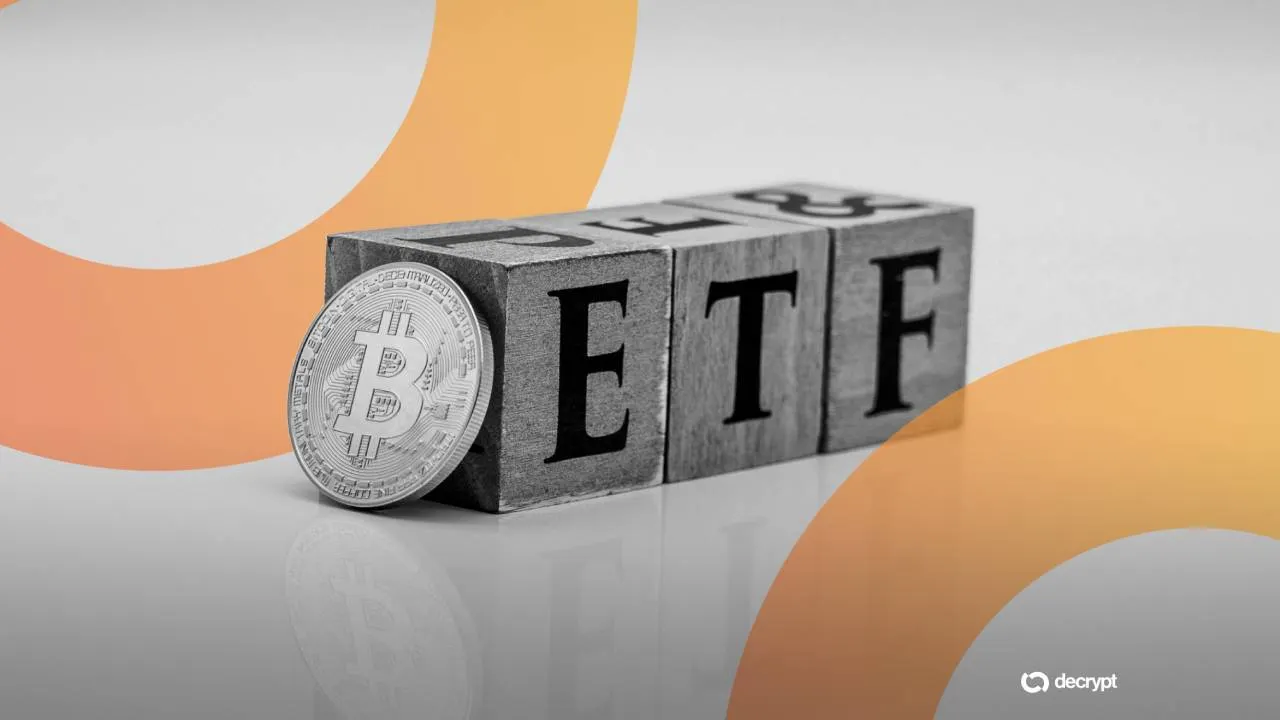
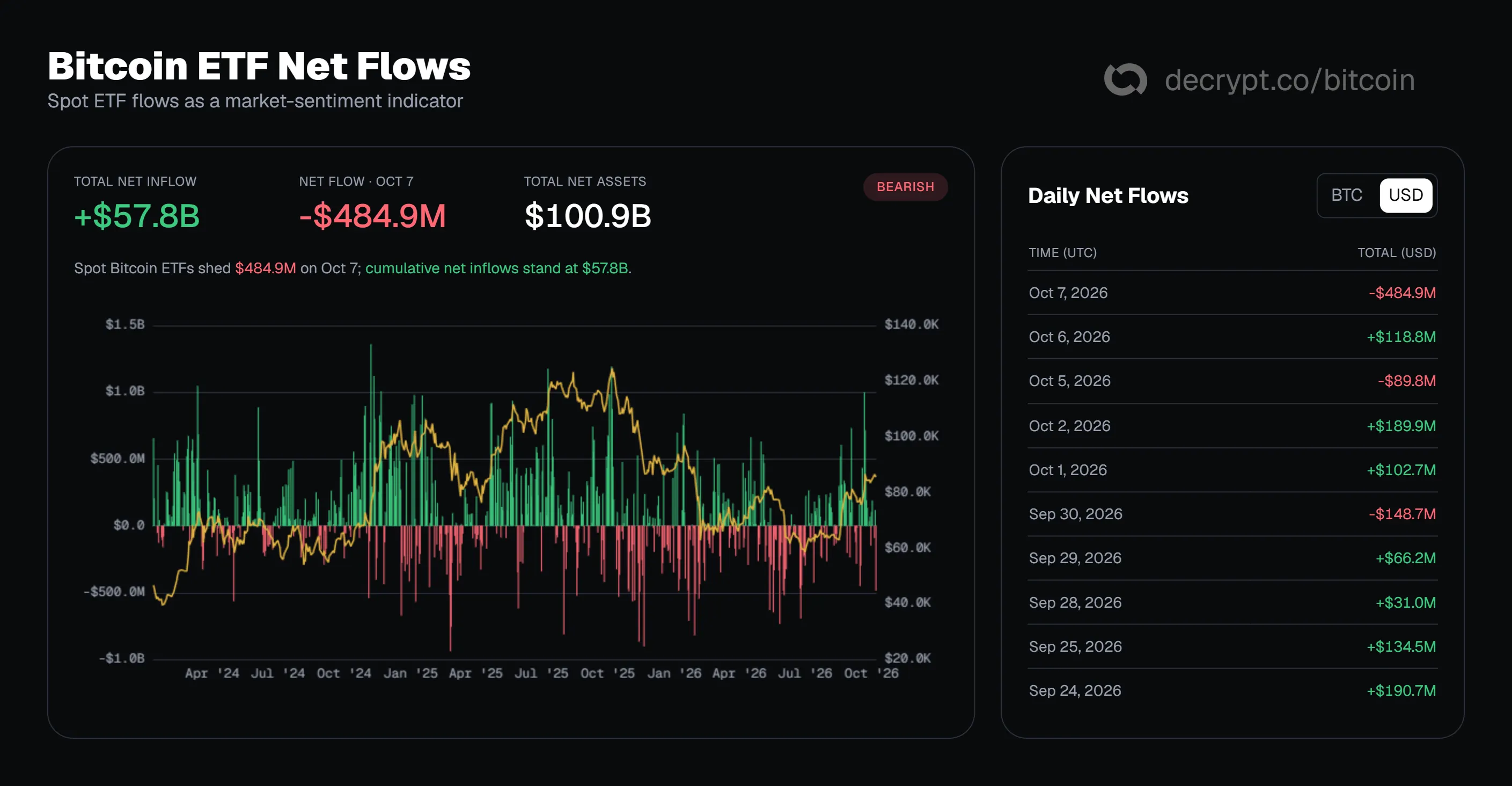
Bitcoin ETFs lost $484.9 million on Oct. 7, their biggest one-day outflow since June 25, with BlackRock’s IBIT accounting for $207.7 million.
The 30-year Treasury yield hit about 5.7%, its highest since 2002, while Brent crude settled near $100 and most Fed officials expect another rate hike by year end.
The funds are down $163.3 million for October through the 7th, after Bitcoin’s six-year October winning streak ended with a 3.69% drop in 2025.
Bitcoin ETFs lost $484.9 million in a single day on Wednesday, the worst outflow since June 25, according to Decrypt‘s ETF tracker. BlackRock’s IBIT took the biggest hit at $207.7 million, with Fidelity’s FBTC next at $105.1 million.
That one session erased roughly 81% of everything that flowed in over the previous nine, so about two weeks of patient buying went out the door in a day. The funds still sit on $57.8 billion in cumulative net inflows, so while it’s a very bad day for ETFs, it’s not exactly a bank run.
The culprit has little to do with crypto itself and is likely much more related to the macro backdrop. The 30-year Treasury yield climbed to about 5.7% on Wednesday, its highest since 2002, while Brent crude settled around $100 a barrel and stocks slid from record highs. Ship attacks around the Strait of Hormuz keep piling up—at least one a day since Oct. 2—and each one is a reason for oil to stay expensive.
What does that mean for Bitcoin investors? Well, expensive oil feeds inflation, inflation keeps the Federal Reserve hawkish, and a hawkish Fed keeps bond yields high. That gets awkward for an asset that pays no interest: why hold Bitcoin through an ETF when a 10-year Treasury yields more than 5% and doesn’t lose 6% in a few days? That’s the math institutions and big-money investors do regularly, and those calculations move the market.
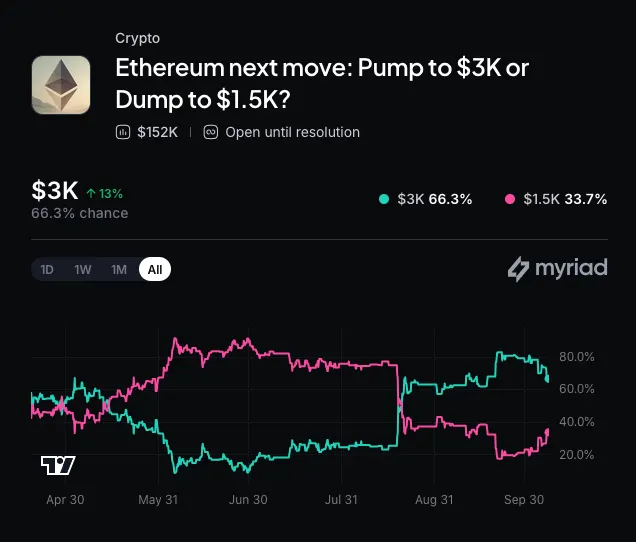
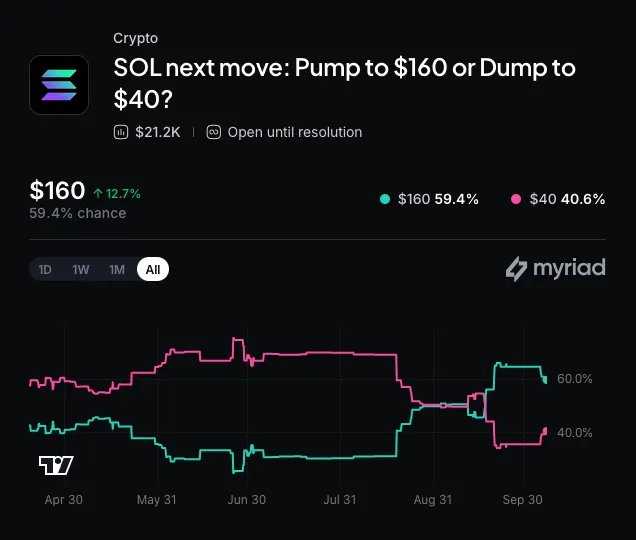
The Fed raised rates in September for the first time since 2023, and the minutes from their most-recent meeting released Wednesday show most officials expect another hike before year end. Traders, though, remain skeptical of another hike, an October move looks unlikely based on CME Fedwatch odds and prediction markets. CME currently prices the odds of a Fed hike in October at 19.4% while Myriad gives a hike a 17% chance.
Outside of Wall Street, Bitcoin slid as low as $81,749.83 on Thursday, about 6% below the $86,978 peak it hit earlier this week, and longs in the derivatives market took the brunt of it: roughly $429 million in positions were liquidated over 24 hours, 87.5% of them long bets, according to CoinGlass.
BitcoinBTC · USD
$82,706−4.16%
Oct 2Oct 4Oct 5Oct 7Oct 9
$86.8k$84.8k$82.8k$80.7k
24h HighHigh$82,684
24h LowLow$80,427
VolVol$1.6B
Market projectionsOdds by Myriad
→
Bitcoin had risen in October six years running until last year, when it fell 3.69%. This year the funds opened October with $321.6 million of inflows over four sessions and are now $163.3 million in the red, with Halloween still 23 days away and plenty of time for things to get spookier.
The Fed meets next on Oct. 27-28 and again on Dec. 8-9, and the September minutes set no date for the next increase.
Daily Debrief Newsletter
Start every day with the top news stories right now, plus original features, a podcast, videos and more.
UTA and Gold House are joining forces at the Busan International Film Festival and in Seoul this month, marking the Asian Pacific advocacy organization’s first official foray into Korea as the two look to connect Asian creatives and investors with Hollywood.
The partnership kicks off with the UTA x Gold House x Variety Industry Night at the Park Hyatt on Friday (Oct. 9). The two companies will then stage a panel, “Hollywood & the Asian Diaspora,” at the Asian Contents & Film Market on Oct. 10, before moving to Seoul on Oct. 13 for a speakeasy party for cross-cultural creatives, funders and founders.
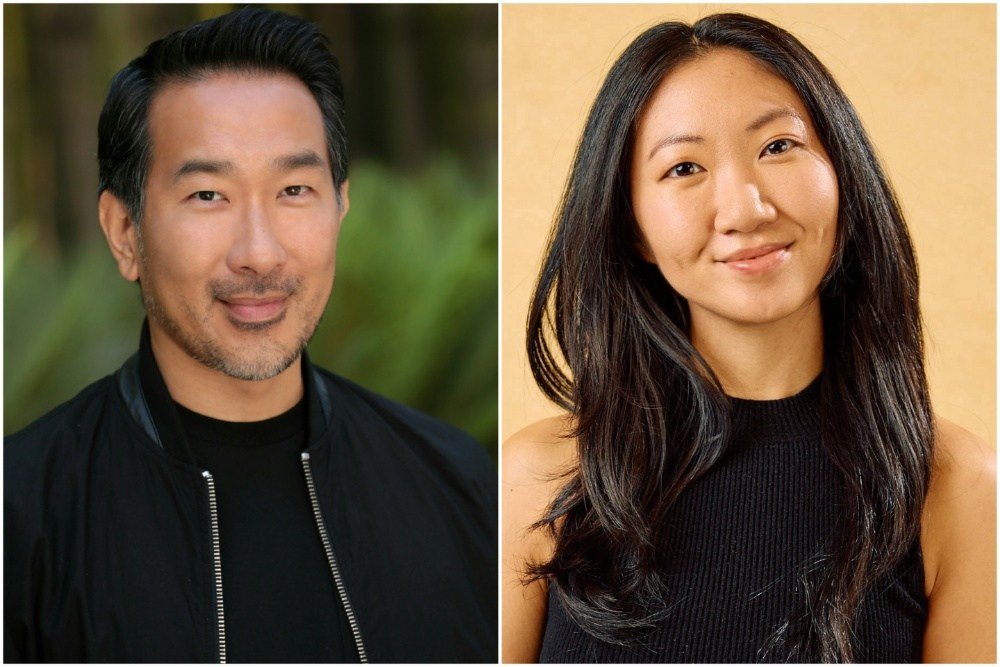
David Park, a senior partner and agent at UTA, notes that the agency has worked in Asia, particularly Korea and Japan, for several years. “Adding Gold House has allowed us to level up, quite frankly,” he says.
Until now, Gold House’s formal footprint in Asia had been limited to Singapore and Taiwan. Christine Yi, executive VP and president, Gold House Studios., is of Korean heritage, as is Daniel Suh, who runs the organization’s venture capital fund. The pair made an exploratory trip to Korea around this time last year to meet people in the local industry and ask what role Gold House could play.
“What we had heard the most about was, do the Gold House thing here. You don’t really have to reinvent the wheel,” Yi says. “Especially as it relates to bringing major Hollywood executives, Dave included, to the table in order to really help facilitate more cross-border partnership, that’s something that they would really want from us.”
“I don’t know if 2026 is the right moment, honestly. The right moment would have been sometime in the past, so I would say that we’re actually overdue,” Yi adds, pointing to Gold House’s investments in Korean startups and the number of its investors based in the country.
Neither side has a formal, ongoing program in place yet. Gold House launched Gold House Studios, its in-house production arm, this year, and Yi plans to use the Korea trip to meet creatives the company wants to work with. “The partnership to us is really all about network and ecosystem building,” she says.
On what they look for in Asian talent and IP, both point to authenticity. “Specificity is what leads to success,” Yi says. “Audiences can tell when something has been watered down for a global palate, and that’s not what they’re asking for.”
Projects needn’t be in English, she adds, but they must connect with English-speaking audiences, where Gold House’s audience base sits. The company’s track record also leans heavily on first features, a stage where filmmakers “need someone to really take a bet on them.”
Yi is also eyeing Korean talent-led projects. She won’t name names, but says a singer from a group that would come up “within your first couple” if one listed the top K-pop acts in the world has approached Gold House about making a film.
“She can call anybody at all. But I think the way that her team wanted to approach us is like, ‘You guys might not be exactly the people, for whatever reason. However, we trust that you know who the right people are if it is not you, and to help us really navigate the U.S.,’” Yi says. “That’s a super-intimidating ask, especially when you’re coming in in a new medium that audiences might not necessarily associate with you.”
Gold House hopes to guide the strategy and possibly work on the production, and Yi sees overseas talent looking for “a safe place to land” as a pipeline worth exploring while in Korea.
Park’s touchstones for authenticity include “Parasite,” whose upstairs-downstairs class story landed in France, and “KPop Demon Hunters,” from his client Maggie Kang. “The only regret she has is that she didn’t add more Korean into the lyrics of some of the songs, or more actual specific locations that she wanted to bring into it,” he says, describing it as a balance Kang had to strike with Sony Pictures and Netflix.
He would also like to see Korea tackle horror comedy. “Comedy is so culturally subjective, it’s harder to travel. But when embedded so intricately and so deeply with horror, for example, that could work, and it could be a huge hit,” Park says.
One of the biggest gaps in the Asia-Hollywood pipeline, in Park’s view, is a shortage of crossover producers with a base in Asia and relationships with L.A. buyers. Outside Netflix and Disney, which run local teams, most buyers rely on U.S. headquarters to judge premium local-language content. “I probably can, if I had to, list those people on one hand,” he says.
For Yi, one gap is capital. She is keen to see whether Asia-based private investors would back U.S. independent films, an asset class she says many individuals in U.S. indie film treat “like philanthropy.” She is also scouting Korean unscripted producing partners.
Looking further ahead, Yi wants to build a cross-border talent development program, whether an exchange, a shadowing scheme or an accelerator.
Park is on board, noting that Bong Joon Ho and “Squid Game” creator Hwang Dong-hyuk can now stay in Seoul and still win Oscars and Emmys. He points to his client Na Hong-Jin, whose “Hope” he calls the biggest movie out of Korea. “Identifying him before he did ‘The Wailing’ would be incredible,” Park says.
Gold House has an executive producer role on Stephanie Ahn’s “Bedford Park,” which is screening at the festival.
Orca and Loopscale merged under the Formation brand, headquartered in New York, with Loopscale co-founder Luke Truitt as CEO; financial terms were not disclosed.
Formation targets financing for AI, energy, robotics and defense assets, backed by Orca’s $550 billion-plus in trading volume and Loopscale’s $150 million in deposits and $2 billion in loans facilitated.
Formation plans to operate a tokenized securities venue under the SEC’s five-year Innovation Exemption and to introduce issuer tools within 12 months.
Solana decentralized exchange Orca and lending protocol Loopscale are merging into a single company called Formation, the two teams announced Wednesday.
The new firm is headquartered in New York and led by Loopscale co-founder Luke Truitt as CEO, with fellow co-founder Mary Gooneratne as chief operating officer and Orca’s Christopher Montagano as chief strategy and legal officer. Neither announcement discloses financial terms.
Formation pairs Orca’s trading infrastructure with Loopscale’s credit order book and vaults, so an issuer can launch an asset with trading and credit live from day one, according to Loopscale’s FAQ. Orca has processed more than $550 billion in trading volume since 2021, while Loopscale reports more than $150 million in deposits and over $2 billion in loans facilitated, according to the companies’ own numbers.
The idea is to provide a full stack of decentralized financial services, integrating liquidity solutions, credit, and vaults into one platform.
Orca launched in February 2021 and raised an $18 million Series A that September. Loopscale, formerly known as Bridgesplit, raised $4.25 million in 2021 from CoinFund, Jump, Coinbase Ventures, Solana Ventures, and Room40.
Formation is targeting AI, energy, robotics, and defense companies whose financing needs it says traditional markets serve poorly.
Truitt cast the merger as a bet that capital markets have to keep pace with the industries they fund. “Every major technological revolution has been paired with a financial one,” he said in the press release.
Formation’s business is exploring the possibilities opened by the SEC’s Sept. 17 innovation exemption, a five-year order that lets tokenized securities venues trade tokenized U.S.-listed stocks through permissioned automated market maker pools without registering as exchanges. Formation says it plans to operate such a venue and pursue additional licenses, building on Orca’s nearly two years of engagement with securities and commodities regulators.
Formation’s press release adds that its planned products are subject to legal and regulatory requirements and may not be available to U.S. persons. Loopscale’s lending, borrowing, vaults and order book keep running as before, and existing positions are unchanged.
ORCA will serve as the token for all of Formation, so Loopscale will not launch its own, per the same FAQ. Loopscale points keep accruing and will convert later this year.
Over the next 12 months, Formation plans to introduce tools for issuers and new capital allocation strategies alongside its existing trading, lending and vault products.
Daily Debrief Newsletter
Start every day with the top news stories right now, plus original features, a podcast, videos and more.
The index being at 55 indicates that there is no significant trend of fear or excessive optimism in the market. However, the 6-point daily drop points to a notable shift in investor sentiment.
CoinMarketCap considers the price movements of the 10 largest cryptocurrencies by market capitalization in its index calculation. Market volatility is also among the key components used in the calculation.
In addition, indicators in derivative markets, particularly the put/call ratio used in the options market, are taken into account to assess investors’ risk perception.
Other components of the index include the stablecoin supply ratio (SSR) and search data from the CoinMarketCap platform.
Recent data reveals that the greed trend seen in the cryptocurrency market in previous days has weakened. However, the index’s retreat to neutral territory does not, by itself, mean the beginning of a new period of price decline or rise.
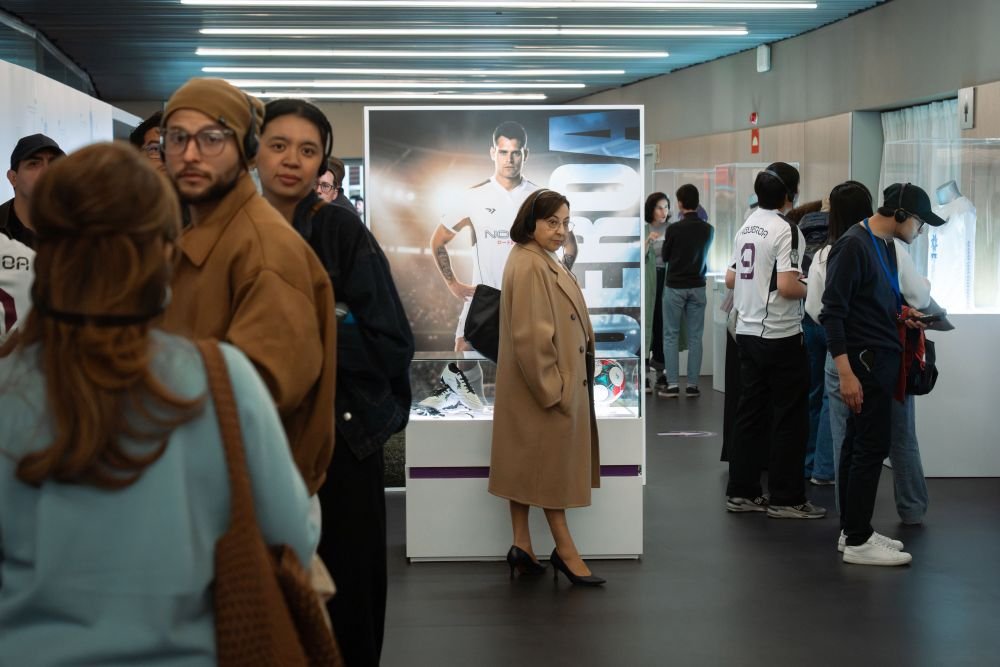
After turning Spain’s tax agency into the unlikely engine of a noir-tinged comedy, “Celeste” creator Diego San José and director Elena Trapé are taking aim at something far more sacred in Spain: soccer.
The six-part second season of the Movistar Plus original brings Carmen Machi (“La Mesías”) back as Sara Santano, the tax inspector who spent Season 1 trying to prove that a globe-trotting Latin music star owed €20 million ($22.4 million) in Spain. This time round, the series rewinds to an earlier point in Sara’s career and revisits Figueroa, the Argentine soccer star whose earlier tax case marked the only professional failure of Sara’s otherwise distinguished career.
The social equation flips with him. Sara embodies one of Spain’s least-loved public figures; Figueroa is a soccer idol whose failings can be forgiven as long as he delivers on the pitch.
Imagina Sales (The Mediapro Studio Distribution) is handling international sales on Season 2 and will bring the series to Mipcom ahead of its Oct. 26 world premiere at Barcelona’s Serielizados Fest.
Season 1 won Spain’s Ondas and Feroz awards for best comedy, while Series Mania’s International Panorama awarded it best series and best actress for Machi last year. It also launched on Arte in France and Flow in Argentina.
Produced by Movistar Plus and 100 Balas, and The Mediapro Studio company, the new season is again directed by Trapé, with San José writing alongside Oriol Puig and Fernando Delgado-Hierro.
San José and Trapé spoke to Variety ahead of Mipcom about the new season.
Why make Season 2 a prequel and return to the Figueroa case?
San José: It really has nothing to do with the person she is pursuing. The decision to go back in time had to do with Sara Santano herself. The Sara we leave at the end of the first season is a woman whose wounds have healed. For a writer, that’s not the most interesting version of her. We wanted a character with wounds and cracks.
So we went back to Figueroa as an excuse to go back to Sara. The case is really a pretext. The advantage of Figueroa isn’t Figueroa. It’s that her husband is alive. That allows us to tell a completely different personal story.
If the first season is about solitude, the second is about the end of love — what happens when two people sleep separately, still care for one another, but are no longer in love.
When you were making Season 1, had you already planted the Figueroa case with a second season in mind?
San José: No. Everything to do with making a second season came after the first was already finished. So at the writing stage we had to approach it almost as an exercise in architecture, or juggling. The first challenge was to make a good season even for somebody who hasn’t seen the first one, so the story works simply as a story.
Then we set ourselves another challenge: making sure everything fits and resonates. If somebody watches both seasons and takes out a magnifying glass looking for something that doesn’t fit, they shouldn’t find it. We also wanted Season 2 to help explain things from the first that were already there.
Sara is exemplary, but she also breaks her own rules. What interests you about pushing her across those lines?
San José: Stories become interesting when characters do things they don’t normally do. Sara is an exemplary inspector, but we put her in circumstances where she breaks her own rules.
She is as obsessive and methodical as an FBI agent looking for a serial killer in Manhattan. We’ve taken the classic codes of film noir and moved them somewhere gray and everyday like the tax office. It’s about giving a tax office the adrenaline and muscle of the Pentagon. That collision between the ordinary and something as explosive as Dirty Harry is part of the DNA of the series.
Even when the characters make questionable choices, the series seems more interested in understanding than judging them. Was that important to you?
San José: Above all, we’ve tried to understand them. I don’t think any of the characters in either season is bad.
Even the alleged tax evaders have understandable interests. The ways they defend them may be wrong, but we’ve tried not to make anyone stupid.
All the characters in “Celeste,” on both sides of the investigation, are emotionally broken. I don’t think you can hate somebody who isn’t happy when they go to bed. If things aren’t going well for you, I think an embrace comes more naturally than an elbow.
Elena, how do you convey that emotional vulnerability without tipping into melodrama?
Trapé: If by sentimental you mean melodramatic, the tone and the way the characters’ feelings emerge are so subtle, delicate and restrained that it’s very difficult for that to happen. That is already very clearly established in Diego’s writing.
It’s also fundamental that Diego is with me on set every day. Any doubt, any ambiguity, any moment when you ask, “Do we push this further or are we already there?” becomes part of our creative dialogue.
“Celeste” Season 2 Javier Perez Garcia
The series has a particular affinity for losers. What draws you to them?
San José: We all have a losing side, and not everybody has a winning side. What equalizes all of us is that we all know what it is to lose. Defeat is what makes us connect.
Both seasons have a special sympathy for losers. We made a heroine out of someone who is clearly looked down on in real life. Tax inspectors are badly regarded in our society.
The fact that a 62-year-old woman who is a tax inspector can at the same time be Dirty Harry is already a bet on turning the loser into somebody who gets a spotlight in fiction that she doesn’t get in real life. The series is made to weave a nice suit for losers who don’t usually get one.
The singer Celeste is no longer central to the story. Why keep the title?
San José: We never attached much importance to the title containing the name of the most important character. “Celeste” for us has become almost more of a color than a figure from music.
People even sometimes refer to Carmen Machi as Celeste: “Have you seen that series about the inspector, ‘Celeste’?”
The first season connected with more people than even we expected, so we wanted to keep the same brand.
Elena, after the response to Season 1, what did you want to achieve with the second season?
Trapé: There’s a solidity to this season that I really like. As the characters gain more volume and nuance, and the plot develops, you enter a universe that keeps expanding. It becomes something more mature.
One challenge of the first season was establishing its very particular tone. This time we, the crew and Carmen already knew it. That gave us much more room to play.
Watching it now, I feel we’ve grown. It feels like a very solid season.
You’ve now made “Celeste” and “Yakarta” together, with Javier Cámara earning an International Emmy nomination last month for the latter. Could there be a “Yakarta 2”?
San José: My plan, as a viewer, is for Elena to make something without me, because I’d like to see it. The downside of working with Elena for three or four years is that I don’t get to watch things by Elena.
We’ve made two series together, three seasons in total, and I’m extremely happy with them. But now it’s Elena’s turn to do her own thing.
If Elena wants to make “Yakarta 2,” it will happen. That depends on Elena.
Trapé: What I hope neither of us rules out is working together again. Whether it will be “Yakarta 2” or something else, I don’t know.
San José: I think if Javier Cámara wins the International Emmy, it’s going to be difficult to sit down to dinner without somebody saying, “Why don’t you make a ‘Yakarta 2’?” So let’s make Javier responsible for that.