If you purchase an independently reviewed product or service through a link on our website, The Hollywood Reporter may receive an affiliate commission.
In May 2023, Ted Lasso aired its season three finale, titled “So Long, Farewell,” marking what was supposed to be the series’ culmination. Cut to August 2026: The Jason Sudeikis-led comedy-drama is back for its fourth season. The 10-episode season premieres Aug. 5 on Apple TV, with remaining episodes dropping weekly on Wednesdays. Following a seven-day free trial for new subscribers, Apple TV is $12.99 per month. Apple TV is also home to seasons one, two and three.
When and Where to Watch Ted Lasso Season Four Online: Premiere Date, Air Time
While the new season of Ted Lasso technically premieres on Wednesday, Aug. 5, Apple TV has been known to drop shows as early as 6 p.m. PT/ 9 p.m. ET the night prior (Tuesday, Aug. 4, in this case). The remaining nine episodes in season four will drop weekly on Wednesdays, leading up to the Oct. 7 finale.
Apple TV Free Trial, Streaming Deals
Apple TV comes out to $12.99 per month following a seven-day free trial period. This means new subscribers can binge seasons one through three (available on-demand) and catch the latest episode of season four at no cost.
In addition to other hit shows like Severance and The Morning Show, Apple TV is home to live sports coverage including Friday Night Baseball, Major League Soccer and, thanks to a five-year streaming deal that kicked off for its 2026 season, Formula 1.
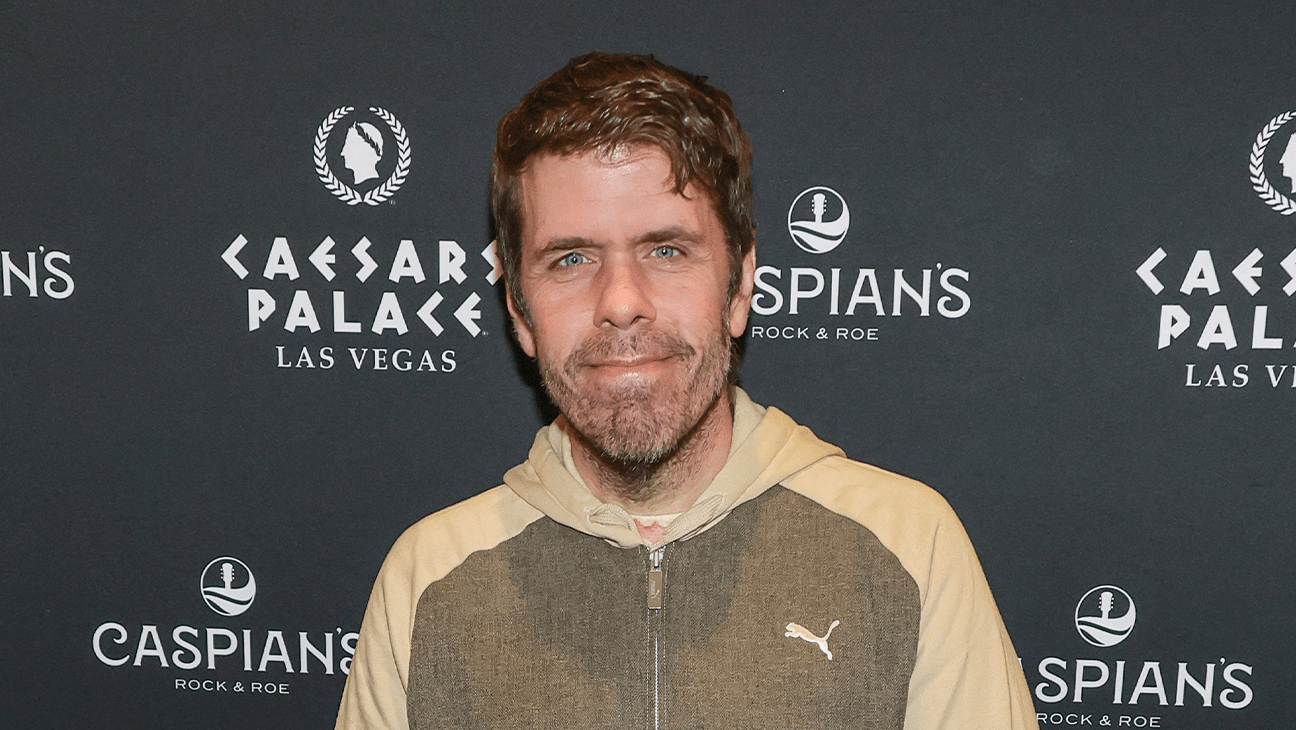
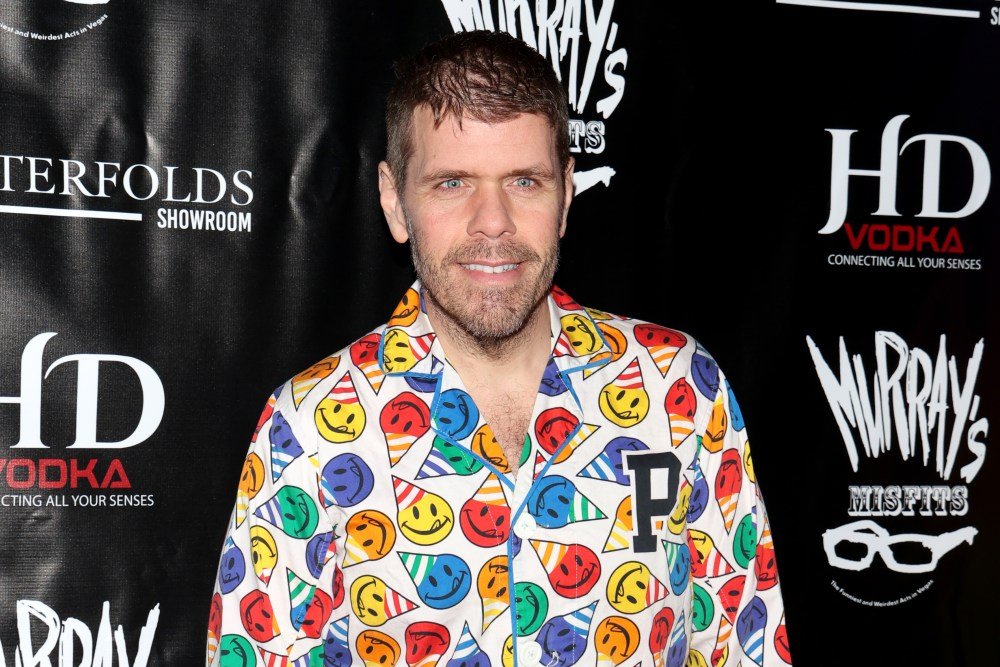
Police reportedly responded to Perez Hilton‘s home in Miami after the celebrity gossip blogger appeared to be harming himself on a livestream.
In graphic clips reposted on social media, Hilton, appearing manic, could be seen in the livestream covered in blood, using an object to cut himself repeatedly.
The Miami-Dade County Sheriff’s Office told Newsweek in a statement that deputies responded to Hilton’s home after the office received “multiple calls” about a person livestreaming acts of self-harm. After authorities confirmed Hilton was alone inside the home and spoke with family members at the scene, deputies decided to “tactically disengage while continuing to monitor the situation.”
“In many incidents involving a person experiencing a mental health crisis or actively harming themselves, deputies prioritize de-escalation by creating time, distance, and opportunities for communication,” the statement continued. “Unless there is an immediate threat to others, slowing the situation and utilizing crisis intervention techniques can reduce the likelihood of a suicide-by-cop encounter and minimize the risk of injury to the individual, deputies, and the public.”
Local news station NBC6, which had reporters at the scene, later reported that a man, believed to be Hilton, was seen being taken away in an ambulance.
The Hollywood Reporter has also reached out to the Miami-Dade County Sheriff’s Office for comment on the incident involving Hilton, in addition to his personal rep.
Earlier this year, Hilton shared in a lengthy Instagram video that he was hospitalized for three weeks after initially battling the flu before developing “an ulcer, and then a perforation, and then Sepsis,” he said at the time.
“The Sepsis just kept working and my body kept falling apart,” Hilton explained in the video in March. “Then one night with rapid response came ’cause my heart got out of control. They had to put me on heart medications. And then I developed another infection in the hospital.”
He added, “It was just such a slow process. I mean, two weeks of just sickness and then another week of getting better before I was released. And that last week was hell because I had already been in the hospital two weeks by then. I was like, ‘I just wanna go home. I just want to be with my babies.’” Perez is a single father of three children.
Once he was released from the hospital and sent back home, Hilton said he had time to reflect and came to the realization “that God presented Himself to me” during the challenging experience.
“It was real and this has been life-changing. I’m so grateful,” he added at the time. “I’m excited to start taking the kids to church every week. And to just know that God is real. … I don’t have to hope to believe. I know now.”
ESPN has lined up its fourth annual “Creator Network” of digital stars who will fan out across the country to promote the 2026 NFL season that is set to culminate with the Super Bowl airing on ESPN for the first time.
The five members of the cohort for this year are, as described by ESPN:
Chase Murman (@theQBplug) TikTok | Instagram | YouTube — Founder of The QB Plug, one of social media’s fastest-growing football brands, known for original quarterback storytelling and athlete-first content that has helped redefine how the next generation consumes football.
Isaac Rochell TikTok | Instagram | YouTube — Former NFL defensive lineman, sports media personality, and creator who combines an authentic player’s perspective with relatable storytelling around sports, fatherhood, and life beyond football.
Simone Scott TikTok | Instagram — Sports creator, host, and reporter who makes football, basketball, and other sports approachable through clear, engaging content that helps fans better understand the games and storylines driving the conversation.
Diana Flores TikTok | Instagram — Captain and quarterback of Mexico’s World Champion National Flag Football Team, global ambassador for the sport, and bilingual creator helping grow flag football’s reach ahead of its Olympic debut at LA28.
Leah Cammarano TikTok — Sports analytics creator and former Carolina Panthers Football Analytics intern who makes advanced football data accessible through engaging, easy-to-understand storytelling.
“This is a major moment in ESPN’s history, and we have an incredible opportunity to tell that story in new and authentic ways,” said Kaitee Daley, ESPN’s senior VP digital, social and streaming content. “Partnering with creators who have built passionate communities through their distinctive voices and storytelling styles will help bring fans closer to the people, culture and highlights that will define the road to ESPN’s first Super Bowl.”
ESPN first established its Creator Network in 2022 as the cable giant sought to embrace new forms of content and promotion for its game coverage and studio shows. The 2026 group will be given broad access to attend college football games, NFL events including the upcoming Super Bowl set for Feb. 14 at Los Angeles’ SoFi Stadium. ESPN and ABC will share the rights to the big game, marking the return of pro football to ABC’s air, some 20 years after the “Monday Night Football” franchise shifted from ABC to ESPN.
At first it just seemed like a happy coincidence — a Hollywood agency mogul supporting a Hollywood corporate merger. Ari Emanuel published an op-ed in The Wall Street Journal last Tuesday saying David Ellison buying Warner Bros. was a good idea and that those 12 Democratic AG’s who have sued to stop the deal were on the wrong warpath.
“The attorneys general should drop this case and get back to enforcing the laws as they are written,” the WME chief wrote, as he extolled a Paramount-WB tie-up and said it would be good for the business.
Sure, Ellison had committedlast year to pay Emanuel’s TKO $7.7 billion to broadcast UFC fights, a fact he conveniently neglected to mention. And the timing certainly benefited Ellison — earnings were coming, a time when Wall Street would be paying close attention and could express its worry financially about a deal falling through. But still, just a nice little stocking-stuffer under the mogul’s tree.
Over the past week, however, the support has started to look a lot less like passive presents and a lot more like an active strategy. That strategy? Make it seem like a lot of Democrat-approved personalities have no problem with the merger, isolating Rob Bonta, Tish James and the rest of the dozen AGs suing to block the deal as a bunch of regulatory crazies. Never mind that these are some of the country’s most decorated legal enforcers, with many decades of experience, from places as different as Arizona and Massachusetts.
The maneuvers unfolded like a stunt pilot’s careful course-plotting. A few days after the Emanuel op-ed came an anonymously sourced story Friday in the Journal about how one of the preeminent national Democratic leaders, California governor Gavin Newsom, was behind the deal foursquare, according to “people close to the suit.” “Newsom’s office has encouraged Attorney General Rob Bonta’s office, which has independent authority to file such suits, to find a resolution out of court,” the paper said.
Never mind that Newsom has a long history of deferring to giant corporations (remember his 11th-hour pro-Big Tech capitulation on Scott Wiener’s AI bill in 2024?) — this merger was going to create jobs! (“State employment would suffer” without a deal, the paper said Newsom has told colleagues, never mind that no credible economist has supplied such evidence.) Another happy coincidence. Or, given that the paper was pointedly not citing sources close to Newsom, perhaps part of an Ellison-led strategy.
Then today, an op-ed of Ellison’s own in a redoubt of mainstream liberalism, The New York Times. He trotted out all the usual arguments for mergers these days, and against his own naysayers — if we don’t do this the tech companies win, movie theaters should survive, Hollywood should be employed. “What I can promise is the work, and more of it,” he wrote, using the noun four times, which is four times more than he used the noun Donald Trump. (Los Angeles County has determined that determined that the merger will likely lead to less work.)
Meanwhile, Ari has been hitting the hustings, appearing on CNBC Tuesday morning to rattle off a series of Ellison talking points and praising the mogul. “This is a guy who said ‘hey I’m going to make 30 movies a year, 45-day release,” Emanuel said. “He’s gonna spend he says 30 billion in content a year. We need that for the economy of Hollywood.” The comments wouldn’t have been out of place on the Paramount investor earnings-call Tuesday, where executives touted all these numbers and used words like “pro-competitive” to describe the deal. If there’s one thing we know about capitalism, it’s that combining two major companies leads to more competition.
These media hits that aimed to buck the headwinds even involved a literal plane — the day Bonta and the AGs were suing, Ellison jetted to Washington to lobby for a federal tax credit, a news stunt meant as much to lobby support among Hollywood as to win over legislators. One story the move overshadowed that week: ProPublica’s bombshell report that Paramount allegedly provided gifts to FCC commissioners reviewing the deal.
More of these pieces and columns are no doubt coming. More foot soldiers arguing for the value to the business, or the First Amendment. Never mind that the WGA — those fierce opponents of free expression! — have just sued to stop the deal. Doesn’t the world’s richest family have the right to own CNN? Isn’t that enshrined in the Constitution?
It’s a shrewd flyer, and you need to give Ellison’s team credit for landing it so effectively.
You also hardly need an advanced radar beacon to see what’s happening. Having courted MAGA and Donald Trump to get the deal federal approval — how many Kennedy Center boxes and UFC ringside seats can one centibillionaire’s son fill? — Ellison is now pivoting to work on Dems to take care of the state challenge.
Not regulatory-minded Dems, as that group, from Elizabeth Warren to Cory Booker to Adam Schiff, have all been fiercely critical of the deal and asked hard questions about combining the country’s third and fourth biggest pure-play entertainment companies. Not these decorated and often landslide-winning AGs.
But if you get enough people like Newsom and the Kamala-donating Ari on your side, maybe people won’t notice all the Democrats who aren’t. Or enough of their consistuents will lose interest, causing AGs to do the same.
Maybe people will magically forget that no fewer than 1,000 creatives, from Bryan Cranston to J.J. Abrams to Glenn Close to Lin-Manuel Miranda, all signed a letter this spring opposing the deal, noting how a merger “would further consolidate an already concentrated media landscape, reducing competition at a moment when our industries—and the audiences we serve—can least afford it” and lead to “fewer opportunities for creators, fewer jobs across the production ecosystem, higher costs, and less choice for audiences in the United States and around the world.” But an agent told me it was good for creativity?
There’s a reason Paramount needs the deal to happen. Warner Bros. Discovery turned in a profit of $1.2 billion this past quarter once you strip out all the money they have to pay as part of the acquisition. That’s a lot of profit for a company like Paramount, which revealed Tuesday that in the same quarter it netted $41 million.
And there’s a reason Paramount needs the deal to happen soon. Starting Oct. 1, Paramount must pay Warners shareholders $7 million every day until the deal closes. By the second week, they’ll have wiped out all the measly profits they earned this quarter. By the spring, they’ll have wiped out the profits of the company they’re buying. One can’t imagine a lot of joy on Melrose, then, when the word came down Tuesday that the trial won’t start until March.
Also, the deal is partly bankrolled by Larry Ellison and his significant AI investments. And can that boom go on forever?
The reality is the AGs may not just have the law on their side — they have the leverage. And with every week that passes they have more of it. Could they extract a major settlement — possibly even carving out CNN? Don’t rule it out, no matter how many UFC fights Ellison attends with the president.
“Winning comes down to having the best stories,” Paramount CFO Dennis Cinelli told investors on the earnings call Tuesday. Ellison and his allies will keep telling them. That doesn’t mean it will result in victory.
Bitcoin bridge Boltz has suspended its Bitcoin swap service indefinitely.
The company says AI-assisted attacks are outpacing its ability to patch vulnerabilities.
Boltz says no user funds were at risk because the platform is non-custodial.
Boltz has suspended its Bitcoin swap service indefinitely, saying a surge in AI-assisted attacks has left it unable to continue operating safely.
In a series of posts on X on Monday, the company said swaps are disabled “until further notice” and that it cannot provide an estimate for when the service will return.
“We can’t give an ETA as of this time, but will provide an update once we know more,” Boltz wrote.
Boltz is a non-custodial Bitcoin swap service that lets users move Bitcoin between the Lightning Network and the blockchain’s base layer without giving the company custody of their funds. Boltz has not published transaction volume figures. Boltz currently holds around $262,000 in total value locked, according to DeFiLlama.
Because users retain control of their assets throughout the process, Boltz said “no user funds were ever at risk.”
Boltz Swap Services are currently unavailable until further notice. We can’t give an ETA as of this time, but will provide an update once we know more 🙏
— Boltz – Non-Custodial Bitcoin Bridge (@Boltzhq) August 3, 2026
“To be clear: this is not a response to a single incident,” the company wrote. “Over the past months we have seen a steady rise in automated, AI-assisted probing of our infrastructure, and we have dealt with several exploits. Each was contained, but the pattern is clear: attackers now iterate faster than a team our size can find and patch.”
Boltz said the pace of attacks accelerated over the past few days, leading it to conclude it could no longer safely operate its swap service.
“After reviewing the results of our own recent security scans, we cannot responsibly re-enable Boltz swaps, especially as we are being actively targeted by what appear to be multiple resourceful groups while we race to deploy fixes,” the company wrote.
The company said its API remains available to process cooperative refunds, unilateral refunds continue to work because they do not depend on Boltz’s infrastructure, and customer support remains available.
Boltz argued the attacks reflect a broader change facing Bitcoin infrastructure operators.
“What we are seeing is a major paradigm shift for Bitcoin services operating on an open source stack, and it needs careful analysis,” the company wrote. “Do not expect swap services to resume shortly.”
The announcement comes as the cryptocurrency industry grapples with how AI is changing cyberattacks.
On Tuesday, Ledger CTO Charles Guillemet warned that AI allows attackers to scan code and uncover vulnerabilities “at machine speed,” while defenders are increasingly relying on AI to find the same flaws first. The comments came as fallout from the Coldcard exploit continued to grow, with losses nearing $130 million.
Daily Debrief Newsletter
Start every day with the top news stories right now, plus original features, a podcast, videos and more.
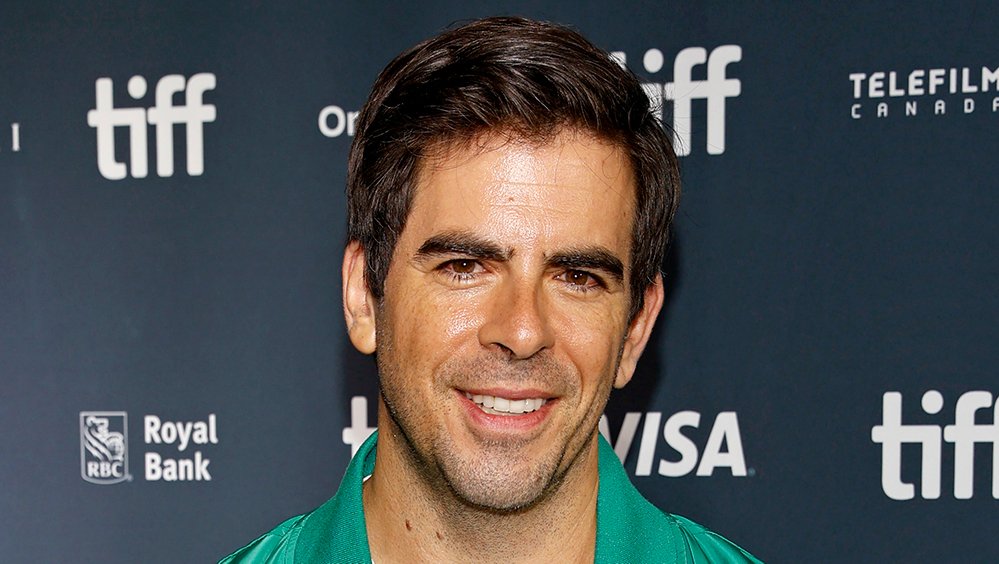
Eli Roth first promised that his upcoming horror release, “Ice Cream Man,” would feature an animated sequence he had initially drawn himself. Now, days ahead of the film’s Aug. 7 premiere, Roth admitted AI had a hand in the effort.
The horror director said in a statement on Tuesday (via Polygon) that he used AI in “a very small portion of a few scenes in the film” after social media posts claimed the technology was used abundantly throughout the film and pointed to the involvement of the AI visual effects studio Dark Half.
The statement came after Roth detailed a sequence in the film to Polygon that features a cartoon that seemingly hypnotizes children, turning them into murderers. Roth said he initially drew the animated portions himself, inspired by a 1920s-era Mickey Mouse cartoon of the character parading through a haunted house, before he had animators “help kind of make it a little more fluid” and an artist gave it “an old-timey jittery feel.”
“I misspoke,” Roth said in a new statement Tuesday. “AI was used in a very small portion of a few scenes in the film. It was an opportunity where technology and creativity came together to help bring my vision for the film to life.”
Representatives for Roth and Dark Half did not respond to Variety‘s initial request for comment. The revelation is the latest example of how engaging the technology — and obfuscating such use — can roil audiences eager to support new films.
“Late Night with the Devil” directors Cameron and Colin Cairne had to explain their use of AI after the version of the 2023 horror film that debuted in theaters featured multiple AI-generated images, while “Stop That Train” director Adam Shankman claimed that the RuPaul-led film featured “ZERO shots conceived by AI in the movie” and that every shot in the film was made by “human hands” after social media users took issue with the employment of Ryan Kavanaugh’s Acme AI and FX firm.
$NEAR Protocol is building momentum after a governance proposal introduced a new long-term vision for the network’s token economy.
According to the $NEAR founder Illia Polosukhin, there are plans to establish the Sovereign Fund, which will be financed using 30 million $NEAR tokens.
The proposal arrives as $NEAR records its fourth consecutive day of gains, with buyers returning to both the spot and derivatives markets.
$NEAR whales are adding exposure
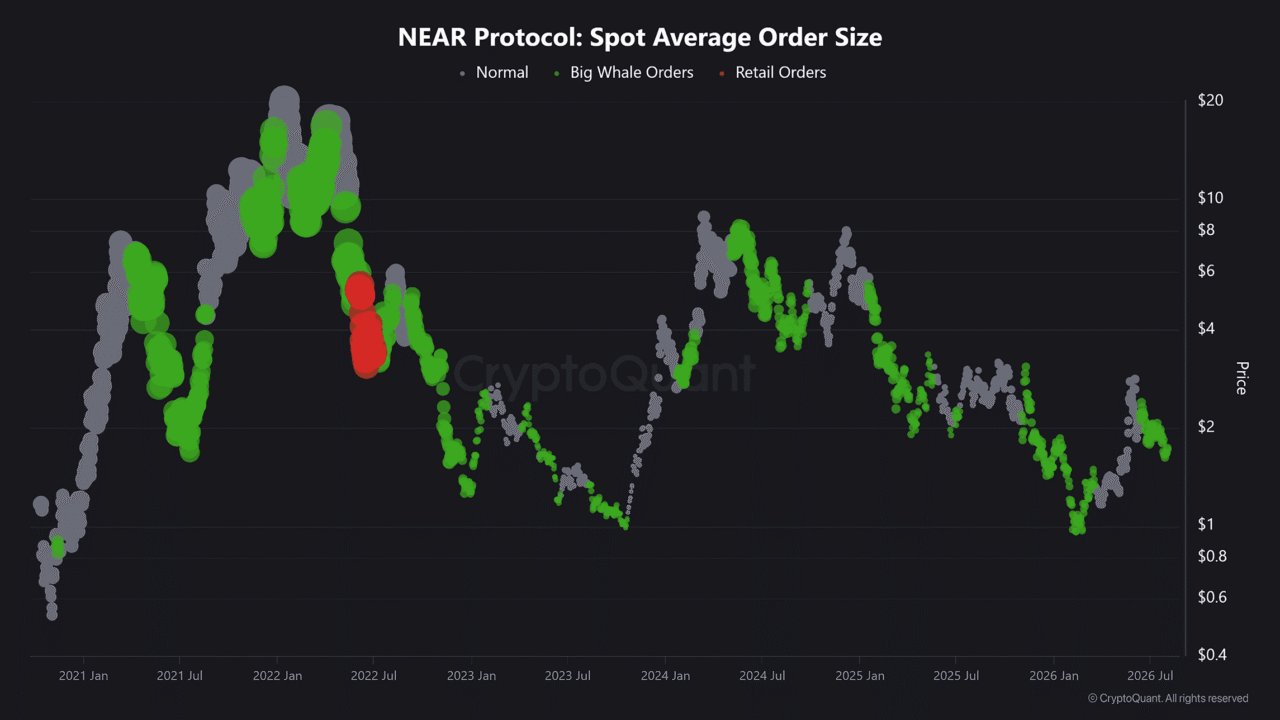
According to the recent Average Order Size data, Near Protocol’s large holders have become increasingly active during the latest rally.
The data indicates that a significant surge in the number of whale orders at the current trading prices, suggesting that institutional-sized investors are positioning alongside the improving market sentiment rather than locking in profits.
Source: CryptoQuant
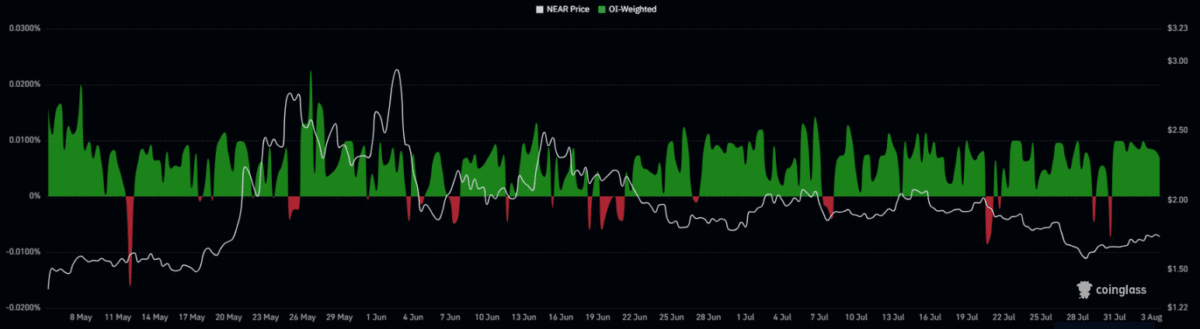
The derivatives market sparks the same signals. $NEAR’s Funding Rates have remained above 0% for several weeks, indicating long traders continue paying a premium to keep bullish positions open.
The persistent positive funding generally reflects an increased market confidence that higher prices are still expected, particularly when accompanied by steady spot accumulation.
All in all, both metrics point to strengthening conviction behind the current move.
Source: CoinGlass
Is a breakout on the cards?
The long-term technical setup continues to favor buyers.
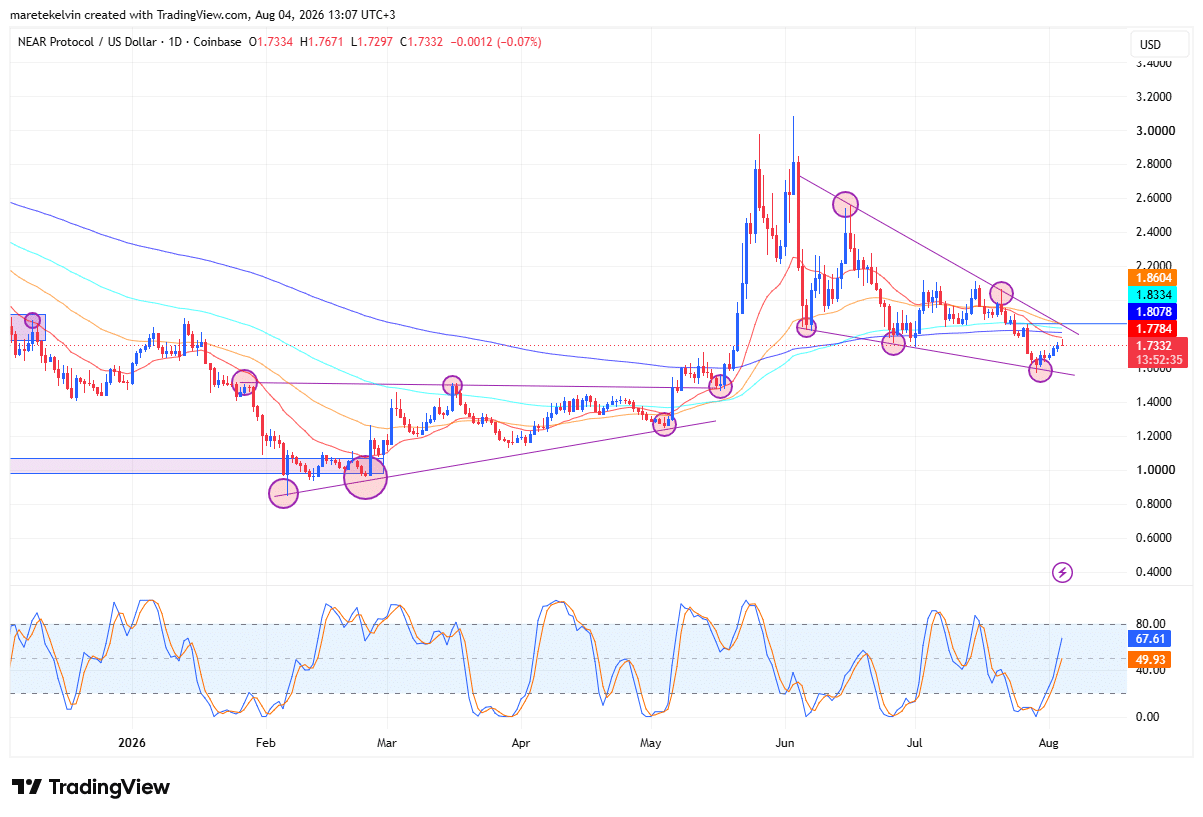
$NEAR has spent months consolidating inside a bullish pennant, a pattern that has repeatedly produced rebounds from support before another attempt at the upper boundary.
The latest rejection came near $1.60, where buyers successfully defended the pennant support. Since then, the token has posted a week of steady gains, preserving its higher-low structure and reinforcing bullish momentum.
If the current trend continues, attention shifts to the next major liquidity zone. A liquidity cluster exceeding $1 million sits around $1.85, making it the next significant area where sellers could emerge.
Source: TradingView
As it stands, the combination of whale accumulation, persistently positive Funding Rates, and the proposed Sovereign Fund has improved market sentiment.
If buyers defend the pennant support, they could drive $NEAR toward $1.85 before it faces its next major resistance.
Source: CoinGlass
Final Summary
$NEAR extends its rally as a proposed 30 million token Sovereign Fund boosts sentiment.
Whale orders surge, and positive Funding Rates put the $1.85 liquidity zone on buyer radar.
Local police were dispatched to the Miami home of Hollywood gossip journalist Perez Hilton after receiving reports about a disturbing livestream during which Hilton, covered in blood, appeared to be cutting himself, Variety has confirmed.
The Miami-Dade County Sheriff’s Office received multiple calls about Hilton’s livestream on Tuesday night and sent deputies to respond. Once on scene, officers spoke with several of Hilton’s family members. Authorities confirmed that Hilton was alone in his home during the time of the live stream. Deputies have since been ordered to “tactically disengage,” but continue to keep an eye on the situation.
The Miami-Dade County Sheriff’s Office also confirmed that Hilton was safely transported from his home to a local hospital, where he is receiving medical attention.
“In many incidents involving a person experiencing a mental health crisis or actively harming themselves, deputies prioritize de-escalation by creating time, distance, and opportunities for communication,” the Miami-Dade Sheriff’s Office said in a statement. “Unless there is an immediate threat to others, slowing the situation and utilizing crisis intervention techniques can reduce the likelihood of a suicide-by-cop encounter and minimize the risk of injury to the individual, deputies, and the public.”
Reps for Hilton did not immediately respond to Variety’s request for comment.
Hilton launched his career in the early 2000s, operating a popular celebrity gossip blog that offered a biting, unfiltered look at some of Hollywood’s most unsavory moments. In a 2012 sit-down with The New York Times, Hilton said that he was no longer aligned with his provocative reporting.
“What’s important for me is not being liked, but it is that people think I am no longer toxic to the world,” he said. Hilton later added, “I’m aware of the fact there are going to be a lot of people with lingering resentment and a lot of skeptics.”
BitMEX cofounder Arthur Hayes published a new essay, “Situationship,” on Aug. 4, 2026, arguing that the artificial intelligence (AI) infrastructure boom could end as a credit crisis rather than a dot com style equity collapse.
Hayes framed data centers as leveraged real estate containing computing equipment that can lose economic value as newer chips become more efficient.
Hayes said an eventual slowdown in data center construction could expose weak borrowers and financiers, prompting government intervention and broader monetary easing. He believes the resulting liquidity could support a renewed Bitcoin bull market. However, the scenario remains his personal forecast, not a confirmed crisis or an official policy outlook.
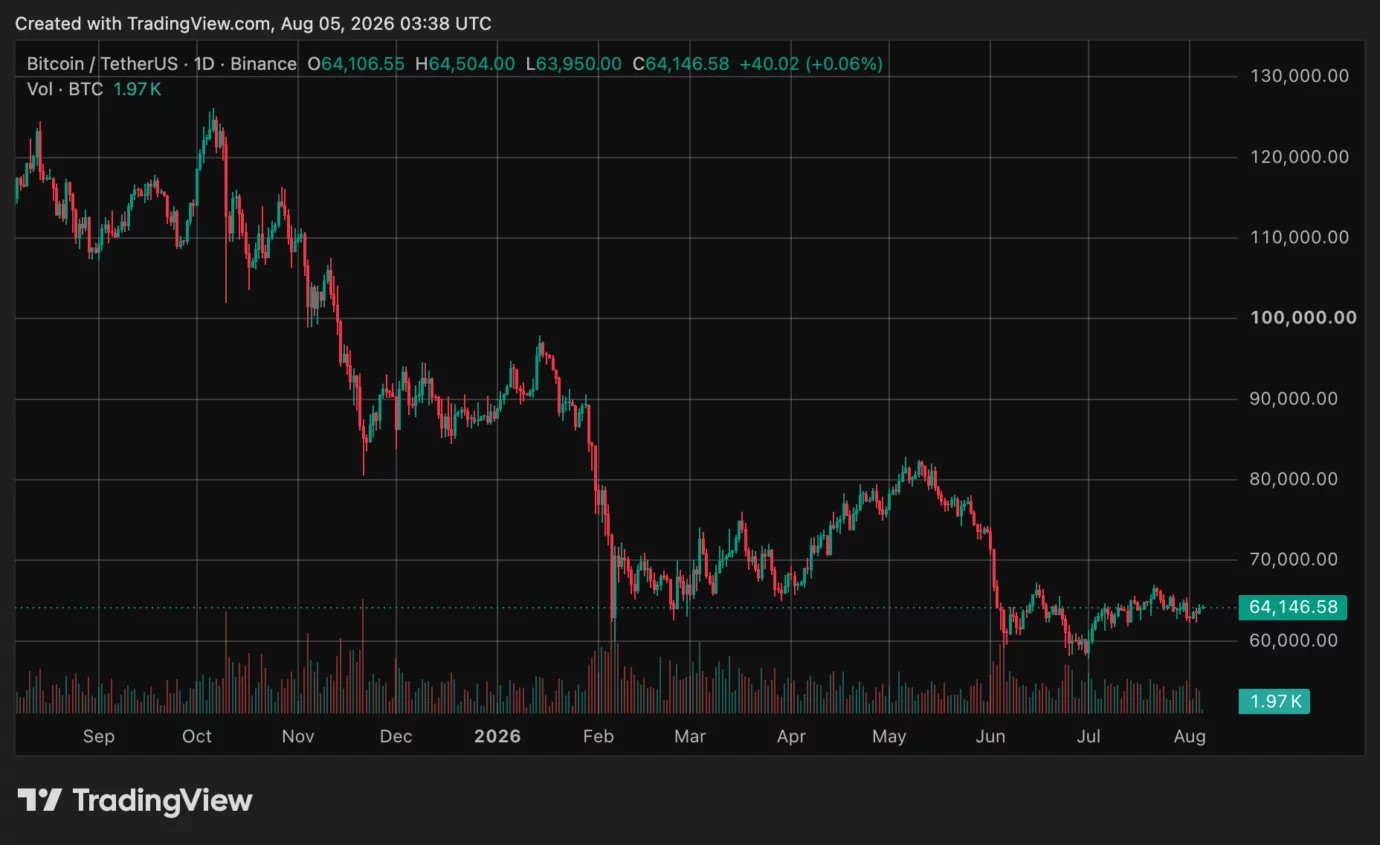
Bitcoin traded around $64,150 early on Aug. 5. No evidence reviewed for this report linked the immediate price move to Hayes’s essay. Hayes also acknowledged that he cannot identify the borrower that might trigger a crisis or determine Bitcoin’s precise bottom.
Bitcoin ($BTC) price chart, source: crypto.news
Arthur Hayes says AI spending is a real estate credit trade
Hayes’s central argument is that investors are treating AI capital expenditure as if every dollar supports a high margin technology business. He views much of the spending differently. Data center land, buildings, power connections and cooling systems resemble property development, while processors can become less valuable when newer equipment delivers more computing power at a lower cost.
“Situationship” is my $BTC bull porn essay on how the AI bubble will burst, and why the money printer will go hyper brrrr and take us back to a rip roaring bull market.
“The question of internal framing is the key variable that determines whether AI is a bubble. But before we… pic.twitter.com/ix5SGiAcuv
— Arthur Hayes (@CryptoHayes) August 5, 2026
This distinction leads to his comparison with the global financial crisis. Hayes described the AI boom as a “credit story like 2008 and not an earnings story like 2000.” In his scenario, banks, insurers, private credit funds and infrastructure investors continue financing construction after profitable demand begins slowing.
Losses would then emerge when weaker projects cannot generate enough cash to meet debt, lease or interest obligations. Financial stress could spread to lenders and investors holding AI infrastructure exposure, even if leading technology companies remain profitable.
Hayes expects announced AI capital spending growth to begin slowing during the second half of 2027 and become clearer in 2028. He also expects markets to eventually reward companies that reduce construction plans. Those dates are forecasts. No company filing reviewed for this report confirms that an industrywide contraction has begun.
His Bitcoin case follows from the expected policy response. Hayes argues that U.S. authorities would protect strategically important AI companies and their lenders because computing capacity has become part of the country’s economic competition with China.
He discussed a possible Bitcoin trading range between $60,000 and $70,000, with downside near $50,000, before an eventual rise toward $1 million. Those levels are not guaranteed targets and depend on monetary policy, credit creation and investor demand developing as Hayes expects.
The essay extends an earlier argument. As crypto.news previously reported, Hayes warned that major technology listings, including possible OpenAI, Anthropic and SpaceX offerings, could absorb liquidity that might otherwise enter crypto markets.
In related coverage, crypto.news examined the expanding bond and credit exposure behind AI infrastructure. That analysis noted that financial risks could spread beyond technology shares if data center construction relies more heavily on debt and private financing.
Official filings show AI spending is still accelerating
The latest company results do not show an AI capital spending collapse. Alphabet reported $44.9 billion of capital expenditure during the second quarter. About 60% of its technical infrastructure investment went toward servers, while 40% went toward data centers and networking equipment.
Alphabet raised its 2026 capital spending guidance to between $195 billion and $205 billion, up from its previous range of $180 billion to $190 billion. The company attributed the increase to faster capacity delivery required to meet demand.
Google Cloud revenue rose 82% from the previous year to $24.8 billion. Cloud operating income reached $8.8 billion, while backlog increased to $514 billion. Alphabet said it expects capital expenditure to increase again in 2027.
Microsoft also reported continued expansion. Its quarterly capital expenditure reached $41 billion, with roughly two thirds directed to CPUs and GPUs. Microsoft Cloud revenue increased 27% to $59.3 billion, while commercial remaining performance obligations reached $678 billion.
The company said it expects capital expenditure to grow during fiscal 2027. Microsoft also expects more than $50 billion of spending in its next quarter, although part of that figure reflects a change in how some data center leases will be classified.
Amazon reported a similar mix of rising investment and stronger cloud income. AWS revenue increased 37% to $42.2 billion in the second quarter, its fastest growth in 18 quarters. AWS operating income reached $16.6 billion.
However, Amazon’s trailing twelve month free cash flow moved to an outflow of $7.6 billion. The company attributed the change mainly to a $66.1 billion increase in property and equipment purchases, largely connected to AI investment.
These results cut both ways for Hayes’s thesis. Strong cloud growth and large customer backlogs weaken the argument that demand is already failing. At the same time, lower free cash flow, rising depreciation and growing contractual obligations show how the buildout can pressure finances even while revenue expands.
Heavy spending alone does not create a credit crisis. Such a crisis would require weaker cash generation, refinancing problems, defaults or impaired infrastructure assets across several companies and lenders.
U.S. financing exposure is growing, but 2008 is unproven
Regulatory filings support Hayes’s narrower claim that AI infrastructure increasingly involves leases, guarantees, joint ventures and outside capital.
Alphabet disclosed $85.2 billion of future payments for leases, mainly connected to data centers, that had not started as of June 30. These leases are scheduled to begin between 2026 and 2031, with contract terms reaching as long as 26 years.
Alphabet also reported $811 billion of purchase commitments and other contractual obligations. Most relate to technical infrastructure, inventory, energy agreements and other long term contracts. The company had $98.2 billion of long term debt and issued more than $51 billion of fixed rate notes during the first half of 2026.
Microsoft disclosed $62.9 billion of finance lease liabilities as of March 31. It also reported another $196.6 billion of leases, mainly for data centers, that had not yet commenced.
Meta reported approximately $182.88 billion of uncommenced lease obligations and $237.67 billion of noncancelable contractual commitments as of March 31. The company entered another $24 billion of infrastructure contracts during April.
Private financing is also becoming more visible in U.S. data center projects. Meta and BlackRock announced a venture for a one gigawatt campus in El Paso, Texas. Meta described the project as representing more than $10 billion of investment.
An earlier Meta venture with Blue Owl Capital covered an estimated $27 billion data center campus in Louisiana. Blue Owl funds received an 80% interest, while Meta retained 20%. Part of the outside funding came through debt sold privately to PIMCO and other bond investors.
Meta agreed to lease the Louisiana facilities and provided a capped residual value guarantee under certain conditions. Such arrangements show how data center exposure can be distributed among technology companies, insfrastructure funds, landlords and debt investors.
They do not prove that a 2008 style chain of insolvencies has started. Alphabet, Microsoft, Amazon and Meta remain profitable businesses with large operating cash flows and growing customer commitments. The reviewed filings did not report widespread defaults on AI infrastructure debt or an official government rescue program.
The 2008 comparison therefore remains a stress scenario rather than a present diagnosis. Mortgage losses became systemic because weak lending, securitization, leverage and opaque counterparty exposure spread through major financial institutions.
An AI infrastructure downturn could follow a different route involving unused capacity, falling rental values, obsolete equipment, tenant concentration and long power commitments. Whether those risks become systemic will depend on utilization, refinancing conditions and where losses ultimately settle.
Bitcoin’s outcome depends on policy, liquidity and timing
The Federal Reserve held its federal funds target range at 3.5% to 3.75% on July 29. The decision passed by a 9 to 3 vote. The central bank did not announce an AI rescue facility, emergency lending program or new asset purchase plan.
The Fed has conducted reserve management purchases of Treasury bills to maintain ample banking system reserves. Its July monetary policy report said Treasury bill purchases since early January totaled nearly $250 billion, including about $160 billion of reserve management purchases.
Those operations are not officially described as quantitative easing or an AI bailout. The Fed says they are intended to maintain an adequate level of reserves and support control over short term interest rates.
Hayes interprets balance sheet growth and stable policy rates as supportive for bank credit and future market liquidity. That interpretation remains open to debate because reserve management can expand the Fed’s assets without representing the broad crisis response assumed in his forecast.
Bitcoin could benefit if a future downturn produces rate cuts, emergency lending or larger asset purchases. However, the first stage of a credit shock could hurt Bitcoin as investors sell liquid assets, meet margin calls and reduce leverage.
As crypto.news reported in its examination of Bitcoin’s changing market cycle, Federal Reserve policy and global liquidity now compete with the halving cycle as major drivers of crypto prices.
The next evidence will come from company guidance and credit markets rather than from Hayes’s essay. Investors can watch 2027 spending plans, cloud backlog conversion, data center occupancy, lease commitments, private credit spreads and any defaults tied to AI infrastructure.
The Fed’s next scheduled meeting will take place on Sept. 15 and Sept. 16. Unless company demand weakens or financing stress begins appearing, Hayes’s argument remains a forward looking Bitcoin thesis built around a credit crisis that has not occurred.
FAQs
Is the AI bubble already bursting?
The latest filings do not show an industrywide contraction. Alphabet raised its spending guidance, Microsoft expects continued capital expenditure growth and AWS reported accelerating revenue. Financial pressure is visible in free cash flow and contractual commitments, but those conditions do not constitute a credit bust.
Why does Hayes compare AI with 2008 instead of 2000?
Hayes believes the main vulnerability lies in debt, leases and infrastructure financing rather than technology companies earning little or no revenue. The comparison depends on credit losses spreading through financial intermediaries, which has not been established.
Would an AI crash automatically raise Bitcoin’s price?
No. Bitcoin could decline during an initial liquidation period. A later recovery would depend on the scale, speed and form of monetary support, along with continuing demand for Bitcoin. Central bank easing would not guarantee any particular price.
What would weaken Hayes’s thesis?
Sustained cloud revenue, strong data center utilization, profitable AI services and stable credit performance would weaken the argument. The thesis would also lose force if companies fund construction without creating stressed borrowers or concentrated lender losses.
Ripple Expands Its Institutional Tokenization Infrastructure
Ripple President Monica Long outlined the company’s broader strategy on Aug. 4 after Ripple announced strategic investments in Zilo and Licuido to expand institutional capital markets infrastructure connected to the $XRP Ledger. She described a rapid transition from bank pilots toward production-grade activity and positioned Ripple’s digital asset stack across the full tokenized asset lifecycle.
“In the last year, we’ve seen the veritable light switch flip – from bank pilots to production, from issuing tokenized assets like money market funds and liquidity funds to using them! Institutional capital markets are moving in one direction — onchain 24/7,” Long stated on X, adding:
“At Ripple, our goal remains to provide the full stack of digital asset infrastructure – allowing institutional participants to take advantage of the entire lifecycle of a tokenized asset on the $XRP Ledger.”
Those investments in ZILO and Licuido add fund tokenization and institutional liquidity infrastructure to Ripple’s broader capital markets strategy, supporting fund issuance, trading, and settlement on the $XRP Ledger.
Ripple’s Mint platform complements that strategy. Launched on July 23, it provides financial institutions with a unified interface to access, mint, redeem, and manage Ripple USD, or $RLUSD, while issuing and transferring the stablecoin across fiat and blockchain settlement systems.
Institutional issuers can also use Ripple’s tokenization platform to create securities, stablecoins, fund units, bonds, commodities, and other real-world asset (RWA) tokens. Its infrastructure combines issuance, redemption, compliance screening, transfer restrictions, audit trails, freeze controls, clawbacks, and multichain distribution.
Tokenized Funds Move Into Trading, Lending, and Yield
A partnership among DBS, Franklin Templeton, and Ripple shows how tokenized assets can support continuous portfolio management after issuance. The arrangement allows eligible DBS clients to trade $RLUSD for Franklin Templeton’s tokenized money market fund within minutes while retaining access to yield.
DBS also plans to explore accepting these tokenized fund units as collateral through bank repurchase agreements or third-party lending platforms. That structure would let institutional investors move between a stable settlement asset and an income-producing instrument throughout the day.
Real-world asset tokens can represent bonds, funds, commodities, and property on blockchain networks, opening those assets to faster transfers and around-the-clock settlement.
Credit Infrastructure Could Extend the XRPL Stack
The proposed XRPL Lending Protocol would add standardized institutional lending to the network’s tokenization infrastructure. The design keeps underwriting and compliance decisions offchain while managing servicing, repayments, interest, and defaults onchain for treasuries, stablecoins, commodities, money market funds, and private credit.
Separate XRPL infrastructure is connecting $XRP and $RLUSD liquidity with tokenized U.S. Treasury products offering regulated, reserve-backed yield. A Doppler Finance and Openeden partnership plans to integrate Openeden’s TBILL token and yield-bearing USDO stablecoin into an XRPL-native protocol using audited reserves, regulated custody, and compliance controls.
The Bank for International Settlements (BIS) identified tokenization as a potential source of faster, programmable payments and more efficient financial intermediation. The organization’s 2026 assessment also called for trusted settlement instruments, coordinated oversight, and stronger safeguards, while warning that current stablecoin structures present financial-integrity and monetary risks.
Ripple’s next expansion point rests with validator decisions on the proposed lending standards, which would determine whether tokenized XRPL assets can support protocol-level institutional borrowing.