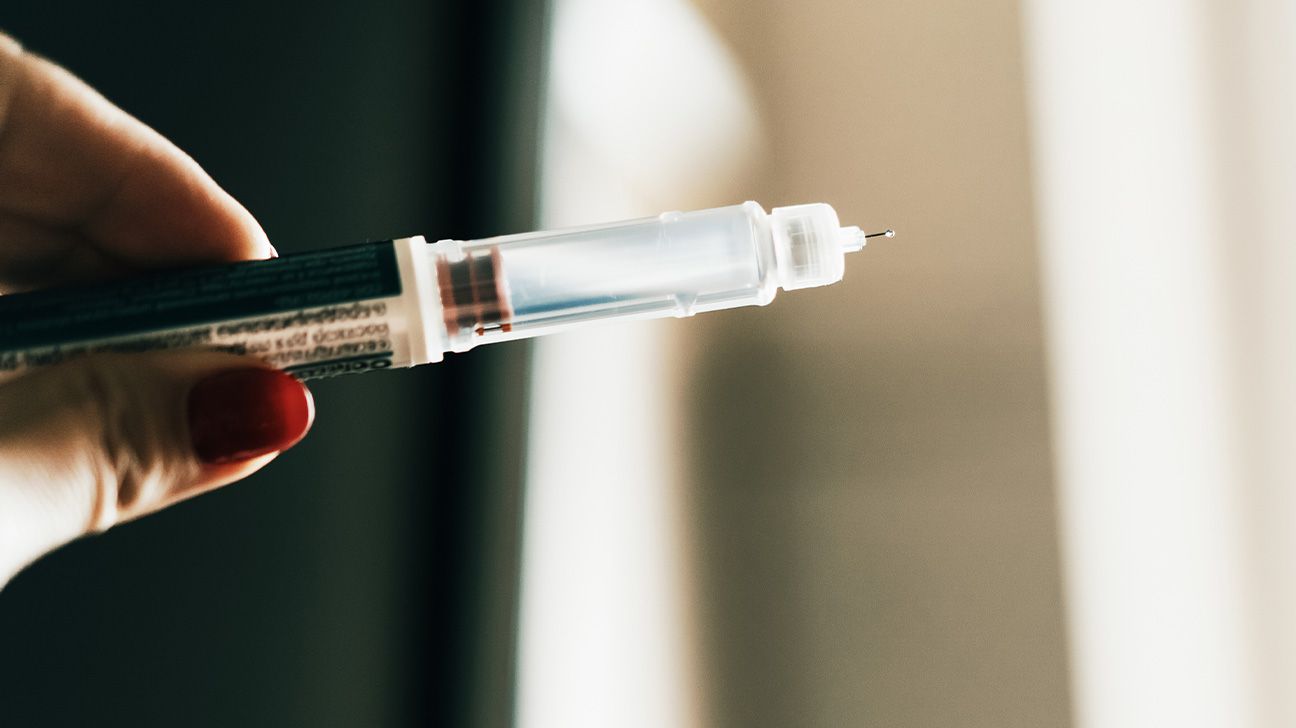
- A recent study found that people taking a GLP-1 medication, like Ozempic or Wegovy, may be less likely to engage in regular exercise.
- The study showed that, among people with obesity, daily step count and moderate-to-vigorous activity duration decreased after starting GLP-1 medication.
- The greatest decline was seen in males and people with musculoskeletal pain.
GLP-1 medications, like Ozempic, Wegovy, and Mounjaro, have become popular ways for people to lose weight and manage conditions like diabetes.
A recent study found that people who begin using a GLP-1 medication appear to engage in less physical activity. However,
“This study aligns with my clinical experience. I often find that patients feel more fatigued while losing weight, which can make exercise feel like a chore,” Mir Ali, MD, medical director of MemorialCare Surgical Weight Loss Center at Orange Coast Medical Center in Fountain Valley, CA, told Healthline. Ali wasn’t involved in the study.
This study is being presented at ENDO 2026, the Endocrine Society’s annual meeting in Chicago, Illinois, and has not yet been published in a peer-reviewed journal.
“While many assume that weight loss leads naturally to increased physical activity, our study suggests otherwise,” Sajana Maharjan, MD, board certified internist at HSHS St. John’s Hospital in Springfield, IL, and lead author of the study, said in a press release.
“The findings in our study reinforce that exercise cannot be optional for people taking these medications. People need targeted interventions that encourage physical activity alongside medication for obesity.”
The researchers identified the individuals from the research program with obesity who had initiated a GLP-1 medication and who had Fitbit activity for both before and after the treatment.
They identified 753 people with sufficient Fitbit data. Of these, 78.6% were female, with an average age of 52.7.
Common comorbid conditions included:
The research team compared each participant’s physical activity before and after starting a GLP-1 medication. They specifically focused on daily step counts and moderate-to-vigorous physical activity (MVPA) minutes.
The researchers found that, on average, daily step counts decreased from 5,047 to 4,487. The MVPA fell from 28 to 22 per day after beginning their GLP-1 medication.
The largest decline was observed among males and among people with muscle or joint pain. Factors such as age, prior stroke, or heart failure did not appear to change the results.
The study found no evidence that weight loss from GLP-1 medications was associated with increased physical activity.
Ali said that a lack of exercise can “lead to increased muscle loss, heightened fatigue, and suboptimal weight loss results.”
Prior research also shows that regular exercise helps maintain weight loss. It can also improve cardiorespiratory fitness, lower chronic disease risk, and enhance mental well-being.
Side effects of GLP-1 medications, such as fatigue, can make it more difficult to get regular exercise. However, Ali noted that “consistency is more important than intensity.”
“The goal is 30 minutes per day, five days a week; even walking provides significant benefits. This can be broken into smaller segments if 30 minutes at once is not feasible. Ideally, a combination of aerobic exercise and resistance training is best for preserving muscle,” Ali said.
“While the majority of weight loss stems from dietary changes, physical activity remains essential for muscle preservation and overall health.”
Leave a Reply