- Chinese entrepreneur Luo Yonghao formally requested Changpeng Zhao to remove a meme cryptocurrency that uses his name and image without prior authorization.
- The platform’s infrastructure restricted the visibility of the token in search results, additionally modifying the asset’s name with hidden characters.
- Network records confirm that the smart contract remains active on the blockchain, allowing access via direct links.
The Chinese internet entrepreneur, Luo Yonghao, led a sharp public confrontation with the Binance wallet after discovering an unauthorized digital asset based on his identity. The incident, which took place on platform X, included direct complaints toward the ecosystem’s co-founder, Changpeng Zhao, demanding the immediate exclusion of the currency to prevent misleading market users.
@cz_binance 赵总你好,近日有名为“罗永浩”的虚拟币(并且用了我的头像作为logo)在你们的币安交易所上交易,虽然还没有正式进入“交易平台”tab里,只是在“钱包”tab里,但毕竟也是币安的交易所。为防止人们受骗上当,请将其下架,或提供正式的投诉下架途径,谢谢。
— 罗永浩 (@luoyonghao) May 15, 2026
The technical response was executed immediately. Binance blocked the visibility of the token in its internal search engines.
Despite this measure, direct links and contract addresses remain operational due to the network’s immutability. Luo Yonghao expressed his annoyance upon confirming that his profile picture remained visible on the interface, allowing for potential confusion within the investing community.
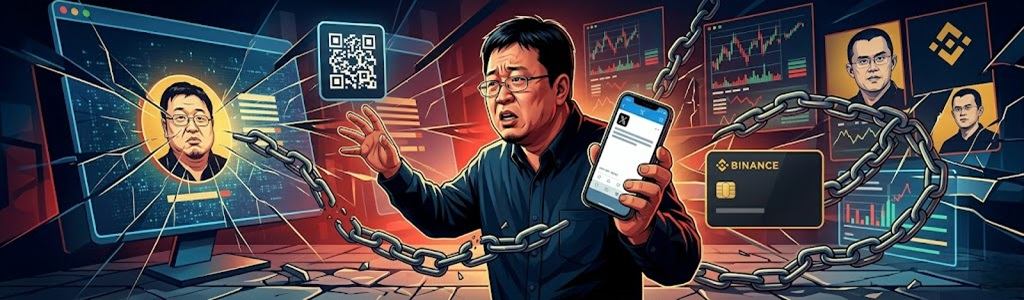
Technical limits of the blockchain and regulatory controversies
According to local report data, the impossibility of erasing an asset once deployed on the blockchain represents a structural challenge for centralized platforms providing Web3 interfaces. Although the Binance wallet interface now shows the token’s name with hidden characters, residual liquidity and decentralized mechanisms prevent an absolute removal of the digital record.
This situation occurs in a context of high speculative activity. Sector data indicates that meme coins driven by viral social media phenomena experienced notable capitalization increases within a matter of days in the Asian market.
Faced with this scenario, the diversification of Web3 tools facilitates the proliferation of these assets. During last year, the Binance wallet expanded its ecosystem through the “Meme Rush” program, an exclusive market designed in partnership with Four.Meme. According to the program’s official documentation, this feature allows users to access early stages of liquidity before the assets migrate to decentralized exchange platforms like PancakeSwap upon reaching estimated valuations of one million dollars.
The entrepreneur linked this issue to the evolution of the crypto industry. Citing the original Bitcoin principles established by Satoshi Nakamoto, the founder of the liquidated firm Smartisan Technology argued that cryptocurrencies were born to avoid institutional exploitation, although, from his current perspective, the ecosystem is often used by malicious actors to harm retail investors through the non-consensual use of personal brands.
Luo Yonghao also revealed that his connection to the industry is not new, as he received financial proposals back in 2018 to silently endorse Initial Coin Offerings (ICOs) in exchange for high sums of money, which he categorically rejected. This statement coincides with the 2019 financial records, a period in which he appeared on debtor lists in China after accumulating outstanding obligations of approximately $89 million derived from the cessation of operations of his technology company.
Warnings about this type of market dynamic do not come solely from figures external to the sector. Changpeng Zhao himself has told the trading community that the rushed acquisition of meme assets based exclusively on internet trends and viral publications usually results in severe financial losses for cryptocurrency market participants.
Leave a Reply