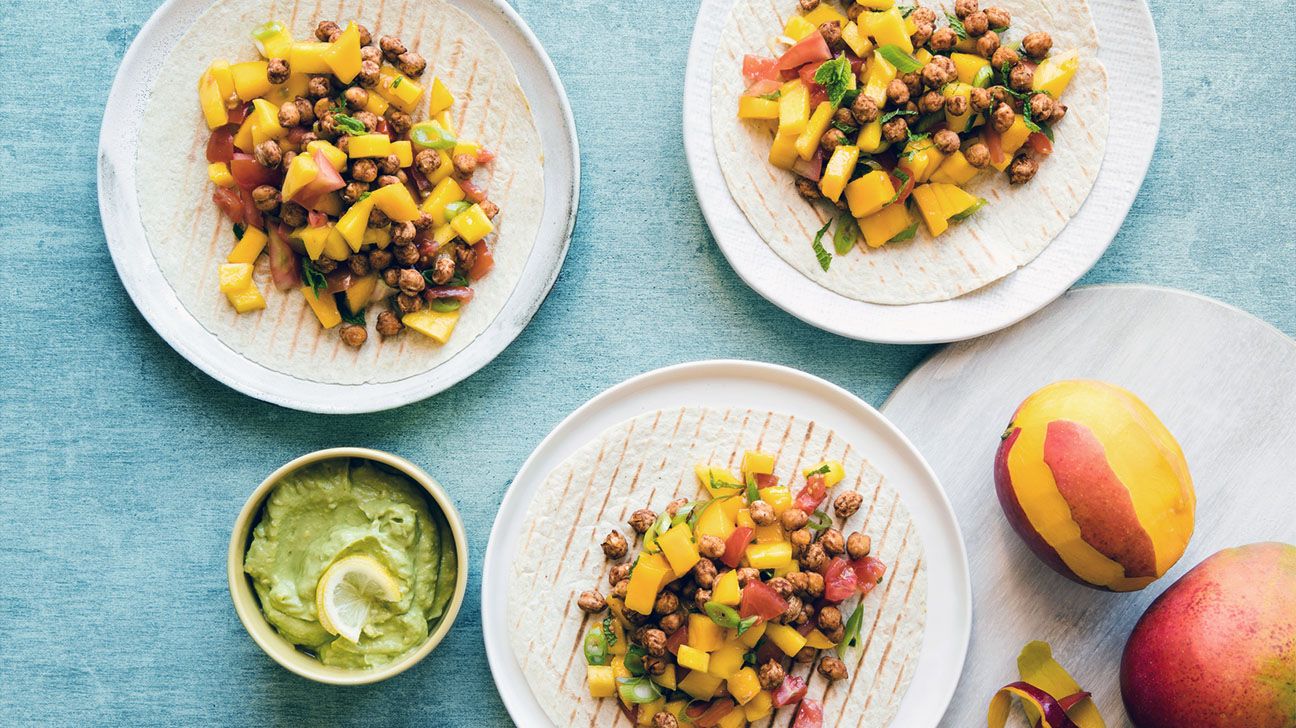
- Eating one avocado and 1 cup of mango daily may improve blood vessel function in as little as 8 weeks, according to new research.
- The avocado-mango combo was linked to better flow-mediated dilation in both men and women, with lower diastolic blood pressure more pronounced in men.
- Researchers say the benefits likely come from a mix of fiber, potassium, vitamin C, and heart-healthy fats.
- Experts stress that overall diet quality matters most, and mango and avocado work best as part of a balanced eating pattern.
Eating one avocado and 1 cup of mango daily may help improve heart health in as little as 8 weeks, according to a recent study.
Researchers at the Illinois Institute of Technology found that adults with prediabetes who followed this combination experienced improved blood vessel function and reductions in diastolic blood pressure.
Participants who followed the avocado and mango diet showed a notable improvement in flow-mediated dilation (FMD), a measure of blood vessel function. Their FMD rose to 6.7%, whereas it fell to 4.6% in the control group, indicating better vascular health in those consuming the fruit combination.
Diastolic blood pressure also improved in males. Those in the control group experienced an average increase in central blood pressure of 5 mmHg, while men in the avocado and mango group saw a reduction of around 1.9 mmHg.
The researchers acknowledged that the study was funded by the National Mango Board and the Hass Avocado Board, which is important to consider when interpreting the findings.
Karen E. Todd, a registered dietitian nutritionist at The Supplement Dietitian, said that while the findings of the new study are promising, it doesn’t mean that a mango-avocado combination is a magic bullet. Todd wasn’t involved in the study.
Rather, she said the research highlights how replacing lower-quality foods with nutrient-dense options can improve heart health markers over time.
“The study fits with what we already know about diet quality and heart health. In this trial, adults with prediabetes who ate one avocado plus 1 cup of mango daily for 8 weeks had better flow-mediated dilation, a marker of blood vessel function, than the control group,” she told Healthline.
“The intervention also increased intake of fruit, fiber, vitamin C, and monounsaturated fat, which are all consistent with a more heart-supportive eating pattern.”
“Mango likely helps heart health through a combination of vitamin C, potassium, and fiber,” she said.
“Vitamin C acts as an antioxidant and supports blood vessel integrity, potassium helps regulate blood pressure, and fiber supports cholesterol and blood sugar control. Together, these nutrients support both vascular function and overall cardiometabolic health.”
Todd said the biggest heart-health advantage of avocados is their unsaturated fat profile, especially monounsaturated fats, along with fiber and potassium.
“The added fiber and potassium further support heart health through cholesterol management and blood pressure regulation.”
Of course, the study looked at the heart health benefits of eating these two foods together, not each food on its own.
“Nutritionally, they complement each other well,” Todd said.
“Mango provides vitamin C and carbohydrates, while avocado contributes healthy fats and fiber. Together, they create a more balanced, satisfying option that may support heart health more effectively than either food alone, particularly when they replace processed foods,” she explained.
A significant finding of this study is that participants who added one avocado and 1 cup of mango to their daily diet showed measurable improvements in blood vessel function, along with reductions in diastolic blood pressure.
Brett A. Sealove, MD, chair of cardiology at Hackensack Meridian Jersey Shore University Medical Center, and associate professor and vice chair of cardiology, Hackensack Meridian School of Medicine, said the new study warrants “serious consideration,” but noted some limitations. Sealove wasn’t involved in the research.
“The sample size was relatively small, with 82 participants enrolled and 68 completing the protocol. And the study duration was only 8 weeks, which is brief given that vascular and metabolic remodeling typically occurs over several months,” he told Healthline.
“The study was also partially controlled, as participants prepared some of their own meals, introducing variability.”
Additionally, Sealove noted that the diastolic blood pressure benefit was observed primarily in males, limiting generalizability.
The findings of the present study are promising and offer a somewhat simple strategy to support heart health.
However, moderation is key, given that avocados are high in calories and fat, even though it’s “good” fat, and mangos are higher in natural sugars.
“For most people, a practical intake would be about one-third to one-half of an avocado and half to 1 cup of mango, several times per week,” Todd said.
“Whole fruit sugars are generally not a concern in moderate portions because they come with fiber, but avocado is calorie-dense, so portion awareness matters.
“Overconsumption of either food can contribute excess calories, which may work against weight and metabolic goals,” Todd added.
There are simple, practical ways to include mango and avocado as part of a heart-healthy, balanced diet.
Todd said these nutritious foods can be incorporated into meals or eaten together as a snack.
“Mangos and avocados work well in yogurt bowls with seeds, in salads with leafy greens and legumes, or as a topping for fish, like salmon,” she said.
“Pairing them with foods like whole grains, nuts, seeds, beans, and other fruits and vegetables helps reinforce an overall heart-healthy eating pattern, which is where the biggest benefits come from,” she continued.
If you’re looking for quick, no-fuss options, try blending mango and avocado with spinach and a source of protein, like Greek yogurt or protein powder.
You could also mash avocado onto wholegrain toast and top it with fresh mango salsa for a balance of fiber, healthy fats, and natural sweetness.
The key is to think of mango and avocado as versatile ingredients that can elevate everyday meals while supporting overall diet quality.
Consistently building meals around whole, minimally processed foods is what makes the biggest difference for long-term heart health.
Leave a Reply