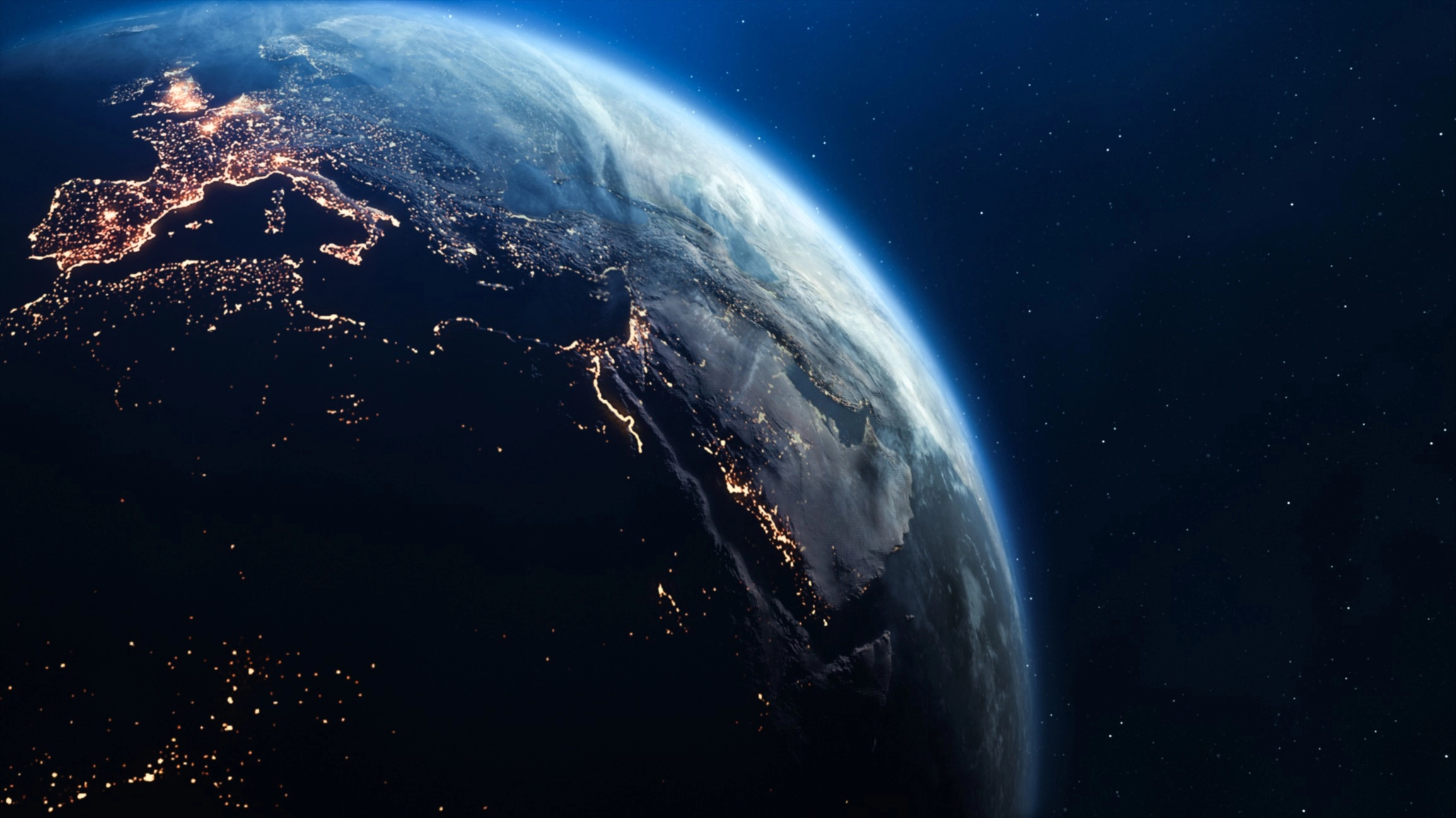
If you’ve been paying attention to the news lately you’ve probably noticed that things don’t seem to be going all that well in the world.
There are multiple wars, including in Ukraine, Sudan, Myanmar, Gaza, and Iran, among others.
Many countries in Europe in particular are also becoming increasingly concerned about the potential for escalation in Europe by Russia, which is already pursuing ‘grey zone’ attacks, that cause disruption to things like transport or food infrastructure but fall short of being an act of war.
One such example of hackers disrupting food supply has been seen in a cyber attack of unconfirmed origin that targeted seven countries in Europe by accessing networks for refrigeration units, heating them up remotely and causing food to spoil.
Wars have also caused major disruption to global supply chains, in particular the Iran war which saw the Islamic Republic blocking the Strait of Hormuz, which is strategically important for global oil traffic.
Then there is also the looming threat of climate catastrophe, with climate change making disruption to food supply chains more likely in coming years.
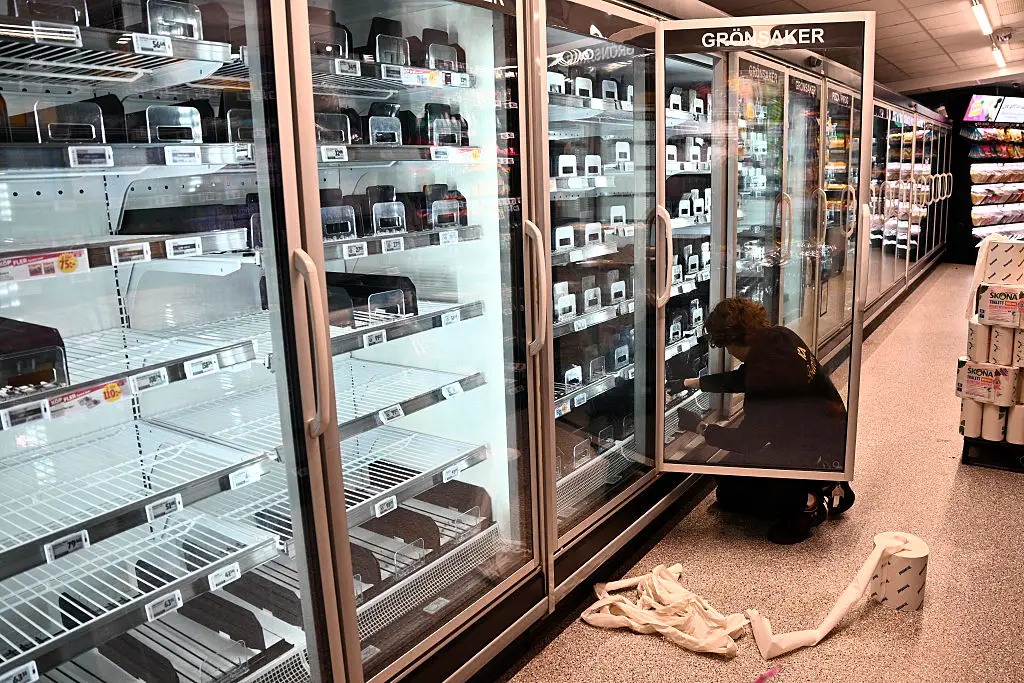
A cyberattack targeting seven European countries saw huge amounts of food spoiled (Fredrik SANDBERG / TT NEWS AGENCY / AFP via Getty Images)
Add to that the current El Niño cycle, which is so strong that it has been referred to as a ‘Super El Niño’, and which is being described as likely to be the strongest El Niño on record.
This is likely to cause widespread extreme weather around the globe, with the precise impact of it varying from region to region and being anything from floods to wild fires.
All that to say that there is a growing number of alarming emergencies which are likely to impact on our supply chains, particularly when you also factor in that a lot of our food supplies in particular rely on highly complicated networks to bring fresh produce onto the shelves on time.
The UK government is one of many which has recently advised its civilians to take some measures to protect themselves in case there is a major disruption to supplies.
This might be food supplies, or a ‘Black Sky’ event, where the entire national power grid goes off, resulting in huge disruption to communications and transport.
In an event like this, people in the UK have been advised to stock up on three days’ worth of food and nine litres of bottled water in the event of such an emergency.
The BBC also has plans in place with a secure studio running on generators so that it can broadcast public information messaging until power is restored.
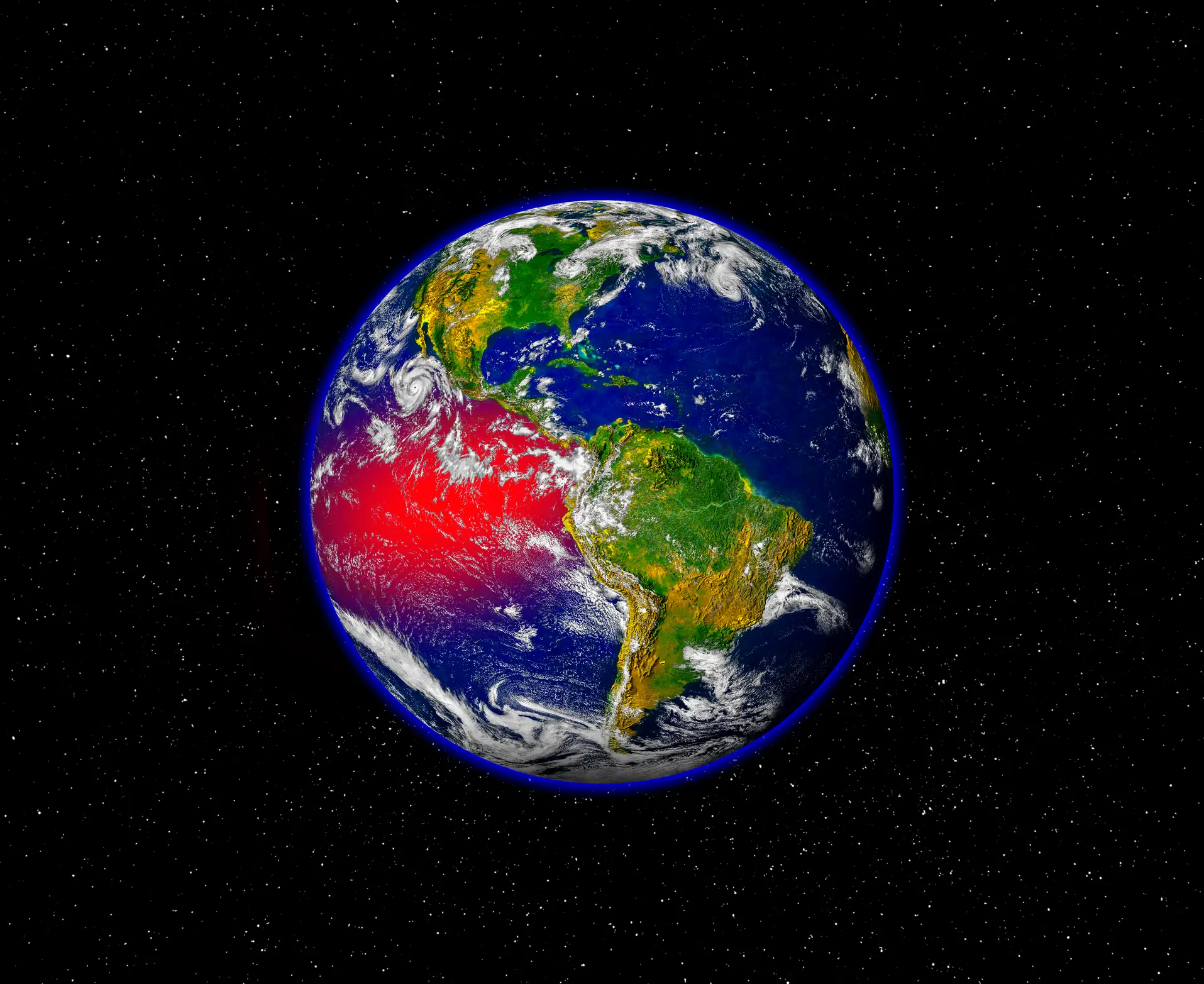
The current El Niño cycle is also expected to cause widespread global destruction (Getty Stock)
Speaking to The Guardian, UK Defence Secretary Wes Streeting said: “Terms like ‘hybrid warfare’ and ‘grey zone threats’ do not accurately capture or convey to the general public what I prefer to describe as ‘state-sponsored terrorism’.
“So in the face of those threats, which are not hypothetical but real, and not somewhere else but increasingly here, we have to step up and take seriously our national resilience as well as our national defence.
“It’s really important that we ask households and businesses, are they prepared? Are they ready? Do they know how they would respond in the event of everyday challenges that might manifest themselves?”
But this is of course a global challenge, and the UK is far from the only country doing this.
So, here are all the countries around the world advising their civilians to stock up on food, per a report from Newsweek.
This includes emergency kit guidance, as well as guidance to stockpile food and other supplies for several days.
Full list of countries advising civilians to stockpile food
- Argentina
- Australia
- Austria
- Brazil
- Canada
- Chile
- Colombia
- Croatia
- Czech Republic
- Denmark
- Estonia
- Finland
- France
- Germany
- India
- Ireland
- Israel
- Japan
- Latvia
- Lithuania
- Netherlands
- New Zealand
- Norway
- Philippines
- Poland
- South Africa
- Spain
- Sweden
- Switzerland
- United Kingdom
- United States of America
Leave a Reply