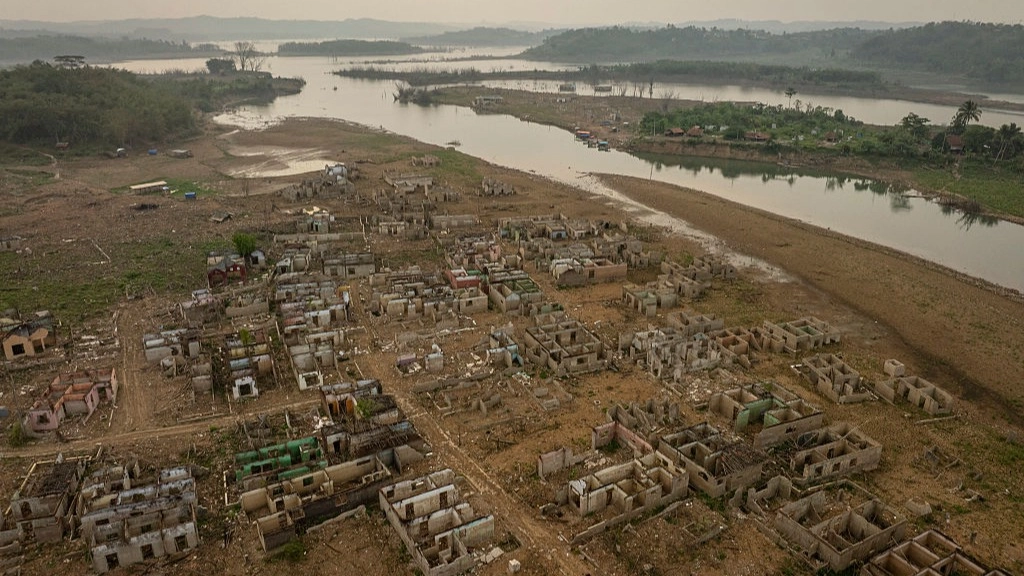
Scientists are urging the World Health Organisation (WHO) to declare the 2026-2027 Super El Niño a global health emergency.
Colin J. Carlson, planetary epidemiologist at the Yale School of Public Health, warned in an article for Think Global Health that it could kill half a million people, and that’s before you take into account ‘epidemics of dengue fever, cholera, and other infectious diseases that could also occur in tandem’.
There have been a dozen public health emergencies of international concern declared by the WHO in the past, all of them infectious disease outbreaks.
But Carlson and his colleague Christopher Callahan, assistant professor at Indiana University’s O’Neill School of Public & Environmental Affairs, believe the Super El Niño qualifies and would open an important conversation about the impact of extreme weather and climate change.
They have been warning that a ‘pandemic-scale mortality’ is coming, with hundreds of thousands of deaths in the worst affected areas, pointing towards research from the University of Chicago’s Climate Impact Lab, which is predicting around 451,000 heat deaths.
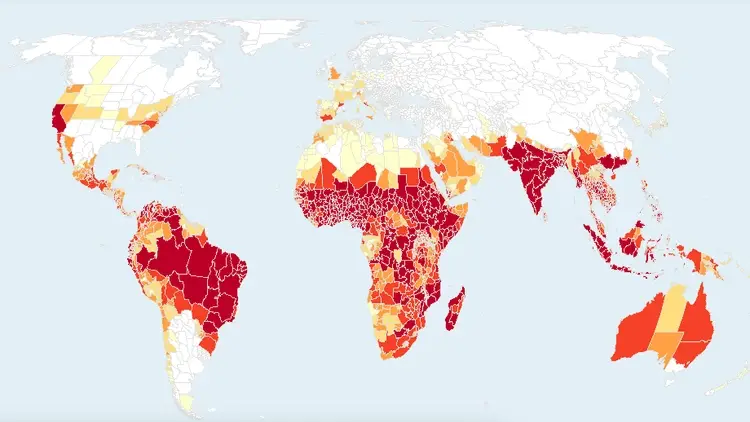
Researchers have been modelling which countries will be hardest hit (Climate Impact Lab)
They said it is predicted to kill more people than the 2009 influenza A / H1N1 (‘swine flu’) pandemic, which the WHO estimates killed as many as 575,400 people in one year.
Carlson and Callahan said the WHO had already given the current El Niño event ‘its highest internal designation for response operations, but not a recognition of the crisis under international law’.
They said that, unlike climate change, El Niño is ‘an extraordinary event with a clear beginning and certain end’, making it easier for the WHO to organise an emergency response.
Where the Super El Niño will hit hardest
In Africa, Nigeria is predicted to be the worst hit with an estimated 31,400 more deaths expected, and a further 17,500 in Sudan.
Between the Philippines, Vietnam, Thailand and Cambodia, predictions warn of 19,400 additional deaths, and another 19,300 in Indonesia.
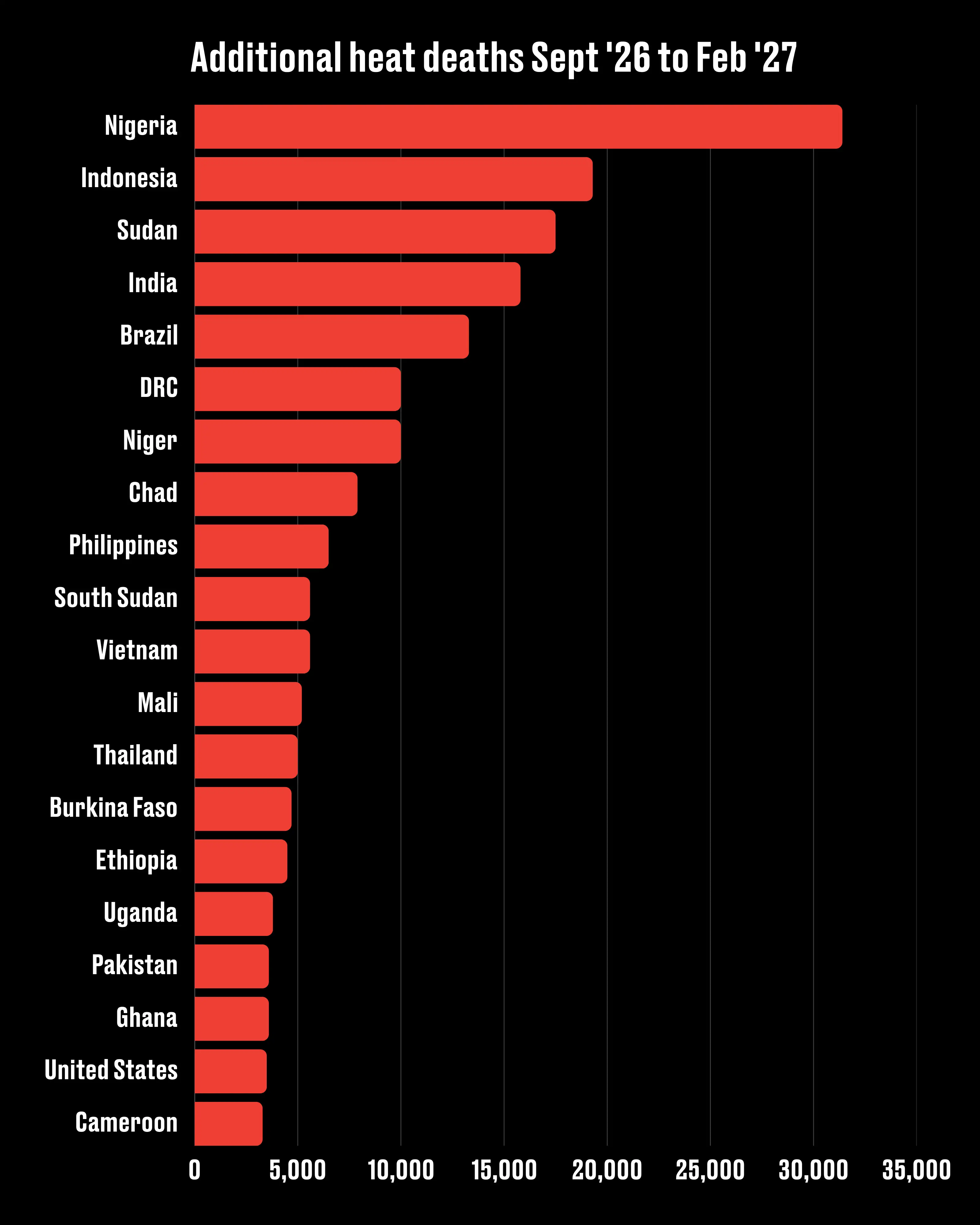
The predicted additional deaths from the El Niño make for concerning reading (LADbible/Climate Impact Lab)
India is predicted to lose 15,800 more people, and Brazil will be worst impacted in South America, with predictions claiming they’ll lose 13,300 people.
Researchers have been warning that the first signs of the Super El Niño are already here, with oceanic temperatures predicted to be highest in November and December.
“We build our infrastructure to what’s most common for us”
Matthew Cappucci, senior meteorologist at MyRadar, told LADbible that there would be winners and losers from the Super El Niño, with the hardest hit places on the planet in for a serious amount of pain.
He explained that the Super El Niño would be punishing for the Pacific and countries that were deeply connected to it, since that’s where it originated, but conversely countries which depended on the Atlantic Ocean more could see a reduction in hurricanes.
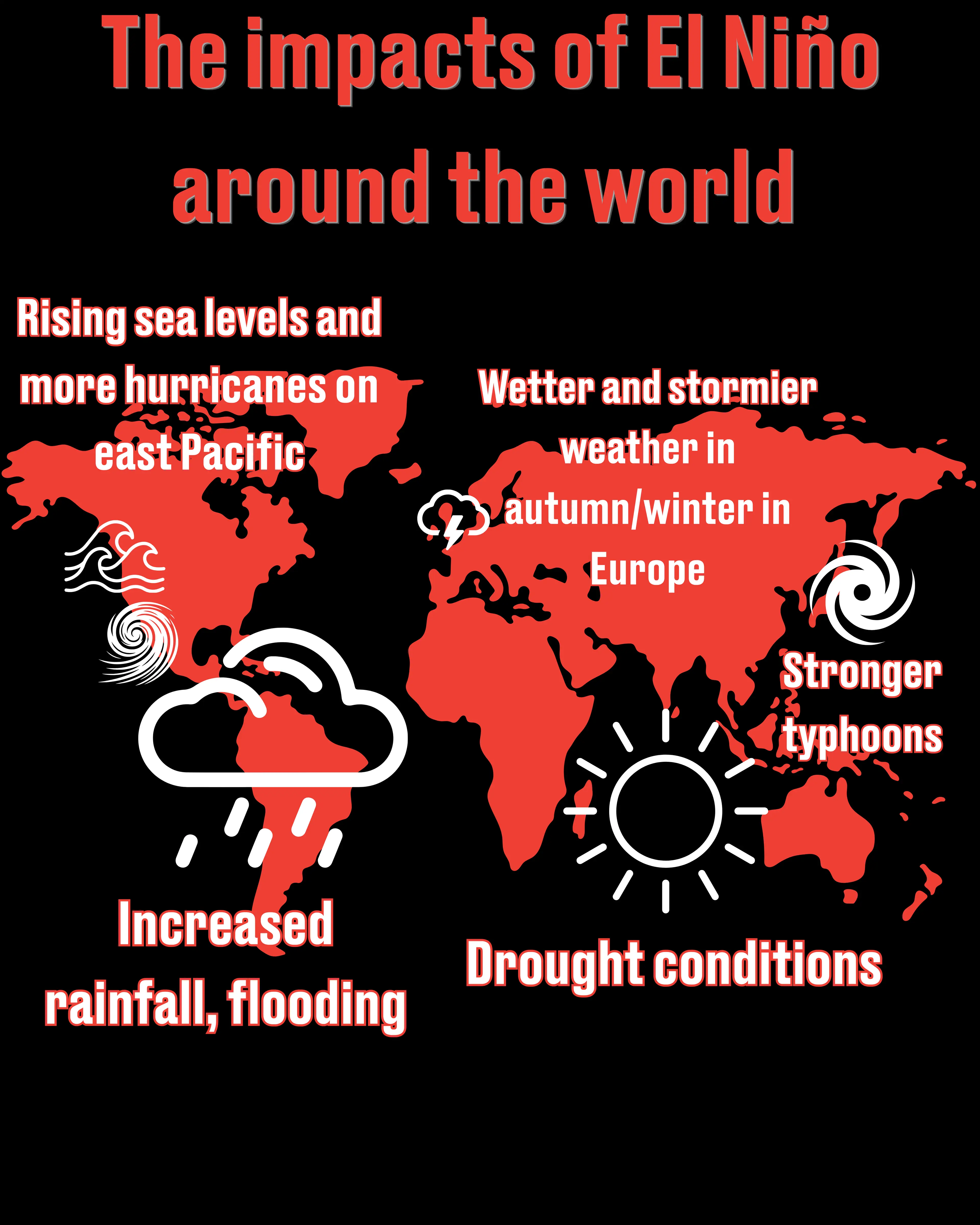
The damage done is expected to be catastrophic (LADbible)
For the other parts of the world they could expect ‘an extremifying of both drought and flooding’, which was a problem because the more extreme swings in weather would be more than many areas could bear.
He pointed out that most places build for the conditions they typically have, so when an extreme weather event like an El Niño comes along it’ll do significant damage.
Noting that ‘adaptation is going to be tough for people’, Cappucci made it clear affected areas would be in for a difficult time.
Leave a Reply