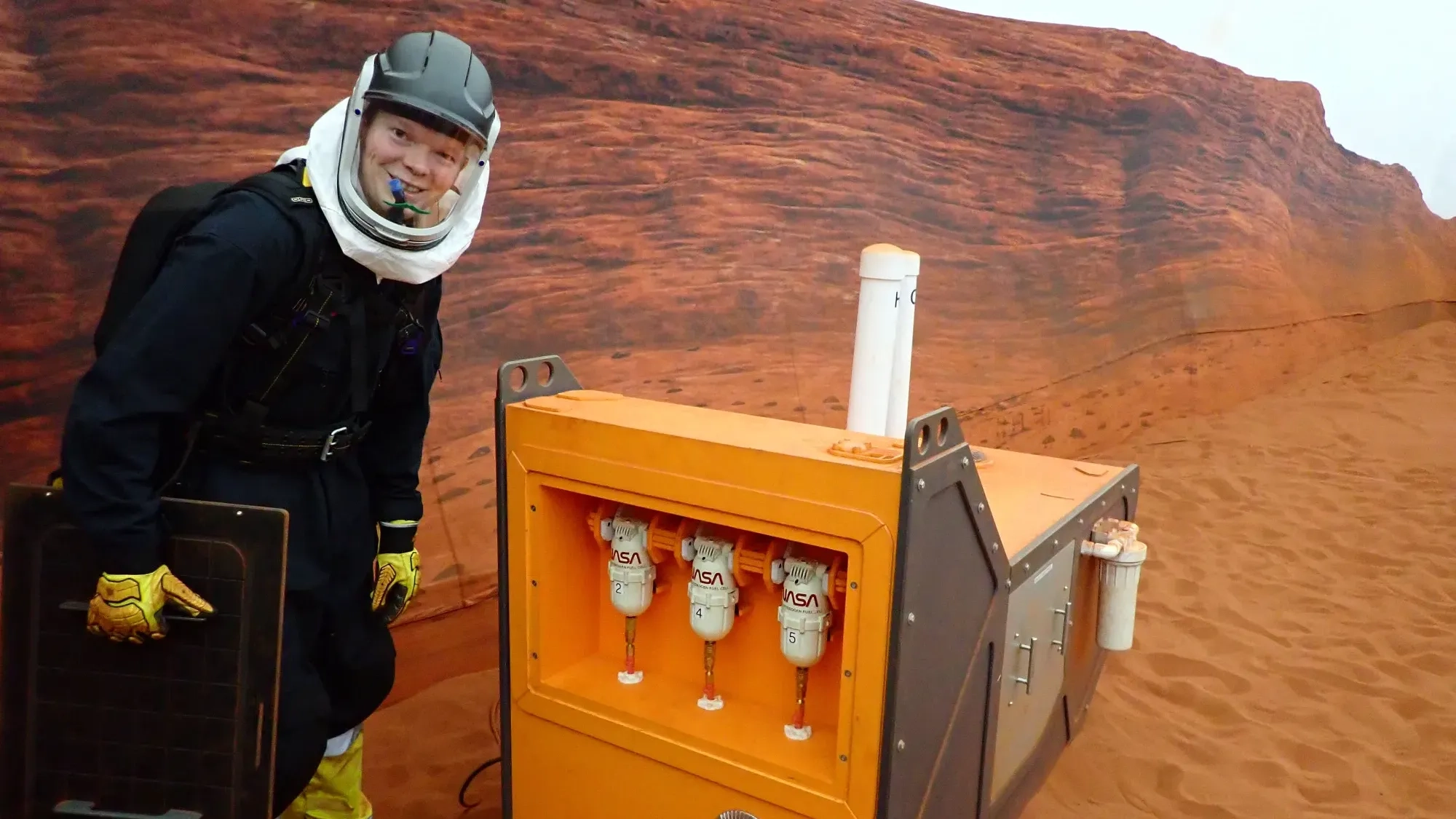
Four research volunteers spent more than a year without windows, outdoor sounds or real-time conversations with loved ones, all to help NASA understand what living on Mars might actually feel like.
Without ever leaving Earth, commander Ross Elder, medical officer Ellen Ellis, flight engineer James Spicer and science officer Matthew Montgomery lived inside Mars Dune Alpha, a 1,700-square-foot, 3D-printed simulated Martian habitat at NASA’s Johnson Space Center in Houston, Texas. Their 378-day stay began on 19 October 2025, and ended on 31 October, 2026.
“The crew participated in simulated Marswalks, robotic operations, habitat maintenance, exercise, and crop cultivation,” NASA explains.
“Their work means more than completing a mission,” said Johnson Director Vanessa Wyche. “It is about preparing for the challenges of human exploration beyond Earth, gathering the knowledge we need to protect crew health and performance, and paving the way for future missions to the Moon and, one day, Mars.”
Life without windows or instant communication
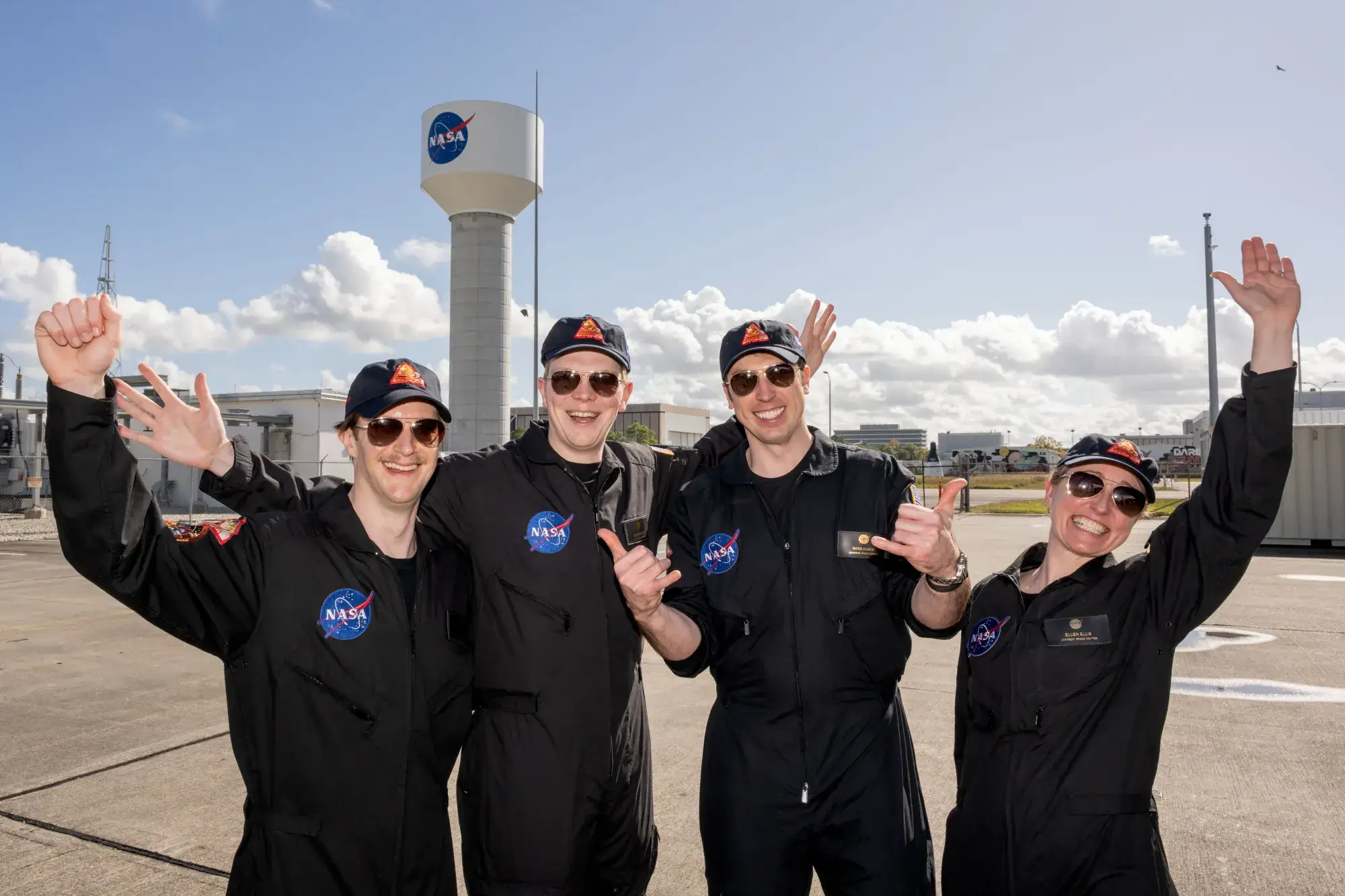
The CHAPEA (Crew Health and Performance Exploration Analog) Mission 2 crew has reflected on their mission (NASA/James Blair)
Communication with the outside world was delayed by up to 22 minutes each way, meaning conversations with family could not happen live. Even contact with loved ones was limited to delayed emails.
Inside, the crew would get up to all sorts of tasks, from exercising regularly, maintaining equipment, growing vegetables, to operating robots and doing simulated Marswalks.
As you can imagine, everyday resources like food, water, cleaning supplies and equipment required careful management.
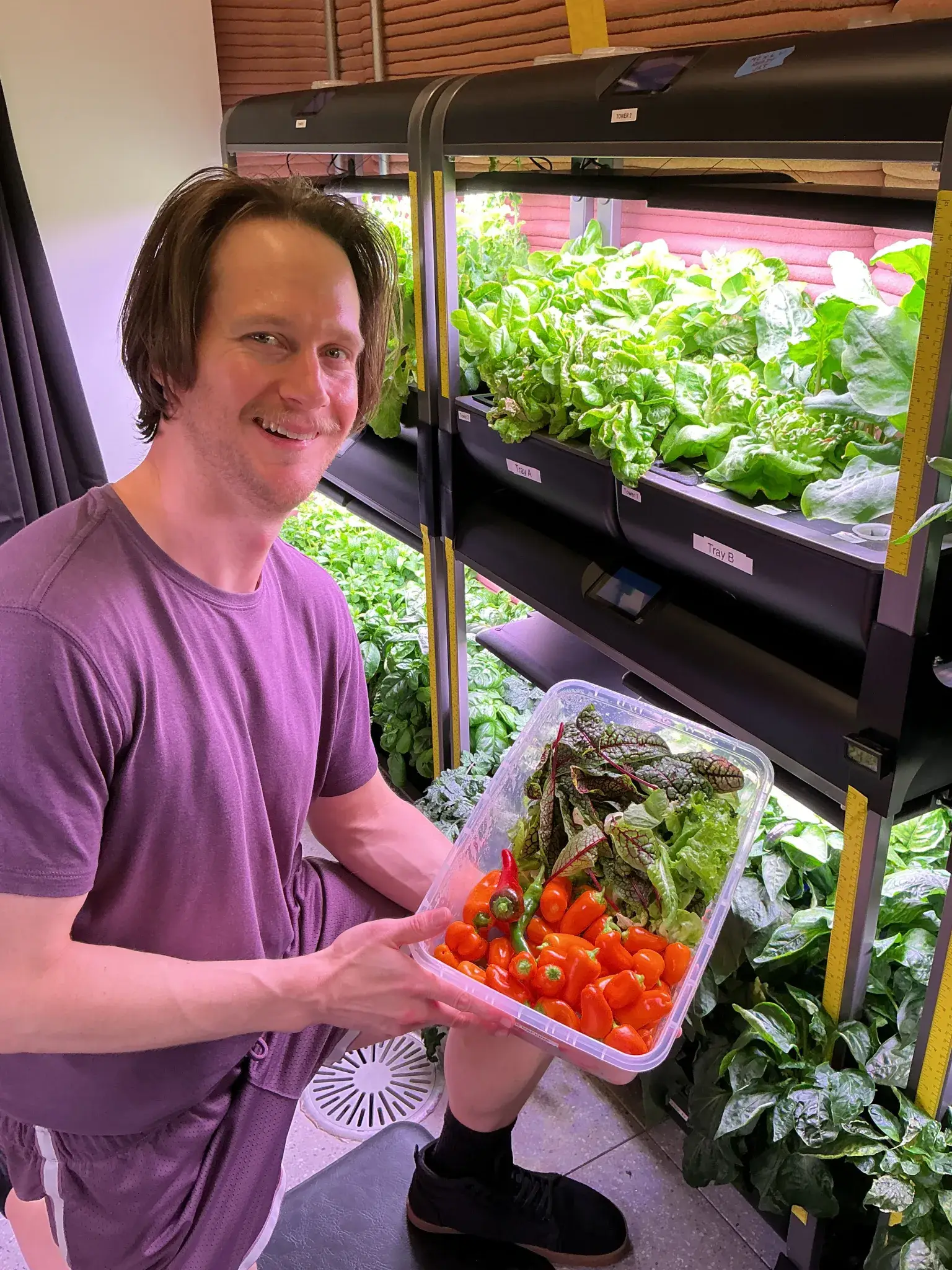
Matthew Montgomery displaying vegetables harvested from the habitat’s hydroponic crop system (NASA/James Blair)
“There is a kind of tactical creativity that I find energizing,” Ellis said.
Spicer, meanwhile, was the ‘flight engineer extraordinaire and resident data scientist’.
He found that he barely missed constant news updates or social media, and without those distractions the mission became easier.
“We’re inspired every day knowing that the data we’re generating is informing Martian mission planning and increasing the safety, health, performance, and comfort of future Martian crews,” he said.
What isolation really felt like
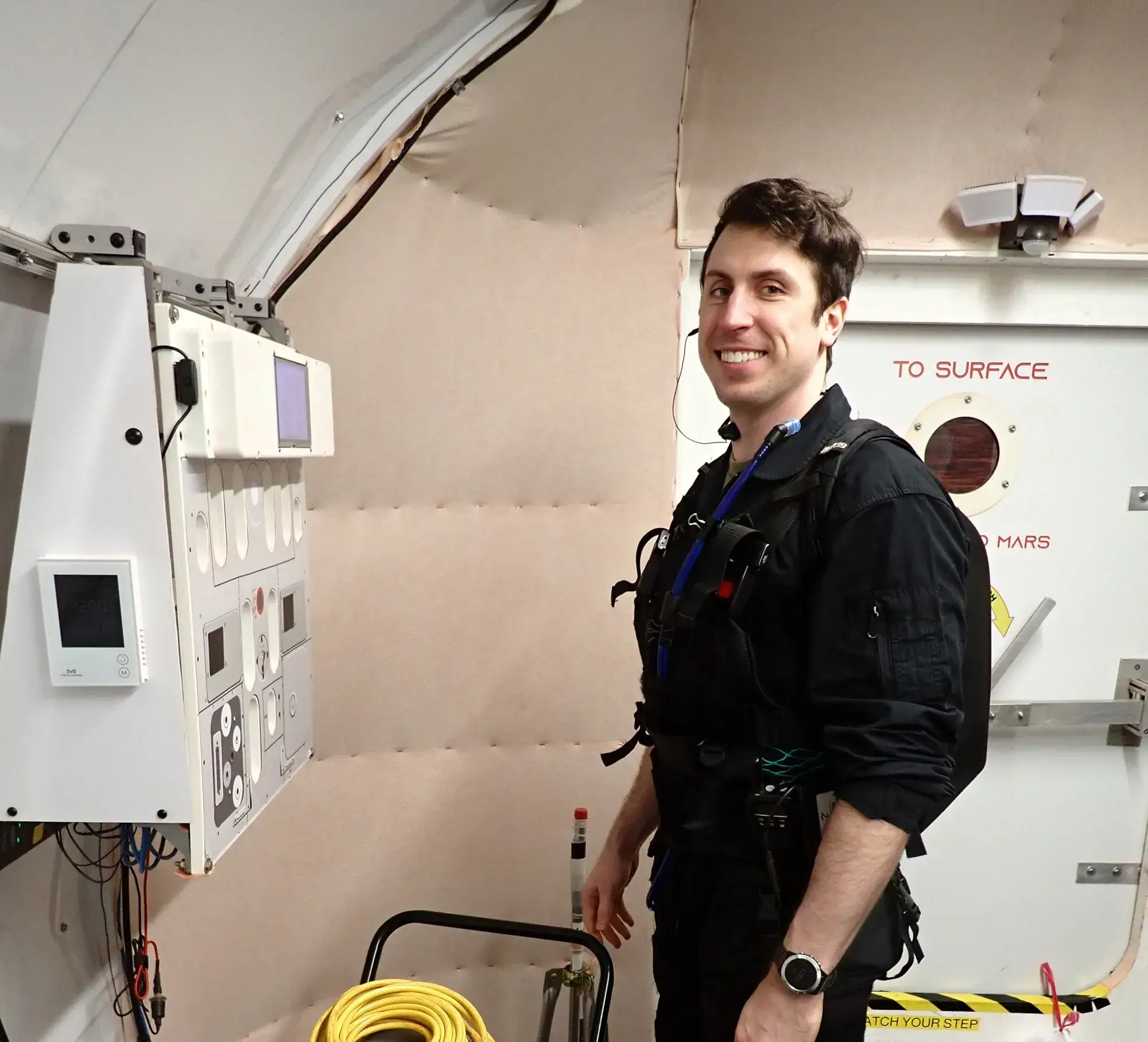
Ross Elder pictured about to go on a simulated Marswalk in the habitat’s airlock (NASA/James Blair)
Ellis said physical separation did not necessarily mean loneliness.
“It would be difficult to convince someone who has never lived in isolation that most days, I don’t feel isolated,” she explained.
Her three crewmates provided companionship, practical support and a shared sense of purpose.
“It’s really the people that make exploration possible,” Montgomery said.
The volunteers are now undergoing evaluations and debriefings to help scientists interpret their experiences.
Their findings could influence future spacecraft design, astronaut healthcare, food systems and mission planning.
Sara Whiting, CHAPEA project scientist, said the data comes as NASA plans how astronauts will live and work at the Moon Base, humanity’s first lunar outpost near the Moon’s South Pole.
“This is really the now moment for this kind of data,” she said.
Leave a Reply