
A new study has indicated potential health risks which may be associated with caffeinated energy drinks, including an increased risk of heart problems.
The American Heart Association has conducted the research, which examined over 28,000 reports covering a time scale of eight years.
These reports were sent to a database held by the Food and Drug Administration (FDA), and looked at adverse events, though the findings have not been published in a peer reviewed journal at present.
Part of the data allowed them to compare incidences of cardiac arrest with energy drinks and supplements that contained caffeine with such as caffeine pills or powders used prior to a workout with other FDA-approved products.
Cardiac arrest was reported approximately 11 times more frequently in the case of these products than with other products which are regulated by the FDA, NBC reports.
In other parts of the data they also found that energy drinks and supplements appeared around 4.5 time more likely to include mention of a heart attack, as well as around four times more likely for palpitations or an abnormal heartbeat.
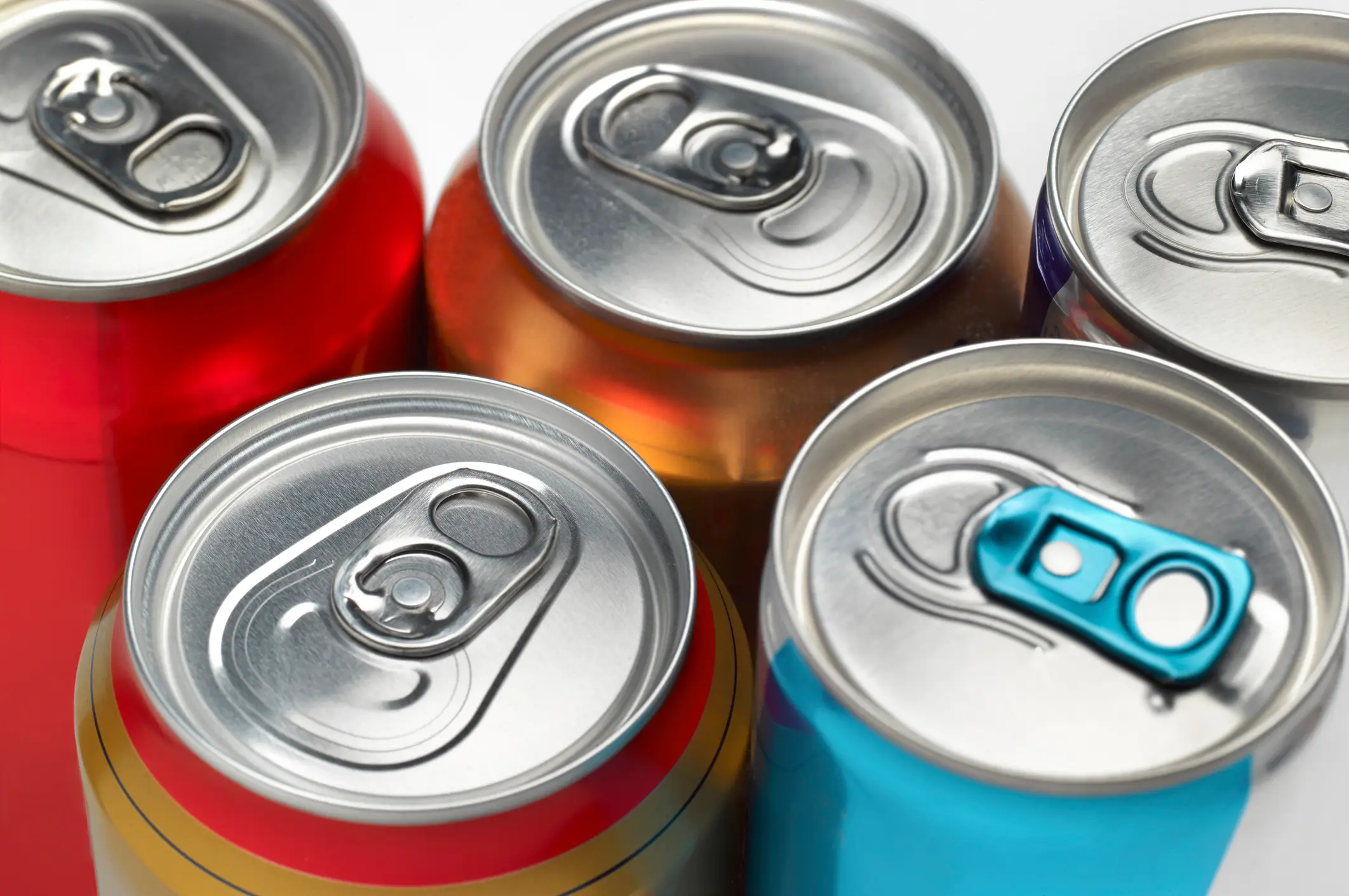
Energy drinks can contain a large amount of caffeine (Getty Stock)
A large proportion of the data, nearly half of the reports, was made up of people who were aged between 18 and 34, with the same pattern also being there for women and men.
The study does not prove that drinking energy drinks leads to heart problems or that most people who drink them will go on to develop heart problems, and further research is still needed.
Dr. John Higgins is a sports cardiologist at UTHealth Houston, and called the research, which he himself was not involved with, a ‘warning sign’ about the potential impact that energy drinks could have.
“These are very powerful stimulants. I believe the study identifies an important and concerning cardiovascular safety signal, particularly given the reports involving younger adults and adolescents,” he said.
Meanwhile Dr. Luke Laffin, who works as a preventive cardiologist at the Cleveland Clinic in Ohio, said that the way that the FDA’s reporting system works can be useful for researchers.

The recommended safe intake for an adult is the equivalent to around four cups of coffee (Getty Stock)
“Although not a perfect data set, FDA’s adverse event reporting system can help identify signals of harm that need to be explored with systematic safety monitoring,” he said, adding that a ‘future evaluation’ of the safety of energy drinks which was carried out in a ‘systemic way’ could be ‘useful’.
The FDA database in question in called CAERS, and anyone is able to submit data to it.
This includes patients, carers, as well as medical professionals, all of whom can file reports about any health event, such as a cardiac arrest, which they think may be connected to a particular product such food or cosmetics.
The FDA also warns that these reports are not the FDA saying definitively that a product causes a particular medical event.
According to Mayo Clinic, a recommended safe daily intake for an adult is around 400 milligrams of caffeine, equivalent to around four cups of filter coffee, though this can vary from person to person.
Leave a Reply