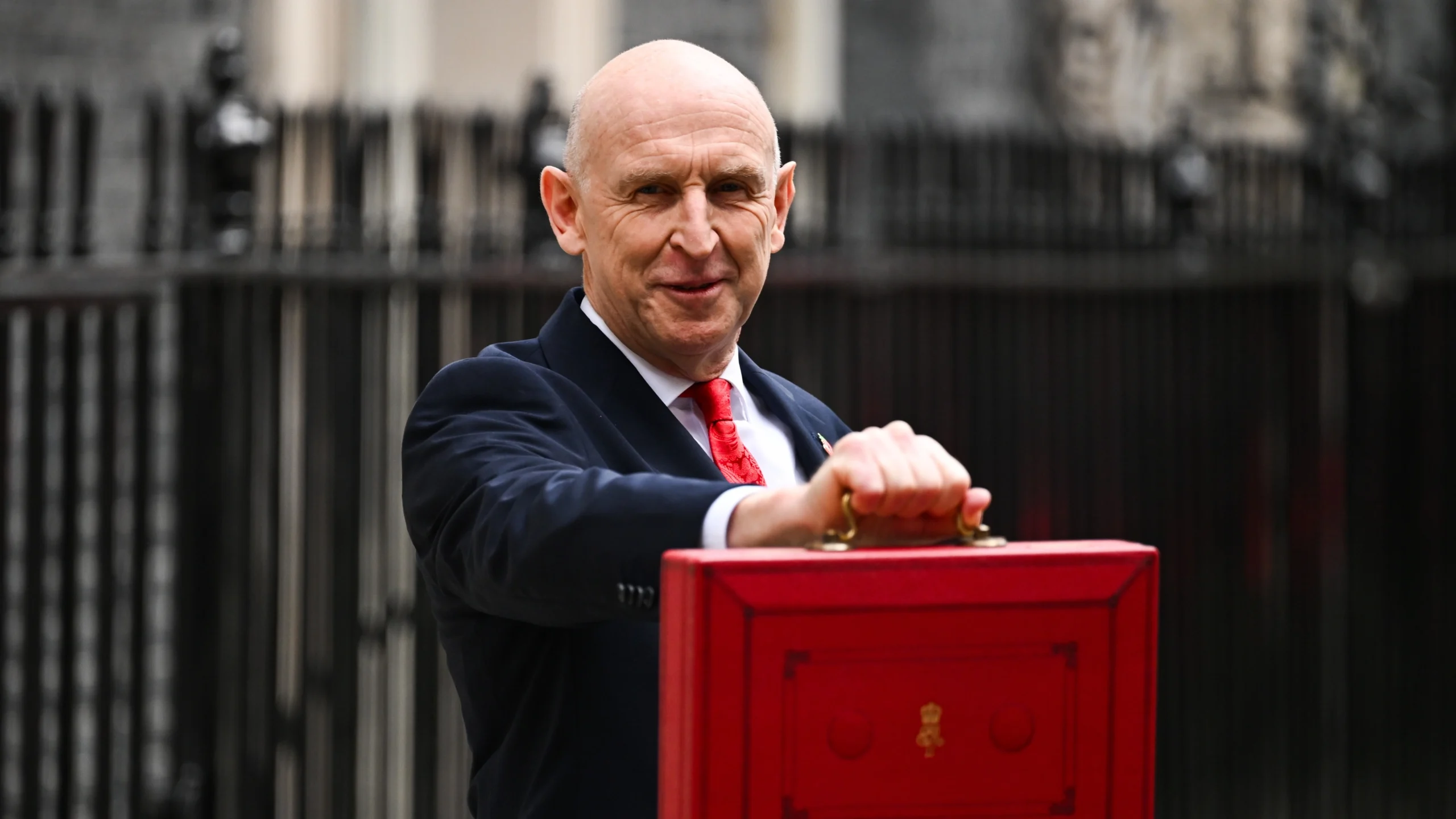
With the new budget announced one measure in particular could see a knock-on effect on bank customers.
Now to be clear, the new rules don’t directly impact customers, so the public aren’t going to have to pay more tax. Instead, the revised surcharges are directed at the banks themselves, and are specifically changes to the Bank Corporation Tax Surcharge.
This is an annual tax which is levied on some bank profits, which currently stands at three percent.
UK Chancellor John Healey told the House of Commons: “As Chancellor, I want to say directly to our banks, I celebrate and am grateful for the role you play.
“Amid global economic storms, I am looking to our banks to help fund breathing space for British families.”
Let’s get into what this measure might mean for people who are first time buyers currently seeking a mortgage, young savers, or renters looking to save to buy a house.
The tax is aimed at banks (Getty Stock)
What is the bank tax?
The ‘Bank Tax’ refers to the Bank Corporation Tax Surcharge, which is that three percent that we mentioned before.
It’s effectively a tax on the profits that banks make and is directed at the banks themselves, so it doesn’t have a direct impact on customers who are holding money in the bank, so you’re not suddenly see your savings taxed due to this, for example.
The surcharge is paid by banks and building societies which are subject to corporation tax, and was first introduced in The Finance Act (No 2) 2015, coming into effect on 1 January 2016.
What has changed in the Budget?
Previously this rate was at three percent, but under the new measures announced by chancellor John Healey this will rise to six percent from January.
That rate applies to profits that banks make which are over the threshold of £100 million.
The Office for Budget Responsibility (OBR) has said that the tax is expected to raise around £1.5 billion.
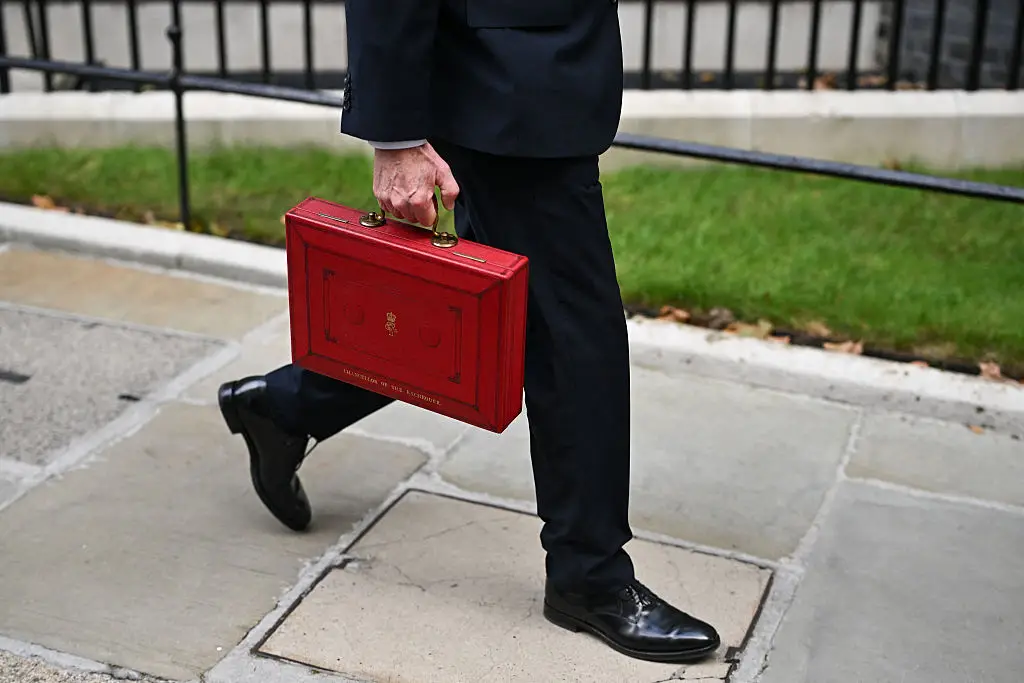
The new budget includes the changes to the surcharge for banks (Dylan Martinez – WPA Pool/Getty Images)
Could the bank tax affect mortgage rates?
This is where we get into how the new measures could effect customers, though not directly, by banks effectively passing the cost of the tax on to customers in higher mortgage rates.
Jason Napier is an analyst at UBS, and previously told The Telegraph that banks could respond to an increased tax in this way.
He told the outlet that it would ‘bring in less money than moves the needle’ and ‘disincentivise’ investment.
Napier when on to call this kind of tax ‘an input cost which will be passed to bank customers in the form of very marginally more expensive loans.’
So for example this would mean if you are currently looking to get a mortgage then it’s possible you would be offered a higher interest rate on the loan than you otherwise might have been.
Could it affect savings rates?
This is another way in which the measure could have an impact on customers, with UBS also warning that it could lead to lower rates on savings accounts.
In addition to the ‘more expensive loans’, Napier also warned that it could lead to ‘less remunerative deposits’ for customers.
Effectively that means that it’s possible banks will make it so your savings do not accumulate as much interest, though it is not clear at this stage whether either lower savings rates or higher mortgage rates will come into effect as a result of this, though banks have expressed criticism of the measure in the run up to the budget.
Leave a Reply