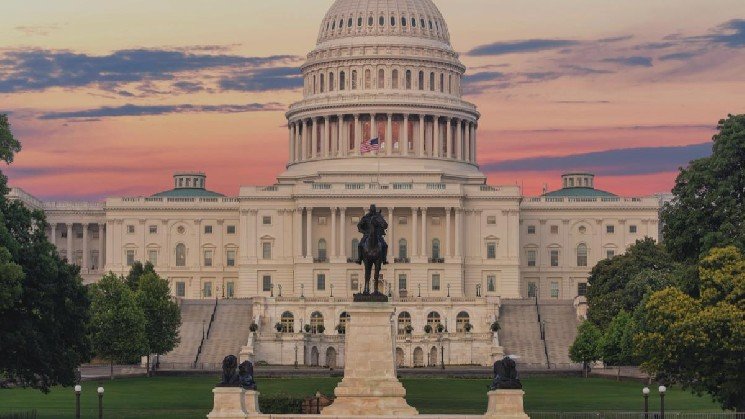
The U.S. Senate last month failed to pass the Clarity Act, which would have established clearer federal rules for digital assets and divided oversight between the Securities and Exchange Commission (SEC) and the Commodity Futures Trading Commission (CFTC). The bill fell short of the 60 votes needed in September after disputes over ethics provisions, stablecoin rewards and other regulatory concerns.
Regulatory uncertainty
The delay leaves uncertainty over how those products will be regulated in the world’s largest economy for companies building blockchain-based financial products.t Hughes believes faster-moving jurisdictions could attract business that might otherwise have gone to the United States.
The SEC and CFTC moved soon after proposing their own set of crypto rules, in an attempt to fill the void left by lawmakers’ failure to reach consensus.
Apex Group, which services more than $3.5 trillion in assets, operates across 50 jurisdictions. Earlier this month, it announced a partnership with droppRWA and Tokeny to help turn real-world assets (RWAs) into regulated blockchain-based investment products, starting in Saudi Arabia.
Faisal Monai, the CEO and founder of tokenization platform droppRWA said Saudi Arabia has already made regulatory changes allowing real estate tokenization and greater foreign participation in its property market. What remains, he said, is infrastructure connecting each digital token directly to the legal record of the underlying asset.
Leave a Reply