
‘Zombie vapes’ refer to e-cigarettes that have been laced with etomidate, a sedative that at higher concentrations can make a person stutter or move mechanically.
That’s where the ‘zombie’ term comes from, and while these laced vapes haven’t spread much beyond Asia yet they are causing plenty of concern among the authorities in countries where they’re most prevalent.
In Singapore, where vaping itself is banned, tests done on a sample of 100 vapes seized last year found that a third of them contained etomidate, leading them to make it a Class C drug and introduce fines for those caught with the drug, with 20 years behind bars and 15 strikes of the cane for suppliers.
As it’s a sedative it’s likely to make you feel more sleepy, and taking too much of it runs the risk of fits and seizures, while recorded deaths are rare but have happened.
Dr. Scott Nass, family medicine physician at SwiftCareMD, told LADbible that one of the main dangers about puffing on laced vapes was that ‘the active ingredients’ quantities are unknown, and the combined effects of the multiple chemicals are also unknown’.
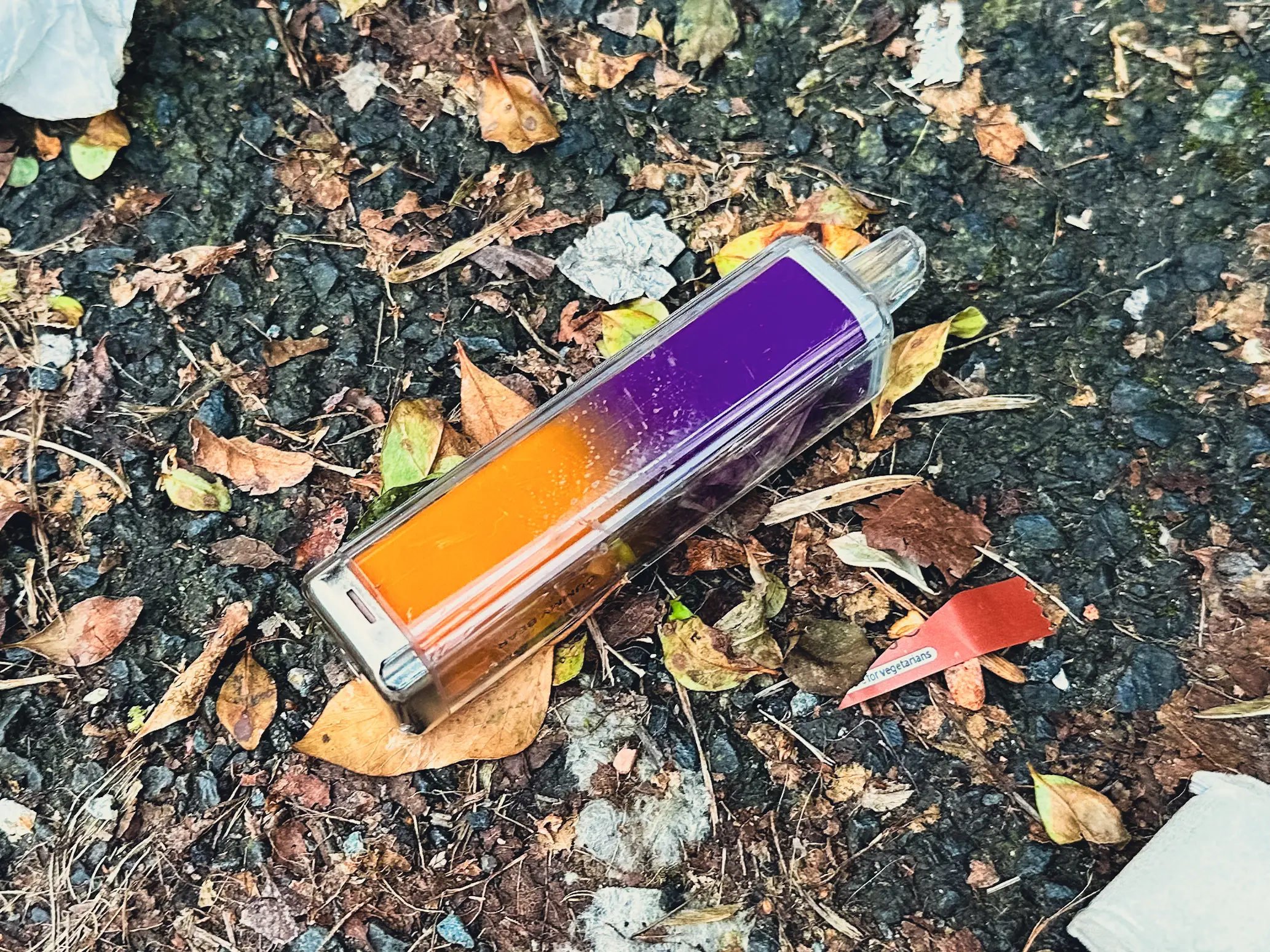
Experts warned that laced vapes can’t be detected by sight (Getty Stock Photo)
“Inhaling allows the substance to enter your bloodstream very quickly,” he warned of using a ‘zombie vape’, which he noted was not a term typically used by doctors.
“Therefore, depending upon the type of drug/substance you inhale, you could experience rapid onset of symptoms such as extreme confusion, lack of coordination, hallucinations, vomiting, irregular heartbeat, reduced respiratory function, convulsions or coma.”
Dr Nass added to his warning by saying that you couldn’t tell if a vape had been tampered with and laced with a dangerous substance based on how it looked or smelled.
Even if it looked like a regular vape he warned it might contain something dangerous you didn’t know was there, and drop you into serious danger.
Dr Michael Genovese, Chief Medical Advisor of Ascendant NY, warned that etomidate risked causing ‘involuntary movements, sedation, and suppressed cortisol production’.

‘Zombie vapes’ are typically laced with the sedative etomidate (Getty Stock Photo)
Prolonged exposure to the sedative could lead to ‘muscle weakness and dangerous heart rhythm disturbances’, both of which are harmful to your health.
He said: “Etomidate is particularly associated with sedation and involuntary muscle movements, while other substances found in adulterated vapes may cause hallucinations or agitation.
“One of the most commonly reported side effects of some medications is drowsiness.
“Sudden, brief muscle jerks may involve the whole body or parts of the body. Additionally, breathing difficulty is almost always a medical emergency.”
He advised anyone who thought they’d accidentally had a laced vape and was having a medical emergency to seek help right away.
Dr Lauren Grawert added: “In the most serious of cases, a person could become unconscious, experience severe respiratory depression, or progress to coma or death from an overdose.
While ‘zombie vapes’ typically contain etomidate, Dr Grawert explained they could also be laced with ketamine or methamphetamine.
She said: “Ketamine may cause confusion or memory gaps. Etomidate may cause significant sedation and involuntary muscle jerks.
“Methamphetamine may cause agitation. DMT can produce intense psychedelic effects, including out-of-body sensations.
“Meanwhile, when used in larger doses, meth can cause dangerously high body temperature, confusion, convulsions (uncontrollable jerking body movements), and even death.”
Leave a Reply