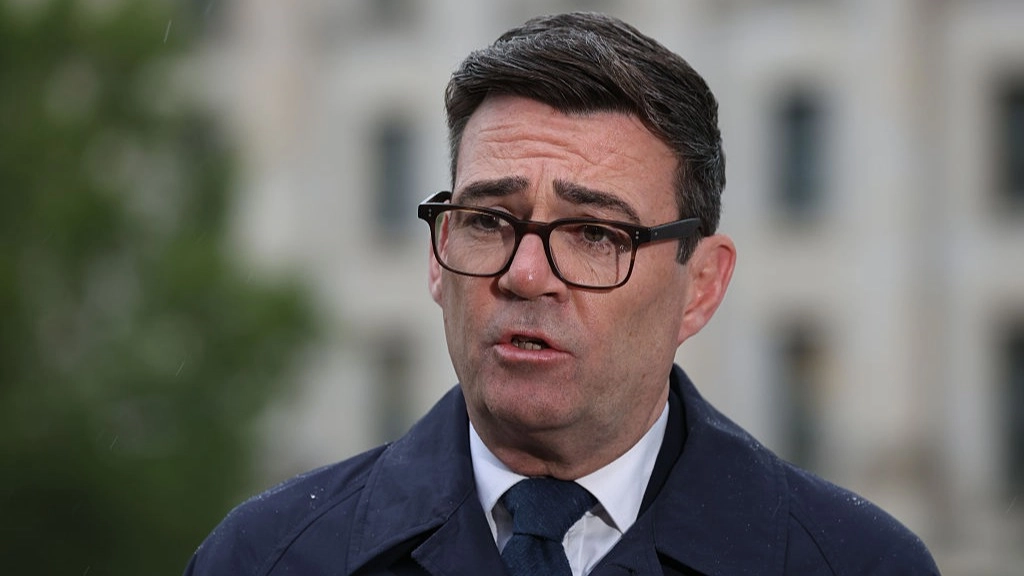
There’s been a lot of talk about rejoining the European Union – but what would that look like?
The United Kingdom’s future relationship with the EU has been up for discussion once again, after Prime Minister Andy Burnham promised ‘serious dialogue’ with the economic and political union.
This has since been bolstered by findings from a recent Messina Group (TMG) poll published in The Guardian, which stated that 29 percent of respondents strongly supported rejoining the EU, while a further 21 percent somewhat supported the move.
Meanwhile, further statistics revealed that just under half of respondents either strongly or somewhat supported amending our current agreement with the EU, joining a customs union, single market or an associate membership.
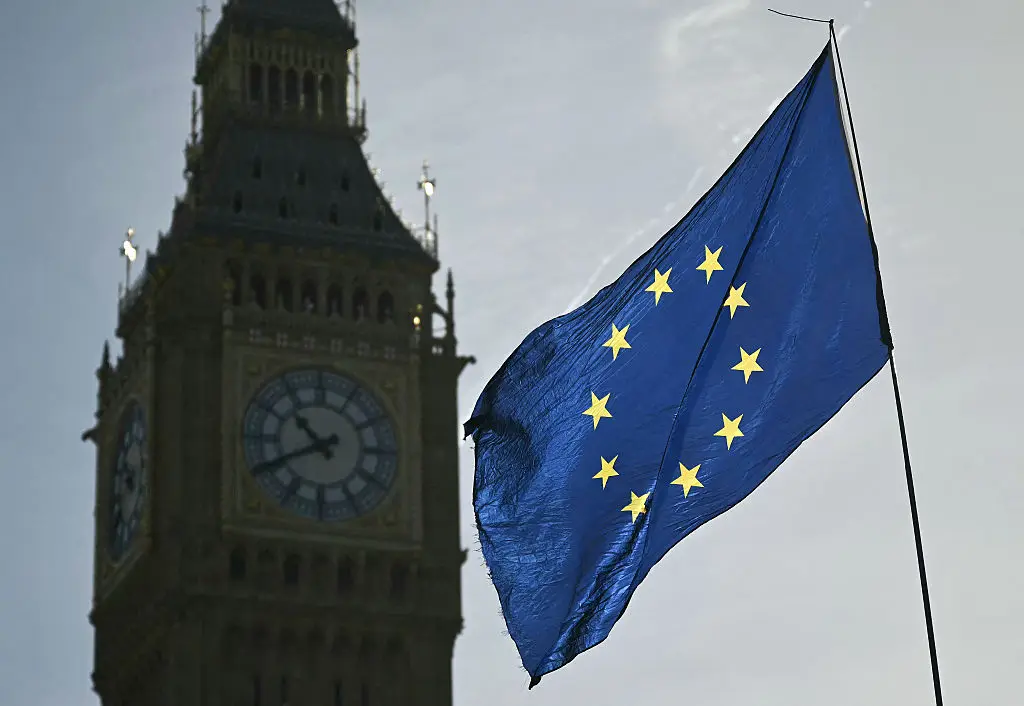
A new poll suggests that roughly half of Brits support rejoining the EU (JUSTIN TALLIS / AFP via Getty Images)
What would happen if the UK rejoined the EU?
According to Daniel Schatz, a political scientist, author and international affairs expert, evidence of growing support for the UK to re-evaluate its relationship is ‘politically meaningful’ but shouldn’t be ‘confused with a settled mandate for membership’.
“[While] a poll asking whether people would prefer to be back in the EU captures Brexit fatigue and dissatisfaction with its economic and practical consequences; it does not yet demonstrate that voters are prepared for the trade-offs of re-entry, above all free movement, shared rule-making and a lengthy negotiation,” he told LADbible.
Schatz went on to point out that unlike the UK’s previous EU membership, which came with ‘opt-outs’ to policies such as the Schengen Area or adaptation of the Euro, rejoining the bloc would not automatically revive this.
“The UK could not assume it would retain permanent exemptions from Schengen, free movement or the EU’s wider monetary-union framework,” he explained.
“Any special arrangements would be subject to negotiation and require the agreement of every member state.”
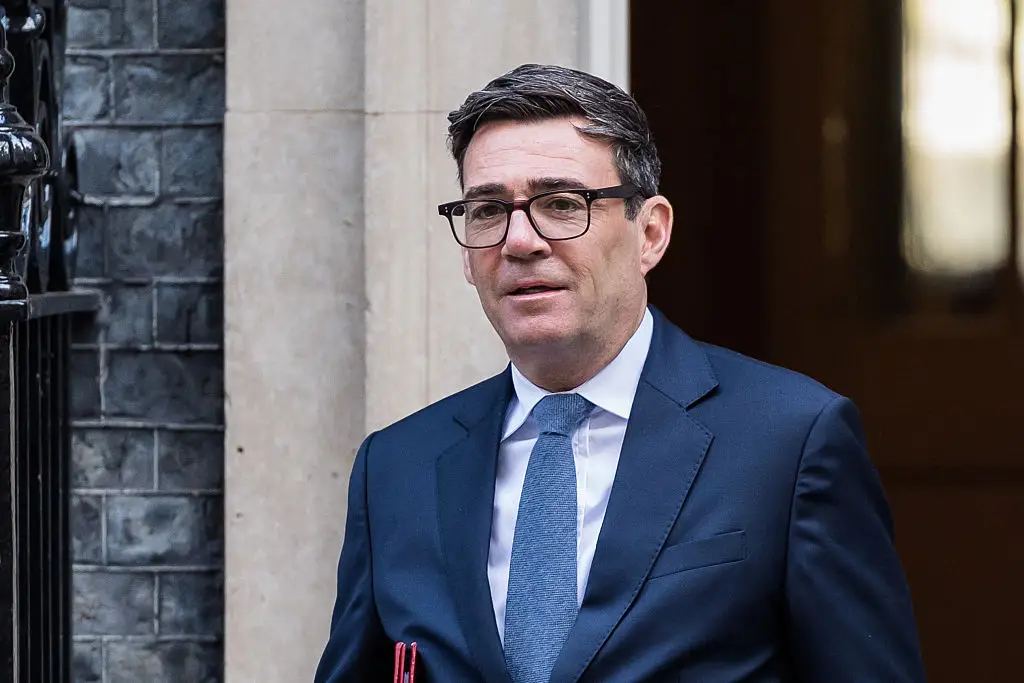
Andy Burnham sparked discussion around the UK’s future with the EU during a recent speech (Wiktor Szymanowicz/Future Publishing via Getty Images)
Andy Burnham sparked discussion around the UK’s future with the EU during a recent speech (Wiktor Szymanowicz/Future Publishing via Getty Images)
Noting that the UK retained a significant amount of ‘legal and regulatory framework’ which is compatible with the EU, Schatz predicted that more ‘difficult questions’ remained around the political aspect.
“The EU would want credible reassurance that a future British government would not seek another exit, while Britain would need to decide whether it is willing to accept the obligations of membership rather than seek to recreate its former exceptional status,” he continued.
“A successful re-entry project needs a more resilient majority than a single snapshot: one that persists when voters are asked about immigration, budget contributions, common rules and the loss of national vetoes in areas where the EU decides collectively.”
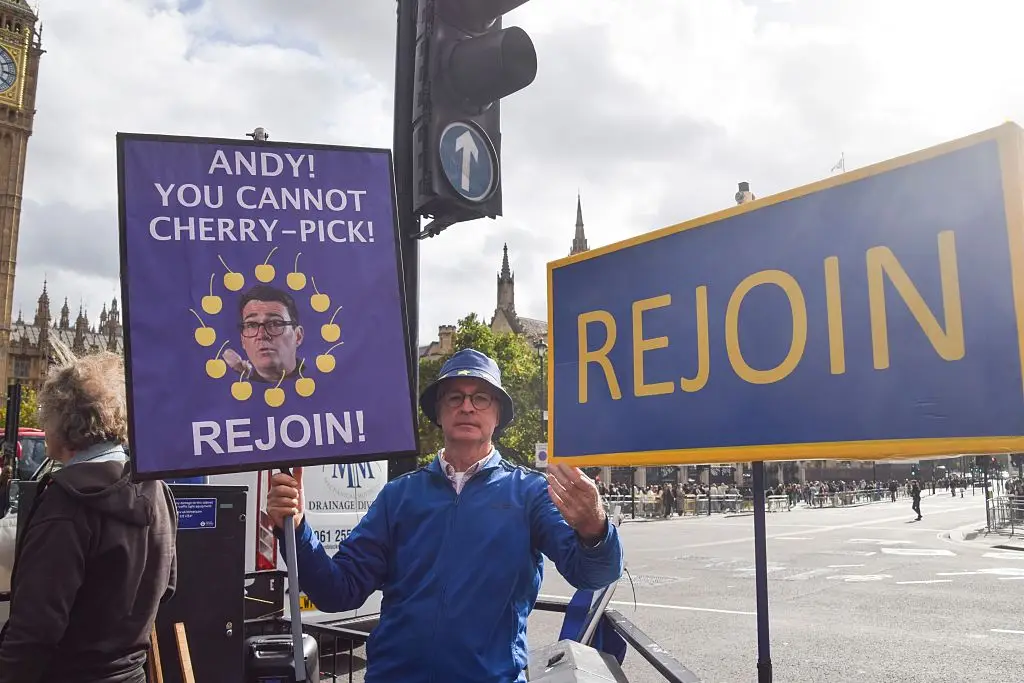
Support for rejoining the EU remains strong (Vuk Valcic/SOPA Images/LightRocket via Getty Images)
Why is there discussion about the UK rejoining the EU?
Burnham reignited discussions around the UK’s relationship with the EU going forward during his first Labour conference speech as Prime Minister, telling delegates: “We will not give Britain the clear path we need into the rest of this century until we decide on a long-term relationship with what is still our largest market.
“I cannot say to you truthfully that where we are is good enough. Brexit has done more harm than good. We need to restore a high level of growth and prosperity for Britain.”
Changes to Britain’s relationship with the EU going forward aren’t limited to rejoining but could also include fostering a relationship similar to Norway and Switzerland, an associate membership similar to the model offered to Canada or rejoining either the customs union, the European Economic Area or single market.
Leave a Reply