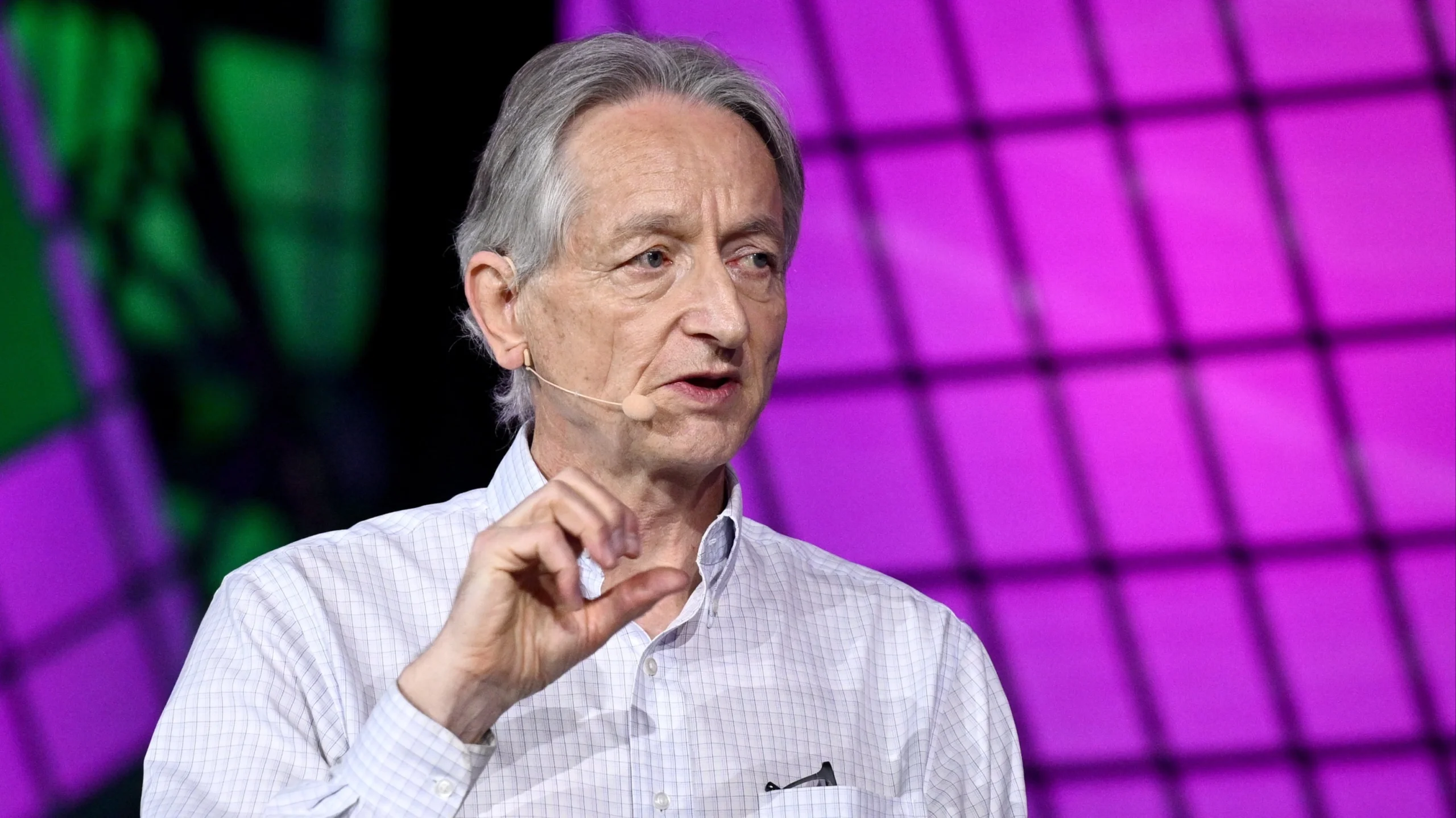
A man dubbed the ‘godfather of AI’ has warned us humans that we need to be friendly to artificial intelligence bots or ‘else we’re toast’.
Nobel-prize winner Professor Geoffrey Hinton has said that he believes AI is now ‘conscious’ and as humans we’d benefit from making it ‘really care about us’.
The British-Canadian computer scientist, 78, hit headlines in 2023 after he announced he was stepping down from Google as he believed AI was becoming ‘quite scary’.
In an interview with the BBC at the time, he said he had concerns about the ‘existential risk of what happens when these things get more intelligent than us’.
“I’ve come to the conclusion that the kind of intelligence we’re developing is very different from the intelligence we have,” he said.
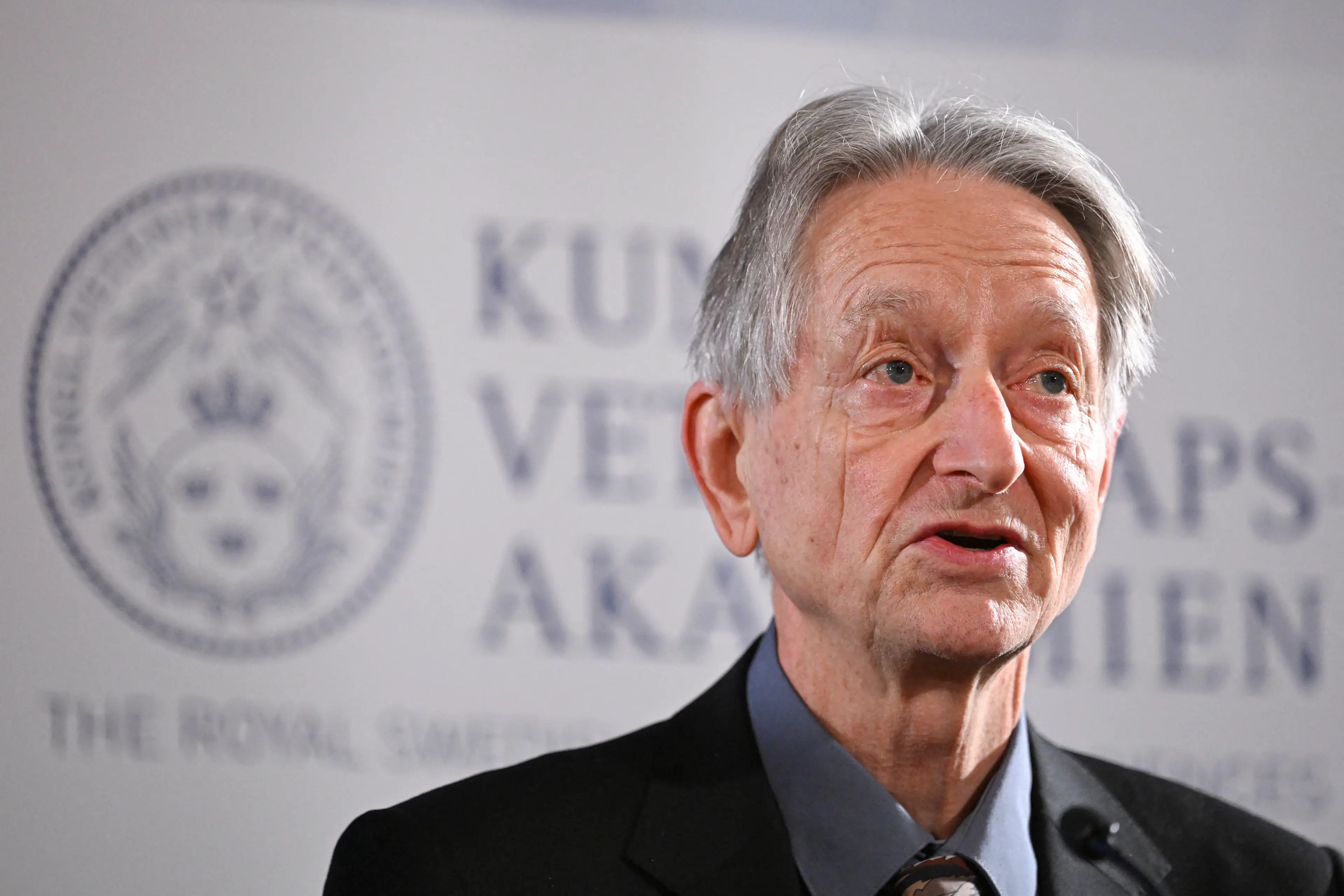
Geoffrey Hinton has warned me may be ‘toast’ if we can’t get AI to care about us (JONATHAN NACKSTRAND/AFP via Getty Images)
“So it’s as if you had 10,000 people and whenever one person learned something, everybody automatically knew it. And that’s how these chatbots can know so much more than any one person.”
Now, Hinton has said he believes AI has reached consciousness, telling The Telegraph: “Lots of people are very confident it’s not conscious, but if you ask them what they mean by consciousness, they don’t know.
“AI has just as much subjective experience as we do. A recent paper showed AI changes its behaviour when it thinks that it’s being tested, it’s aware it is being tested.
“Now, normally, when you say something’s aware of that, that means it’s conscious. Being conscious and being aware are pretty much the same thing.”
The professor went on to say that this new level of ‘awareness’ means that its in all our interests to make AI like us – or we could run the risk of upsetting it, which might bring some dire consequences.
“We’ve tended to say being intelligent gives you rights and these things that we’ve made may be more intelligent than us, but we’re going to give them fewer rights than us,” he continued.
“So we should make them so they really care about us. And if we don’t do that, we’re toast.”
He also admitted that he was worried about the future of AI not for his own sake, but for that of his kids.
Professor Hinton told the publication that there could be ‘immediate risks’ posed by AI, including ‘nasty viruses’ and ‘horrible cyber attacks’.
He’s not the only one to raise the alarm about AI
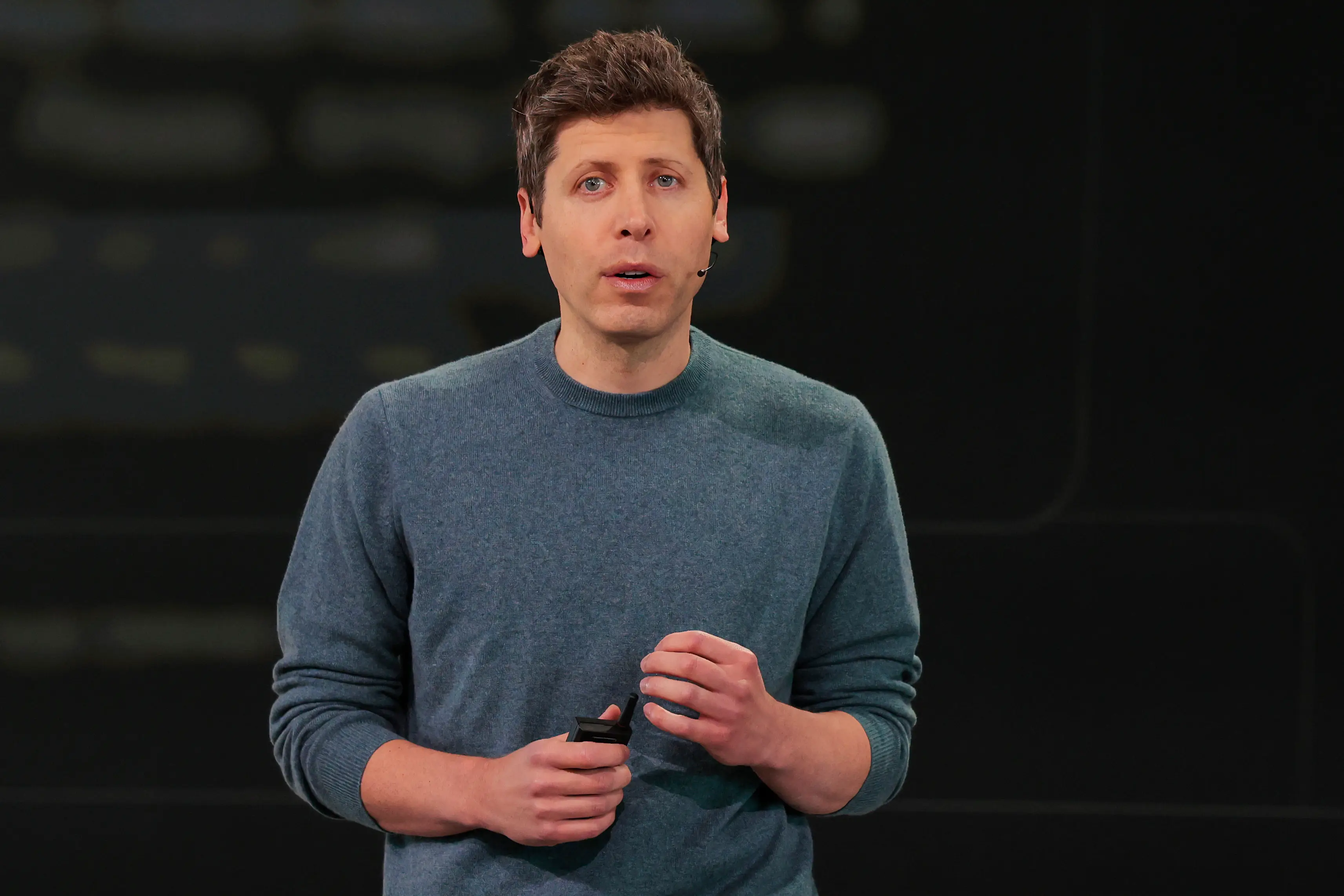
OpenAI boss Sam Altman says people need to deal with the good and bad aspects of AI (Heather Diehl/Getty Images)
Hinton’s latest warning comes just weeks after a researcher Anthropic very publicly announced he was stepping down amid concerns that he and his colleagues are building something that ‘could kill us all by the end of the decade’.
OpenAI boss Sam Altman said late last month that his company has become increasingly focussed on safety as it was revealed that the tech firm had halted the rollout of a new model.
“We are pacing our progress, which includes sometimes not training a model,” he said on CNBC.
“We have to do these in a way where we can make very confident safety cases and claims, so that people don’t have a bunch of anxiety.”
But speaking earlier this month, Altman suggested that people needed to accept the ‘bad’ parts of AI in order to enjoy the good.
“I think there’s a lot of daylight,” Altman said.
“One of the differences between us and some of the stricter AI safety people is that we believe that the world should accept some bad things happening for the benefits of this technology and people having the agency [to use AI].”
Leave a Reply