Tag: LAD Bible Weird

  • Russian powerlifter forced to immediately retire after 605kg bench press attempt ends in injuries

    Russian powerlifter forced to immediately retire after 605kg bench press attempt ends in injuries

    A Russian powerlifter has been forced to retire from the sport after an attempt to bench press 605kg left him unable to ‘sit, lie down, or walk properly’.

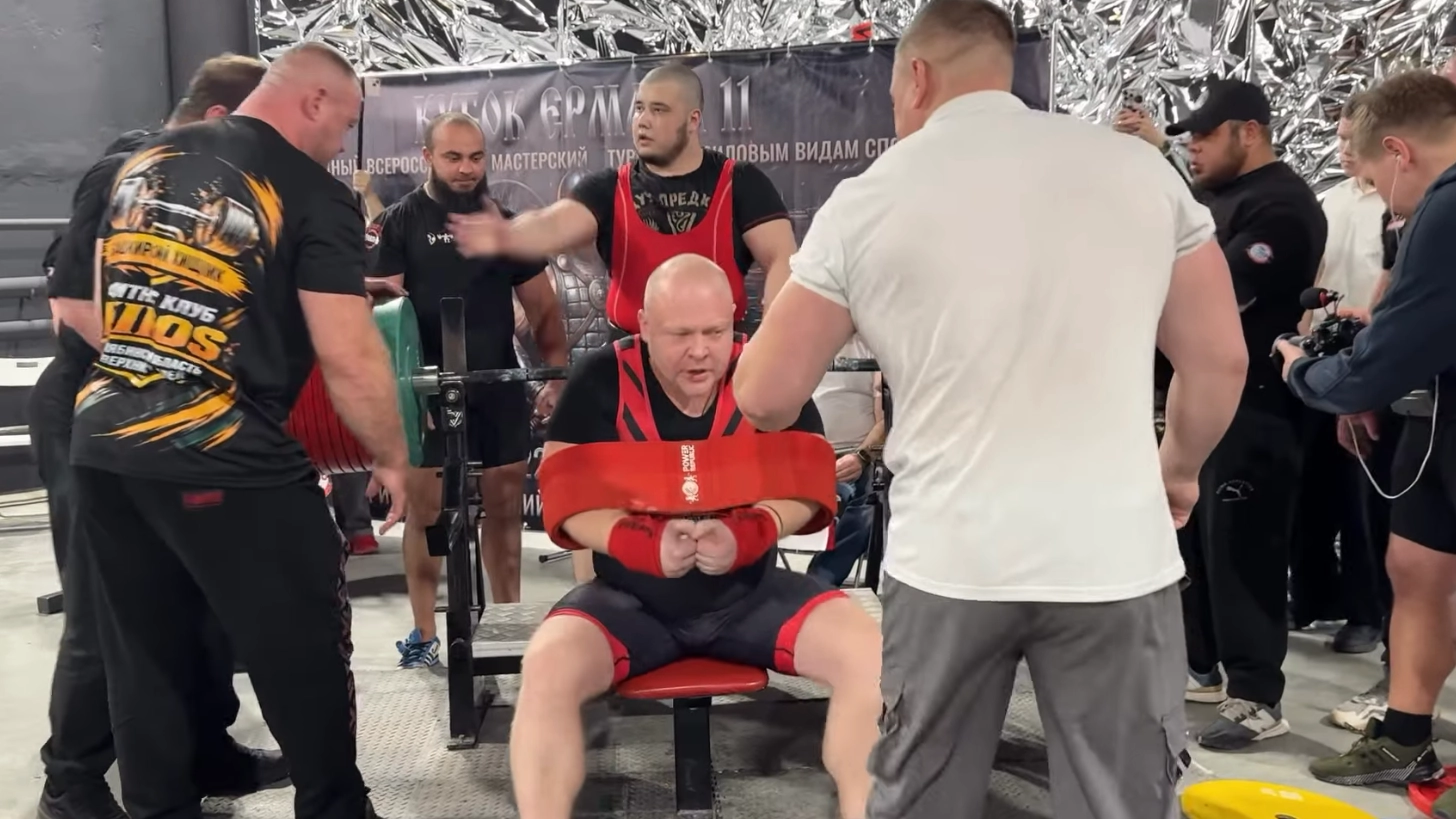
    Alexander Kostyanov was attempting to break his own record at the Yermak Cup 11 in Tyumen, Russia, when he attempted to lift the weight, equivalent to that of a polar bear or a grand piano.

    However, the 35-year-old’s lift didn’t go according to plan, with video footage from the event showing Kostyanov’s arm giving way during the lift.

    The heavy weight then crashed down onto his chest, causing him to scream out in pain.

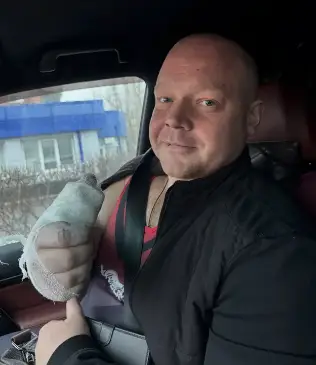
    Unsurprisingly, Kostyanov was left injured by the incident, suffering from a torn biceps tendon, a dislocated thumb and a chest hematoma.

    Reflecting on the lift in an interview with Russian-language outlet Sportmail.ru, Kostyanov explained that he had been able to lift 605kg and even heavier during training but had been let down by his ‘nervous system’ on the day.

    “I was 100 per cent physically prepared,” he said. “But this time, something went wrong. My nervous system failed me again at the tournament.

    “The adrenaline rush and the overload on my central nervous system gave in, preventing me from realising months of hellish toil.”

    “I can’t sit, lie down, or walk properly—I can’t even get an hour of sleep.”

    Kostyanov has since shared an update on his health via Instagram, revealing that ‘pain radiates through every single cell in my body’.

    “I couldn’t honestly call myself ‘healthy’ right now,” he wrote. “Yesterday, I was likely still running on the last of my competitive adrenaline, raw emotion, and a massive dose of painkillers—it felt manageable. Today, it’s hit me so hard I could howl like a wolf and climb the walls. I can’t sit, lie down, or walk properly—I can’t even get an hour of sleep.

    “The pain radiates through every single cell in my body. But I’ll get through this; I’ve been broken before, I’ve got the grit, and I’ll pull through.”

    The powerlifter shared the aftermath of his injuries on social media (Instagram/@alexandr___kostianov)

    The powerlifter shared the aftermath of his injuries on social media (Instagram/@alexandr___kostianov)

    He also went on to address whether or not he’d continue to compete in the sport, telling followers that he was ’99 percent’ sure the failed lift was his sign to retire. “I’m no psychic, so I can’t predict the future with 100 percent certainty. But I’d say there’s a 99 percent chance that’s it—I’m done. I’ve lifted all I’m going to lift,” he said.

    Kostyanov went on to explain that, as a father of three with a fourth child on the way, his priority was being ‘alive and mobile’ for his family.

    “The surgeon’s verdict is crystal clear: these breakdowns will happen more and more frequently, and the consequences will eventually become irreversible. I’ve heard this, understood it, and accepted it,” he wrote.

    “Yes, I desperately wanted to be the first person in Russia to officially break the historic 600+ kg barrier on the competition platform. It didn’t happen. And, looking at the truth soberly, it never will.

    “I suppose it just wasn’t meant to be. It seems my limit in this race was set at 555 kg.”

  • Grandmother declared dead by paramedics woke up in hospital mortuary, court hears

    Grandmother declared dead by paramedics woke up in hospital mortuary, court hears

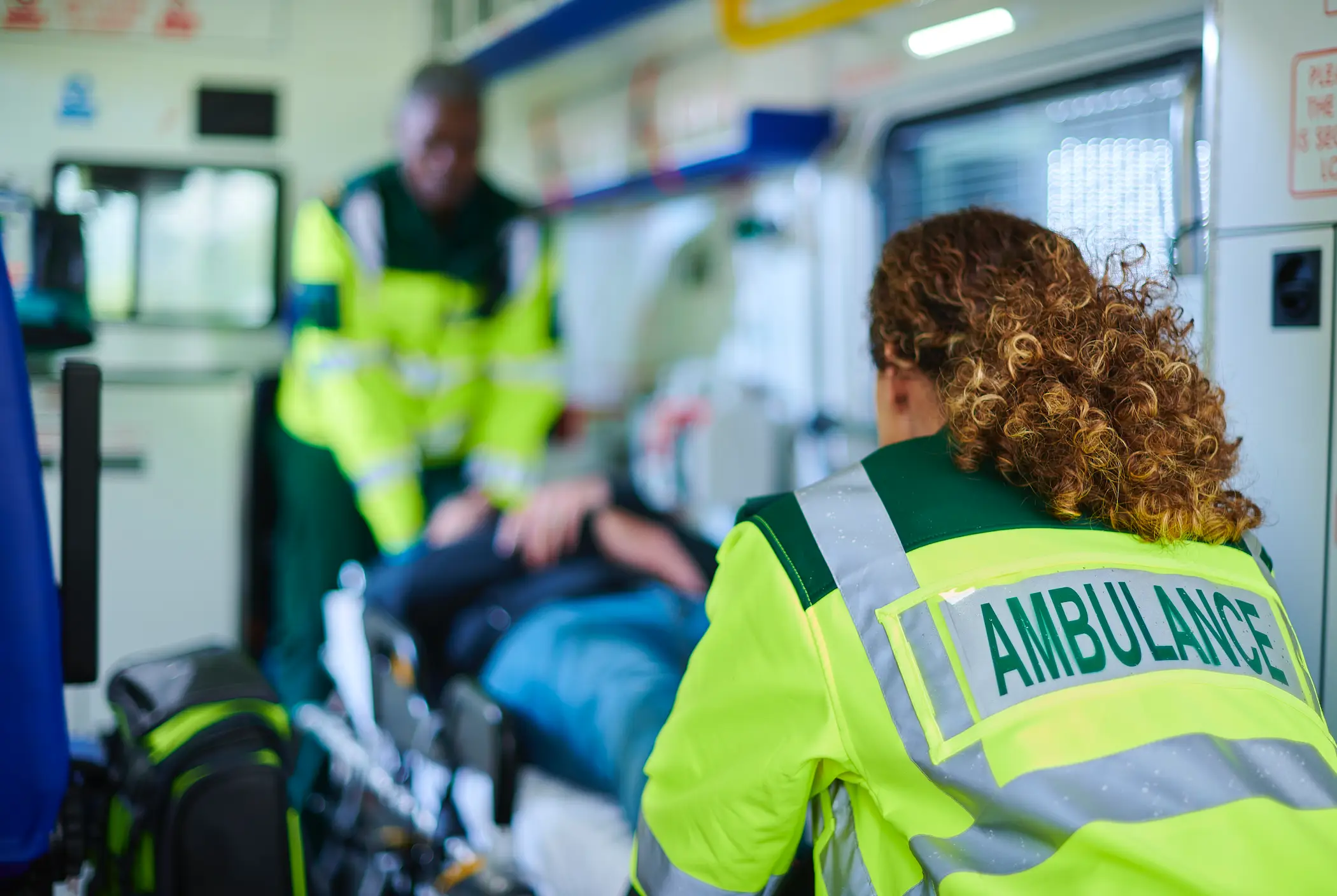
    A grandmother who was declared dead by paramedics later woke up in a hospital mortuary, a court has heard.

    Olive Martin, 54, had a seizure and collapsed at her Darlington home in October 2023 and she was declared dead at the scene by a paramedic from North East Ambulance Service.

    The grandmother was then taken to the Darlington Memorial Hospital where she later woke up in the mortuary in ‘extremely distressing’ circumstances, the court was told.

    Mrs Martin, who was originally from County Monaghan in Ireland, later died in hospital due to brain damage.

    In a pre-inquest hearing this week, coroner Crispin Oliver said failings in Mrs Martin’s care had been admitted.

    The court also heard expert witness Dr Samy Sadek claim that Mrs Martin’s ‘chances of survival by the time she was discovered were extremely low’.

    According to Chronicle Live, barrister for Mrs Martin’s family Tom Barclay-Semple told the court they wanted to ask Dr Sadek questions during a final inquest.

    Olive Martin had been declared by a paramedic (Getty stock image)

    Olive Martin had been declared by a paramedic (Getty stock image)

    He said: “Simply the fact that we have got this report is not the end of the matter. The family’s respectful wish would be to nevertheless ask questions of Dr Sadek to ensure that his evidence is properly scrutinised and tested.”

    The final inquest is now set to resume early next year and will hear evidence from Durham Constabulary and the North East Ambulance Service; the exact date will be confirmed at a further hearing next month.

    In a statement released in 2024, Mrs Martin’s family said: “Our Mam will always be remembered for her kind heart, her infectious personality and her positivity day in and day out.

    “She was our warrior, and she will be deeply missed by every person she has ever met.

    “We would request privacy at this difficult time.”

    After an investigation into the matter, Durham Constabulary said no criminal charges would follow and added that it would be passing on a file to the coroner.

    In a statement in September 2024, the force said: “Our thoughts are with the family, who continue to be supported by our specialist family liaison officers.

    ‘A coroner’s inquest has been opened and will resume in due course.”

    A Care Quality Commission spokesperson said in 2024: “We are aware of this case and the ongoing inquest. We await the final coroner’s report which will be reviewed in full to determine whether further action may be required by CQC. Services provided by the trust are subject to ongoing monitoring and where we receive information to suggest any risk to patients, we will always follow it up to ensure people are receiving safe care.”

    Speaking following her death, North East Ambulance Service director of paramedicine Andrew Hodge said: “As soon as we were made aware of this incident, we contacted the patient’s family and launched a review into the circumstances. The paramedics on scene were faced with a complex clinical case and we are working closely with our partners and other agencies involved to understand the full picture of what happened.”

  • Incredible images show aftermath of NASA spacecraft deliberately crashing into asteroid at 14,000mph in Armageddon-style mission

    Incredible images show aftermath of NASA spacecraft deliberately crashing into asteroid at 14,000mph in Armageddon-style mission

    Incredible footage and images have shown the ‘stadium-sized’ crater left in an asteroid after a NASA spacecraft whacked into it at 14,000mph.

    The US space agency sent up its Double Asteroid Redirection Test (DART) spacecraft to hit the Dimorphos space rock back in 2022.

    The mission was designed to test whether a method of planetary defence against near-Earth objects – or NEOs – and to discover whether NASA was able to send a spacecraft smashing into an asteroid to change its trajectory and avoid a potential impact with Earth.

    Put simply, NASA wanted to know that if Earth was facing an incoming asteroid, like in the movie Armageddon, would it be able to save the world?

    On 26 September 2022, DART reached its destination and hurtled into the asteroid and hit it so hard that a huge plume of debris was scattered 6,200 miles across space and Dimorphos’ orbit around its companion Didymos was shortened by around 33 minutes.

    In the wake of the mission, the European Space Agency (ESA) has sent out its own spacecraft called Hera to embark on a six-month mission investigating the aftermath of DART’s impact.

    This week, ESA shared incredible new images and footage of the asteroid revealing the huge stadium-sized crater on its surface.

    Hera scientist Michael Kueppers said: “Dimorphos is now tumbling in a chaotic way. There are hundreds of boulders floating around in the system.

    “The side impacted is now completely covered ⁠by a crater, with the visual impression that a piece of the asteroid was cut off by the impact,” he added.

    “We do not see evidence for major changes on the site opposite to the DART impact. The combination of those two observations is surprising.”

    These first-look images will be followed by higher quality ones that are set to be shared next month when Hera is around eight miles away from the asteroid.

    Then, in January next year, the spacecraft will launch a couple of mini satellites – named Juventas and Milani – that’ll be able to get an even closer look.

    ESA has released new images showing the impact of NASA's DART mission (ESA)

    ESA has released new images showing the impact of NASA’s DART mission (ESA)

    According to ESA, Juventas will use radar to see whether Dimorphos is a solid chunk of space rock or a loose pile of rubble, while Milani will check out the rock’s mineral composition and work out its overall mass.

    All the data gathered will be used to determine how effective the DART mission was and if it shows that humans really would be able to deflect an approaching asteroid, if the situation arose.

    Hera mission manager Ian Carnelli said: “Sixty-six million years ago, an asteroid impact changed the course of life on Earth.

    “Today, for the first time in history, humanity is validating how to prevent such an event from happening again.”

    Professor Simon Green, scientist on the Hera’s science team, told the BBC: “It would help us to predict what would happen if we had to hit another asteroid.

    “We [could] measure its properties and say: ‘Well, we need this mass of spacecraft, travelling at this speed, this early, in order to deflect it enough so that it misses the Earth’.”

  • What a 24 hour internet blackout would mean for millions across Britain

    What a 24 hour internet blackout would mean for millions across Britain

    An expert has warned that if the internet went down in parts of the UK for a day the ‘biggest shock’ would be how soon people’s regular lives go out of the window.

    Losing out on internet access for 24 hours would be part of a ‘black sky’ event that makes governments prepare for the worst and tell people to have some resilience.

    The biggest ‘black sky’ event the UK has been through was in Lancaster in December 2015, where tens of thousands of home lost power for around four days due to Storm Desmond.

    More recent speculation on what could cause a similar event now is the targeted sabotage of energy infrastructure to bring down the internet.

    Dray Agha, senior manager at Huntress, told LADbible that going a day without the internet would likely ‘bring much of the UK economy to a halt’ because so many things would grind to a halt.

    If the internet goes down for a day so much about normal life would no longer work (Getty Stock Photo)

    If the internet goes down for a day so much about normal life would no longer work (Getty Stock Photo)

    Card payments would be gone, workplaces that rely on the cloud would be done for and just-in-time supply chains would be thrown into disarray.

    He said: “Essential public services like hospitals and schools would have to fall back on paper records and manual processes, which slows everything down considerably.

    “Even after connections are restored, organisations would face a heavy backlog of unprocessed transactions and delayed deliveries.”

    He warned that ‘most people would feel the impact immediately’ as their access to online banking would go down, and with the reliance for many other forms of communication to run through broadband they’d be largely cut off.

    “I suspect the biggest shock would be how quickly everyday tasks like working from home, navigating with phone maps or checking in on family require offline backups like cash and battery-powered radios,” Agha warned.

    He did note that the emergency services had backups in place for such an occasion, with ‘dedicated radio networks separate from the public internet’ still able to operate in the event of an internet blackout.

    Standard forms of communication will be down and modern life will be pretty inaccessible until it's back up (Getty Stock Photo)

    Standard forms of communication will be down and modern life will be pretty inaccessible until it’s back up (Getty Stock Photo)

    Agha said that radio would be the most reliable form of communication for most people as the BBC would be broadcasting emergency updates.

    Chris Hills, Vice President of Carrier & Operations at Holafly added that even if an outage was fixed the knock-on effects from the missed day would be significant.

    He added that vulnerable people who rely on online communication would be the hardest hit, especially those in situations where they couldn’t go for help themselves.

    Hills’ advice to people was to keep some cash, have offline maps of the local area, save people’s contact numbers and keep important documents on them.

    At the moment the UK is promoting the ‘be ready’ campaign urging people to have a stockpile of non-perishable food, water and other important supplies that would last them three days in their home.

    This supply isn’t necessarily something that would only be needed in the event of a grand catastrophe such as World War Three, it’s remarkably useful in case a storm, flood or snowfall leaves you stuck at home or cut off from modern amenities in some way.

  • Pilot dad warned by air traffic controller before plane crash killed family of six

    Pilot dad warned by air traffic controller before plane crash killed family of six

    Air traffic control issued a warning to a pilot who was flying five of his family members home shortly before the plane crashed, killing all those onboard.

    Brent Stokes, 50, was at the helm of the single-engine Cessna 210 when it began plummeting at an alarming rate of 10,000 feet per minute on Tuesday (24 November) and plunged into the water off the coast of Mississippi.

    Investigators have launched a probe into what happened in the lead up to the fatal crash and the contents of the final communication shared between Stokes and air traffic control has now been revealed.

    Tributes have been pouring in for Stokes and his five relatives since news of the heartbreaking incident broke earlier this week.

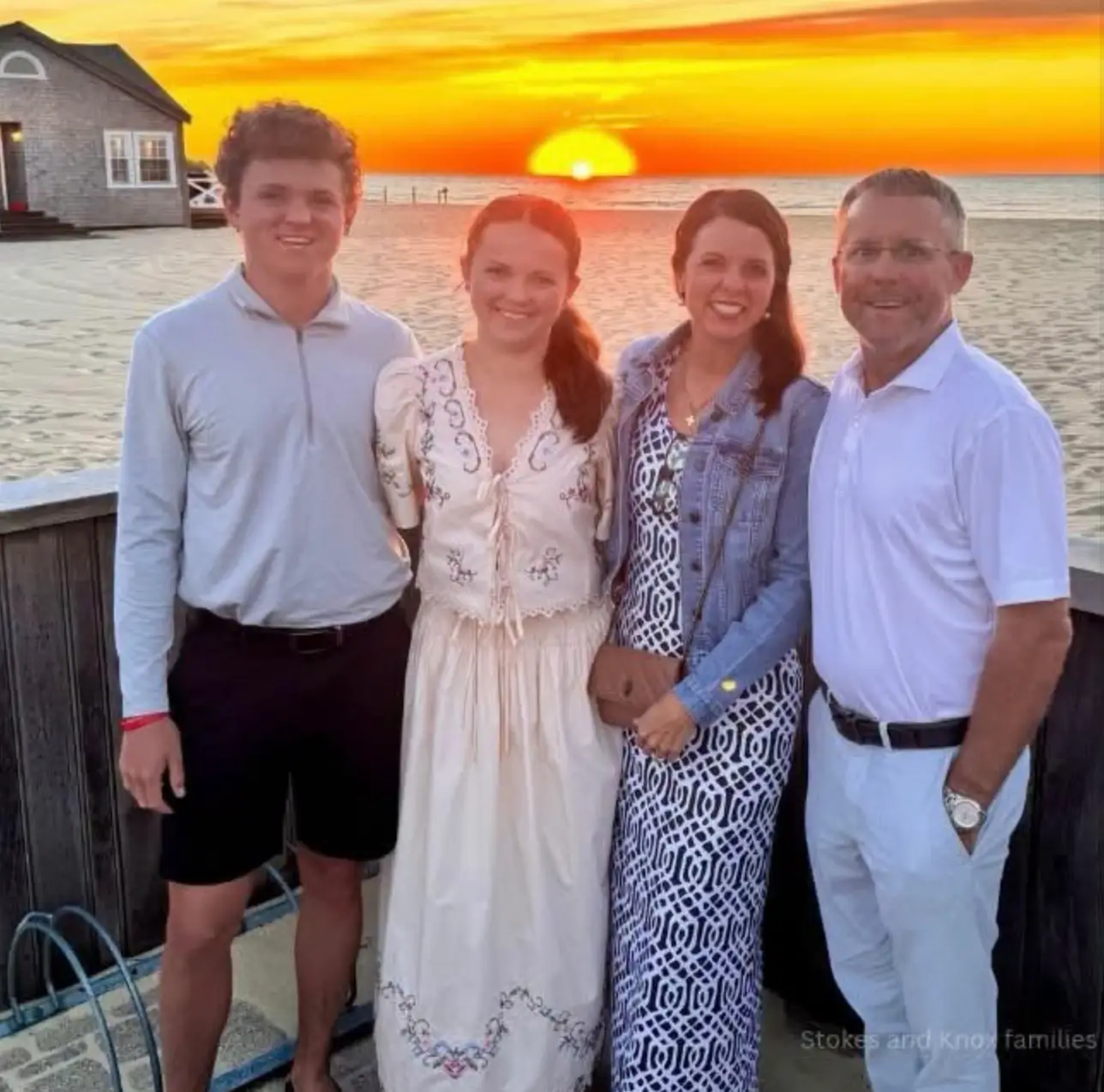
    He had been travelling home from a family fishing trip in Louisiana with his son Hunter, 16, sister Arlyn Knox, 43, brother-in-law Michael Knox, 43, and their sons Charles Holden Knox, 12, and Truett Knox, 10, when tragedy struck.

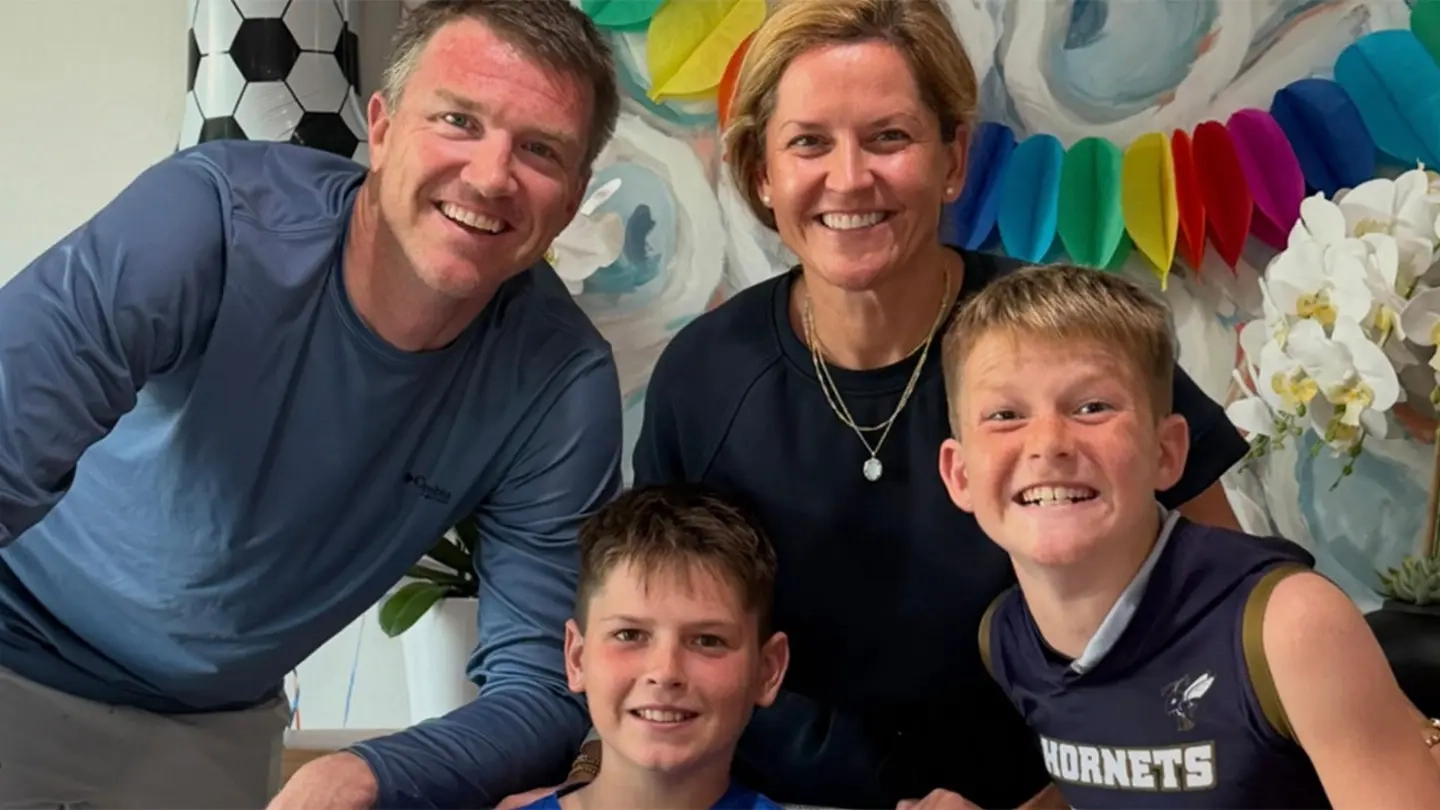
    Hunter Stokes pictured alongside his sister Addison, mother Dominique and his dad Hunter (Facebook)

    Hunter Stokes pictured alongside his sister Addison, mother Dominique and his dad Hunter (Facebook)

    Their devastated loved ones said the victims ‘died doing what they loved’, while explaining that they had been heading home to Florida after ‘celebrating the start of a wonderful holiday season’.

    “In the middle of our grief, we are holding on to that, and to how much love they gave us and how much love surrounds us now,” a statement shared by the family said. “We will carry them with us always.”

    The National Transportation Safety Board has launched an investigation into the crash and investigators are being assisted by the Federal Aviation Administration (FAA).

    The cause of the deadly incident currently remains unclear.

    On Tuesday afternoon, the Cessna 210 took off from New Orleans Lakefront Airport shortly after 2pm and began making its way to Fort Myers.

    But around 30 minutes into the journey, the aircraft began descending at a dangerous rate of 10,000 feet per minute, according to the FAA.

    Officials on the ground reported that they had lost contact with the plane at 3.45pm local time, shortly after Stokes was warned about the weather conditions.

    The dad was informed that there was ‘precipitation and adverse weather in the area’ by an air traffic controller at Gulfport-Biloxi International Airport.

    The pilot's sister Arlyn Knox, her husband Michael, and their two children also died in the plane crash (Facebook)

    The pilot’s sister Arlyn Knox, her husband Michael, and their two children also died in the plane crash (Facebook)

    Stokes did not make any distress calls before the plane made its deadly descent and crashed near Horn Island, Mississippi.

    A huge search effort spanning the course of several hours was launched to find the six victims, but emergency responders initially only came across three life jackets, a life raft and the plane’s cabin floating on the water, Coast Guard spokesperson Juan Ros said.

    Tragically, divers then found the bodies of Stokes and his relatives in the fuselage of the aircraft at around 11.30pm that evening.

    Commander Trevor Blount, the Coast Guard Sector Mobile Search and Rescue Mission Coordinator, described it as a ‘heartbreaking outcome’.

    “While this is not the outcome any of us had hoped for, we are grateful for the strong interagency coordination that enabled us to swiftly locate those aboard the aircraft and provide closure to their families,” he said.

    According to AP, Arlyn and Michael were the founders of the IT company Knox Technologies, while Brent was the president of a marine contracting company.

  • Teen who died in 2020 after battling an inoperable brain tumour could become first gen z saint

    Teen who died in 2020 after battling an inoperable brain tumour could become first gen z saint

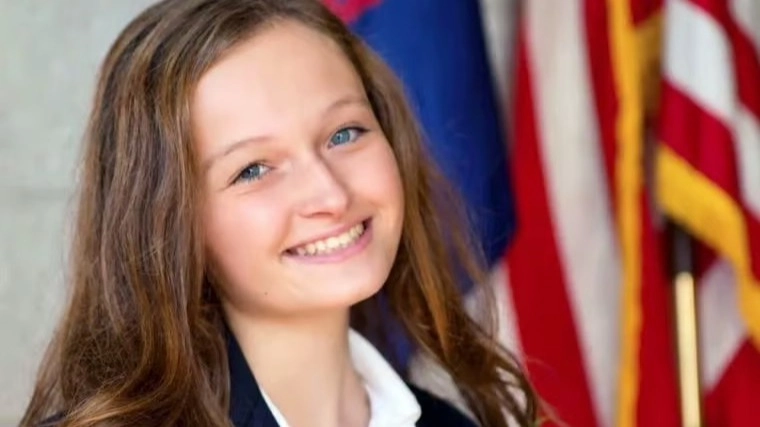
    As news of Maria Middleton’s illness spread, thousands of people around the world prayed for her.

    The 18-year-old from Bucks County, Pennsylvania inspired many with her extraordinary faith and optimism in the face of a devastating cancer diagnosis.

    Six years after Maria died in October 2020, the United States Conference of Catholic Bishops has voted to advance her cause for sainthood following a petition submitted by Philadelphia Archbishop Nelson Pérez.

    The process will require Vatican approval, scrutiny of her writings and the recognition of two miracles attributed to her intercession before she can be declared the first saint from Generation Z.

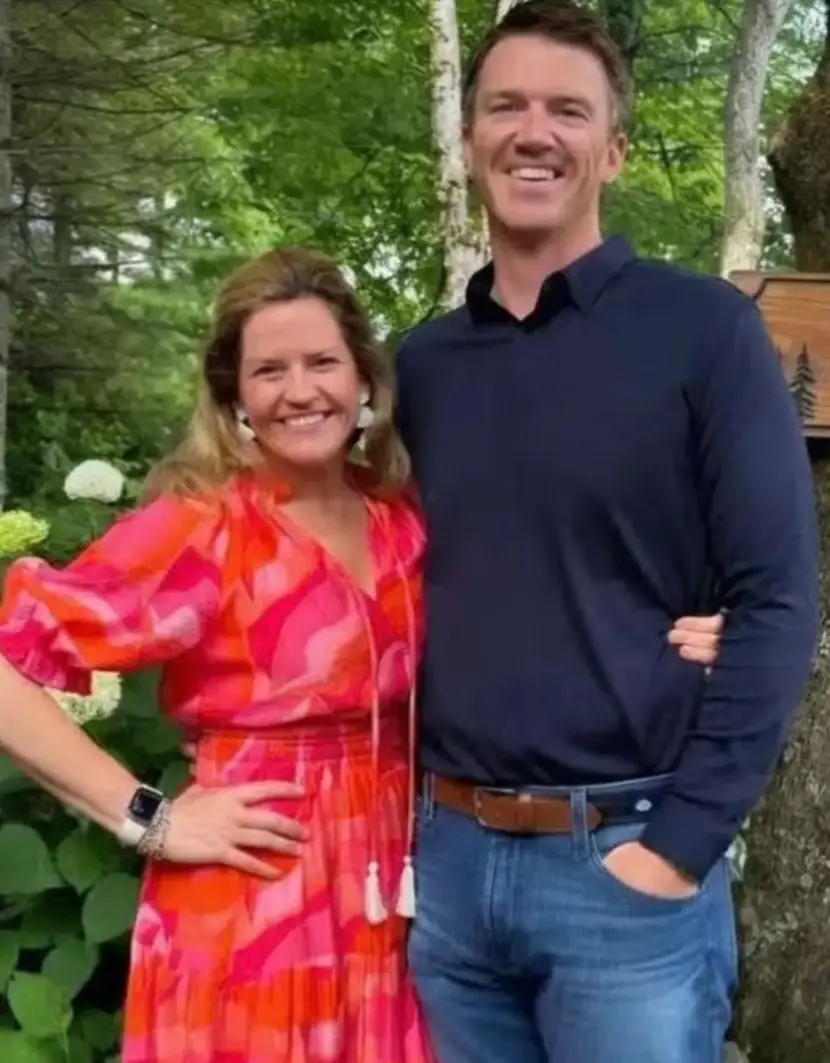
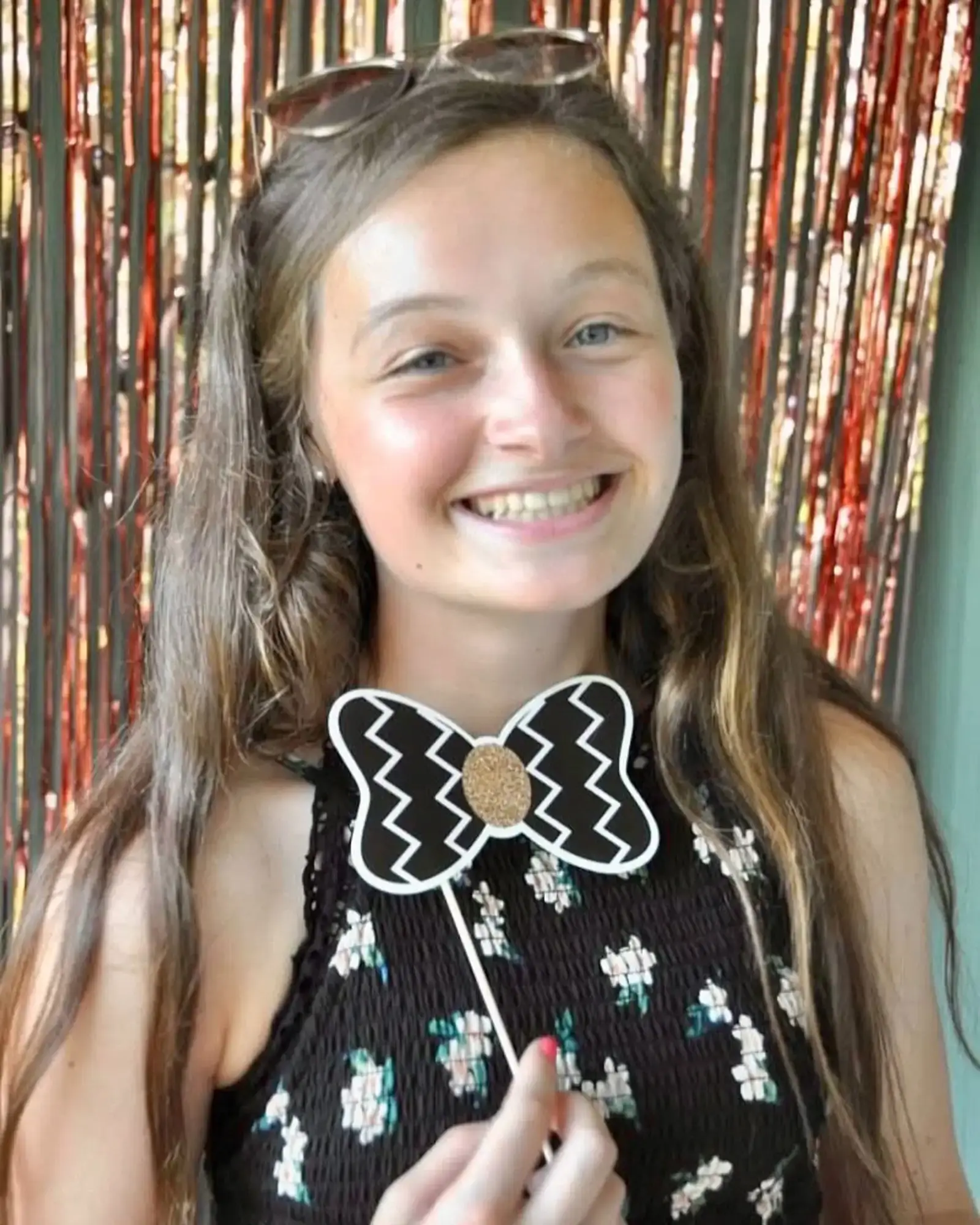
    Maria was described by her parents as an ordinary teenager with an extraordinary faith. She also loved listening to Taylor Swift, dancing, spending time with friends and making people laugh.

    Alongside excelling in school and being elected class president, she devoted much of her time to charitable causes, organising a coat drive for disadvantaged people and helping raise money for children battling cancer.

    (Think Hope Foundation)

    (Think Hope Foundation)

    But in January 2019, when she was just 16, Maria’s was diagnosed with an inoperable tumour on her brainstem and was given between nine and 12 months to live.

    Although Maria gradually lost her ability to walk, hear, swallow and speak, her parents said she never lost hope.

    The teenager remained faithful and prayed for a miraculous recovery while continuing to put the needs of others before her own.

    Nine months after her diagnosis, Maria travelled to Uganda, where schoolchildren had been praying for her recovery. When granted an opportunity through the Make-A-Wish Foundation, she chose to help the school and the family of a young girl whose brother had sickle cell anaemia.

    (Think Hope Foundation)

    (Think Hope Foundation)

    During the coronavirus pandemic, more than 2,000 people attended a virtual prayer gathering, while over 500 cars took part in a parade outside her home.

    Following her death on 8 October, 2020, Susan and Brian Middleton discovered a collection of journals documenting their daughter’s deeply personal relationship with God.

    (Think Hope Foundation)

    (Think Hope Foundation)

    “Sainthood is attainable. God created us to be saints,” Susan Middleton said.

    “Our favorite Maria quote: ‘…you don’t have to be weird to be holy,’” Brian Middleton added.

    “She was in every way normal, but she had this extraordinary faith and pursuit of virtue.”

    The final words she managed to write were ‘Think hope’ – a phrase that became the name of a foundation established in her memory and inspired a book about her life.

  • Expert explains how attack could ‘completely screw life in this country’

    Expert explains how attack could ‘completely screw life in this country’

    A few attacks on particular targets in the UK could cause serious damage according to a defence expert who has warned that ‘some quite simple things could completely screw life in this country’.

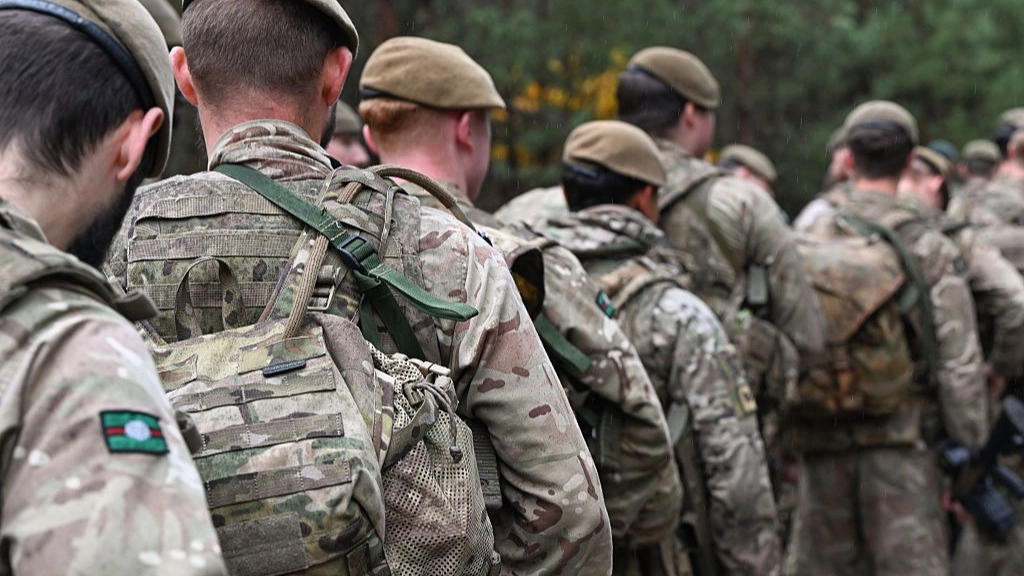
    The government has just got in touch with 100,000 military reservists telling them to ‘prepare for war’, with defence secretary Wes Streeting saying the UK needs to be ready by 2030.

    Meanwhile, there have been growing warnings about a ‘black sky event’ that would knock critical infrastructure offline and the House of Lords National Resilience Committee recently warned in a new report that the UK is ‘dangerously unprepared’ for a crisis.

    Francis Tusa, editor of Defence Analysis, told LADbible that things were even worse than that as he warned ‘the UK has no resilience worth the name’.

    He added that ‘there’s a belief that the home base will always be safe’, which is not the case as he outlined how one attack could cause significant damage.

    Weapons that fly slowly enough to evade radar detection have been identified as a threat (Mike Kemp/In Pictures via Getty Images)

    Weapons that fly slowly enough to evade radar detection have been identified as a threat (Mike Kemp/In Pictures via Getty Images)

    “You don’t have to drop a nuclear weapon to destroy them”

    Tusa said that near West India Dock in London there were a pair of windowless buildings where ’80 percent of South East Britain’s internet traffic goes through’.

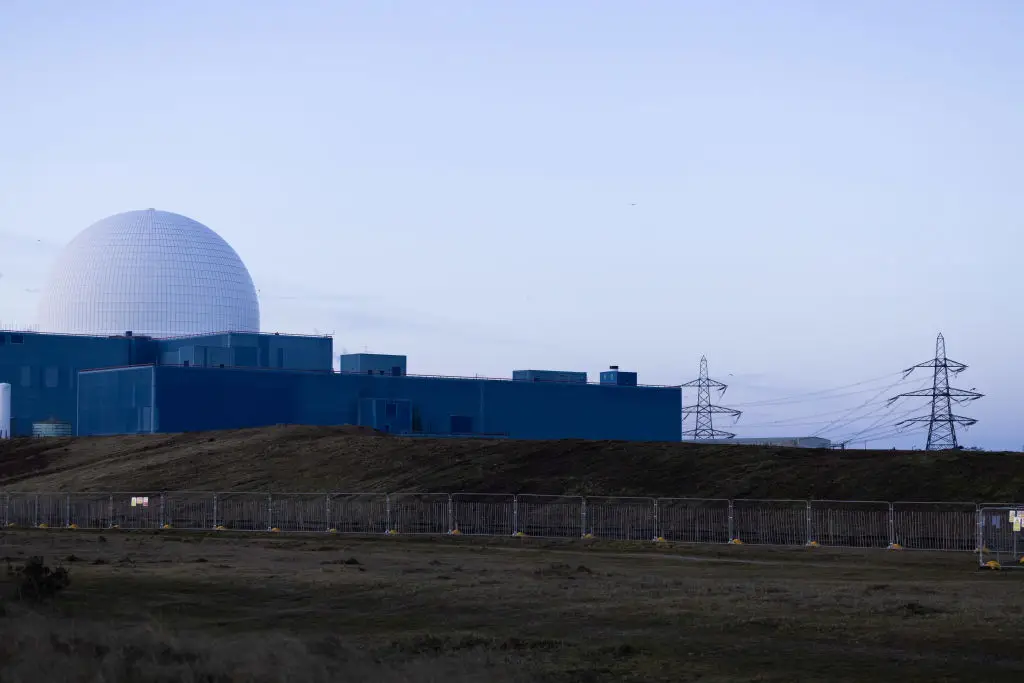
    “You don’t have to drop a nuclear weapon to destroy them, what if you just mess with their power supplies,” he said, describing a ‘what if’ scenario where an attack on the pylons taking power from Sizewell B to London were hit.

    He noted that ‘you could probably do it with 10 kilos of explosives’ and it would cause a huge impact on the UK’s ability to respond as it robbed London of a significant amount of power.

    He said: “A lot of government communications go through those buildings, including MoD.

    “‘Don’t worry, it’s all internet telephony’. Brilliant until someone takes out the internet. ‘Oh, that will never happen.’ Well, Musk was able to turn off Starlink.”

    The defence expert explained that the Russians are known to have captured medium-range drones from Ukraine and warned that if such weapons were used against the UK there’s a risk ‘we would not know about it until it impacted London’.

    He said the UK’s radar coverage wasn’t sufficient to pick up an attack of this nature, and that other countries have struggled to detect the drones because ‘they don’t fly fast enough’.

    The defence expert warned that an attack wouldn't need to target infrastructure but the power that keeps it going (Chris Ratcliffe/Bloomberg via Getty Images)

    The defence expert warned that an attack wouldn’t need to target infrastructure but the power that keeps it going (Chris Ratcliffe/Bloomberg via Getty Images)

    “What do you do? ‘We know the Russians fired it’. Do you? You’re not going to go to war on that are you,” he said of the prospect of further ‘grey zone’ attacks, hostile actions being taken which aren’t going to lead to an official declaration of war.

    “We are [already at war]. There is war going on.”

    Tusa added that a lack of honesty with the public wasn’t helping, as people would be likely to turn round and say ‘what do you mean you knew about this’.

    He said: “As a home defender paranoia is a tool, not a weakness. You have to look around and just go ‘what is the worst that could happen’.”

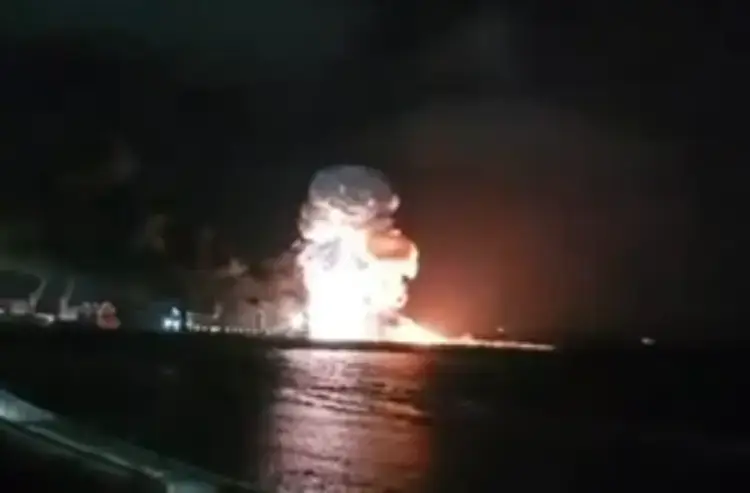
    Russia may be far from the UK but modern warfare can strike targets a long way away, as their ship learned recently (X/Volodymyr Zelenskyy)

    Russia may be far from the UK but modern warfare can strike targets a long way away, as their ship learned recently (X/Volodymyr Zelenskyy)

    The ‘1,700km duvet’

    Pointing towards the long range of modern warfare, the defence expert explained that the Ukrainians demonstrating a capability to destroy Russian shipping far from their own country meant distance was no guarantee of safety.

    He warned that if Ukraine could hit Russian shipping off the coast of Libya then Russia could target vessels off the UK coast, and described his concept of the ‘1,700km duvet’ which lulled Brits into thinking they were safer than the reality.

    “Basically, 1700km gets you to the closest bit of Russia to Britain,” Tusa said.

    “For the Russians to launch anything at us it would have to cross the Baltic states, then the Baltic, then Sweden, Norway, Denmark, Germany and the Netherlands. Then it has to cross the North Sea.

    “Our allies will intercept anything fired at us so we don’t need to bother. I’ve spoken to air defence gunners in Germany and Poland and said ‘okay, you spot a ballistic missile launching and it’s going up, up, up, what happens’.

    “It’s the same for all anti-missile systems, it’ll say ‘we’ve now tracked this ballistic missile for eight seconds, oh, it’s going to hit Britain’. I said ‘would you intercept it with one of your Patriots’, and they go, ‘no, why? It’s not going to hit us, is it?’

    “The assumption is ‘don’t worry’. I call it the 1700km duvet, we’re snuggled up warm, snug as a bug in a rug 1700km away from the closest bit of Russia and we believe nothing can hit us.”

    Tusa warned that the UK doesn't have the equipment for its own reservists, let alone potential conscripts (Richard Baker / Contributor)

    Tusa warned that the UK doesn’t have the equipment for its own reservists, let alone potential conscripts (Richard Baker / Contributor)

    “I think conscription is inevitable”

    While the UK government has said it has no plans for conscription Tusa believes it is ‘inevitable’, though not in the way many people might expect.

    The defence expert said you shouldn’t think of it like the World War Two model and if the UK ever does it then it’ll look more like the Nordic models where they wait for people to volunteer first.

    He suggested a civilian national service done right could help build UK resilience and free up military personnel for the things they need to be doing.

    “What if you had a national service where you don’t wear camo, you don’t have weapons, no shooting required at all, but you do first aid, rescue and associated skills using drones for surveillance stuff and whatever,” he suggested, adding that countries like Norway sweeten the deal by making service a ‘golden ticket’ that gives someone priority for state jobs afterwards.

    Besides, even if the UK tried to press huge amounts of young men into military service Tusa warned that there aren’t enough uniforms and weapons for them.

    Explaining that equipment procurement was ‘all done on last minute retail basis’, he added that the UK already doesn’t have enough rifles for all military personnel and reservists so there wouldn’t be enough guns if there was conscription.
  • Woman who hid £4,500 a month ‘middle-class’ heroin addiction reveals moment that finally made her get sober

    Woman who hid £4,500 a month ‘middle-class’ heroin addiction reveals moment that finally made her get sober

    Warning: This article contains discussion of drug addiction which some readers may find distressing.

    A former drug addict who was sent to jail seven times in nine years has revealed how she managed to turn her life around.

    Lauren Gaffney, 37, from Doylestown, Pennsylvania, became addicted to opioids at the age of 18 after trying her boyfriend’s prescription drugs while he recovered from an injury.

    When she tried to wean herself off opioids, she started to use heroin as a release.

    Over the next nine years, Lauren was jailed numerous times because of her £4,500-a-month heroin addiction.

    Lauren entered a vicious cycle of getting arrested for DUIs and failing drug tests, spending months in county jail at a time.

    Her drug use was also affecting her health, and she went down to 6.5 stone and was hospitalised on various occasions for a blood infection and cellulitis.

    In May 2019, police arrived at Lauren’s parents’ house at 6am to arrest her.

    At her lowest, Lauren dropped down to 6.5 stone (SWNS)

    At her lowest, Lauren dropped down to 6.5 stone (SWNS)

    “We live in a nice neighbourhood where nothing really happens”, she said.

    “My parents having to see me like that was one of my worst moments.”

    She was sentenced to one year in state prison, and after getting out, in April 2020, she moved into a recovery home.

    “Something just clicked, and I had a real perspective change”, she said.

    Lauren started going to recovery meetings, completed the 12-step programme, and is now celebrating seven and a half years sober.

    “I don’t think I would have been able to get sober without that jail sentence”, she explained.

    "I never really took it seriously", Lauren admitted (SWNS)

    “I never really took it seriously”, Lauren admitted (SWNS)

    “I needed law enforcement to literally come and pluck me out of my addiction.

    “I haven’t thought about a drink or drugs in such a long time, which is amazing, because there was a point where I couldn’t go a few seconds without thinking about them.

    “My life is so full now”.

    Although Lauren ‘had a really good childhood’, she says ‘drugs made me feel at peace’.

    When she was 14, her friends started drinking alcohol, and she was scared that she would lose her pals if she didn’t.

    Lauren said she would hide her drug habit from her middle-class neighbours (SWNS)

    Lauren said she would hide her drug habit from her middle-class neighbours (SWNS)

    As an adult, she would spend around $200 (£150) a day on heroin, and funded her addiction by selling family jewellery, borrowing money without the intention of giving it back, and working ad hoc, wherever she could.

    “For a long time, I had no interest or capability in being a responsible adult,” Lauren added.

    “No one got Christmas gifts unless my mum bought them on my behalf.

    “Since getting sober, my life is amazing, and I have reached so many milestones.

    “One of my favourite things is being able to buy my niece and nephew Christmas gifts and watching them open them.

    “These little things were so foreign to me before, and now I get to live them every day.”

    If you want friendly, confidential advice about drugs, you can talk to FRANK. You can call 0300 123 6600, text 82111 or contact through their website 24/7, or livechat from 2pm-6pm any day of the week

  • Expert explains how alleged nuclear satellite ‘would raise the stakes in every confrontation with Russia’

    Expert explains how alleged nuclear satellite ‘would raise the stakes in every confrontation with Russia’

    The latest news coming out of Russia was particularly alarming, with reports from Germany claiming that Putin and co are readying a nuclear satellite to be sent into space.

    Given that their five-year invasion of Ukraine has ground to something of a stalemate with peace talks seemingly a long way away, there are fears that Russia could test the waters with other countries in Europe next.

    And amid news that Elon Musk is planning to send one million data centres above the Earth’s atmosphere, it seems clear that space is going to play a big part in our futures and negotiations between countries.

    However, some of those conversations may not even be possible if the reports from Germany are indeed accurate and Russia plans to send the nuclear warhead into space in the next 60 days.

    German Chancellor Friedrich Merz has spoken out since the news first broke, insisting that while the reports were ‘not new’, they ‘remain no less shocking’, while a government spokesman has insisted that the reports are being taken ‘very seriously’.

    The Russians have also addressed the claims to suggest that they are ‘hardly worth taking seriously’, while Putin gave a similar response in 2024 when the US accused his country of developing a ‘space-based’ anti-satellite weapon armed with a nuclear warhead.

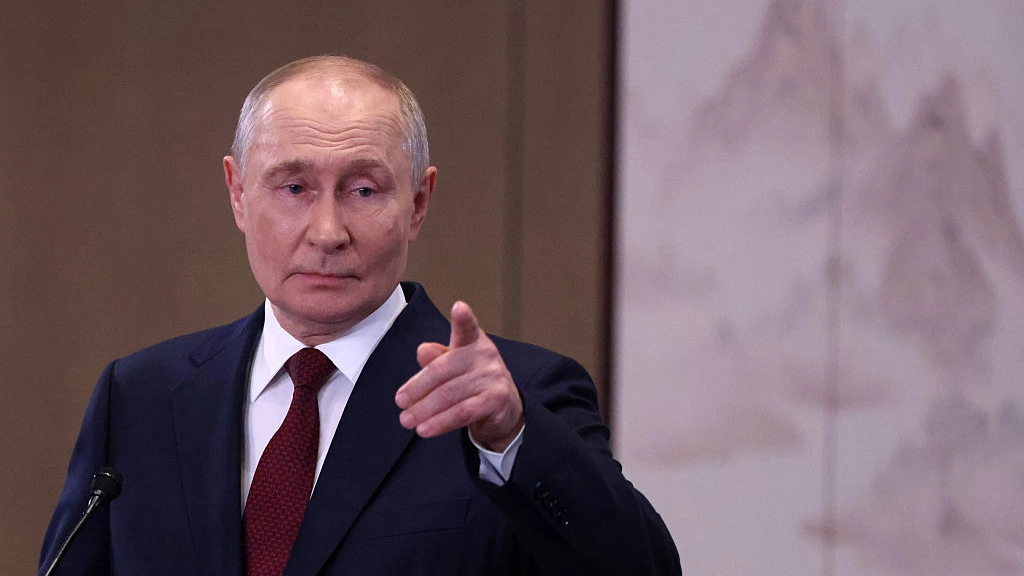
    “Our position is clear and transparent. We have always been categorically against the deployment of nuclear weapons in space and we are still against it,” President Vladimir Putin said at the time.

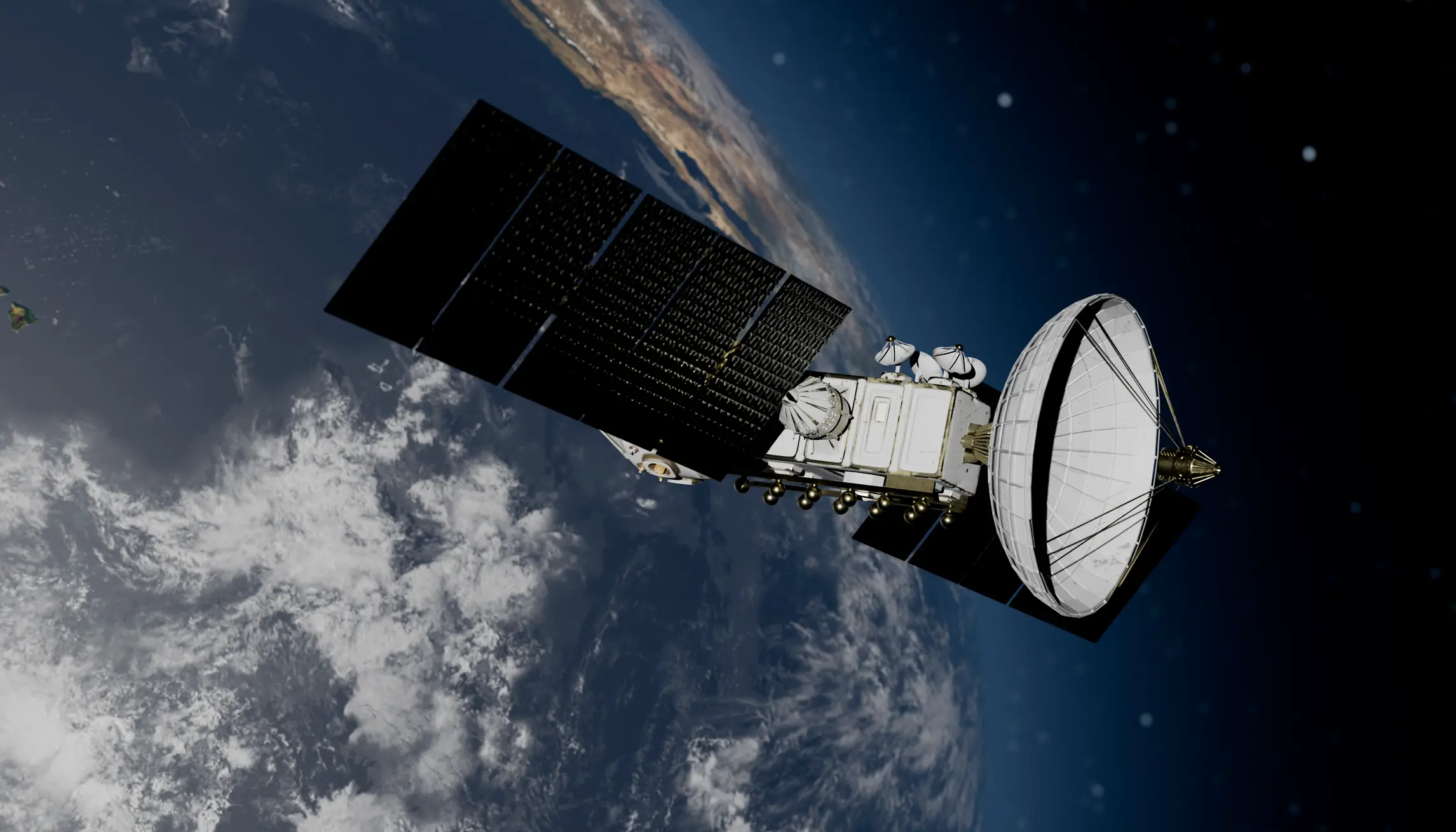
    Detonating it could knock out other satellites in space (Getty Stock)

    Detonating it could knock out other satellites in space (Getty Stock)

    However, he’s not exactly the most trustworthy source when it comes to this sort of thing, and the previous accusations go to show that the claims from the unnamed military source in Germany aren’t unfounded.

    But what would happen if Russia genuinely did send a nuclear warhead up there with the intention of detonating it? And how would other countries respond to this threat?

    According to international affairs expert Daniel Schatz, it would impact people on Earth quite significantly, while also ‘raising the stakes’ with Russia.

    Speaking to LADbible, he said: “A satellite can use nuclear power to generate electricity. The concern here is a satellite carrying a nuclear weapon. Putting that weapon into orbit would raise the stakes in every confrontation with Russia.

    “If it were detonated and satellites were knocked out, people could feel the effects in very ordinary ways. A fishing crew could lose its weather updates. An emergency team working after a flood could lose its satellite link just when it needs it most.”

    NATO chief Mark Rutte (Sean Gallup/Getty Images)

    NATO chief Mark Rutte (Sean Gallup/Getty Images)

    In a world of technological weapons and potential nuclear attacks, it’s easy to comprehend why a country might want to target satellites and knock out the communications in that country.

    After all, Russia has previously leaked a list of prospective UK cities to target in an attack, and a lot of those are focused on limiting the UK by harming its infrastructure.

    Daniel added: “Satellites have no nationality from the point of view of a nuclear blast. A detonation could damage satellites belonging to allies, neutral countries and Russia itself. Some spacecraft could fail quickly, while others could degrade over time as they continued to encounter elevated radiation. Even countries with no role in the conflict could lose satellites they rely on.”

    The author also explained exactly why Russia would be violating a long-held space treaty should the reports from Germany be true, and a warhead is launched in the next two months.

    He concluded: “Article IV of the Outer Space Treaty already prohibits putting nuclear weapons into orbit. The priority is to prevent a launch in the first place. Governments should share what they can substantiate, press Moscow for answers and enlist other spacefaring countries to make clear that they have a direct stake in preventing deployment.

    “At the same time, governments and operators should make sure critical services have backup communications and navigation on the ground. That work can start while diplomacy is still under way.”

    This already seems to be in place, with NATO chief Mark Rutte saying: “We will always make sure we defend every inch of Nato territory, and that includes making sure we are safe when it comes to the space element.”

  • Woman banned from every M&S in UK tried to ‘dupe staff into giving her quick cash’

    Woman banned from every M&S in UK tried to ‘dupe staff into giving her quick cash’

    The real reason a woman was banned from all M&S stores in the UK has been revealed after she was hauled before a court.

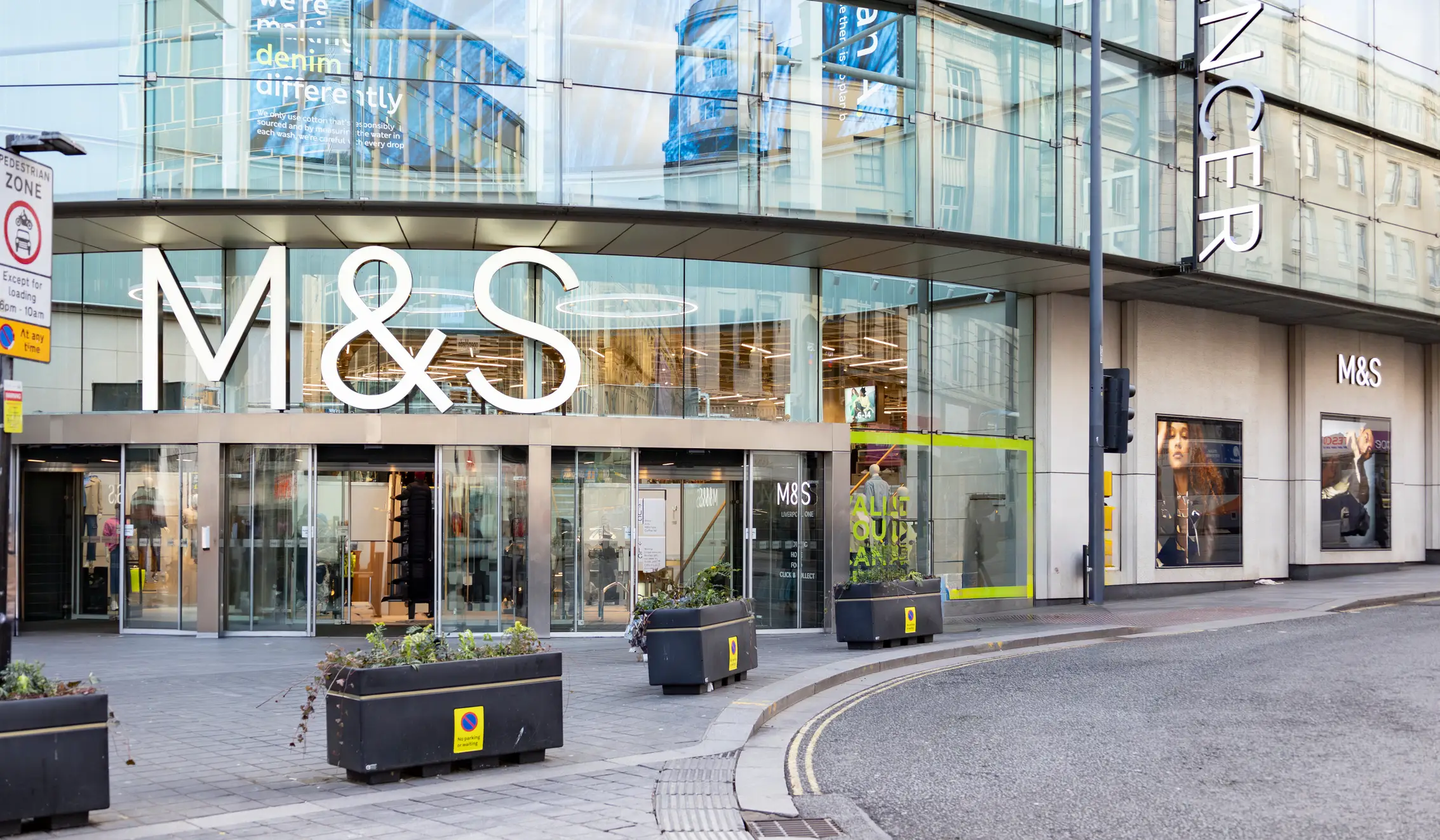
    Danielle Marshall, 32, has been told she cannot enter any of the chain’s 1,059 stores across the UK after incidents in Battersea, London and at the Trafford Centre, in Manchester.

    A court heard how she had tried to dupe staff at the high-end retail chain for quick cash and was arrested on suspicion of fraud.

    On 12 August this year, a court was told how she entered the Trafford Centre and took a piece of clothing without paying for it into a changing room and damaged it.

    She then took the item to the till area requesting a cash refund for the item she had never actually purchased.

    She has been banned from every M&S (Getty Stock)

    She has been banned from every M&S (Getty Stock)

    The court was told of how Marshall had previously visited an M&S store in Battersea on 25 June this year where she picked up a jacket she hadn’t paid for and again took it to the checkout looking for a refund.

    Then, on 25 September, Marshall entered a store in Battersea again but this time stole an M&S jacket valued at £399.

    She was later found guilty of two counts of fraud by false representation and one count of theft at Tameside Magistrates Court on 17 November.

    The scammer was issued a five-year criminal behaviour order (CBO) which banned her from entering any M&S in the UK as well as the Trafford Centre or its grounds, including the bus station or car parks.

    Conditions of the order include that she must use her real name when creating online accounts for retail purchases and she must use her real address when creating online accounts for retail purchases.

    Marshall was also sentenced to a 12-month Community Order, 140 hours of unpaid work, she must also pay compensation of just over £400. The shoplifter was also ordered to pay £85 in courts costs, and a £114 victim surcharge.

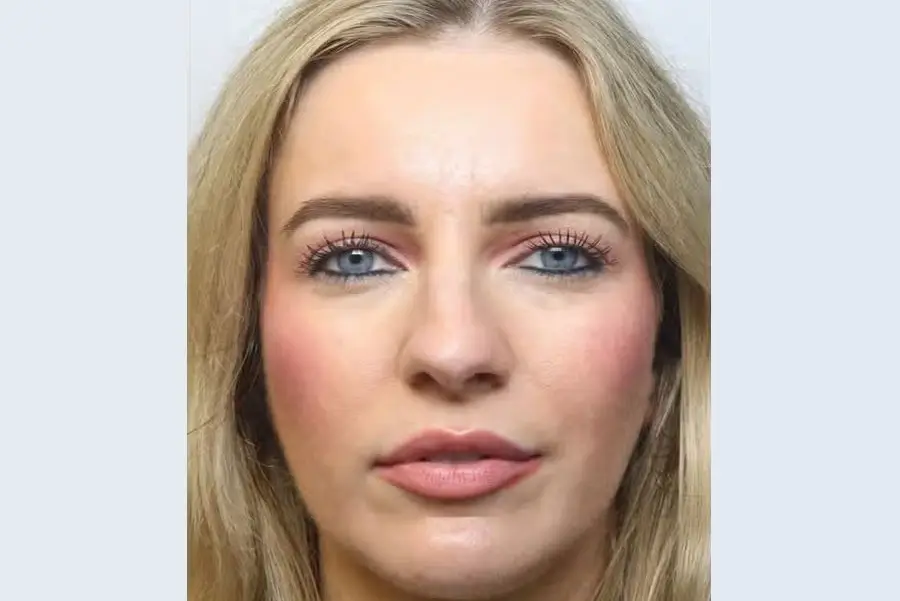
    Danielle Marshall has been banned (Greater Manchester Police)

    Danielle Marshall has been banned (Greater Manchester Police)

    While a CBO is a civil order, breaching one is a criminal offence, and may result in arrest, charges, and punishments including imprisonment, fines, or community service.

    Inspector Paul Ellis from the Trafford Centre Policing Team at Greater Manchester, said: “Working together and supported by the Trafford Centre security teams, and the M&S Security Operations Centre, officers from the Trafford Centre Policing team were able to identify a pattern of offending and bring Marshall to justice.

    “I hope that her sentence today, and the strict conditions placed on Danielle by the court order, will strengthen confidence across the retail industry, that GMP is working robustly with partners to tackle these crimes.”

    LADbible has approached M&S for comment.