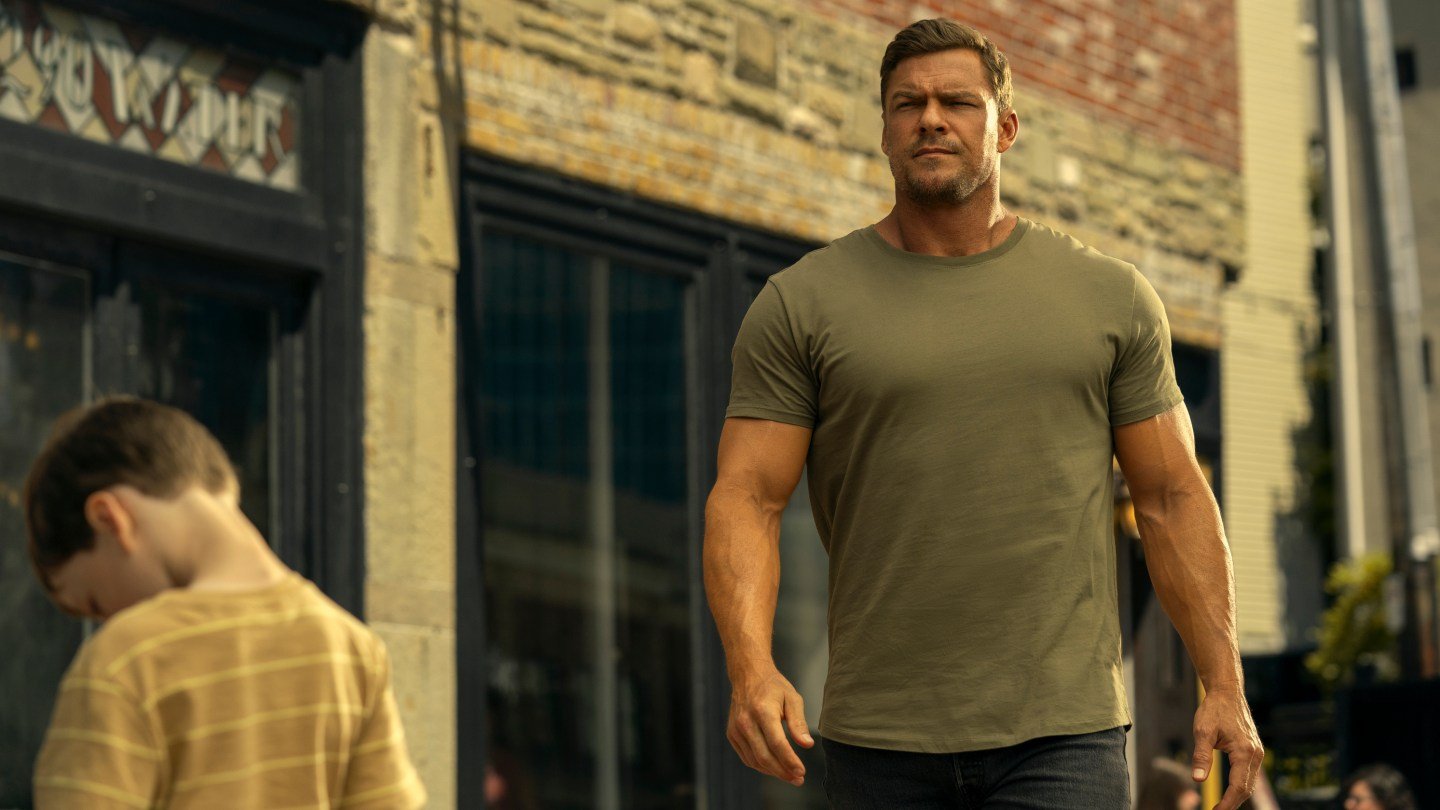
With less than two weeks to go before the season four premiere of Reacher, Amazon Prime Video is setting the stage for what follows that batch of episodes by confirming a quartet of actors for season five.
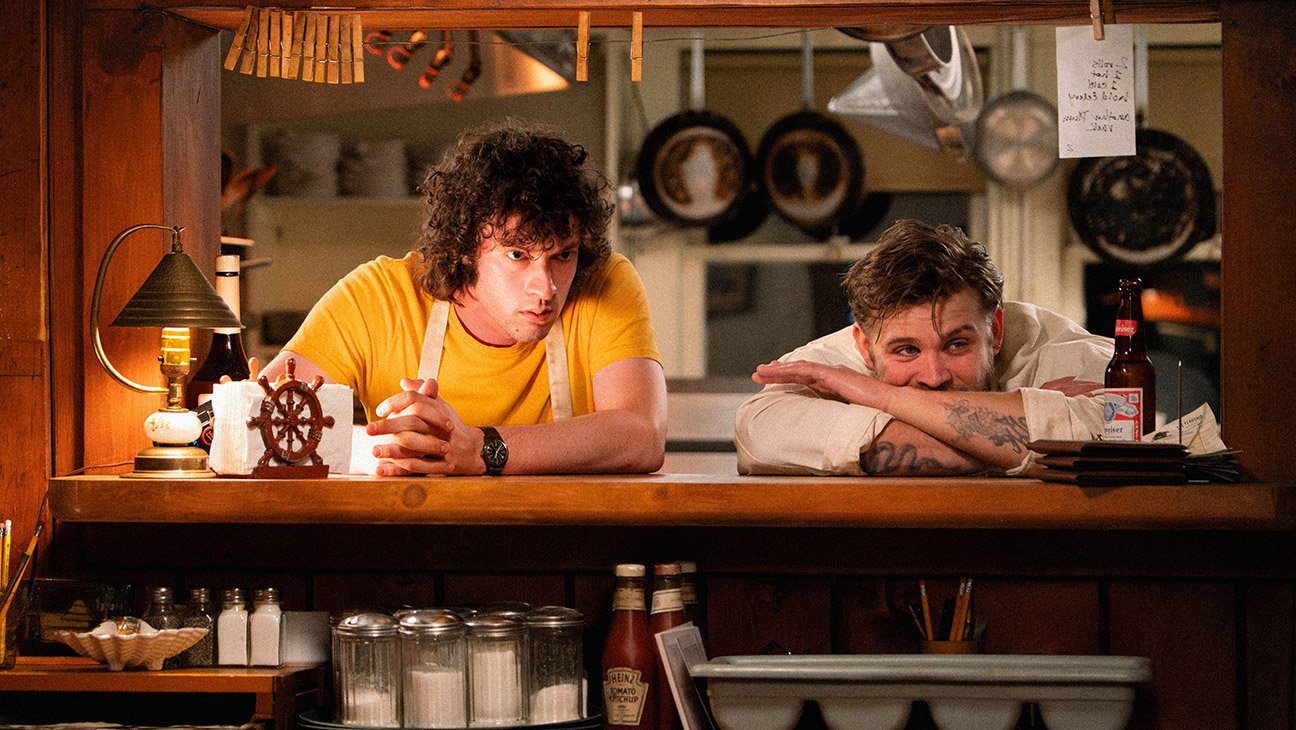
Amanda Ip, Jay Baruchel, Ciara Bravo and Kevin Durand will star opposite Alan Ritchson as Reacher in the fifth season that will be based on Lee Child’s novel Make Me. The series — from executive producer and showrunner Nick Santora and produced by Paramount Television Studios and Amazon MGM Studios — will catch up with Ritchson’s title character after his train stops in the mysterious town of Mother’s Rest where he teams with a private investigator in the search for a missing person.
In classic Reacher fashion, he winds up uncovering a dangerous and deadly criminal conspiracy. Ip will play Michelle Chang with Baruchel taking on the role as Chief Buck Bauer. Bravo assumes the role of Eunice, and Durand will play Nokes.
Amanda Ip, Jay Baruchel, Ciara Bravo and Kevin Durand
Courtesy of Amazon Studios
Canadian actor Ip is known for a recurring role as Carmen on CTV’s medical drama Transplant. Her TV credits also include Cross, Hudson & Rex, Plan B and Guess Who. She’s repped by Characters Talent Agency.
Baruchel is a veteran actor known for a long list of credits including This Is the End, Knocked Up, She’s Out of My League, Tropic Thunder, The Trotsky, The Sorcerer’s Apprentice, FUBAR, The Moodys, Man Seeking Woman, The Last Girlfriend on Earth, BlackBerry and the Oscar-winning best picture Million Dollar Baby. He voiced Hiccup in DreamWorks Animation’s How to Train Your Dragon and turned in multi-hyphenate work on Random Acts of Violence and Goon: Last of the Enforcers.
He can next be seen in The Stunt Driver as real-life Canadian daredevil Ken Carter opposite Ed Helms and Ben Foster. The film will have a world premiere at the Toronto International Film Festival in September. Baruchel repped by CAA, Thruline Entertainment and Lichter, Grossman, Nichols, Feldman, Rogal, Shikora & Clark.
Bravo’s year has included a turn in the title role opposite Zoey Deutch in Leah McKendrick’s Voicemails for Isabelle and starring opposite Marisa Tomei in You’re Dating A Narcissist!. Her other credits include Joe and Anthony Russo’s Cherry opposite Tom Holland, Small Engine Repair opposite Jon Bernthal, A Teacher alongside Kate Mara and Nick Robinson and Shawn Simmons’ Wayne. She next stars in Justin Lin’s Last Days. Bravo is repped by UTA and Myman Greenspan Fox Rosenberg Mobasser Younger & Light.
Durand is also a veteran actor with a long list of credits like Ryan Coogler’s Fruitvale Station, Atom Egoyan’s The Captive opposite Ryan Reynolds, David Cronenberg’s Cosmopolis opposite Robert Pattinson, Resident Evil: Retribution, Shawn Levy’s Real Steel opposite Hugh Jackman, Robin Hood opposite Russell Crowe, James Mangold’s 3:10 to Yuma with Crowe and Christian Bale, X-Men Origins: Wolverine alongside Hugh Jackman, Joe Carnahan’s Smokin’ Aces opposite Chris Pine and Walt Becker’s Wild Hogs with John Travolta, Tim Allen and Martin Lawrence.
Other credits include the Naked Gun update, Kingdom of the Planet of the Apes, Abigail, Ready or Not: Here I Come, Locke & Key, Swamp Thing, Ballers, The Strain, Trial & Error, Vikings and the upcoming feature The Boy in the Iron Box based on the novel by Guillermo del Toro and Chuck Hogan. Durand is repped by CAA, Alchemy Entertainment and Brecheen Feldman Breimer.
As mentioned above, Reacher’s new season debuts Aug. 12, and it will be based on Child’s Gone Tomorrow. The story follows Reacher after he has a chance and disturbing encounter with a distraught stranger on the subway. Sydelle Noel, Chris Marquette, Agnez Mo, Anggun, Kevin Weisman, Marc Blucas, Kevin Corrigan and Kathleen Robertson round out the cast. In addition to Santora and Child, Ritchson serves as an executive producer on season four alongside Don Granger, Scott Sullivan, Mick Betancourt, Lisa Kussner, Sam Hill, Amy Pocha and Seth Cohen. Carolyn Harris and Kenny Madrid are executives-in-charge for Paramount Television Studios.
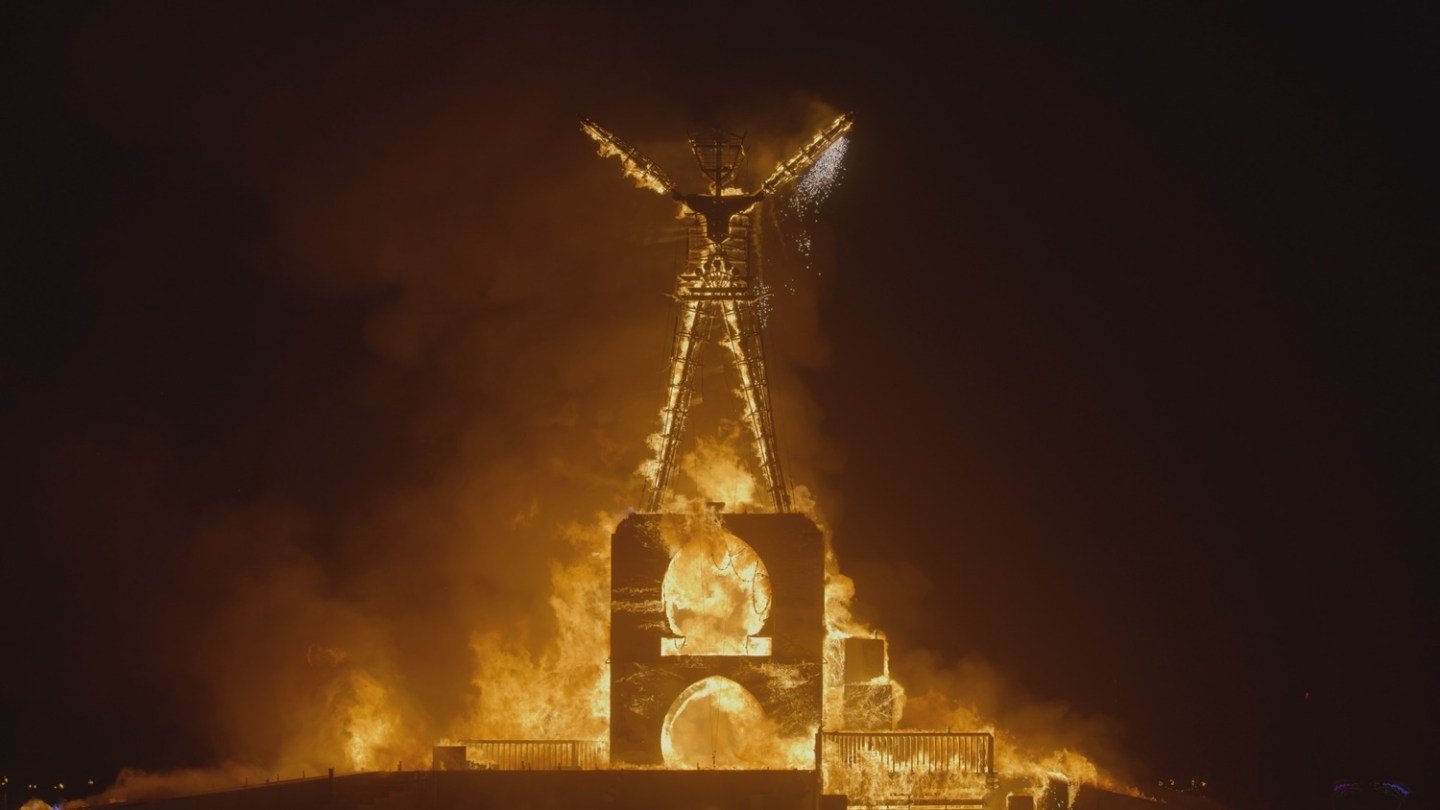
There is a bungee-strap battle that goes down inside a geodesic “Thunderdome” arena and, one year, revelers found a 23-foot-tall, 50-foot-long hedgehog temple erected on the playa in Nevada, where Black Rock City has risen nearly every Labor Day week for the past 40 years. And let’s not overlook the central wooden effigy itself, collapsing and engulfed in flames as steampunk Mad Max extras dance and laugh and cry.
Of all the dazzling visuals and surreal art that burst out of Burning Man, the large-scale, weeklong desert event that is now so vital that it has spawned its own subculture, it’s the images seen about seven minutes intoHBO‘s The Man Will Burn that are truly surprising: Rather than “Burners” running wild in costumes and dancing in the dust, the four-part documentary opens on a boardroom, with charts indicating cash flow. And then there are the actual people who, all year long, schlep to the office and run the business of Burning Man. Here, they are arguing about how to pay for it.
If you were left wondering whether the series, which began streaming weekly on HBO Max on July 9 and concludes Thursday, was a deliberate provocation, the series’ directors, Jehane Noujaim and Vikram Gandhi, cleared that up while speaking with The Hollywood Reporter last week.
“We’re documentary filmmakers, so we’re interested in reality,” Gandhi said about the series, which premiered at the Tribeca Festival in June. “The whole point of Burning Man is to not think about the gifting economy and the decommodification part of it — that’s what happens out on the playa. But when you peel back the layer behind the event, that’s what’s going on. Everything has a cost.”
That tension — between a 40-year-old social experiment premised on resisting institutions and the institution it had to become to survive — is one of the many aspects of the phenomenon that The Man Will Burn interrogates. Noujaim and Gandhi spent five years filming with unprecedented access to the Burning Man Project’s leadership. They begin the journey just as the organization is faced with what Noujaim called “one of the greatest existential crises” in its history: the COVID-19 pandemic threatening the very premise the event is built upon, which is simply that people show up.
Noujaim, an Emmy winner known for The Square and The Vow, said she and Gandhi — who directed the biting and, as some argued, immoral 2011 documentary Kumaré — were drawn to the project precisely because the stakes were so undeniably real.
“Even though many of the people that put this together have very different concepts of what they want to create, they do share this belief that it should happen every year, and they feel very strongly about that,” she said. “The stakes for all of the characters that we were following were very high. And I think when that happens, the true human nature comes out — and that’s wonderful for a film.”
Producer Muriel Soenens, who came to the project as “the non-burner of the team,” as she explained to THR, said the pandemic demanded answers to questions the community had been letting linger for years.
“It basically had opened up a Pandora’s box of issues that had been plaguing them since the early days: Do we grow or not? Who does this belong to? Does this belong to anybody? And if it does, who should be leading this?” she said. “As anarchy grows in numbers, it can no longer be truly radical. It can’t be as free as it was.”
As the series barrels forward through crisis management and office politics to the chaos that rain on the playa can cause, we watch as an event built on the idea that no one is in charge is forced by circumstances to reveal who actually is.
Making The Man Will Burn land was always going to hinge on access, which took years to earn, scene by scene. The filmmakers say the Burning Man Project’s leadership — including CEO Marian Goodell, a central figure throughout the series — gave them startling latitude, including in a boardroom scene during the depths of the crisis.
“I don’t think anything was off limits from the organization,” Gandhi said. But the organization, he added, was “only a tiny part of the access” — every camp, every art-car crew, every individual required separate, often lengthy negotiation. “Sometimes we would have to talk to people for 45 minutes, or months, before shooting for five minutes,” he said.
That’s not to say Goodell herself was resistant at first, Noujaim said.
“Marian was very much like, ‘This film is not about me, it’s not about one person,’” Noujaim said. “But we really pushed forward with following her because she was at the center of any big decision that was going to be made.” The access deepened over successive years, a dynamic Gandhi described bluntly: “As you are stood up for the fifth interview, then they’ll give you the sixth, and maybe it’ll be nicer or more open than it would have been if they hadn’t stood you up five times.”
Marian Goodell in The Man Will Burn.
Courtesy of HBO
Consent, the filmmakers said, was unusually fraught for a documentary in 2026 — a rarity, Soenens noted, in the social media era, when people are eager, or at least used to being on camera.
“There is really the deep question of, do I want to be filmed,” she said, adding that some longtime attendees declined outright, believing no documentary could capture what the event actually feels like, or objecting on principle to it being filmed at all.
Of the many conundrums and debates about Burning Man, it may not be too surprising that the series’ most pointed material concerns money — specifically, the encroachment of wealthy tech figures, including Kimbal Musk, who have become entangled in Burning Man’s finances and, therefore, have a seat at the table in its governance. But Gandhi pushed back on the idea that tech wealth itself threatens the event’s spirit; tech money, he noted, has been present at Burning Man since the 1990s. The more interesting question, he said, is about participation versus consumption: “Are people going without participating and buying an experience, rather than working on the experience?”
Yet how money concentrates power is on full display here. Musk, Gandhi said, “was maybe the loudest voice in the room” during a boardroom debate over whether to cancel the event outright — a moment that crystallizes how an organization “running on debt” ends up dependent on its wealthiest members, above its founding ideals.
Noujaim framed it as an argument the film wants viewers to sit with rather than resolve.
“It’s not whether people have money or don’t have money. It’s more this question of: Are people coming in to build together, to give and to sacrifice — which enables human connection — rather than the connection we normally deal with, which is very transactional?” she said. The struggle, she adds, is real and ongoing inside the organization itself, which works to prevent “plug-and-play” camps, where wealth substitutes for participation as the wealthy parachute into Black Rock City.
Asked what they wished they could include, the filmmakers pointed to structural gaps rather than deliberate omissions. Because the series is character-driven, storylines that didn’t touch their core subjects largely fell away, even ones with some true dramatic weight. They also mention a widely reported and still-unsolved death at the event that happened the year after filming wrapped; Noujaim said she and Gandhi weren’t present for it and had only secondhand information, but it’s a thread in the story of Burning Man that shows how its growth is leading to the seeping in of chaos.
Two pursuits, they said, nearly made it into the final cut but didn’t: a ride-along with the event’s volunteer rangers, complicated by the fact that there’s no cell service on the playa to coordinate filming, and a stint at the event’s makeshift hospital, where the crew nearly captured a premature birth — HIPAA privacy rules shut the access down. Both, Gandhi said, spoke to an underappreciated reality — that Black Rock City is “a city running a city,” with real infrastructure and real emergencies behind the drugs and art and fun.
For all the institutional friction the series documents, both directors indicated that what caught them off guard wasn’t the conflict — it was the playful tone. “The humor,” Gandhi said, “the level of humor and self-deprecation that keeps it way less earnest than you would expect. They are the first to cut themselves down and question themselves and consider themselves flawed and imperfect. They don’t like calling it a utopia.”
Noujaim said she was struck by the scale and the sheer amount of volunteer labor required to build and dismantle an 80,000-person city in the desert, most of it unpaid.
“There’s nothing like it on Earth,” she said. “People put more effort into building something than most people put into their jobs — and more joy in working.” It’s a note the film leans into deliberately, she added, precisely because it pushes against what most people assume Burning Man is in reality — not a party bought and consumed, but one built, hour by unpaid hour, by those who simply show up.
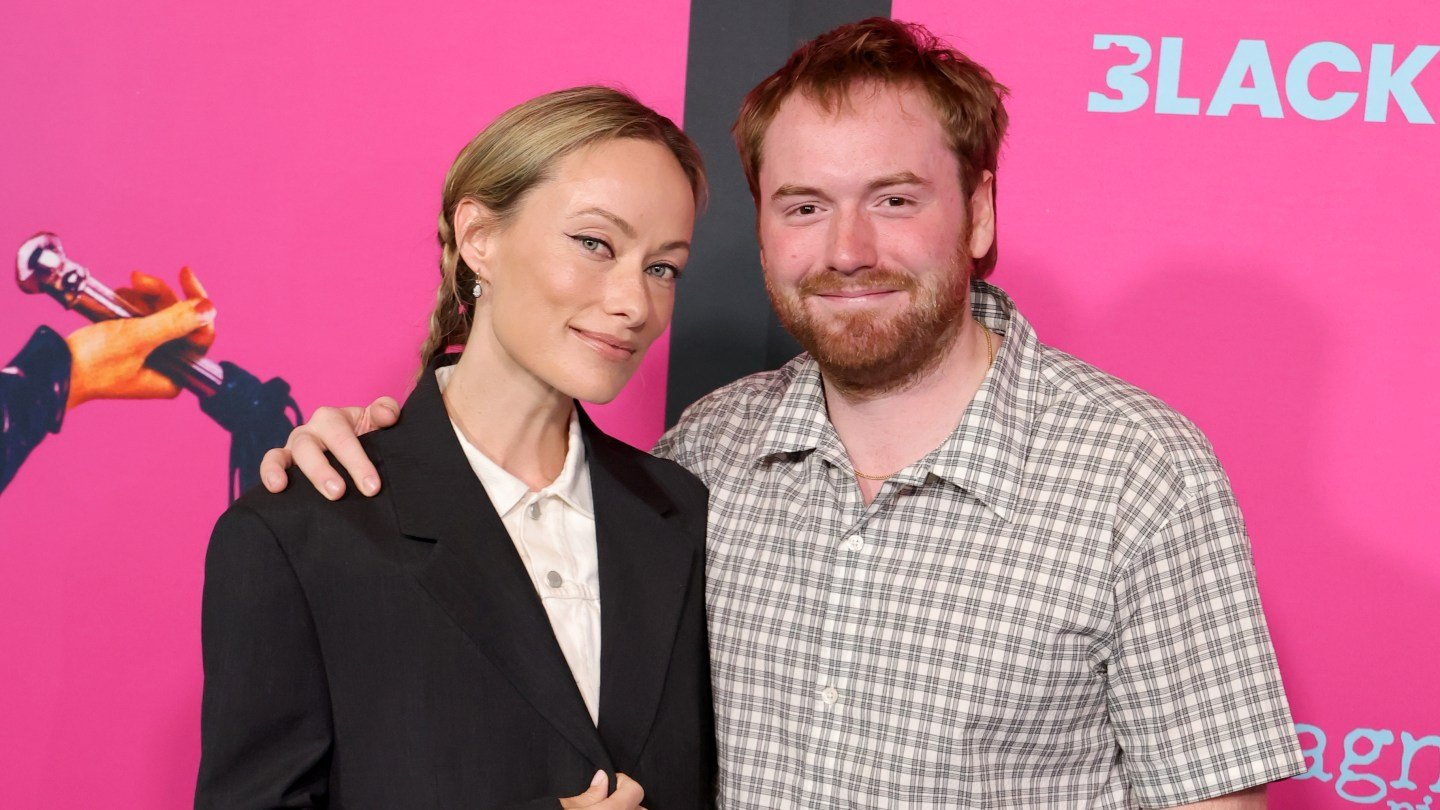
After more than a decade away from film, Gregg Araki is back with I Want Your Sex, following a fresh-faced 23-year-old (Cooper Hoffman) who lands a job working for renowned artist and provocateur Erika Tracy (Olivia Wilde). Things quickly take a turn, though, as Erika chooses him to become her sexual muse.
The erotic comedy plays into a recent trend of projects depicting older women in relationships with younger men, including 2024’s Babygirland a side plot in Marty Supreme. Co-writer Karley Sciortino recently wrote an op-ed about Hollywood’s love of the new age gap, and at the movie’s L.A. premiere on Tuesday, Araki explained, “In the patriarchy, that’s normal, for the pretty young thing to be with the old rich guy. As women gain more power and more income and wealth, I think that it’s great that the tables get evened out a little bit.”
Wilde — who has her own personal experience with age gap romances and the backlash that can surround them, from her time dating Harry Styles — celebrated “the fact that audiences are really open to a trend that for so long was dominated by the traditional older man, younger woman narrative. I think it’s exciting that people are breaking out of their boxes in different ways. I loved Babygirl; I think it’s exciting that people are open to different kinds of sexy love stories.”
Araki explained how he chose his central pairing, having long wanted to work with Wilde but admitting he wasn’t sure about Hoffman at first because after seeing him in Licorice Pizza, “he was so young and I was like it’s a little creepy for her to be sleeping with this kid.” After meeting him, though, Araki was impressed by how Hoffman “has a lot of gravitas for somebody so young;” Hoffman explained in signing on, “I would be really shocked if people said no to this opportunity. It’s Gregg, it’s Olivia, it’s a wild sex movie — that feels so exciting to me, rather than something that’s boring and dull.”
Wilde’s character in particular is very far from dull, with the star saying, “Madonna was a major source of inspiration, specifically the Truth or Dare documentary” and how she was “singular in her determination to stay true to herself and completely not giving a single fuck about if people didn’t approve of her.”
The performance is also a big departure from her buzzy performance in The Invite, her other relationship comedy that came out this summer. “It’s wild because these two characters are the two kind of sides of my personality. I love that they’re so different but they’re really in the same conversation about intimacy and growing up,” Wilde said. “The Invite is about growing up into a different stage of life, I think; this one is really about adolescence and the idea of maturing into an adult and what it means to experiment and the importance of experimenting.”
I Want Your Sex, which also stars Mason Gooding, Chase Sui Wonders, Johnny Knoxville, Margaret Cho and Daveed Diggs, hits theaters on Friday.
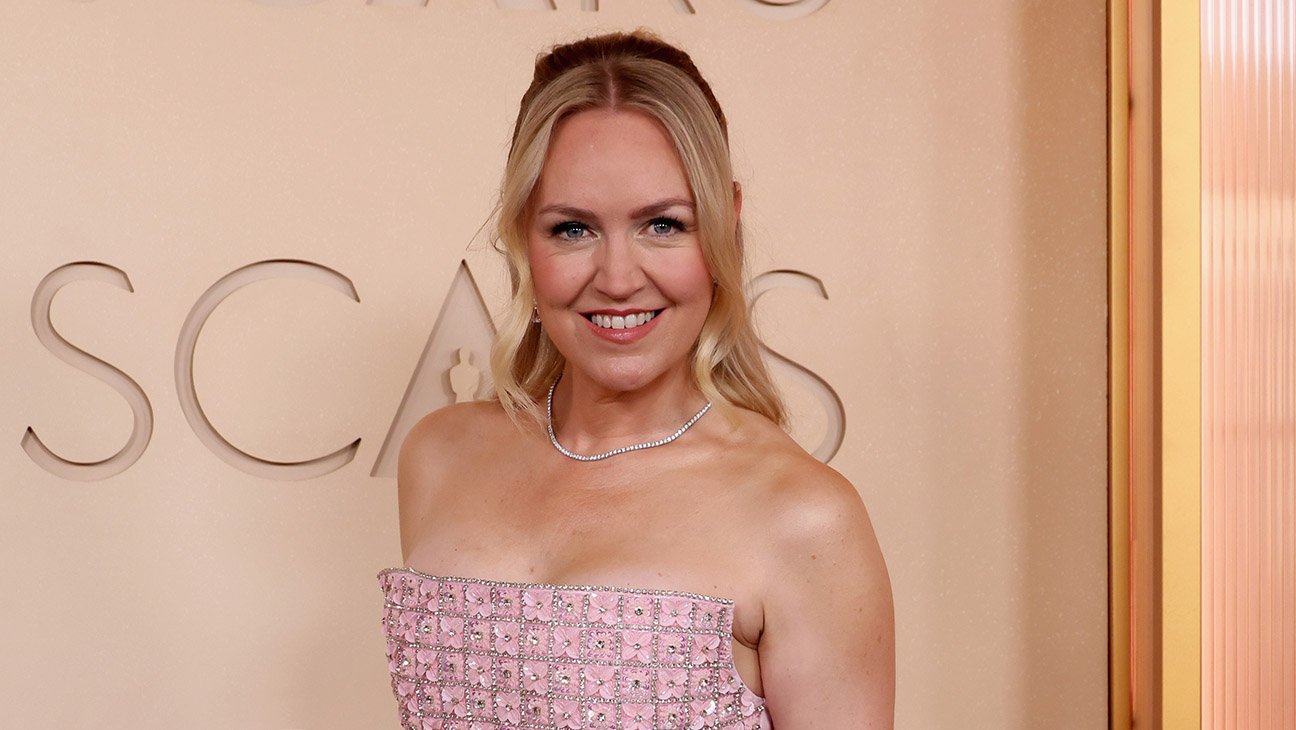
Howell Taylor, an Oscar-nominated film producer whose credits include both acclaimed indies (among them 2006’s Half Nelson, 2010’s Blue Valentine and 2016’s Captain Fantastic) and blockbuster studio films (such as 2018’s A Star Is Born, for which she received a best picture Oscar nomination), was first elected to the presidency a year ago. The 47-year-old, who, like the Beatles, hails from Liverpool, England, is the 37th person to hold the office.
Howell Taylor joined the Academy in 2014 and was recruited to produce the 2020 Oscars telecast with Stephanie Allain. Later that same year, she was elected to represent the producers branch on the board of governors, and was re-elected to a second term three years later. Term limits require governors, after six consecutive years of service, to step away from the board for at least one year, so Howell Taylor is no longer a governor of the producers branch — but the board recently passed a bylaw amendment to allow a sitting Academy president to run for re-election to that role until they have served up to four consecutive one-year terms, with the goal of providing greater consistency and continuity to the board. So she remains on the board as an “ex oficio governor” — a voting member representing the Academy, not a specific branch.
Also elected by the board to 2026-2027 officer positions:
Lesley Barber (Music Branch), Vice President (chair, Membership Committee)
David Dinerstein (Marketing and Public Relations Branch), Vice President/Treasurer (chair, Finance Committee)
Jennifer Fox (Producers Branch), Vice President (chair, Awards Committee)
Lou Diamond Phillips (Actors Branch), Vice President (chair, Equity and Inclusion Committee)
Howard A. Rodman (Writers Branch), Vice President/Secretary (chair, Governance Committee)
Barber, Fox, Phillips and Rodman were re-elected as officers; Dinerstein was elected for the first time.
“We are so deeply grateful to Lynette, Lesley, David, Jennifer, Lou and Howard for their commitment to the Academy and to our global film community,” Academy CEO Bill Kramer said in a statement. “As we move toward our 100th anniversary, I am excited to continue our vital work with the board and these exceptional board officers to support our members, the industry and the Academy’s mission and programs.”
Anyone who ever read Anthony Bourdain’s books, watched one of his globe-hopping culinary travel series or even just sat down to a mouth-watering plate of steak frites at Manhattan’s Brasserie Les Halles during his tenure there as executive chef probably has an idea of the man behind the self-made success. His bluntly unfiltered storytelling and conversational style, his passion and curiosity as a cultural explorer, his eloquence in the language of food and even his amusing bad-boy arrogance were all part of a larger-than-life, unapologetically authentic personality. Almost a decade after his shocking suicide by hanging, Bourdain remains an iconic figure as both celebrity chef and accidental anthropologist.
Matt Johnson’s Tony is a prologue to all that, tightly focused on the pivotal summer the rudderless 19-year-old Bourdain spent in Provincetown in 1975, washing dishes in a seafood joint, where he stumbled onto his vocation, right before enrolling in the Culinary Institute of America. It’s a lovely grace note that Bourdain’s friend and colleague for more than 20 years, Eric Ripert, is on the admissions panel in a brief scene.
Tony
The Bottom Line
More of a light bite than a full meal, but flavorful.
Release date: Friday, Aug. 7 Cast: Dominic Sessa, Antonio Banderas, Emilia Jones, Leo Woodall, Stavros Halkias, Michael Jibrin, Monica Raymund, Rich Sommer, Dagmara Dominczyk, Liam Fitch, Joe Burns, Eric Ripert Director: Matt Johnson Screenwriters: Todd Bartels, Lou Howe, Matt Johnson, Matthew Miller
Rated R,
1 hour 46 minutes
A slender slice of a famous life, the movie feels a little wispy in its mix of scrappy and sweet, rough-edged and yet bathed in the balming glow of nostalgia. But it has an idiosyncratic charm that fits the title character, without ever sanding down the abrasive side of a chronic liar or masking his insecurities.
Making good on his promise in The Holdovers, Dominic Sessa is excellent in the role, nailing the contradictory aspects of a slippery character while mapping his coming-of-age arc with empathy and honesty. There’s no dark foreshadowing of the tragedy we know will come 43 years later — only chutzpah, raw potential and intermittent flickers of vulnerability.
Working from an original script by Todd Bartels and Lou Howe, Johnson and regular producing and writing partner Matthew Miller — they collaborated on 2023’s BlackBerry and this year’s mockumentary Nirvana the Band the Show the Movie, among other projects — reshaped the perspective to capture the interiority of the unformed Bourdain. We meet the title character as a lost young man, trying to figure out who he wants to be, but putting up a façade of brash self-assurance in the meantime.
Even on a visit to his childhood home in New Jersey, Tony — the more serious, grown-up “Anthony” comes later — reads as a narcissistic blowhard with his parents, warmly affectionate Pierre (Rich Sommer) and flinty Gladys (Dagmara Dominczyk), who seems to view their eldest son with a look of preemptive disappointment. He applies for a paid writing fellowship at Vassar, pitching a novel that sounds like he’s making it up during the interview. Despite that, Tony is so sure he aced it he starts sharing the news that he has secured the fellowship, continuing even after he is informed that it went to another candidate.
We hear the word “bildungsroman” at least four times in the early scenes, as if the writers felt the need to spell out their intentions in a bio-drama that is less a portrait of a life than of a transitional moment.
At a student-hangout bar one night, he spots Nancy (Emilia Jones), his former high school crush and — subsequent to the period covered in the movie — future wife, sitting with friends, including a snarky cousin who instantly tags Tony as a shameless bullshitter. But Nancy is mildly intrigued, telling him she will be spending the summer in Provincetown but inviting him to come find her in the fall at Vassar.
With his plans for the summer nixed, Tony lifts a handful of cash from his dad’s wallet and impulsively follows Nancy to the former fishing port on the tip of Cape Cod. It doesn’t take him long to find her, working a pizzeria counter, but he’s crushed to see her kissing a horny co-worker (Joe Burns).
Tony tries drowning his sorrows at the bar of the Flagship, a no-frills seafood eatery run by a man identified only as Chef (Antonio Banderas). But when he comes on strong with bartender-waitress Mary (Monica Raymund), he gets thrown out and roughed up by Sal (Leo Woodall), the oyster-shucking bruiser from the kitchen.
With a black eye and an empty wallet, Tony decides to leave on the next morning’s ferry, but a chance encounter with Nancy changes his mind. He continues to lie about the writing fellowship and assure her that she has nothing to do with his reasons for being there. Whether Nancy buys it or not, she invites him to a party that night at the house she’s sharing with her girlfriends.
Meanwhile, Tony meets the Flagship chef again, this time on less hostile terms. Soulfully played by Banderas as a contemplative man who attends Mass in Portuguese every Sunday — a nod to the town’s early immigrant fisherman community — and maintains an air of mystery about what brought him to Provincetown, Chef offers Tony a job washing dishes and a place to crash, sleeping on a hammock on the deck of his beach house.
Tony also finds Sal tagging along to Nancy’s party and watches morosely as she drifts off with the pizza dude while Sal literally carves a notch in a bedroom door frame following what appears to be just the latest in an endless succession of quickie hookups.
So begins a summer of education, chastening disaster and eventual redemption for the fledgling super-chef, who’s no innocent but not yet a confident adult who knows what he wants, either. Basically, he’s just faking it as he goes along.
A big part of Tony’s experience is his unexpected friendship with Sal, a brawler who’s never slow to start throwing punches, eager to consume whatever drugs are available and whose louche charms and sexy smile are catnip to women. This is a terrific role for Woodall, with shades of his party-boy hustler in season two of The White Lotus, Sal’s loose-cannon volatility balanced by surprising loyalty to Tony.
The more instructive part, however, is Tony’s time in the chaotic Flagship kitchen, where Chef turns a blind eye to the cocaine and weed circulating but has strict rules about timekeeping and efficiency. When Sal inevitably screws up, Tony gets promoted to oyster shucker, suddenly finding himself part of an alternate family, with fellow kitchen staffers Stavros (comedian Stavros Halkias) and Tyrone (Michael Jibrin), and Mary running front of house.
This central plot thread is almost like a blueprint for the behind-the-scenes access to restaurant life in Bourdain’s bestselling first book, Kitchen Confidential — hazardous, intense, messy and a magnet for misfits. It seems true to the title character as drawn here that he would thrive in such a high-pressure environment, especially under the exacting mentorship of Chef.
We also get a glimpse of Bourdain as someone who runs toward a challenge, entrepreneurial in his proposal to Chef that they introduce a Friday-night lobster thermidor special, which he wants to prepare, undaunted by the limitations of his culinary education. Banderas’ character is well past his ambitious years, having done his time in Michelin-starred restaurants all over Europe. But his avuncular encouragement of Tony in what could be absolute folly brings real heart to this section — until calamity intrudes.
The relatively weak link in the script is Nancy, who’s too underdeveloped as a character to give her burgeoning romance with Tony much structure, and consequently gives Jones (CODA) little to work with. She’s cool and attractive, but not much more, even if her slow-burning interest in Tony suggests she’s drawn to his weirdo vibe.
Johnson shows a light touch with the period needle drops (Eric Burdon and the Animals, Richard and Linda Thompson, Kool & the Gang, etc.). But Walter Murphy’s classical-goes-disco banger “A Fifth of Beethoven” is the most dynamic of them, punching up the energy for Tony’s Icarus-like rise and fall — even if the single wasn’t released until a year after the movie’s timeframe. Elsewhere, sharp use is made of a playful score by longtime Johnson collaborator Jay McCarrol, with sleepy piano passages echoing underlying notes of melancholy.
The production and costume designs capture the mid-’70s with pleasing understatement, and Johnson’s fondness for pop culture humor is evident in quirky asides like a passing shot of the nearby Wellfleet Drive-In signage, showing the seemingly incongruous double-feature pairing of Jaws with the Charles Bronson crime thriller Violent City. The ultimate Cape Cod movie, Jaws was first released that year and became a defining cultural moment of summer 1975, while Violent City was a favorite of Bourdain’s, its Ennio Morricone title track in high rotation on his cooking playlists.
The soft pink glaze of the Cape Cod light (gorgeously captured by DP Michael Bauman, fresh off his Oscar-nominated work on One Battle After Another) gives the film an atmospheric luster that helps fortify the somewhat ambling nature of the narrative. Enough of the shoot was done in Provincetown itself to provide a warm evocation of the popular Massachusetts summertime destination, even if the movie could almost be accused of straight-washing its picturesque setting.
While P-town’s explosion as an LGBTQ mecca came later, the roots of its gravitational pull for queer tourism by all accounts were readily apparent in the post-Stonewall years. Making the Flagship’s Mary and her partner the only same-sex couple we catch a glimpse of feels like tokenism. But hey, local institution Spiritus Pizza, where Nancy works, still operates today, often fondly referred to as “Slut Pizza” because of the throng of gay men that converge there every night at 1 a.m. when the bars close, many of them madly swiping left on Grindr. I guess that will have to count as representation.
If you purchase an independently reviewed product or service through a link on our website, The Hollywood Reporter may receive an affiliate commission.
Mattel has unveiled its official 2026 Signature Collection Barbie Holiday Doll.
First unveiled at the New York Toy Fair in February, the collectible, Christmas-themed doll is now available to purchase online, with custom 2026 packaging and a newly-designed red gown replacing the gold dress from 2025.
Amazon
COLLECTOR’S ITEM
Barbie 2026 Holiday Signature Doll
Always one of the most popular Barbie releases of the year, the 2026 Holiday Doll features Barbie in a voluminous red gown with a strapless sweetheart neckline and dramatic bow detailing at the hip.
Silver drop earrings, strappy red heels and a bold red lip complete the look, which Mattel says conveys “a dazzling vision of festive elegance and timeless charm.”
The Holiday Barbie is presented in festive packaging and comes with a doll stand, set against a sparkly gold backdrop and mistletoe accents on the corner of the window pane display cover.
Amazon
ALSO AVAILABLE
Barbie 2026 Holiday Signature Ken Doll
You can also pick up the official 2026 Holiday Ken Doll, with Barbie’s blond boyfriend decked out in a red satin jacket, white dress shirt and black bow tie.
BLACK HAIR
Barbie 2026 Holiday Signature Doll
The 2026 Barbie Holiday Signature Doll comes in multiple hairstyles and skin tones, including this Black Barbie doll with black hair.
You can also shop South Asian and East Asian-inspired Holiday Barbie Dolls on Amazon here. And fans can find a redhead Holiday Barbie Doll for $45 at Walmart.com. These festive releases are popular collector’s items and sell quickly online so we recommend adding the doll(s) to cart while they are still in stock.
The release of the Holiday Barbie is a beloved tradition that dates back to the first edition in 1988. The new dolls arrive ahead of the upcoming Barbie in the Nutcracker animated special, which celebrates the 25th anniversary of Barbie’s collaboration with Tchaikovsky’s famous ballet.
PRE-ORDER NOW
Funko Pop! Vinyl: Barbie Nutcracker 25th
Fans can pre-order this official Funko Pop! collectible, featuring a Sugar Plum Fairy Barbie in mini vinyl figure form.
The original Barbie in the Nutcracker film, meantime, is available to stream on Netflix or rent or buy on Amazon here.
American Summer is heading to theaters at just the right time.
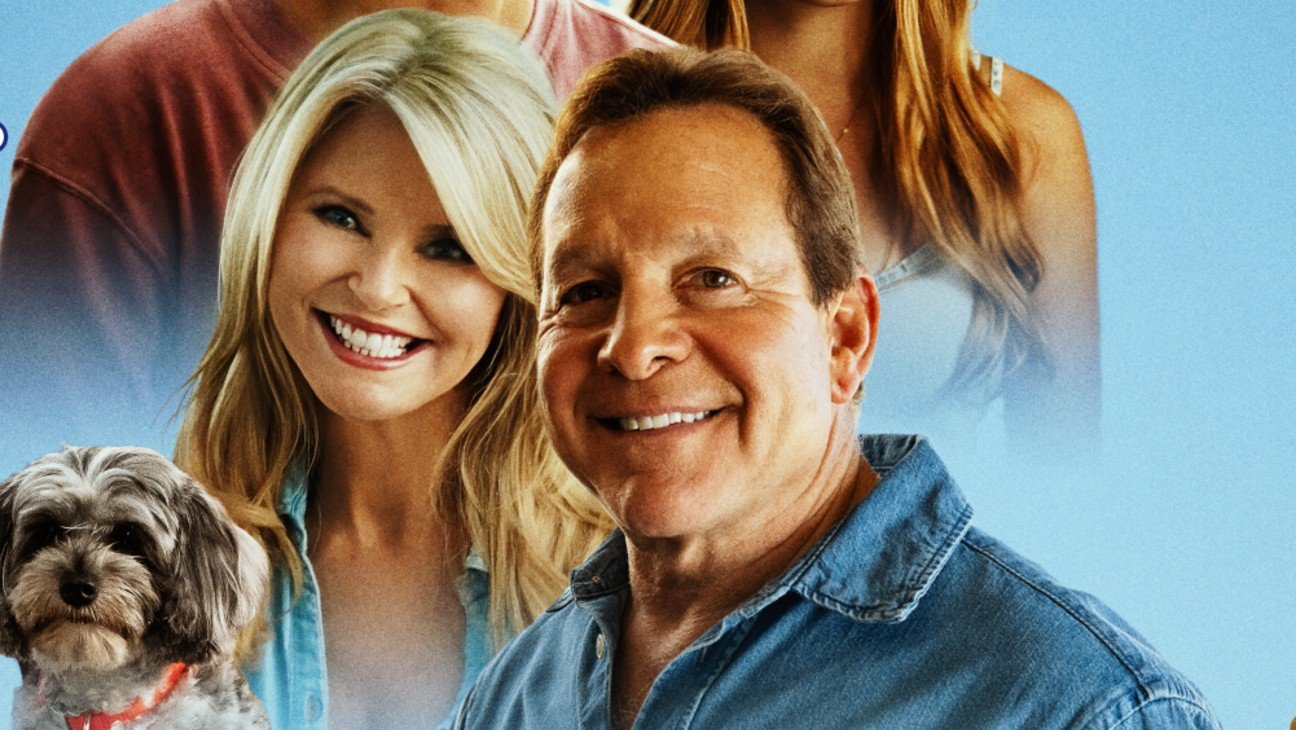
Blue Harbor Entertainment has acquired U.S. distribution rights to writer-director Michael W. Gray’s family comedy American Summer and will release it theatrically on Sept. 4, The Hollywood Reporter has learned. Steve Guttenberg (Police Academy) and Christie Brinkley (National Lampoon’s Vacation) star in the coming-of-age indie film.
American Summer centers on Mikey (Guttenberg) as he reflects on a standout summer from growing up, when he met a special girl, made the travel baseball team and navigated the uncertainty of his dad going missing overseas while with the U.S. Army.
The cast includes Dan Lauria (The Wonder Years), Logan Gray (Surfside Girls), Mia Talerico (Good Luck Charlie), Cullen Moss (Outer Banks), Erinn Ruth (Billions), Maximus Virgili and Major League Baseball legends Lee Mazzilli and Luis Sojo.
Gray helmed the movie from a script he wrote, with additional writing by Jennifer B. White and Marc Prey. Gray, Michael Cuomo and Ann M. Gray serve as producers. The trailer can be seen below.
“We made this movie in tribute to small-town-USA life,” says Gray. “It is important to me to bring people together which is what movies, baseball, community and family have always done. I am grateful for the opportunity to share American Summer with the country and soon the world.”
Adds the Blue Harbor Entertainment team, “American Summer is a heartfelt nostalgic throwback to the kind of films that brought the whole family together. With its winning mix of baseball, first love, humor, adventure and genuine emotion, the film beautifully captures the unforgettable magic — and uncertainty — of one life-changing summer.”
Guttenberg is represented by Vault Entertainment and CAA. Brinkley is repped by Artist Brand Alliance and Untitled Entertainment.
Penélope Cruz, Sian Heder, Isabelle Huppert, Rosalind Eleazar and Lee Chang-dong are set to receive TIFF Tribute Awards at the upcoming Toronto Film Festival.
Oscar–winning actor Cruz will receive a Special Tribute Award as she touts two movies in Toronto, the Spanish drama epic La Bola Negra and Florian Zeller’s Bunker, both of which premiered in Cannes.
Korean auteur Lee Chang-dong will pick up the Ebert Director Award as he brings Possible Love to TIFF. Netflix has set a theatrical release in Korea, U.S. and other select territories for Lee’s first film in eight years after premieres in Venice and Toronto. Eleazar will receive a Performer Award as she helps launch in Toronto Chris Rock’s Misty Green, the comedian’s latest work as a film writer/director in which Eleazar stars as Misty Green.
Elsewhere, fellow actor Huppert will also receive a Performer Award as her latest film, Marc Fitoussi’s All About Corinne, gets gala treatment in Toronto. Also at the Sept. 13 fundraiser, Oscar–winning CODAfilmmaker Heder will receive the Impact Media award as she brings her latest movie, Being Heumann, to Toronto for a world premiere.
Proceeds from the Tribute Awards go towards the festival’s year-round talent development programs that encourage diversity, equity and inclusion in filmmaking. The gala dinner fundraiser for the fest’s philanthropic efforts is also an occasional harbinger of Oscar recognition and is held each year at Fairmont Royal York Hotel.
TIFF Tribute Award honorees tend to have films in Toronto’s official lineup. The 51st Toronto Film Festival is set to run Sept. 10 to 20.
SiriusXM is launching a niche subscription offering targeting sports fans, creating what will be its least expensive option in the process.
The satellite radio giant is launching SiriusXM Sports Pass, a $5 per month audio subscription that will bundle all of its sports channels alongside a slew of terrestrial sports radio stations.
The service will be the most comprehensive live sports subscription offering anywhere (albeit audio-only), with every home and away NFL, MLB, NBA and NHL game broadcast; every NASCAR, IndyCar and Formula 1 race; PGA TOUR events and golf’s major championships; WWE Premium Live Events including WrestleMania, and many other events.
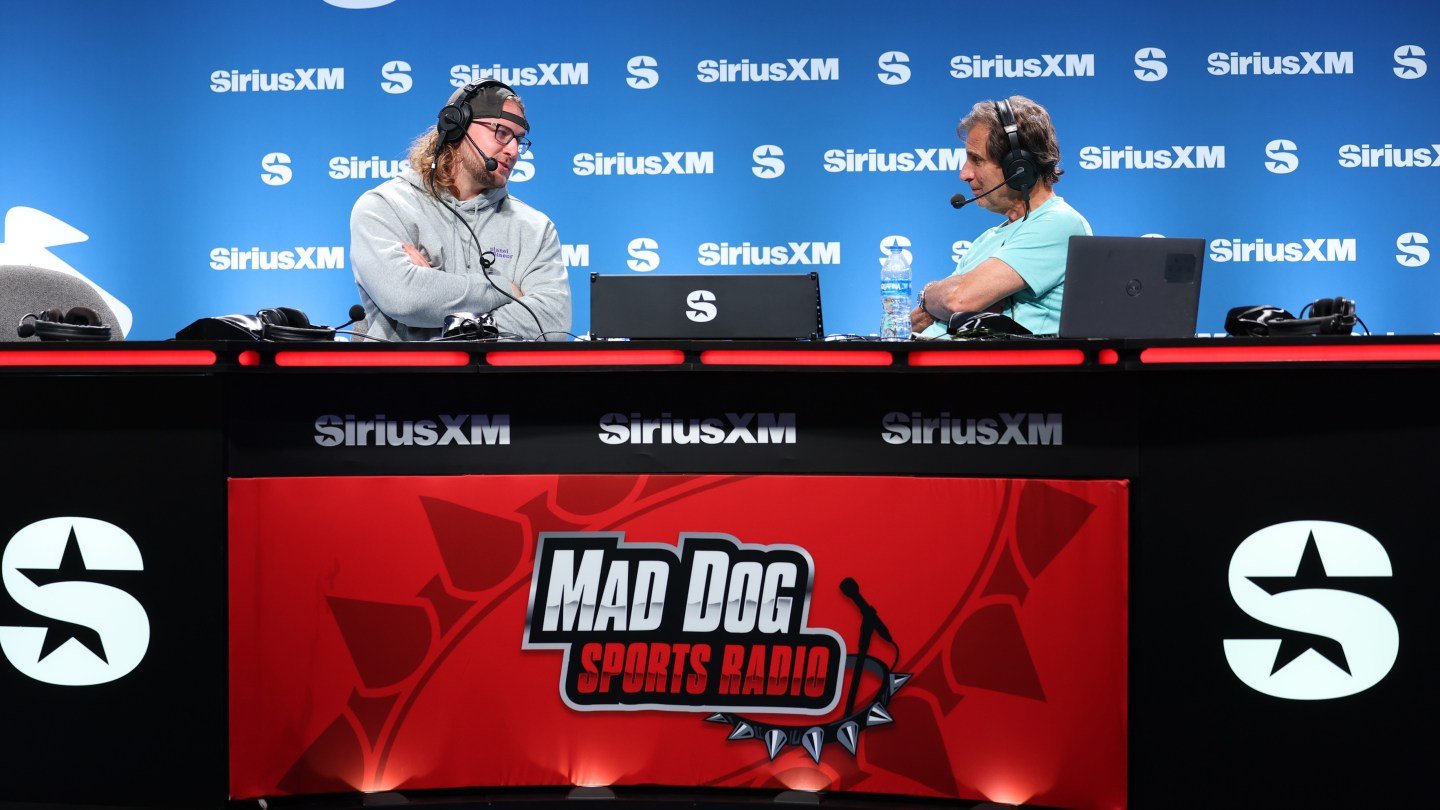
The new offering will launch Sep. 1, right as the NFL and college football season get underway. Channels include Mad Dog Radio, Fantasy Sports Radio, and the channels dedicated to individual sports like the NFL, MLB, NBA, F1, etc. It also includes national sports radio brand from ESPN, Fox Sports and Westwood One, as well as sports stations from Audacy, including WFAN New York and 97.1 The Fan Los Angeles.
“Every new channel, artist performance, live event, and creator collaboration advances our vision for the future of audio: making SiriusXM a home for fandom, where listeners can go deeper into the things they love and feel part of a lasting community,” said Jennifer Witz, SiriusXM’s CEO, in a statement. “SiriusXM Sports Pass brings that vision to life for sports fans by putting every game and event we carry, hometown voices, national personalities and the daily sports conversation into one simple, affordable subscription. No matter who you cheer for or where you listen, it brings you closer to the teams and voices that matter most to you.”
The sports offering opens up new possibilities for the company, which currently has an all-music tier for $11.99 per month and an all-access tier for $25.99 per month ($11.99 for streaming only) that serve as its most popular offerings. There also premium and family plans, as well as a $14.99 per month news, talk and sports plan.
The sports offering suggests a future where SiriusXM could cater to more specific tastes, be it through news or opinion, specific music genres, or other areas of “fandom,” as Witz puts it.
A coalition of nearly a dozen of the biggest record companies in the music business — including the “big three” of Universal Music Group, Sony Music and Warner Music Group — are calling for global music charts to adopt policies that would disqualify many AI slop tracks from consideration.
The companies are calling on the chart companies to introduce new rules that would only allow AI-generated songs to be included if the use of AI is properly authorized and lawful, if the track was substantially human made and if it doesn’t raise concerns of streaming fraud or chart manipulation.
Those stipulations don’t outright disqualify all AI songs — a primarily human created song that lawfully uses AI as a supplemental tool is still allowed — but they’d certainly limit eligibility considerably. The biggest AI music generation platforms still face lawsuits over allegations of mass copyright infringement to train their models, and much of the AI music uploaded to streaming services is linked to streaming fraud.
“Tracks created using generative AI systems have been appearing on streaming services, however many of these have been developed with tools that have been trained on artists’ music without authorisation,” the companies said in a release on Wednesday. “These tracks are also commonly associated with streaming fraud. To tackle this, record companies are driving the development and licensing of AI music services that respect the rights of music creators. Through the implementation of these principles, human creators will have further assurance that tracks manufactured via unauthorised algorithms unjustly built upon their work – or fraudulently promoted – will not be celebrated by industry charts.”
While AI-generated songs haven’t overwhelmed the charts yet, there have been several notable cases. The AI country act Breaking Rust, for example, garnered major headlines last year after managing to make it on the country digital sales chart. Still, it should be said that placements on digital sales charts certainly don’t reflect mass consumption, as it only takes a thousand-or-so sales to chart there given that digital downloads have become far less common in the streaming era.
AI remains among the most pressing issues in the music industry, as the record companies have announced partnerships with the likes of Nvidia, Spotify and Stability AI to develop AI music tools, while also suing when the AI companies cross the line. All three of the major labels sued AI music generators Suno and Udio back in 2024, though UMG settled with Udio last year, while WMG settled with both Suno and Udio. Sony is yet to carve out a deal with either company.
The labels’ call comes just weeks after the RIAA and IFPI announced a push for streaming services to more explicitly label AI-generated content on their platforms, suggesting a strategy similar to the current labeling of explicit music on streamers, with AI icons next to a song.