
Tag: Healthlines

  • Wegovy May Have Higher Risk of ‘Eye Stroke,’ Vision Loss Than Ozempic

    Wegovy May Have Higher Risk of ‘Eye Stroke,’ Vision Loss Than Ozempic

    Close up of a female's eyeShare on Pinterest
    Researchers believe that high doses of semaglutide may reduce blood flow to the optic nerve, which could lead to eye stroke. Maria Korneeva/Getty Images
    • A new study has found that the GLP-1 drug Wegovy is linked with a higher risk of “eye stroke,” especially in men.
    • Ischemic optic neuropathy (ION) is a rare but serious condition that can cause vision loss or even blindness.
    • Semaglutide drugs like Wegovy may pose a greater risk of ION than Ozempic due to higher doses used for weight loss.
    • Doctors say the risk is small, but there are steps you can take to reduce the risk even further.

    A new study has raised concerns about a rare but serious eye condition linked to a popular class of used to treat obesity and diabetes, especially those containing semaglutide.

    Ischemic optic neuropathy (ION), known colloquially as an “eye stroke,” can cause sudden vision loss and even blindness.

    The study found that certain formulations of semaglutide, particularly Wegovy, the higher-dose version, may carry a higher risk of this vision-threatening side effect, especially in men.

    The authors called for further research to better understand the safety of these drugs, which are widely prescribed for weight loss.

    This database collects reports from patients, doctors, and drug manufacturers about side effects and complications experienced after taking medications.

    The researchers focused on reports where a GLP-1 receptor agonist was suspected to be involved in cases of ischemic optic neuropathy.

    Semaglutide comes in different forms, including Ozempic, a weekly injection used primarily for type 2 diabetes; Wegovy, a weekly injection for obesity at a higher dose; and Rybelsus, a daily pill for type 2 diabetes.

    The study examined each formulation separately to see if the risk of vision problems differed. They also looked at tirzepatide, a newer drug that works on similar pathways but in a slightly different way, as well as common diabetes medications like metformin and insulin for comparison.

    The team used statistical methods designed to detect whether a particular drug was reported more frequently with ischemic optic neuropathy than would be expected by chance.

    They also adjusted their analysis to account for differences in age and sex, helping to clarify whether certain groups might be more vulnerable. This approach allowed researchers to identify patterns in the data despite the rarity of the condition and the complex background of patients using these drugs.

    Out of the tens of millions of reports examined, about 31,000 involved semaglutide.

    The obesity drug Wegovy showed the strongest link to ischemic optic neuropathy, even though it had fewer overall reports than Ozempic, the diabetes formulation.

    The higher dose of Wegovy likely plays a role, as it leads to greater systemic exposure and faster weight loss, which might affect blood flow to the optic nerve.

    Males appeared to be at higher risk than females, with the data showing a notably stronger association in male patients taking Wegovy.

    No cases were reported with the oral form of semaglutide (Rybelsus), which is absorbed more slowly and in smaller amounts, suggesting that the way the drug is delivered and its dose matter.

    Tirzepatide, another drug in this class but with a different mechanism, showed no significant association with vision problems despite achieving even greater improvements in blood sugar and weight. This may be because tirzepatide acts on two receptors, potentially balancing out effects on blood flow and reducing the chance of ischemic injury to the optic nerve.

    The study also found no increased risk with other commonly used diabetes medications like metformin and insulin. This specificity points toward a unique effect of semaglutide, especially at higher doses, rather than a general risk from improving blood sugar or losing weight.

    Researchers believe that high dose semaglutide may reduce blood flow to the optic nerve through factors such as fluid loss, low blood pressure — especially at night — and shifts in the body’s vascular system. These changes could make the optic nerve more vulnerable to damage. However, the exact biological link remains to be confirmed in future studies.

    Because the FDA’s database relies on voluntary reporting, the numbers do not reflect how often the problem actually occurs. Still, the clear pattern seen with Wegovy and the higher risk in men suggest that doctors should monitor patients carefully, especially those receiving the higher doses for obesity.

    More detailed studies are needed to understand who is most at risk and how to prevent this serious complication.

    Hector Perez, MD, a board certified bariatric surgeon at Renew Bariatrics and an advisor at BestSurgeons.com, who was not involved in the study, said that while the risk for ION is worth monitoring, the study is very small.

    “Untreated obesity, diabetes, and vascular disease damage vision far more commonly than semaglutide does,” he told Healthline.

    However, Perez noted that there are still several steps you can take to reduce your risk for this side effect.

    He advised that you avoid extremely rapid early weight loss. “Gradual caloric reduction helps prevent sudden drops in blood pressure or perfusion,” he said.

    Perez further stated the importance of staying well hydrated, explaining that when people’s appetites are suppressed, they often tend to reduce their fluid intake as well. However, this can worsen optic nerve perfusion, he said.

    “Excessively low nocturnal BP is a known risk factor for optic nerve ischemia,” he cautioned.

    Diala Alatassi, MD, an obesity medicine physician at TeleSlim Clinic, who was also not a part of the study, added that if you have multiple health conditions along with obesity, it’s wise to start low and titrate your dose up slowly.

    She further noted that it’s best to consult with an experienced weight loss doctor rather than purchasing medications online and self-titrating.

    Alatassi recommended staying up to date with your eye health. “Patients, especially diabetics, should get yearly eye exams to get a baseline prior to starting such medications,” she said.

    Finally, Alatassi, stressed the importance of always following your doctor’s instructions.

    “These are prescription medications,” she said. “Just like other medications, if used inappropriately, they can have unfortunate outcomes.”


  • 3 Different Types of ADHD Identified in New Study. What to Know

    3 Different Types of ADHD Identified in New Study. What to Know

    Female outside wearing headphonesShare on Pinterest
    A new study using brain scans discovered that there may be three distinct types of ADHD. Image Credit: Delmaine Donson/Getty Images
    • A recent study suggests there may be three different biotypes of ADHD.
    • The findings suggest that each biotype (subtype) of ADHD may have its own distinct chemical reactions in the brain.
    • Experts say that more research is needed, but the study could mark a shift in how ADHD is diagnosed and treated.

    Attention deficit hyperactivity disorder (ADHD) is a common neurodevelopmental disorder.

    Symptoms of ADHD can vary in severity, and around 6 in 10 children have moderate to severe symptoms.

    Current treatment for ADHD is typically categorized by age group. However, it generally involves a combination of medications and behavioral therapies.

    A recent study published in JAMA Psychiatry suggests that there may be three distinct subtypes of ADHD.

    “This could mark the beginning of the end for one-size-fits-all ADHD treatment,” said Rod Mitchell, a registered psychologist and founder of Emotions Therapy, Calgary, AB, Canada, who was not involved in the study.

    “If each biotype involves different neural circuits and neurotransmitter systems, then the standard ‘diagnose, prescribe stimulant, adjust dose’ approach may only be well-suited to one of the three groups,” he told Healthline.

    The study looked at the chemical and structural patterns of the brains of 1,154 participants with ADHD.

    When they analyzed brain scans and neurochemical signals, they found that ADHD did not affect everyone’s brain activity the same way.

    They noticed that three distinctive patterns seemed to emerge.

    The three subtypes of ADHD that they found were:

    • severe combined with emotional dysregulation
    • predominantly hyperactive/impulsive
    • predominatly inattentive

    “Each biotype tells a distinct neurobiological story,” said Mitchell.

    He explained that the predominantly inattentive type showed alterations in a region tied to sustained attention and filtering distraction.

    The predominantly hyperactive/impulsive type showed disruption in circuitry that governs impulse braking and action regulation. Both broadly align with what clinicians have observed for years.

    “Interestingly, their phenotypes mirror the DSM-5,” said David Goodman, MD, assistant professor of Psychiatry and Behavioral Sciences at the Johns Hopkins University School of Medicine in Baltimore, MD, and a clinical associate professor at the Department of Psychiatry at Norton School of Medicine, State University of New York, Syracuse, NY. Goodman wasn’t involved in the study.

    “In some way, these findings support the utility of the DSM-5 when pursuing this research population,” Goodman told Healthline.

    The severe-combined type with emotional dysregulation is where this study breaks new ground.

    This type showed the most widespread brain alterations, the most persistent emotional dysregulation over time, and preliminary signals of elevated mood disorder comorbidity — all underpinned by involvement across serotonin, dopamine, acetylcholine, and histamine pathways simultaneously, explained Mitchell.

    “That neurochemical complexity helps explain why these are often the clients who don’t respond to stimulant medication alone,” Mitchell said.

    The researchers note that understanding subtypes of ADHD may, “ultimately create a path toward developing personalised therapeutic strategies.”

    “The correlation of neural networks and 3 biotypes in this study supports ongoing research with this concept … until a large, well-controlled clinical study demonstrates the clear benefit of one compound over another for a specific symptom cluster, this current research contributes to the evolution of ADHD neuroscience with guarded clinical applicability,” said Goodman.

    Diagnosing ADHD involves several steps. The CDC states that there is no single test to diagnose the condition.

    Treatment for ADHD most often involves a combination of behavioral therapy and medications.

    This can depend on the age at which a person is diagnosed, however. For example, for children under 6, parent training in behavior management is generally the first line of treatment before medication.

    For children ages 6 years and over, treatment generally involves a combination of therapy and medications. Behavior therapy helps the child learn how to reduce certain behaviors and increase self-regulation skills. It also typically involves training for parents.

    There are two types of medications for ADHD: stimulant and non-stimulant.

    It’s important for parents to work closely with healthcare professionals to find the right treatment for their child.

  • What Is ‘Boy Kibble?’ The Simple High-Protein Meal Trend That’s Going Viral

    What Is ‘Boy Kibble?’ The Simple High-Protein Meal Trend That’s Going Viral

    A man holding a frying pan over a stove. Share on Pinterest
    Don’t let the name fool you. The “boy kibble” meal trend can be a surprisingly affordable, healthy high protein option—especially with a few simple recipe tweaks. Ivan Andrianov/Stocksy
    • “Boy kibble” is a food trend that’s been gaining popularity on social media, especially among Gen Z men.
    • Usually made up of ground beef and rice, the trend is being shared as an inexpensive, simple high protein meal to support muscle building.
    • Nutrition experts say the dish can provide important nutrients, but discourage eating it daily without modification.
    • Eating the same meal repeatedly may lead to nutritional gaps.

    “Boy Kibble” is the latest viral meal trend that’s taking over social media platforms like TikTok and Instagram.

    The trend has been described as the male counterpart to the 2023 “girl dinner” phenomenon, in which women shared casual, snack-style meals of small portions of various foods.

    “Boy Kibble,” on the other hand, is exactly what it sounds like. Much like kibble for pets, it’s a basic, no-frills meal that typically consists of ground beef and white rice.

    Across social media, fitness influencers and gym-focused creators say the dish helps them easily hit their daily protein targets without spending much time cooking or money on takeout.

    Many claim they eat the meal several times a week, while some say it’s part of their everyday routine.

    Unlike many viral social media diet trends, experts say “boy kibble” does have some benefits, especially when the recipe is modified.

    However, it can also pose some risks if the basic recipe is eaten too often.

    Jennifer L House, MSc, RD, a dietitian with First Step Nutrition, says there’s a lot to like about the “boy kibble.”

    “It’s cheaper than eating out, easy to make and batch cook, and nutrient-dense (especially if you add veggies),” she told Healthline.

    “Almost 50% of our calories come from highly processed foods, so I support any kind of home cooking, no matter how basic.”

    As for its nutritional plus points?

    “Ground beef is a complete protein, which helps maintain muscle, repair tissue, and build antibodies. A 100g serving contains over 100% of our daily requirement for Vitamin B12, which is found [naturally] only in animal products,” House said.

    “Beef contains other important minerals, too, such as zinc, which supports immunity, and iron, [which is necessary for hemoglobin], which transports oxygen in our bodies.”

    She added that “boy Kibble” doesn’t have to be just for boys.

    “The iron in beef is more important for women and growing children, who have higher iron needs. Many adult women are low in iron, which can lead to poor sleep, poor immunity, and lack of energy,” she said.

    It’s important to note that not all rice is equal in nutrients. White rice, which is refined, has had its fiber and protein stripped out. This means that it behaves like a simple carb in the body.

    “The carbohydrates in rice complement ground beef as they provide the energy you need for your workout and to replenish the energy that was used during your workout,” Kezia Joy, registered dietitian nutritionist and medical advisor at Welzo, told Healthline.

    “The two together may serve as a viable base for a post-workout or high-energy meal.”

    While the basic “boy kibble” recipe has some nutritional merit, experts are raising concerns about how often some people claim to eat it.

    “The basic ‘boy kibble’ meal includes meat and rice. If this is all someone ate, three times a day, they would be low in fiber, calcium, and some vitamins and minerals, such as Vitamin C and folate, as well as antioxidants found in fruits and vegetables,” House said.

    She said she strongly discourages people from eating basic ‘boy kibble’ “for three meals a day, or even once a day, especially if it’s just meat and rice with no veggies added.”

    Joy agreed, noting that while eating the same meal every day can make tracking calories or protein easier, “dietary variety is very important to ensure that you are getting all of the nutrients your body needs.”

    “Rotating different proteins, grains, and vegetables daily will help guarantee that you are getting all of the vitamins, minerals, and beneficial plant compounds your body needs to be healthy over time,” she said.

    She also noted that even healthy foods can lead to deficiencies if you eat them repeatedly without variety.

    House said she isn’t surprised to see “boy kibble” trending, especially among young men who may find it appealing because it removes some barriers to healthy eating.

    “Boy kibble’ is simple, easy to make, and requires little time and mental energy to prepare. If it’s batch-cooked and pre-portioned, it’s just as easy to come home and microwave your ‘boy kibble’ as it is to hit a drive-thru,” she said.

    “One of the barriers to cooking at home and eating healthily is the time and energy it takes to meal-plan. This recipe simplifies that process.”

    Experts say the basic beef-and-rice “boy kibble” meal can be easily modified with a few simple additions to make it even healthier and more nutritionally balanced.

    “Adding frozen mixed veggies or broccoli doesn’t add much prep time, but it boosts nutrition,” House said.

    “Or, you could throw in a handful of bagged kale or spinach to add calcium, fiber, and antioxidants,” she added.

    If you’re eating it regularly, House suggests occasionally swapping rice for another carbohydrate.

    And don’t forget that taste matters too.

    “I would like to see some spices, such as garlic powder and cumin, or sauces, such as salsa, added. Not only will it make the meal far tastier, but spices also contain flavonoids and other healthy antioxidants,” House said.

  • Obesity Driving 10% of Cancer Diagnoses, Review Finds. How to Lower Your Risk

    Obesity Driving 10% of Cancer Diagnoses, Review Finds. How to Lower Your Risk

    Doctor reviews scans with patientShare on Pinterest
    Obesity accounts for 10% of all new cancer diagnoses in the United States each year, according to a new review. ruizluquepaz/Getty Images
    • Obesity is now linked to at least 13 types of cancer, making it one of the most preventable cancer risk factors in the United States.
    • Obesity reconfigures bodies at the cellular level, creating an environment where cancer can develop and spread.
    • The longer someone has a BMI in the obesity range, the harder it is to reverse the effects.
    • Preventing obesity is a more effective cancer-prevention strategy than reversing obesity.

    Obesity now accounts for roughly 10% of all new cancer diagnoses in the United States each year, and up to 50% of certain cancers — including endometrial and liver cancer — according to a new review published March 9 in JAMA.

    Obesity actively creates the conditions cancer needs to thrive. It is linked to at least 13 cancer types, among them colorectal, pancreatic, ovarian, breast, thyroid, and kidney cancers.

    More than 40% of adults and 20% of children were living with obesity in the United States from 2021 to 2023, according to data from the Centers for Disease Control and Prevention (CDC). Obesity is defined as a body mass index (BMI) of 30 or higher.

    “It’s almost alarming how much obesity really changes our bodies,” Neil Iyengar, MD, an oncologist at Winship Cancer Institute and co-author of the review, told Healthline.

    The review authors cited inflammation as a key factor driving obesity-related cancer diagnoses.

    Fat tissue, Iyengar explained, is one of the most common tissues in the body, and most cancers develop either within it or directly beside it, using the inflammation as fuel.

    “When you have chronic inflammation for a long period of time, you’re essentially creating an environment in your body that is ripe with growth factors, new blood vessels,” Iyengar said.

    “If a cancer cell arises, it can leverage that inflamed environment and use all of those growth factors to grow into a tumor.”

    For cancer cells to develop, certain cellular properties are required. Scientists have identified 10 of these properties, which include a cell’s ability to:

    • divide without limit
    • resist death
    • build a new blood supply
    • evade the immune system

    Additionally, cancer cells can begin to “rewire” their metabolism to use extra energy as fuel, accelerating tumor growth.

    Together, these properties create what Iyengar called a “host environment” for cancer to develop and thrive.

    “Obesity causes a lot of those properties that lead a cell to become cancerous,” Iyengar said. “Nearly every process that leads to the development of cancer in our bodies is accelerated by obesity.”

    Other factors that can be manipulated by obesity to drive cancer growth include:

    • DNA damage: This becomes accelerated with obesity and can quickly turn a healthy cell cancerous while simultaneously slowing the body’s ability to repair the cell.
    • Immune suppression: Obesity can make natural killer cells and T cells less effective at identifying and destroying abnormal cells before they form into tumors.
    • Gut disruption: Extra weight can reduce the beneficial bacteria that produce anti-inflammatory molecules. Without them, the gut membrane begins to break down.

    The longer a person remains in the obesity BMI range, the greater their cancer risk and the more difficult it becomes to reverse the damage.

    The review authors found that losing more than 10% of body weight could help reverse the harmful biological processes associated with obesity.

    However, weight loss is only meaningful if it’s sustained in the long term. Rapid cycles of weight loss and regain may do more harm than good. Every dramatic swing forces fat tissue to contract and expand rapidly.

    “That’s going to cause even more inflammation and disrupt all of these processes even more,” Iyengar said.

    Preventing obesity has a significant impact on cancer prevention. That work, the review suggests, should start in childhood.

    GLP-1 drugs

    A 2024 study of more than 1.6 million U.S. patients with type 2 diabetes found GLP-1 use was associated with a meaningfully lower risk of 10 of the 13 obesity-associated cancers compared to insulin therapy, including pancreatic, liver, and colorectal cancers.

    Iyengar referred to this blockbuster class of weight loss drugs as “an incredibly useful tool for weight loss and possibly for cancer prevention.”

    However, a common pitfall of these medications is weight regain from stopping the drug without a plan. Without one, the resulting biological whiplash of that rebound may be worse than the obesity itself, Iyengar said.

    “You have to pair them with lifestyle change so that you can maintain that weight loss when you taper down the drug,” he said.

    Plate method

    Tiffany Barrett, MS, a clinical dietitian manager at Emory University Winship Cancer Institute, who was not involved in the research, recommended the plate method as a practical starting point.

    This strategy involves filling half your plate with colorful foods and emphasizes fiber, fruits, and vegetables. For example:

    • 1/2 colorful vegetables and fruit (high in fiber, low in calories, and inherently anti-inflammatory)
    • 1/4 lean protein
    • 1/4 whole grains

    Limiting processed meats and simple sugars and replacing sugary drinks with water directly reduces inflammation that may fuel cancer risk.

    “You’re inherently reducing inflammation by consuming fiber and by limiting your processed foods and simple sugars,” Iyengar said.

    Mindful eating

    Barrett encouraged mindful eating as another approach.

    The practice involves being attuned to hunger and fullness cues, minimizing distractions while eating, and avoiding the cycle of fad diets.

    She said it’s about balance and that “the occasional indulgence should be enjoyed without guilt.”

    Regular exercise

    Current guidelines recommend 150 minutes of moderate-intensity physical activity per week, which can be broken into smaller sessions throughout the day.

    Experts like Barrett also recommend strength training at least twice a week, targeting all major muscle groups.

    “Women are often fearful to lift,” Barrett said. But strength training is critical for building lean muscle mass and keeping your metabolism working efficiently, she added.

    Exercise isn’t just about losing the extra weight. Regular physical activity stimulates the same immune cells that identify and destroy abnormal cells before they become tumors.

    “Exercise stimulates natural killer cells and T cells,” Iyengar said, “just the opposite of what obesity does.”

    “It’s important to follow a healthy diet and exercise to lower inflammation and reduce cancer risk,” he said.

  • Can You Maintain Weight Loss With Fewer Injections of Ozempic, Wegovy?

    Can You Maintain Weight Loss With Fewer Injections of Ozempic, Wegovy?

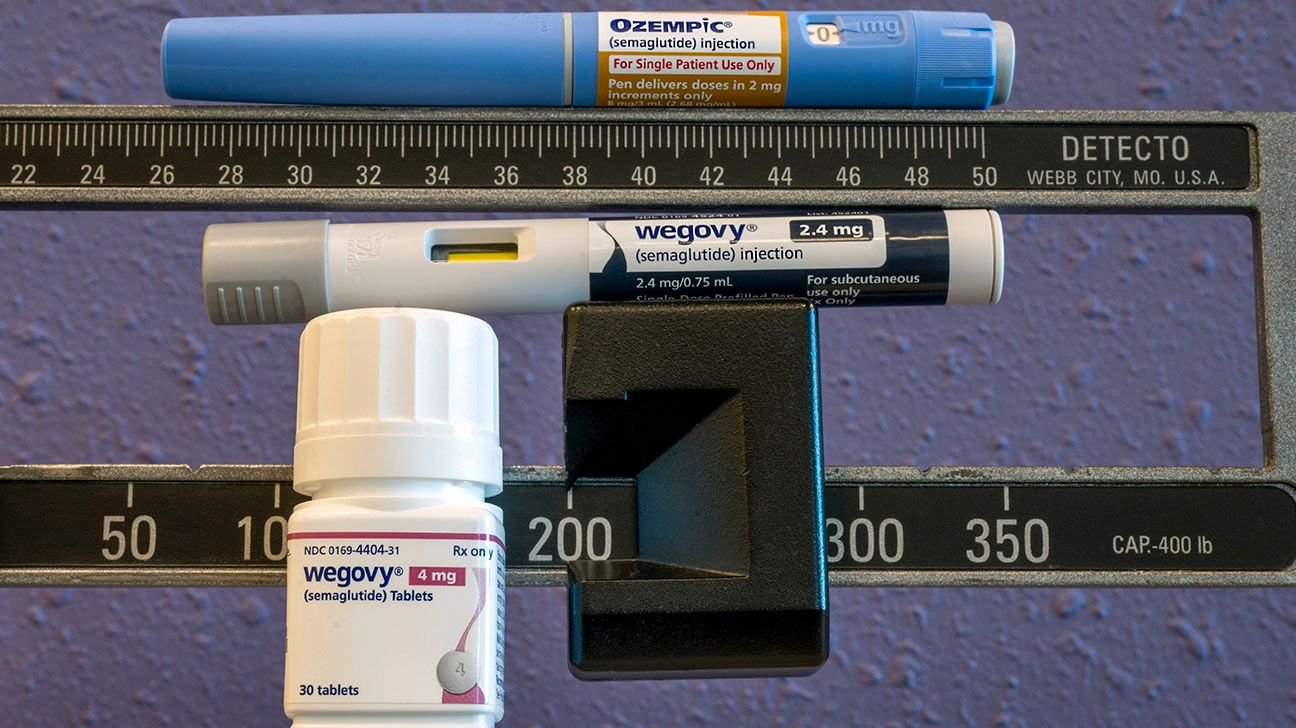
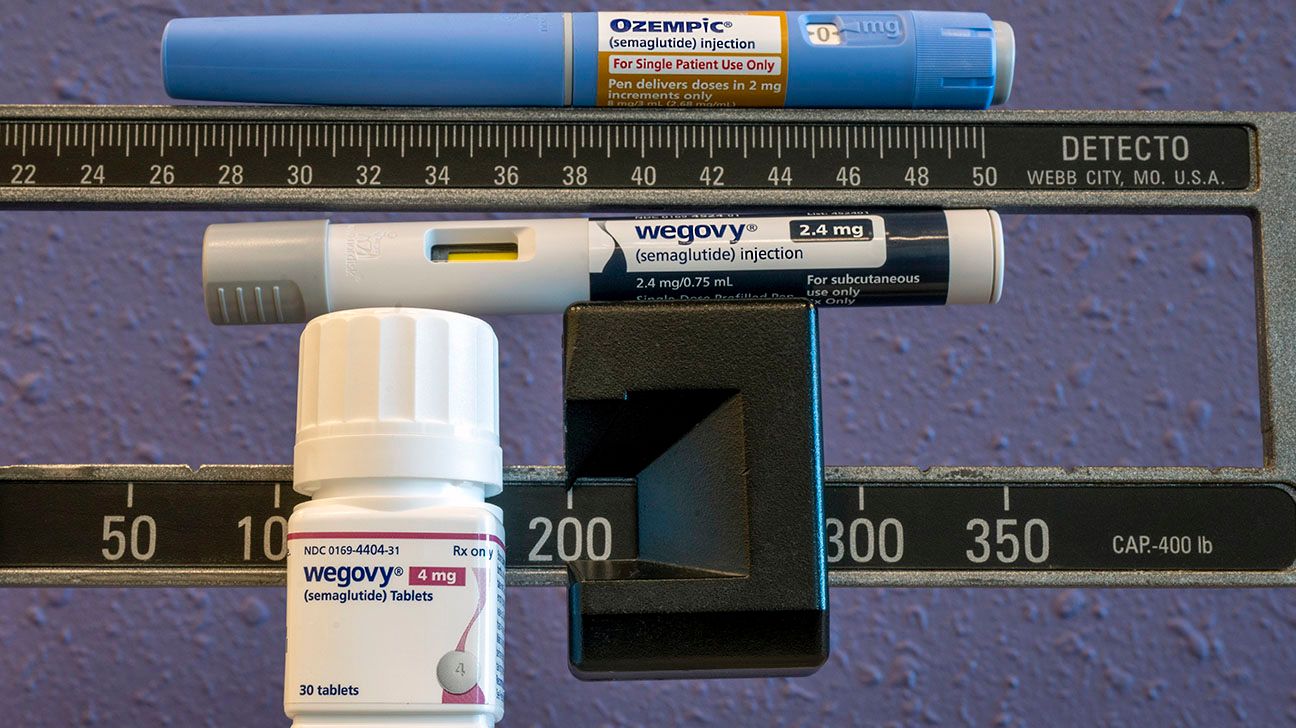
    Image of a weight scale along with Ozempic and Wegovy injectionsShare on Pinterest
    A small study has found that people may be able to maintain their weight loss with fewer GLP-1 injections. Image Credit: Siluk/UCG/Universal Images Group via Getty Images
    • A recent small study found that reduced GLP-1 frequency may help people maintain their weight loss.
    • The study shows that people who dosed as little as once every two months maintained weight loss and other improved health markers.
    • Tapering GLP-1s may not be right for everyone, but the researchers suggest it may help reduce long-term medication use.

    People taking GLP-1 drugs like Ozempic and Wegovy to help treat obesity lose an average of 15–20% of their body weight.

    These medications are generally considered a long term, potentially lifelong treatment, as studies show that when individuals stop taking them, they often quickly regain the pounds they’ve lost, returning to their original weight within less than two years.

    Yet, 32% of people who begin taking GLP-1 weight loss medications stop within a year due to several reasons, including the high cost and severity of side effects.

    However, a recent study published in Obesity suggests that people may be able to maintain their weight loss with fewer doses.

    “These findings support structured de-escalation as a promising strategy to reduce treatment burden without sacrificing efficacy,” noted the study authors.

    “Although this study involved a small patient sample, I have had similar experiences in my practice,” said Mir Ali, MD, bariatric surgeon and medical director of MemorialCare Surgical Weight Loss Center at Orange Coast Medical Center in Fountain Valley, CA, who wasn’t involved in the study.

    “Many patients who have been successful on GLP-1 medications are able to use a lower dose or less frequent injections to help maintain their weight loss,” Ali told Healthline.

    The typical dosing regimen for GLP-1 weight-loss medications is a once-weekly injection. Some types may even recommend a daily injection.

    However, this small study of 30 people suggests that less frequent injections may help people maintain their weight loss and make it easier for them to use the medications long-term.

    “There is no single solution for all patients,” Ali said. “While some can taper successfully and maintain their results, others require a consistent dose. Most individuals regain significant weight once these medications are stopped.”

    The reduction in injection frequency was led by the individuals, with 24 participants reporting a minimum of 2 weeks between injections. The longest interval was 6 weeks apart. The other six participants reported a frequency of 10 to 14 days.

    Participants maintained a reduced dosing frequency for an average of 36 weeks.

    Nearly every participant maintained the same BMI following the reduced frequency. Only four saw a slight regain, with the largest increase being 8 lbs.

    Many participants even saw a slight reduction in their body mass index (BMI).

    “I have patients who have lost 50 to 70 pounds during their nearly two-year weight loss journey,” said Victoria Finn, MD, board certified endocrinologist with Medical Offices of Manhattan and contributor to LabFinder, who wasn’t involved in the study.

    “To find the lowest effective dose for maintaining their achieved target weight, we gradually decrease the dose and reduce the frequency of dosing,” she told Healthline.

    Finn noted that while “GLP-1 medications are incredibly powerful tools,” they should “not be considered magic wands,” and should always be “combined with regular physical activities and dietary adjustments” for the best results.

    Ali noted that people with obesity should view it as a “chronic, long-term disease — similar to hypertension or diabetes.”

    “Those using GLP-1 medications should approach them as a long-term treatment plan,” Ali said.

    Experts note that the findings of this study are based on a very small sample, and tapering GLP-1 medications may not be an effective strategy for everyone.

    For example, even in the recent study, four people returned to their original dosing schedule after they began regaining weight.

    Nevertheless, tapering GLP-1 medications may be a preferable option to stopping altogether for some people.

    “Stopping cold turkey is not recommended. Instead, reducing the frequency of dosing to lower doses is the best way to maintain results and reduce the financial burden of treatment,” Finn said.

    If reduced doses of GLP-1 drugs prove viable for more people, the strategy may be a game-changer for obesity treatment.

    “Larger randomized controlled trials are needed to confirm these findings and may help address concerns about indefinite therapy, lower healthcare costs, ease supply constraints, and broaden access to GLP-1 medications to improve public health,” said the researchers.

  • Can Collagen Really Improve Your Skin Health? What the Research Says

    Can Collagen Really Improve Your Skin Health? What the Research Says

    Bottle of collagen supplements poured into handShare on Pinterest
    Collagen supplements may support skin health, but the anti-aging benefits may be overstated. Anastasiia Krivenok/Getty Images
    • A recent review of clinical research suggests that collagen supplements may offer modest improvements in skin elasticity, hydration, and dermal density.
    • Experts say these changes tend to be subtle and gradual, typically appearing after several weeks of consistent use.
    • There is little evidence to show that collagen supplements can prevent or significantly reverse wrinkles, despite common marketing claims.
    • Skin experts say collagen supplements may support skin health, but work best alongside proven strategies such as sunscreen use, retinoids, and healthy lifestyle habits.

    Collagen supplements have become a go-to for those seeking to delay aging and improve skin appearance.

    However, a recent review of clinical research suggests that collagen supplements may offer only modest benefits for skin health, particularly in terms of elasticity and hydration.

    Across several trials, researchers found that consistent supplementation was associated with small improvements in skin elasticity, hydration, and dermal density, typically after several weeks of use.

    So, just how effective are collagen supplements when it comes to improving skin health and slowing visible signs of aging?

    Healthline spoke with experts to learn more about the purported benefits of collagen and whether common claims about supplements have any merit.

    Marlee Bruno, a board certified physician associate, aesthetic medicine educator, and founder of Mind Body & Soul Medical, said the review aligns with what she sees in the treatment room.

    “Collagen supplements may support improvements in skin elasticity and hydration over time, but they are not a magic fix for aging,” she told Healthline.

    “In my practice, patients who approach them with realistic expectations tend to be the most satisfied. When someone expects dramatic wrinkle reversal from a supplement alone, they are often disappointed,” she said.

    According to Bruno, the current science suggests collagen supplements can contribute to modest improvements in skin quality with consistent use, but the changes are typically gradual and subtle.

    If you’re taking collagen supplements consistently, Bruno said that proven benefits lie in the “three pillars of skin quality”: elasticity, hydration, and dermal density.

    “Some medical trials show that taking between 2.5 to 5 grams of bioactive collagen peptides daily can lead to an increase in skin elasticity after 8 to 12 weeks,” she said.

    Moustafa Mourad, MD, double board certified facial plastic and reconstructive head and neck surgeon and founder at Mourad NYC Facial Plastic & Reconstruction Surgery, said the most consistent benefits are improvements in skin hydration and small increases in elasticity.

    “People who respond to collagen supplements may notice that their skin looks a little more hydrated or feels slightly firmer,” he told Healthline.

    “These changes usually appear after several weeks of daily use. The key point is that these improvements are subtle and gradual. They do not produce the kind of visible lifting or tightening that people sometimes expect from cosmetic treatments,” he said.

    Bruno agreed. “What people should realistically expect is that you aren’t going to wake up with a facelift. What you can expect is subtle firmness and smoother texture,” she said.

    “Think of it like high quality insulation for a house. You don’t necessarily see it from the street, but the house stays warmer, and the structure holds up better against the elements,” she said.

    Bruno noted that collagen works better as long-term support rather than a visible transformation.

    One common claim is that collagen supplements can prevent or significantly reduce wrinkles, but experts say this claim is overstated.

    “Collagen supplements don’t prevent wrinkles in the way sunscreen prevents UV damage,” Bruno said. “Aging [involves] UV damage, genetics, inflammation, and hormonal changes,” she said.

    “Collagen helps soften the appearance of what you already have, but if you aren’t wearing SPF, no amount of collagen supplements is going to save you from wrinkles,” she explained.

    Mourad agreed that many claims about collagen and wrinkles are exaggerated.

    “Wrinkles form due to several factors, including sun exposure, natural collagen breakdown with age, repetitive facial movements, and larger structural changes in the skin,” he said.

    “Because of that, collagen supplements alone cannot prevent wrinkles or dramatically reverse them. At most, they may help support skin hydration and elasticity, making very fine lines look a little softer,” Bruno explained.

    If improving skin elasticity and delaying skin aging are among your goals, a multifactorial approach is best.

    “I always explain to patients that while supplements can support the skin from the inside out, they work best when combined with a comprehensive approach that includes medical-grade skin care, healthy lifestyle habits, and, when appropriate, in-office aesthetic treatments,” Bruno said.

    “UV exposure is responsible for about 80% of visible skin aging, breaking down collagen faster than anything else,” she said.

    Second, Bruno advised using a medical-grade retinoid to maintain high cellular turnover and antioxidants, such as vitamin C, to reduce oxidative stress.

    “Going even further, you could consider in-office collagen-stimulating treatments like microneedling that provide more measurable results than supplements alone, too,” Bruno said.

    Mourad noted that it’s important to prioritize the basics. “I always emphasize the basics of overall health, including good nutrition, adequate sleep, and avoiding smoking, since all of these influence skin quality and long-term aging,” he said.

    “Collagen supplements can certainly be added if someone wants to try them, but they should really be viewed as a complement to these proven strategies rather than a replacement for them,” he said.

  • Menopause Linked to Onset of New Mental Health Issues, Researchers Say

    Menopause Linked to Onset of New Mental Health Issues, Researchers Say

    Older Female watching the sunset at the beachShare on Pinterest
    Menopause may be associated with the onset of new mental health conditions, yet many females remain unaware of the connection. Image Credit: mapodile/Getty Images
    • A new position statement from the Royal College of Psychiatrists discusses the link between menopause and the onset of new mental health conditions.
    • The statement notes that only 21% of females knew that menopause was associated with mental health conditions like depression and bipolar disorder.
    • It further notes that research is needed to increase awareness of how hormonal changes during menopause can impact mental health.

    There are various symptoms that people can experience before, during, and after menopause.

    One of the lesser-known symptoms is the effect that menopause can have on mental health.

    “I believe this is a much-needed conversation that I have been seeing in my clinical practice for years” said Menijie Boduryan-Turner, PsyD, licensed psychologist and founder of Embracing You Therapy in Woodland Hills, CA.

    “There has been a significant increase in insomnia, depression, anxiety, changes in concentration, memory impairment, and body image issues correlated with menopause. As suggested, most women are unaware of this link because for decades we have treated menopause as a medical condition, given the obvious reasons, and have been ignorant of the impact it has on women’s mental health,” Boduryan-Turner told Healthline.

    This is a major contrast to the number of females who are aware of other associated issues, such as hot flashes and reduced sex drive.

    “Menopause can have a significant yet often overlooked impact on women’s mental health and well-being. Women account for 51% of the population, and all will experience menopause at some point,” Lade Smith, president of the RC Psych, told The Guardian.

    “This is a societal issue for everyone. Simply put, we must do better,” Smith said.

    According to the RC Psych, only 21% of females were aware that menopause can be associated with mental health issues.

    This is in contrast to 81% who were aware of hot flashes due to menopause, and 64% aware of a reduced sex drive.

    RC Psych published its position statement with certain key aims in mind, such as:

    • More training and education for the psychiatric workforce.
    • Promoting a wider understanding and awareness of the association between menopause and mental health.
    • Enhancing equity in the identification of, and access to support and appropriate treatment for, females with menopausal symptoms and pre-existing mental health needs.
    • Advocating for comprehensive, interdisciplinary approaches to menopause support and treatment across health systems.
    • Considering how a female’s experience of menopause and mental health can impact their relationships with children and family.
    • Setting out key evidence to illuminate existing knowledge and treatment gaps about menopause regarding its interplay with mental health.

    “I think it’s important to know that mental health challenges that occur or are exacerbated by menopause are common,” said Amy Roskin, MD, JD, board certified OB-GYN and Chief Medical Officer at Seven Starling, a women’s health platform.

    “It’s essential to be aware of this and have support from your healthcare providers in order to best diagnose and manage these issues,” Roskin told Healthline.

    The position statement points out the mental health effects that perimenopause can have. Anxiety and low mood are fairly common side effects of hormonal changes associated with menopause. However, for some females, menopause can significantly increase the risk of developing a serious mental health condition.

    The physical and hormonal changes during menopause can also lead to relapse or trigger eating disorders. The report also notes that suicide rates are higher among those of menopausal age.

    “With greater public awareness, there is more conversation and dialogue. There is more compassion and willingness to seek help. When mental health experiences are normalized, we are more likely to seek support and not suffer alone,” said Boduryan-Turner.

    “I have worked with clients who struggled with severe depression with suicidal ideation; therefore, it is extremely necessary for us to have more education, information, and awareness on this topic.”

    The statement notes that for females with a history of mental illness who are entering menopause, hormone therapy can be a key treatment to address both their physical health risks, as well as their mental health symptoms.

    Some experts may recommend a combination of hormone therapy and cognitive behavioral therapy (CBT) rather than antidepressants for perimenopause-associated anxiety and low mood symptoms.

    There is some older evidence to show that females experiencing depressive episodes during menopause may not respond as well to selective serotonin reuptake inhibitors (SSRIs), a common type of antidepressant. It also shows that there may be significant discontinuation rates associated with adverse effects.

    “A healthy diet, exercise, work/life balance, psychotherapy, psychiatric medications, and HRT can all be important parts of strong emotional health for women in midlife,” said Nissa Keyashian, MD, board certified psychiatrist and author of “Practicing Stillness.”

    “I recommend finding a psychiatrist with expertise in women’s health who has expertise in HRT and menopause,” Keyashian told Healthline.

    “There are many different formulations of HRT that can minimize risks and side effects and maximize benefits to your emotional health and well-being.”

  • Why Everclear Frontman Art Alexakis Says His Multiple Sclerosis Diagnosis Was a ‘Blessing’

    Why Everclear Frontman Art Alexakis Says His Multiple Sclerosis Diagnosis Was a ‘Blessing’

    Art AlexakisShare on Pinterest
    Everclear frontman Art Alexakis opens up about living with living with multiple sclerosis for more than a decade and the early signs he missed. Courtesy of Art Alexakis
    • Everclear frontman Art Alexakis is sharing his decade-long journey with Multiple Sclerosis.
    • He was diagnosed with relapsing MS in 2016.
    • He discusses his most recent treatment and other ways he cares for himself.

    Art Alexakis, singer and frontman of the Grammy-nominated rock band Everclear, wrapped up a 43-show tour celebrating the 30th anniversary of the band’s album, Sparkle and Fade.

    The anniversary was extra special for the 63-year-old rock star as he has been living with relapsing Multiple Sclerosis (MS) for 10 years.

    “I’m grateful for aging. I’m grateful for the MS. It makes me try harder. I get to play so many shows a year, and having to go through airports is hard, but doing that, keeping moving and keeping working at it is one of the things that has really helped me with my gratitude and with my mental outlook,” he told Healthline.

    “If you try to do something and you accomplish it, it feels good. And even though it gets harder, I can still do it right now. I’m feeling pretty good.”

    Alexakis was diagnosed with MS following a car accident in 2016. A few weeks after the accident, he began experiencing a tweak in his neck. His doctor suggested he get an MRI.

    “So, I go get the MRI, I show up in his examination room, and there were six guys in there. They went on to tell me that two of them were neurologists, and that the pathologist who read the MRI had seen lesions on my spine and my brain, and they were pretty certain that they were MS,” he said.

    Once Alexakis received the diagnosis at 54 years old, he realized he had been experiencing symptoms since his 20s, including balance and walking issues, fatigue, and skin sensations.

    “They thought that I had it for over 25 years just by the look of the lesions. In my 20s, I would have pretty severe vertigo. Rage is a thing. As I got older, these things became more pronounced, especially the balance and just skin feeling weird, and sometimes my arm not working well out of nowhere,” he said. “It was a blessing to me to get that diagnosis because a lot of people go through life and never get diagnosed correctly.”

    Alexakis’ neurologist Regina Berkovich, MD, PhD, said a misconception about MS is that it can only occur between the ages of 18 and 40.

    “However, we can see it in childhood and as late as senior age,” she told Healthline. “The lesson is that MS doesn’t follow any rules and that’s why it’s so fascinating to deal with the condition on a professional level, and at times, it can get challenging on the level of individual patients.”

    Berkovich has helped Alexakis find a treatment that works for him: Tysabri, a monoclonal antibody administered as an intravenous infusion.

    “An important learning experience I take for myself from Art’s story is that not every medication works the same for different people or even for the same person during different periods of life,” said Berkovich. “Tysabri was not his first medication, but it was definitely the one that really made the difference.”

    Within the last few decades, she said, treatment has evolved from focusing on symptoms or relapse treatment to a disease-modifying therapy era.

    “Since the 1990s, we started having disease-modifying therapies, and those therapies, if applied properly and for the right person, may show true modification of the long-term outlook, meaning improvement as compared to someone not being treated,” Berkovich said.

    She hopes Alexakis’ story inspires others to seek out treatment that works for them.

    “A lot of patients don’t feel empowered to ask questions and advocate for themselves to try different therapies, so it’s important that Art is showing the example of having these open discussions and setting up his personal goals around treatments,” said Berkovich.

    “As an MS specialist, you constantly learn so much from every person you get to treat, and I’ve learned tremendously from Art. His resilience, positive thinking, and trust are truly inspiring, and I feel empowered by him.”

    Healthline spoke with Alexakis to learn more about his MS journey, the early symptoms he missed, and what’s next for Everclear.

    This interview has been edited and condensed for clarity and length.

    Alexakis: I can’t run like I used to, so I swim. I do physical therapy three times a week. I try to stay away from inflammatory foods, for the most part. And I do my treatment, my medication, and it works for me. I have to work harder, and I’m okay with that.

    I follow the world champion Seahawks and the world champion L.A. Dodgers, and both my teams in different cities won it all this year, so that helps me.

    Other than cooking and doing things with my family around the house, I don’t really have a lot of hobbies. I don’t go to clubs anymore because that’s where I work.

    I [listen to] a lot of podcasts, specifically Seahawks podcasts or Dodger podcasts, and I enjoy it. You get older, you find things you like, you find things you don’t like. Stick to the things you like, especially when they’re not bad for you.

    Alexakis: I don’t want to say I like to use my attention to do this and this. I just want to be of service to people. It’s part of the program. I have learned through my relationship with my higher power to be a force of good in this world.

    I’m 36, almost 37, years sober. I feel pretty confident about it because of where my head’s at and [I have] gratitude, and being of service to people is huge for me and a huge part of my program that I work every day.

    I am not religious at all, but I’m very spiritual, and thanks to my program and my fellowship of guys that I work with that are sober guys like me. I’m blessed.

    My family is like, you’re the best person when you’re working your program. I went through some periods of being sober but not working my program, and in the program, we call Dry Drunk, I went through fame. There were times when I wasn’t doing [the program].

  • GLP-1 Drugs Like Ozempic May Help Reduce Migraine Symptom Severity

    GLP-1 Drugs Like Ozempic May Help Reduce Migraine Symptom Severity

    Female sitting by a window smiling and looking relaxedShare on Pinterest
    Recent research has found that GLP-1s may reduce the need for emergency care in those with chronic migraine. Image Credit: Maskot/Getty Images
    • A recent study suggests that GLP-1 drugs, like Ozempic, may make people with chronic migraine less likely to require emergency care.
    • People using GLP-1s may be less likely to need new preventive migraine medications.
    • The study does not prove that GLP-1s lower emergency care needs for people with chronic migraine, but it shows an association.
    • More research is needed to determine how GLP-1s could help in the future of migraine management.

    Migraine is a common condition both worldwide and throughout the United States. It may affect females more than males, but anyone can experience migraine.

    This condition affects 37 million people in the United States. It is the third most common disease in the world and one of the 10 most disabling conditions.

    Of those who experience migraine, 2% experience chronic migraine. Migraine is considered chronic when a person experiences 15 or more days per month with a headache for more than 3 months. Of these, at least 8 days per month have other features of migraine, such as aura, nausea, and heightened sensitivity to light and sound.

    A recent preliminary study by researchers in Brazil and the United States suggests that GLP-1 medications for weight loss, such as Ozempic and Wegovy, may reduce the need for emergency care among people with chronic migraine compared with those who are treated with topiramate for migraine prevention.

    “People with chronic migraine often end up in the emergency room, or they need to try several preventive medications before finding one that can work for them,” study author Vitoria Acar, MD, of the University of Sao Paulo, Brazil, and one of the study authors, said in a press release.

    “Seeing these patterns of lower use of emergency care and lower use of drugs to stop migraines or trying additional drugs to prevent migraines among people taking GLP-1 drugs for other conditions suggests that these therapies may help stabilize the disease burden in ways that we haven’t fully appreciated yet,” Acar said.

    For this study, the researchers analyzed data from a health record database of people with chronic migraine based on medical records.

    They compared people who had begun taking a GLP-1 medication for other reasons, like weight loss, within a year of receiving a diagnosis of chronic migraine to individuals who started taking topiramate during the same period.

    Each group consisted of around 11,000 people. The two groups were matched for factors such as:

    The GLP-1 medications included in the study were:

    The researchers found that 23.7% of people using GLP-1 drugs visited the emergency room in the following year. This is compared to 26.4% of those using topiramate.

    Overall, they found that individuals using GLP-1s were 10% less likely to visit the emergency room, 14% less likely to be hospitalized, and around 13% less likely to need a nerve block procedure or receive a triptan prescription than those taking topiramate.

    “The mechanisms are not yet fully understood in humans, but preclinical studies point to several overlapping pathways,” said Hsiangkuo (Scott) Yuan, MD, associate professor at Thomas Jefferson University, clinical research director at Jefferson Headache Center, and one of the study authors.

    “These include anti-inflammatory effects within the trigeminal pain system, reduction of intracranial pressure through decreased CSF [cerebrospinal fluid] secretion, and modulation of CGRP [calcitonin gene-related peptide] (a key migraine-promoting signaling molecule),” Yuan said.

    “Weight loss itself, regardless of how it is achieved, has also been associated with migraine improvement in patients with obesity, as supported by recent meta-analyses, though high quality RCT evidence remains limited,” he told Healthline.

    The researchers also found that the group that was using GLP-1s was less likely to need new preventive migraine medications.

    When compared to those taking topiramate, GLP-1 users were:

    However, there was no significant difference between the two groups, and the need to begin taking beta-blockers.

    Yuan noted that it is important to remember that this was observational data: it shows an association, not causation.

    “We cannot yet conclude that GLP‑1 RAs treat migraine, and patients should not seek these medications specifically for that purpose outside of a clinical trial or established indication,” he said.

    “It is also worth noting that our comparison with topiramate, which shares a weight loss property, may partly reflect topiramate’s poor real-world tolerability and compliance rather than a true pharmacological advantage of GLP‑1 RAs.”

    However, he also stated that the overall signal is encouraging and justifies further investigation.

    Medhat Mikhael, MD, pain management specialist and medical director of the non-operative program at the Spine Health Center at MemorialCare Orange Coast Medical Center in Fountain Valley, CA, who was not involved in the study, agreed.

    “I believe it is a good start, but it is far too early to consider it as an agent or drug to use for [the] prevention of migraine. We need several large-scale trials to assess safety, particularly in young and middle-aged women, [who] constitute the majority of the population with migraine.”

    The main goal of migraine management is to treat the symptoms and prevent future attacks.

    “Managing migraine nowadays has been very advanced, and it depends on the cause and frequency of the migraine,” said Mikhael.

    Some quick steps to ease symptoms include:

    • rest or nap in a quiet, dark room
    • place an ice pack or cool cloth on your forehead
    • drink plenty of fluids, especially if the migraine causes vomiting

    Short-term treatments include:

    • triptan drugs
    • CGRP drugs
    • over-the-counter medications, such as ibuprofen, aspirin, or acetaminophen
    • nausea relief medications

    Preventive medications include:

    If you experience migraine, speak with your healthcare professional to decide what care plan is best for you.

  • Ozempic, Wegovy May Help Reverse Damage Caused by Osteoarthritis

    Ozempic, Wegovy May Help Reverse Damage Caused by Osteoarthritis

    Closeup of a person holding a semaglutide injection penShare on Pinterest
    A new study found that semaglutide benefits extend beyond weight loss by easing osteoarthritis symptoms. Tatsiana Volkava/Getty Images
    • A new study reports that GLP-1 semaglutide medications may help reverse the effects of osteoarthritis in the joints.
    • The researchers say the drugs accomplish this by repairing tissue damage by reprogramming cells that maintain healthy cartilage.
    • Experts say weight loss is the most effective strategy to combat osteoarthritis, but regular exercise and a healthy diet can also help.

    Researchers report that a specific type of GLP-1 weight loss medication may help reverse tissue damage in people with osteoarthritis.

    A new study published on March 3 in Cell Metabolism found that GLP-1 drugs like Ozempic and Wegovy, which contain the active ingredient semaglutide, can help ease the effects of osteoarthritis on joints.

    The findings suggest that the benefits go beyond weight loss, which, in itself, can ease osteoarthritis by reducing pressure on joints.

    The researchers say that semaglutide drugs help repair tissue damage by reprogramming the metabolism of cells that synthesize and maintain healthy cartilage. This allows cartilage to generate more energy.

    “This work not only highlights the potential off-target effect of semaglutide as an effective drug to treat metabolic osteoarthritis but also reveals a weight loss-independent repair mechanism that targets metabolic pathways and mediators essential to cartilage repair under osteoarthritis conditions,” the study authors wrote.

    “This may lead to new strategies to develop disease-modifying therapies for osteoarthritis,” they continued.

    Matthew Baker, MD, an assistant professor of medicine in immunology and rheumatology at Stanford University in California, said the study, although limited in size and scope, does provide a hypothesis for future breakthroughs. Baker wasn’t involved in the study.

    “Most current therapies target symptoms such as pain rather than the underlying structural drivers of disease,” Baker told Healthline. “As a result, truly disease-modifying osteoarthritis drugs have remained elusive despite decades of research.”

    The other group contains the active ingredient semaglutide. The medications sold under the brand names Ozempic and Wegovy are among them.

    Both types of GLP-1 drugs have proven to be effective in helping people lose weight by using mechanisms that help suppress appetite.

    Losing weight is considered one of the best ways to help reduce the symptoms of osteoarthritis, especially in the knee joints. It works by reducing pressure on joint cartilage and lowering inflammation.

    In their new study, researchers said they wanted to determine whether the reduction in osteoarthritis symptoms with GLP-1 drugs extended beyond weight loss.

    They first experimented with an animal model, examining obese mice with osteoarthritis. Some of the mice were treated with semaglutide drugs while others weren’t. The researchers reported that both groups lost similar amounts of weight, but the semaglutide mice received better cartilage protection.

    The results were due to a complicated metabolic pathway that affects how various cells produce energy.

    The researchers then studied 20 people ages 50 to 75 with obesity and osteoarthritis. Some of this group, which comprised seven males and 13 females, received semaglutide medications while others did not.

    The researchers reported that at the end of a 24-week treatment period, subjects who received semaglutide had significant improvements in knee joint function.

    They noted that MRI analyses revealed thicker cartilage and recent cartilage growth in the inner joint areas among the semaglutide group.

    Bert Mandelbaum, MD, a sports medicine specialist, orthopedic surgeon, and co-director of the Regenerative Orthobiologic Center at Cedars-Sinai Orthopedics in Los Angeles, said it’s possible that healthier cells provide better oxidation and can help preserve healthy cartilage. Mandelbaum wasn’t involved in the study.

    “We’re learning more as we go,” Mandelbaum told Healthline. “It’s like trying to put together a big puzzle.”

    “Rather than regenerating cartilage de novo, semaglutide likely stabilizes cartilage and enables limited repair by improving the metabolic environment within the joint,” said Baker.

    It is a degenerative condition that causes inflammation in the joints. Some of the common symptoms include:

    • pain or stiffness in the joints
    • loss of flexibility
    • reduced range of motion
    • tenderness when pressing on an affected area
    • grating or clicking sounds when joints are moved
    • bone spurs

    Osteoarthritis is caused by gradual joint and cartilage damage. Risk factors include:

    • genetics
    • previous injuries
    • being over the age of 50
    • menopause
    • having an occupation that requires kneeling, climbing, or heavy lifting
    • obesity

    Mandelbaum and Baker agreed that weight is the number one factor in the development and progression of osteoarthritis.

    “There is no question that there is an association between osteoarthritis and body weight,” said Mandelbaum.

    “Excess body weight is one of the strongest modifiable risk factors for osteoarthritis, particularly for knee osteoarthritis,” said Baker. “Higher body mass increases mechanical load across joints, accelerating cartilage wear with every step.”

    Baker noted that osteoarthritis can be difficult to treat.

    “Osteoarthritis is difficult to treat because cartilage has very limited intrinsic healing capacity due to its avascular, low-cellularity structure,” he said. “Osteoarthritis is also biologically heterogeneous, involving cartilage, bone, synovium, nerves, and systemic metabolic factors rather than a single disease pathway.”

    Mandelbaum said there are lifestyle factors people can adopt to help lower the risk of osteoarthritis as well as its painful effects. They include:

    • maintaining a healthy body weight
    • exercising regularly
    • adopting a plant-based diet such as the Mediterranean diet
    • limiting alcohol consumption

    Baker agreed there are strategies to help reduce risks.

    “Maintaining a healthy weight or preventing further weight gain is one of the most effective ways to reduce osteoarthritis risk, particularly for the knees,” he said.

    “Regular physical activity, including low impact aerobic exercise and strength training, helps preserve joint function, improve biomechanics, and reduce pain,” he added. “Preventing joint injuries through balance training, fall prevention, and appropriate footwear is especially important in older adults.”

    “Managing metabolic health conditions such as diabetes and insulin resistance may also reduce osteoarthritis risk by limiting systemic inflammatory and metabolic stress on joint tissues,” Baker said.

    The latest research is not the first to report that GLP-1 drugs have benefits beyond weight loss.

    In a 2023 study, researchers said that GLP-1 drugs’ anti-inflammatory properties may help reduce cancer risks.

    In 2025, researchers reported that GLP-1 medications can reduce the risk of sudden death and hospitalization in people with a common type of heart failure.

    In another 2025 study, GLP-1 drugs were found to be beneficial in lowering the risk of heart disease and stroke in people with type 2 diabetes.

    In February 2026, researchers concluded that weight loss drugs containing tirzepatide may help lower the risk of eye disease in people with type 2 diabetes.