
Tag: Healthlines

  • People Who Eat More Red Meat May Have Higher Risk of Type 2 Diabetes

    People Who Eat More Red Meat May Have Higher Risk of Type 2 Diabetes

    Raw steak sitting on butcher's paper on a counter with other cooking ingredientsShare on Pinterest
    A recent study suggests that a higher intake of red meat may be associated with an increased risk of diabetes. Image Credit: VICUSCHKA/Getty Images
    • A recent study found that a person’s red meat consumption may increase their risk of type 2 diabetes.
    • The findings also suggest that consuming alternative proteins may help reduce the risk of diabetes.
    • Nutrition experts offer alternative protein options to red meat to help maintain overall health.

    Diabetes is a growing health concern in the United States. According to the Centers for Disease Control and Prevention (CDC), 40.1 million people had diabetes in 2023, and 115.2 million had prediabetes.

    The CDC also notes that among those with diabetes, 90% to 95% have type 2 diabetes.

    Type 2 diabetes can generally be prevented or delayed with lifestyle changes, such as diet, exercise, and weight management.

    A recent study published in the British Journal of Nutrition found that higher red meat intake was associated with a higher risk of diabetes.

    It also found that substituting red meat for other protein sources may help lower a person’s risk of developing diabetes.

    “This study adds to a consistent body of research showing that higher red meat intake is linked with higher rates of type 2 diabetes,” said Michelle Routhenstein, a preventive cardiology dietitian at Entirely Nourished, who was not involved in the study.

    “In this large NHANES analysis, those eating the most red meat had about 49% higher odds of having diabetes compared to those eating the least. When we see similar findings across different types of research, it strengthens the overall message,” Routhestein told Healthline.

    The study included 34,737 participants with an average age of 45.8. Among these, 10.5% had diabetes. Those who had the highest intake of total red meat consumed an average of 5.72 ounces per day.

    After the researchers adjusted for demographics, lifestyle, socioeconomic status, and other dietary habits, they found that higher red meat consumption was associated with increased diabetes risk.

    However, it is important to note that association does not establish a causal relationship. “While this type of study cannot prove cause and effect, the results closely align with long-term prospective studies that show a clear dose-response relationship, especially for processed red meat,” Routhenstein said.

    After repeated analyses, the researchers found that each additional serving of total red meat per day was associated with a 16% increased risk of diabetes. They also found that each serving of processed or unprocessed red meat gave a 10% higher risk of diabetes.

    “Red meat is generally defined to include beef, veal, pork, lamb, and game meat,” said David Cutler, MD, board certified family medicine physician at Providence Saint John’s Health Center in Santa Monica, CA, who was not involved in the study.

    “There are longstanding recommendations from nutrition and diabetes experts to limit red meat by consuming it only in low frequency and small amounts, choosing leaner cuts and avoiding processed meats, like bacon, ham, and sausages, altogether. I suggest no more than two servings of red meat per week, with a serving [being] about the size of your fist, 4 to 6 ounces,” Cutler told Healthline.

    Routhenstein elaborated by recommending no more than 1 serving per week of red meat.

    “If eliminating it right away feels overwhelming, a helpful first step is transitioning to leaner cuts such as sirloin, tenderloin, or 90–95% lean ground beef,” she said. “The goal is not total avoidance, but shifting red meat from a daily habit to an occasional choice.”

    The study analyzed how substituting red meat for other proteins may affect a person’s risk of diabetes.

    They found that participants who replaced one serving of red meat per day with plant-based protein sources, such as legumes, nuts or seeds, or soy products, showed a 14% reduced risk of diabetes.

    Participants who substituted dairy, poultry, or whole grains for red meat saw an 11% to 12% reduction in diabetes risk.

    This suggests that replacing red meat with plant-based proteins may be associated with a lower risk of diabetes. However, causality has yet to be established.

    “The strongest evidence supports plant proteins such as beans, lentils, chickpeas, tofu, and tempeh. These foods provide fiber, healthy fats, and plant compounds that improve insulin sensitivity and support blood sugar control,” said Routhenstein.

    “Importantly, this does not mean someone has to go vegan. The goal is not eliminating animal foods entirely, but shifting the balance of the plate,” she continued.

    Dietary habits are just one aspect that affects diabetes risk.

    “Reducing added sugar and ultra-processed foods, encouraging plant-based proteins and whole grains, and not forgetting to control weight and promote exercise will all contribute to decreasing the risk of developing diabetes,” Cutler said.

    Other risk factors for type 2 diabetes include:

    • having overweight or obesity
    • being 45 years or older
    • having prediabetes
    • having fatty liver disease
    • having a parent or sibling with type 2 diabetes
    • having a history of gestational diabetes or giving birth to a baby who weighed 9 lbs or more

    “Small, sustainable shifts such as swapping one red meat meal per week for lentils or fish, or choosing leaner cuts while reducing frequency, may help lower long-term diabetes risk. Progress comes from consistency, not perfection,” said Routhenstein.


  • Nearly 6 in 10 Women Will Develop Heart Disease, Stroke by 2050. What to Know

    Nearly 6 in 10 Women Will Develop Heart Disease, Stroke by 2050. What to Know

    Younger female checking blood pressure at homeShare on Pinterest
    Narly 60% of U.S. women could have at least one type of cardiovascular disease by 2050. Ana Luz Crespi/Stocksy
    • Researchers say the heart health of American women will decline over the next 25 years if current trends continue.
    • A new AHA scientific statement projects that 60% of U.S. women will have at least one type of cardiovascular disease, 25% will have diabetes, and 60% will have obesity by 2050.
    • The authors say these trends are driven by rising rates of conditions such as high blood pressure and diabetes.

    The American Heart Association (AHA) projects that the cardiovascular health of females in the United States will decline significantly over the next 25 years.

    In a scientific statement published on February 25 in Circulation, the association reports that nearly 60% of U.S. women will have at least one type of cardiovascular disease by 2050.

    The authors of the statement say the downward trend in women’s heart health will cut across all age groups, all ethnicities, and all types of cardiovascular disease.

    The authors also projected that rates of high cholesterol will decrease during the next quarter-century.

    The scientific statements come on the heels of a recent study suggesting that women typically have less artery-clogging plaque than men, but still face higher rates of cardiovascular events like heart attacks.

    The reports are part of the AHA’s campaign to educate women about cardiovascular disease during American Heart Month.

    “Cardiovascular disease is the leading cause of death for women and remains their number one health risk overall,” Stacey Rosen, MD, volunteer president of the AHA, executive director of the Katz Institute for Women’s Health, and senior vice president of women’s health at Northwell Health in New York City, said in a statement.

    Cardiovascular disease can affect women of all ages, with risk factors like high blood pressure driving the onset in younger females.

    “We know the factors that contribute to heart disease and stroke begin early in life, even among young women and girls,” Rosen said in a statement.

    “The impact is even greater among those experiencing adverse social determinants of health such as poverty, low literacy, rural residence, and other psychosocial stressors. Identifying the types of trends outlined in this report is critical to making meaningful changes that can reverse this course,” Rosen said.

    The AHA’s report noted that the expected increase in cardiovascular disease underscores the need for greater awareness and prevention strategies for U.S. women and medical professionals alike.

    “We have done a great job decreasing deaths from big cardiovascular events like heart attacks and strokes, but these data suggest that we need to really refocus our efforts on health, wellness, and prevention,” said first study author Karen Joynt Maddox, MD, a professor of medicine and public health and the co-director of the Center for Advancing Health Services, Policy & Economics Research at the Washington University School of Medicine in St. Louis, in a statement.

    Jennifer Wong, MD, a cardiologist and medical director of Non-Invasive Cardiology at MemorialCare Heart and Vascular Institute at Orange Coast Medical Center in Fountain Valley, CA, wasn’t involved in the scientific statement, but said it raises serious concerns.

    “The overall rise in cardiovascular disease, despite reductions in hyperlipidemia and improvements in diet, physical activity, and smoking rates, is unexpected and concerning,” Wong told Healthline.

    “The rising prevalence of risk factors such as diabetes and hypertension, along with the marked increase in obesity among girls, is alarming,” she said.

    The authors of the AHA scientific statement said they expect several health issues to emerge by 2050 if current trends continue. Among their predictions:

    • Nearly 60% of U.S. women will have high blood pressure. That compares with fewer than 50% today.
    • More than 25% of U.S. women will have diabetes, compared to about 15% currently.
    • More than 60% of U.S. women will have obesity, compared to about 44% today.

    The authors noted that older women will continue to have higher rates of cardiovascular disease. However, they said the rates among younger women will climb substantially. Among their projections:

    • Nearly a third of U.S. women ages 22 to 44 will have some type of cardiovascular disease by 2050, compared to 1 in 4 now.
    • More than a third of women ages 22 to 44 will have high blood pressure, an increase of 11%.
    • More than 1 in 6 women ages 22 to 44 will have obesity, a rise of 18%.
    • Diabetes rates for women in this age group will more than double, from 6% to nearly 16%.

    The authors added that the trends will be similar among girls ages 2 to 19. Among those predictions:

    • Nearly 32% of girls in this age group will have obesity by 2050, an increase of 12%.
    • More than 60% of these girls will have inadequate physical activity, and more than half will have unhealthy diets.

    “This trend in increased health risks among girls and young women is particularly disturbing, as it indicates they will be facing chronic health issues for most of their lives,” said Rosen.

    Concerns were also raised among certain ethnic groups. The authors’ predictions for 2050 include:

    • High blood pressure will increase the most among Hispanic women, rising by more than 15%.
    • Obesity will increase the most among Asian women, jumping by nearly 26%.
    • Health factors that increase heart disease risk will remain high among Black women, with 70% having high blood pressure, 71% having obesity, and 28% having diabetes.
    • About 40% of Black girls between the ages of 2 and 19 will have obesity.

    Nissi Suppogu, MD, a cardiologist and medical director of the Women’s Heart Center at MemorialCare Heart & Vascular Institute at Long Beach Medical Center in California, said all these predictions are disconcerting. Suppogu wasn’t involved in the scientific statement.

    “I am a little surprised by these projections because decades of ongoing hard work have gone into diagnosing heart disease and creating awareness about risk factors and improvements in cholesterol control, which is great, but the trend of worsening obesity, diabetes, and hypertension is disturbing,” Suppogu told Healthline.

    The report authors outlined a number of steps they said can be taken to reverse the rising trend of female cardiovascular disease. Among the recommendations:

    • Promote healthy choices in schools, community centers, pediatric clinics, and gynecology offices.
    • Health providers should prioritize long-term support for managing chronic conditions such as high blood pressure in females.
    • New research should be conducted, looking into how new obesity medications work specifically in females.
    • Treatment plans for long-term conditions such as atrial fibrillation (AFib) and heart failure should include factors unique to females.
    • Heart health programs tailored to Black women should be developed.

    They recommended a goal of reducing chronic health factors, such as high blood pressure, by 10%, and improving blood sugar and cholesterol management by 20%.

    “Society has come so far in medical advancements, but the same can’t be said for innovation and progress around cardiovascular health, wellness, and prevention,” said Joynt Maddox.

    “Every woman of every age should understand her risk of heart disease and stroke and be empowered to take action to reduce that risk,” added Rosen.

    Wong said it’s important for women to know their heart disease risks are different than men’s risks.

    “Traditional risk factors such as diabetes and smoking appear to confer a disproportionately greater increase in cardiovascular risk for women compared with men,” said Wong. “In addition, women are uniquely affected by sex-specific risk factors, including pregnancy-related complications such as preeclampsia and gestational diabetes.”

    “This is a harsh reminder that there is so much work to do in creating awareness about heart disease and risk factors,” said Suppogu. “Focus is on prevention starting very early on in a girl’s life and across various stages of life, focusing especially on pregnancy-related risk factors and changes with menopause as well.”

    There are several ways females can improve their heart health in their daily lives. Among them:

    “Women should address risk factors such as diabetes and obesity early and adopt preventive strategies — including a heart-healthy diet, regular physical activity, and adequate sleep — to reduce the likelihood of developing these conditions whenever possible,” said Wong.

    Suppogu recommended that females adhere closely to the AHA’s Life Essential 8 guidelines.

    “It is so important for every female to understand that coronary artery disease is preventable and treatable,” she said. “So, it is important that they are aware of the risk factors that cause it, so that they can focus on preventing these risk factors.”

  • ‘Grey’s Anatomy’ and ‘Euphoria’ Star Eric Dane Dies at 53 After ALS Diagnosis

    ‘Grey’s Anatomy’ and ‘Euphoria’ Star Eric Dane Dies at 53 After ALS Diagnosis

    Eric DaneShare on Pinterest
    US actor Eric Dane attends Prime Video’s “Countdown” premiere at the Harmony Gold theatre in Los Angeles on June 18, 2025. Image credit: VALERIE MACON/Getty Images
    • Actor Eric Dane has died from amyotrophic lateral sclerosis (ALS) at the age of 53.
    • He had first announced his ALS diagnosis only 10 months prior.
    • The actor became a strong advocate for research following his diagnosis.
    • The disease is not curable, but there are treatments that can slow its progression.
    • There are also treatments that can improve function and comfort for patients.

    Actor Eric Dane died on Thursday, February 19, 2026, after a “courageous battle” with amyotrophic lateral sclerosis (ALS), according to an announcement on his official Instagram account.

    “He spent his final days surrounded by dear friends, his devoted wife, Rebecca, and his two beautiful daughters, Billie and Georgia, who were the center of his world,” the post read.

    It additionally spoke of his advocacy for awareness and research.

    Although not mentioned in the post, Dane had partnered with I AM ALS and its Push for Progress initiative, which aims to raise money to accelerate research and expand access to promising new treatments.

    Dane also lobbied for the extension of the Accelerating Access to Critical Therapies for ALS Act. This law, which was passed in 2021, provided five years of funding for research and allowed early access to ALS treatments. It is set to expire in 2026, according to reporting from CNN.

    The 53-year-old star, best-known for his roles as Dr. Mark “McSteamy” Sloan on “Grey’s Anatomy” and Cal Jacobs in “Euphoria,” first revealed his diagnosis 10 months prior to his death.

    In an interview with People at the time, Dane said, “I feel fortunate that I am able to continue working and am looking forward to returning to the set of Euphoria next week.”

    However, it appears that he did not have as much time left as he had hoped. “[H]is illness progressed far more quickly than anyone could have imagined,” the announcement said.

    Rab Nawaz Khan, MD, a board certified neurologist who is a consultant at MyMSTeam, told Healthline that ALS is a progressive disease that damages motor neurons, the nerve cells that control voluntary movement.

    You might also hear it referred to as “Lou Gehrig’s disease,” due to it becoming widely known after it was diagnosed in baseball player Lou Gehrig.

    “The earliest symptoms are often focal weakness, like hand clumsiness, foot drop, tripping, trouble with buttons, or a change in speech clarity,” said Khan. “Many people also notice muscle cramps, twitching, and muscle thinning in the affected area.”

    As the disease progresses, weakness can spread to other regions, he noted, affecting walking, arm function, speech, and swallowing.

    Eventually, the person’s breathing muscles weaken, leading to symptoms such as poor sleep, morning headaches, and shortness of breath with activity.

    “Sensation is usually preserved,” Khan added, “so numbness and tingling are not typical ALS features, and a subset of patients can have changes in thinking or behavior.”

    Non-Hispanic white people are most likely to develop the disease. The agency additionally notes a poorly understood link between military service and ALS.

    Around 10% of all ALS cases are due to a genetic mutation, according to NINDS.

    Khan said that ALS is not yet curable, although there are treatments that can moderately slow its progression. There are also interventions that improve comfort and function.

    “Disease-targeted medications include riluzole and edaravone, which can slow decline in certain patients, and a gene-targeted therapy is available for a specific inherited form related to SOD1,” he explained.

    However, Khan said the biggest impact often comes from multidisciplinary ALS care, where breathing, nutrition, mobility, and communication are addressed early and proactively.

    “Noninvasive ventilation can improve sleep, energy, and quality of life when breathing muscles weaken, and cough assist devices help clear secretions,” he said.

    “Nutrition support, speech therapy, communication devices, physical and occupational therapy, and symptom-directed medications for spasticity, drooling, cramps, mood or pseudobulbar affect can meaningfully reduce day-to-day burden,” added Khan.

    Research is ongoing, however, and thanks to Dane’s efforts, it is gaining more attention than ever.

    Though ALS ultimately claimed his life, his work may help accelerate progress for those still living with the disease.

  • Why Some GLP-1 Users Say They’re Developing Scurvy

    Why Some GLP-1 Users Say They’re Developing Scurvy

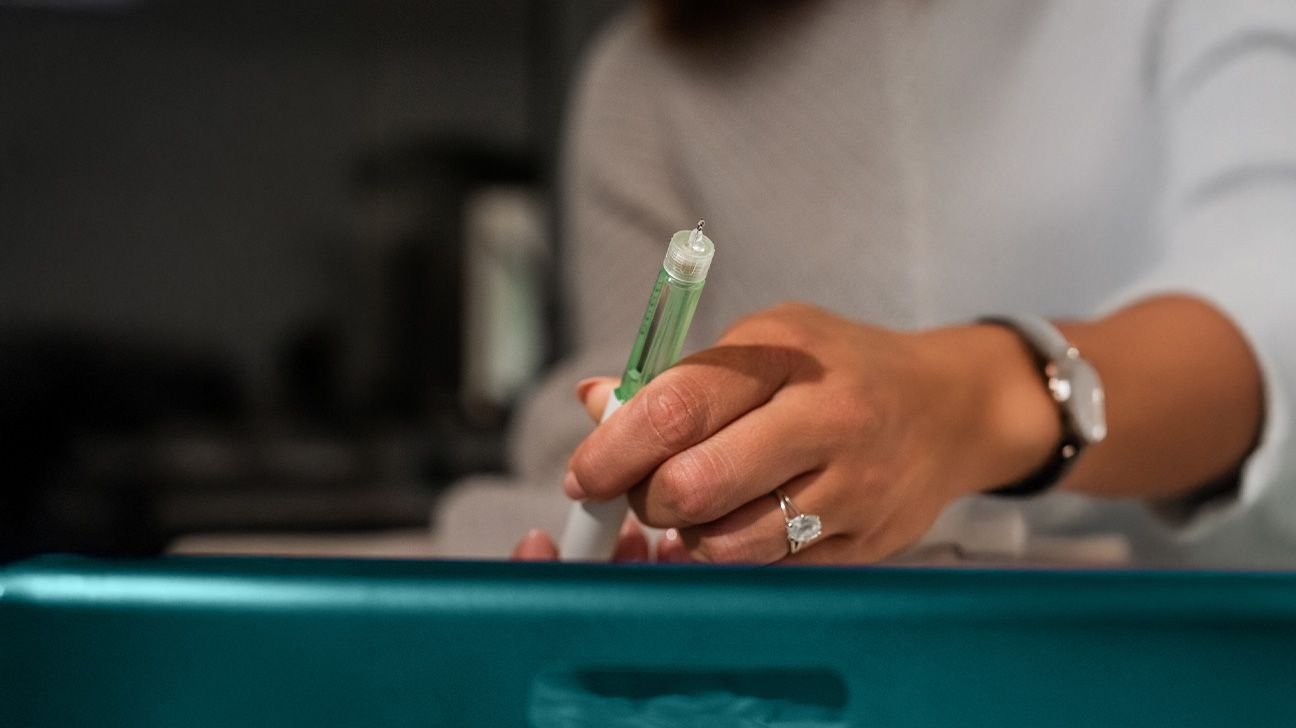
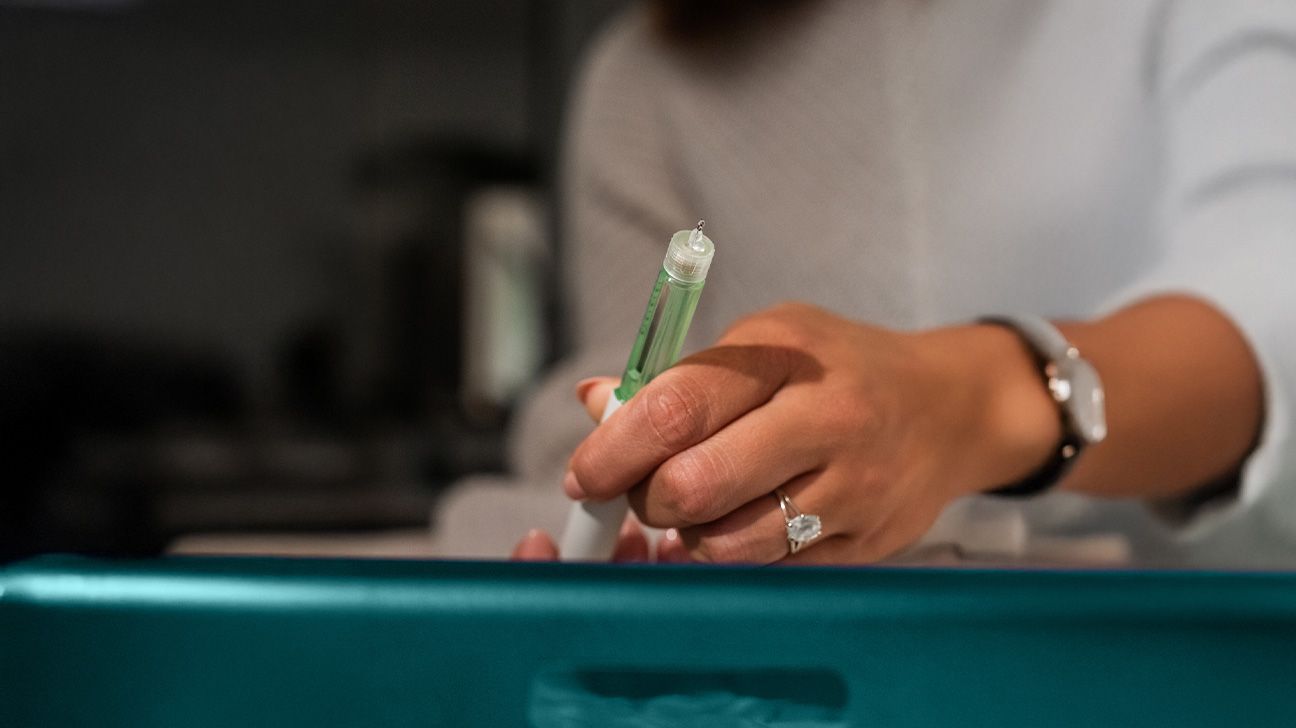
    A person holding a GLP-1 injector pen.Share on Pinterest
    Reports of people developing scurvy while taking GLP-1 medications are on the rise. Milles Team/Shutterstock
    • Reports of GLP-1 users developing scurvy have increased in recent months.
    • GLP-1 drugs can lead to malnutrition since they reduce appetite and food consumption.
    • People may also consume fewer vitamin C-rich foods, such as fruits and vegetables.
    • Proper meal planning and supplementation can help prevent scurvy.

    Maybe you’ve been using a GLP-1 medication for a while now, and you’ve started to notice that your gums are bleeding a bit, or you seem to be bruising more easily than usual? Could the drug be related to these unusual symptoms?

    It turns out that more and more people using these drugs are being diagnosed with scurvy, a severe deficiency of vitamin C.

    You might know scurvy as an 18th-century illness associated with long sea voyages, when fresh fruits and vegetables were in short supply. So, why is a disease associated with pirates and sailors now making a comeback in a time when these foods are readily available?

    The answer, experts say, has less to do with the medications themselves and more to do with what happens when appetite and consumption of certain foods fall dramatically.

    Here’s what’s known about the connection and how to protect yourself while staying on track with treatment.

    In an opinion published in the BMJ on July 21, 2025, Ellen Fallows noted the risks of prescribing GLP-1 medications to patients who already consume nutrient-poor diets, highlighting that malnutrition cases are already being reported in the U.S.

    Fallows additionally pointed out that, although obesity is often thought of as a case of being “over-nourished,” the opposite is frequently true, with muscle wasting and nutrient deficiencies being just as common in these individuals as in those who are underweight.

    When an already unhealthy diet is combined with caloric restriction, it can exacerbate the problem.

    Inflammation of the gastrointestinal tract and nutrient deficiencies caused by common diabetes medications, such as metformin, can also contribute to malnutrition, she said.

    According to Fallows, GLP-1 use is not just linked to vitamin C deficiency. It has been associated with severe thiamine and magnesium deficiencies, among several others.

    However, a lack of awareness of this issue is likely leading to both underdetection and under-reporting of malnutrition, she wrote, which may lead to less favorable patient outcomes.

    “Good quality wraparound care for patients taking GLP-1 agonists must go further than simple ‘dietary advice’ as recommended by the National Institute for Health and Care Excellence,” she advised. “It must include assessment of nutritional status before treatment to identify patients with malnutrition whose risks may only be mitigated with additional support.”

    Fiorella DiCarlo, RDN, CDN, of FiorellaEatsTV, told Healthline that GLP-1s slow gastric emptying and motility, which causes people to feel full and lose their appetite. However, they may end up not eating enough to properly nourish their bodies.

    “Some people end up eating 600-1000 calories per day without realizing it and thereby undereating vital nutrients and vitamins,” she said, explaining that this is what leads to deficiencies.

    When a person doesn’t consume enough vitamin C for an extended period, they can develop scurvy.

    “GLP-1 users report low appetite and early satiety, so fruits and veggies that contain Vitamin C are not consumed as often but rather replaced with toast, crackers, and processed food to accommodate GI issues like nausea instead,” said DiCarlo.

    She added that food aversions to acidic foods or raw vegetables can also complicate matters.

    “Vitamin C deficiencies cause weakened blood vessels, wounds that don’t heal, including acne and bleeding gums,” said DiCarlo.

    However, scurvy is reversible with a multivitamin or a 100- to 200-milligram vitamin C supplement, she said.

    According to DiCarlo, the best way to navigate the nutritional challenges of being on a GLP-1 medication is to work with a Registered Dietitian. These healthcare professionals are experts in nutrition and help you plan meals that best support your needs.

    “I advise building meals and snacks around protein and eating on a schedule to ensure proper intake throughout the day,” she said.

    DiCarlo further suggests getting plenty of fiber from fruit, vegetables, and legumes, as it can help counteract constipation associated with slow motility.

    These same foods are also rich in antioxidants and vitamins, which can help reduce your risk of deficiencies, she said.

    “The order the macros are eaten at a meal can be important too,” DiCarlo explained. “Begin with some protein, then vegetables to ensure that these nutrients are ingested first, particularly for those feeling fuller faster.”

    DiCarlo also emphasized the importance of drinking water to reduce your risk of dehydration.

    Concluding her comments, she said, “Eating while on a GLP-1 can be very challenging, and while weight loss will occur, the collateral damage from malnutrition can cause physical and psychological feelings that can affect quality of life.”

    However, as DiCarlo explains, proper planning and supplementation can help mitigate the risks.