
Tag: DeadLine

  • FCC Examines Migration Of Sports Rights From Free Broadcast To Subscription Streaming

    FCC Examines Migration Of Sports Rights From Free Broadcast To Subscription Streaming

    The FCC is launching a public inquiry into the migration of sports rights from free, over-the-air broadcast outlets to subscription streaming, something that has been increasing source of concern among lawmakers on Capitol Hill.

    The agency is seeking public comment on the trend, with the FCC Media Bureau noting that while “streamers have helped expand access to professional and collegiate sports, they also appear to have contributed to the fragmentation of the sports media marketplace.”

    The bureau noted that in 2025, NFL games aired on 10 different services, “which, according to some estimates, could cost a consumer over $1,500 to watch all games.

    “In addition, 20 NFL regular season games and one playoff game were nationally distributed,
    exclusively, on four different streaming services — Amazon Prime Video, YouTube, Peacock, and
    Netflix.”

    The bureau is asking a series of questions, including, “To what extent do current sports media rights contracts conflict with or impede TV broadcasters from meeting their public interest obligations? How should these arrangements be considered in the context of broadcasters’ public interest obligations and the FCC’s duty to ensure licensees meet their statutory requirements?” The query also asks what steps the FCC could take to “ensure any broadcast licensee responsibilities are fulfilled.”

    Brendan Carr, the chairman of the FCC, wrote in a post on X, “For decades, Americans enjoyed turning on their TV & quickly finding the game they wanted to see. Yet watching your favorite team play isn’t as easy these day. Many games are still on broadcast, but an increasing number are on a range of different online platforms.”

    Last year, the Republican leaders of the House Judiciary Committee raised the issue of streaming as they raised questions of whether major sports leagues should still get an antitrust exemption for coordinating TV broadcast rights.

    The FCC’s comment period runs through March 27, with reply comments due April 13.
  • Judge Prohibits Justice Department From Searching Through Washington Post Reporter’s Phone And Other Devices

    Judge Prohibits Justice Department From Searching Through Washington Post Reporter’s Phone And Other Devices

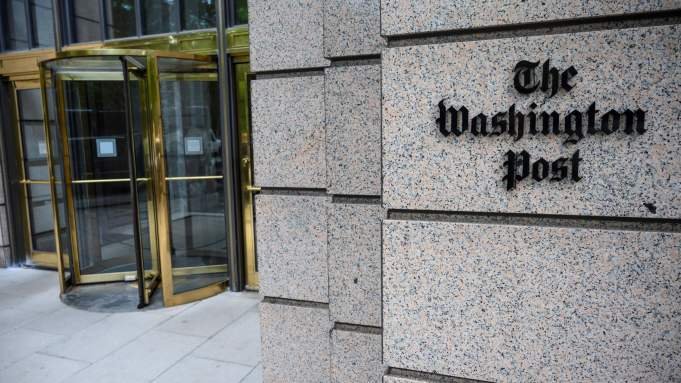
    The Justice Department has been prohibited from examining the contents of a phone and other devices seized at the home of a Washington Post reporter as part of an investigation into a leak of national security information.

    U.S. Magistrate Judge William Porter ruled that the court will review the devices itself, after attorneys for the Post argued that the DOJ had obtained reporter Hannah Natanson‘s sources and materials unrelated to the leak investigation.

    “The Court finds that seizing the totality of a reporter’s electronic work product, including tools essential to ongoing newsgathering, constitutes a restraint on the exercise of First Amendment rights,” Porter wrote in his ruling.

    Natanson’s materials were seized as part of a government investigation of Aurelio Perez-Lugones, a system administrator who has a security clearance and is accused of retaining classified intelligence reports. The reporter was told that she is not the subject of the investigation, according to the Post.

    On Jan. 14, agents searched the reporter’s home and her devices and seized a phone, two laptops and a Garmin watch, according to the Post. One of the computers was issued to the reporter by the Post, the other was her personal laptop, the Post said.

    Natanson has done extensive reporting on federal workers who have been targeted for firings and resignations by the Trump administration. She has chronicled how she had become the “federal government whisperer,” amassing hundreds of sources as workers inundated her with tips.

    The Post is seeking the return of all of Natanson’s devices, but Porter wrote that he “finds it reasonable for the government to retain only the limited information responsive to the search warrant—and nothing
    more.”

    But Porter has been critical of the government’s handling of the case, including the way that it obtained a search warrant for Natanson’s home. He noted that the DOJ failed to analyze the Privacy Protection Act in its search warrant application, writing that it “seriously undermined” the court’s confidence “in the government’s disclosures in this proceeding.”

    “Given the documented reporting on government leak investigations and the government’s well chronicled efforts to stop them, allowing the government’s filter team to search a reporter’s work product—most of which consists of unrelated information from confidential sources—is the equivalent of leaving the government’s fox in charge of the Washington Post’s henhouse,” the judge wrote.

    The Post said in a statement that they “applaud the court’s recognition of core First Amendment protections and its rejection of the government’s arguments for searching Hannah Natanson’s devices and work materials in their entirety and placing itself in charge of determining their relevance.”

    Gabe Rottman, vice president of policy at the Reporters Committee for Freedom of the Press, said in a statement that the judge “had a choice between carefully protecting a reporter’s confidential sources and simply letting the government riffle through Natanson’s devices. It made the right call — and the constitutionally appropriate one — by taking it upon itself to review the material and in ordering that information unrelated to the underlying investigation will be returned to Natanson.”